Bangkok has dozens of cooking schools, from rooftop classes in Khao San guesthouses to family kitchens in the suburbs, and Blue Elephant is the one to choose if you want the classic experience done properly. The school runs out of the Thai Chine Building on South Sathorn Road, a three-storey colonial mansion more than a century old that once housed the Thai Chinese Chamber of Commerce and was used by the Japanese army during the Second World War; downstairs is the Blue Elephant restaurant, one of the best known names in royal Thai cuisine, and the teaching kitchens sit upstairs. The format is reassuringly structured. The morning class begins with a guided walk through a local fresh market, where the instructor explains the herbs, pastes and produce that confuse first-time visitors: the difference between galangal and ginger, which basil goes in which curry, why palm sugar matters, how to choose a good coconut. Back at the school, a chef demonstrates each dish step by step, then every student cooks at an individual station with their own wok and burner, so you do the chopping, pounding and stir-frying yourself rather than watching someone else do it. The menus rotate, typically four dishes built around a soup, a salad or stir-fry and a curry made from scratch: recent classes have covered green chicken curry, spicy beef soup, prawn pad thai, stir-fried chicken with cashews, turmeric sea bass soup and red beef curry with pumpkin. The class ends with lunch in the restaurant downstairs, where you eat what you cooked. An afternoon class runs without the market visit for those who would rather sleep in. It is more polished and more expensive than a backstreet class, and it is not the place for an anarchic, cocktails-and-chillies party atmosphere, but for food lovers who want to come home able to make a real Thai curry, it is the benchmark.
What makes Blue Elephant worth the premium is the teaching. Classes are run by professional chefs who work in the restaurant kitchen, and the emphasis is on technique you can repeat at home: how to pound a curry paste in a granite mortar until it turns from a rough chop into a smooth, fragrant paste, how hot the wok should be before the garlic goes in, when to add fish sauce and when palm sugar, and how to balance the four Thai flavours of salty, sweet, sour and hot. Students receive printed recipes to take away, and the instructors are good at suggesting substitutes for ingredients that are hard to find outside Asia, which is the question every student eventually asks. The market walk is the part people remember. Even if you have already spent days grazing through Chinatown and Chatuchak, a cook explaining what you are looking at turns a market from a blur of colour into a lesson, and you will leave knowing which stalls sell kaffir lime leaves, fresh curry pastes and the tiny, fierce bird's eye chillies.
How to book and when to go: the morning class with the market tour is the one to choose; arrive about fifteen minutes before the start, which is early, so the class fits neatly before lunch. Booking ahead is wise, especially in the cool season from November to February when Bangkok is busiest, and the Tiqets listing lets you lock in a date. Wear comfortable, closed shoes for the market and the kitchen, tie back long hair, and tell the staff about allergies or a vegetarian diet when you book; the chefs adapt dishes readily. Expect a relaxed morning rather than a test, and do not worry about chilli levels: you control the heat in your own wok. The building itself is worth a look, with its high ceilings, wooden staircases and old photographs, and if you want to see the restaurant at its best, come back for dinner another evening.
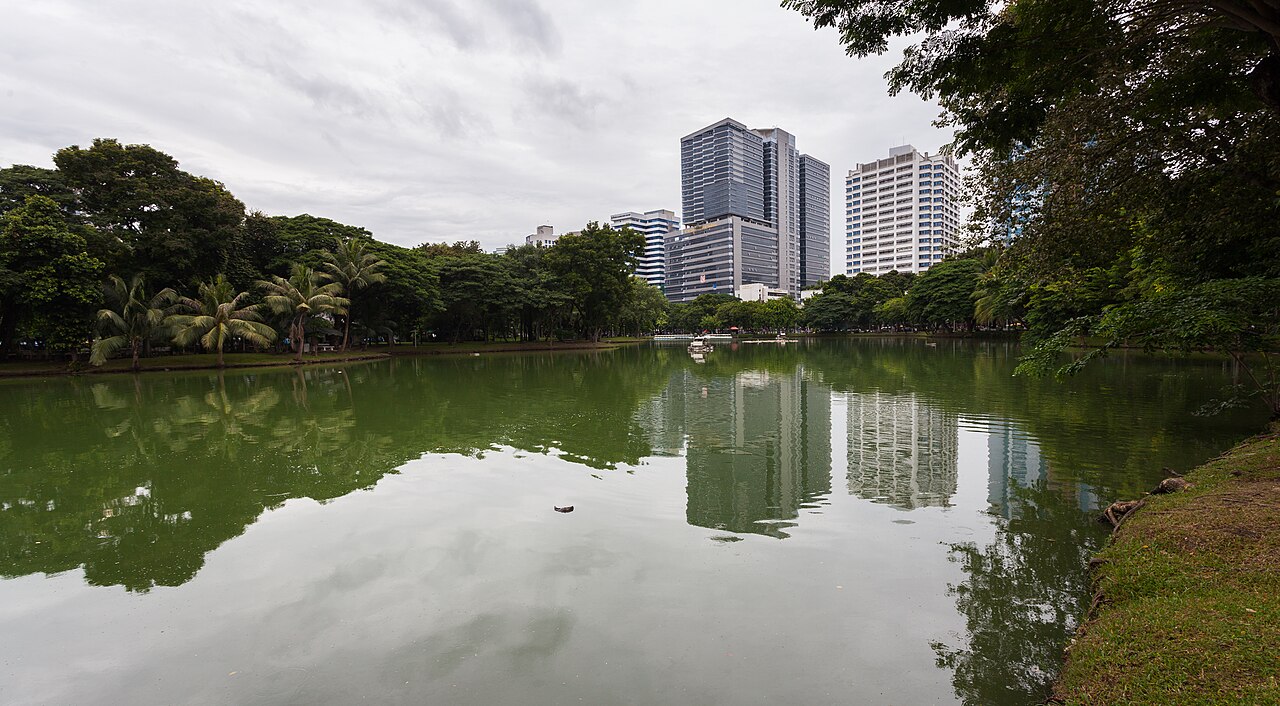
Getting there and fitting it in: the school is on South Sathorn Road beside BTS Surasak on the Silom line, so it is easy from Sukhumvit, Siam and the riverside hotels; from the old town, take the Chao Phraya boat to Sathorn pier and ride the Skytrain two stops. After lunch you are well placed for an afternoon in Silom, a walk in Lumphini Park or a sunset drink at a rooftop bar nearby. It suits couples looking for a shared experience, food-focused travellers and families with older children who can handle a hot wok; younger children are better at a casual neighbourhood class. If you only do one hands-on activity in Bangkok, make it this one.
What to expect
The experience
A guided fresh-market walk, a chef demonstration of each dish, then hands-on cooking at your own wok station, finishing with lunch of your dishes in the Blue Elephant restaurant.
Best time
The morning class, which includes the market tour. Book ahead for the November to February high season.
How long
About four hours for the morning class with the market visit; the afternoon class is shorter.
Tips
Arrive fifteen minutes early, wear closed shoes, and mention allergies or vegetarian diets when booking. Keep the printed recipes: they are written for home kitchens.
Quick picks
- Best for
- Food lovers who want to cook a real Thai curry from scratch, taught by professional chefs.
- Families
- Good for teenagers and older children who are comfortable around a hot wok; younger children will be happier at a casual class.
- Couples
- A lovely shared morning: shop, cook side by side, then sit down to lunch together in a colonial mansion.
- Pair with
- Lumphini Park or the Mahanakhon SkyWalk in the afternoon, and Chinatown street food for dinner.
- Time needed
- A morning, finishing with lunch.
Good questions
Is the Blue Elephant class suitable for beginners?+
Yes. The chef demonstrates every dish before you cook it, and the instructors circulate to help at each station. You do not need any experience, just a willingness to chop, pound and stir-fry.
What will I cook?+
Menus rotate, usually around four dishes including a curry made from a hand-pounded paste, a soup and a stir-fry or salad. Recent classes have included green curry, pad thai, spicy beef soup and red curry with pumpkin.
Does the class include a market visit?+
The morning class does: it starts with a guided walk through a nearby fresh market to learn about Thai herbs and ingredients. The afternoon class skips the market.
Can vegetarians or people with allergies join?+
Yes. Tell the school when booking and the chefs will adapt the dishes, swapping meat and fish sauce for vegetarian alternatives where possible.
How do I get there?+
The school is on South Sathorn Road next to BTS Surasak on the Silom line. From the old town, take the river boat to Sathorn pier and ride the Skytrain two stops.