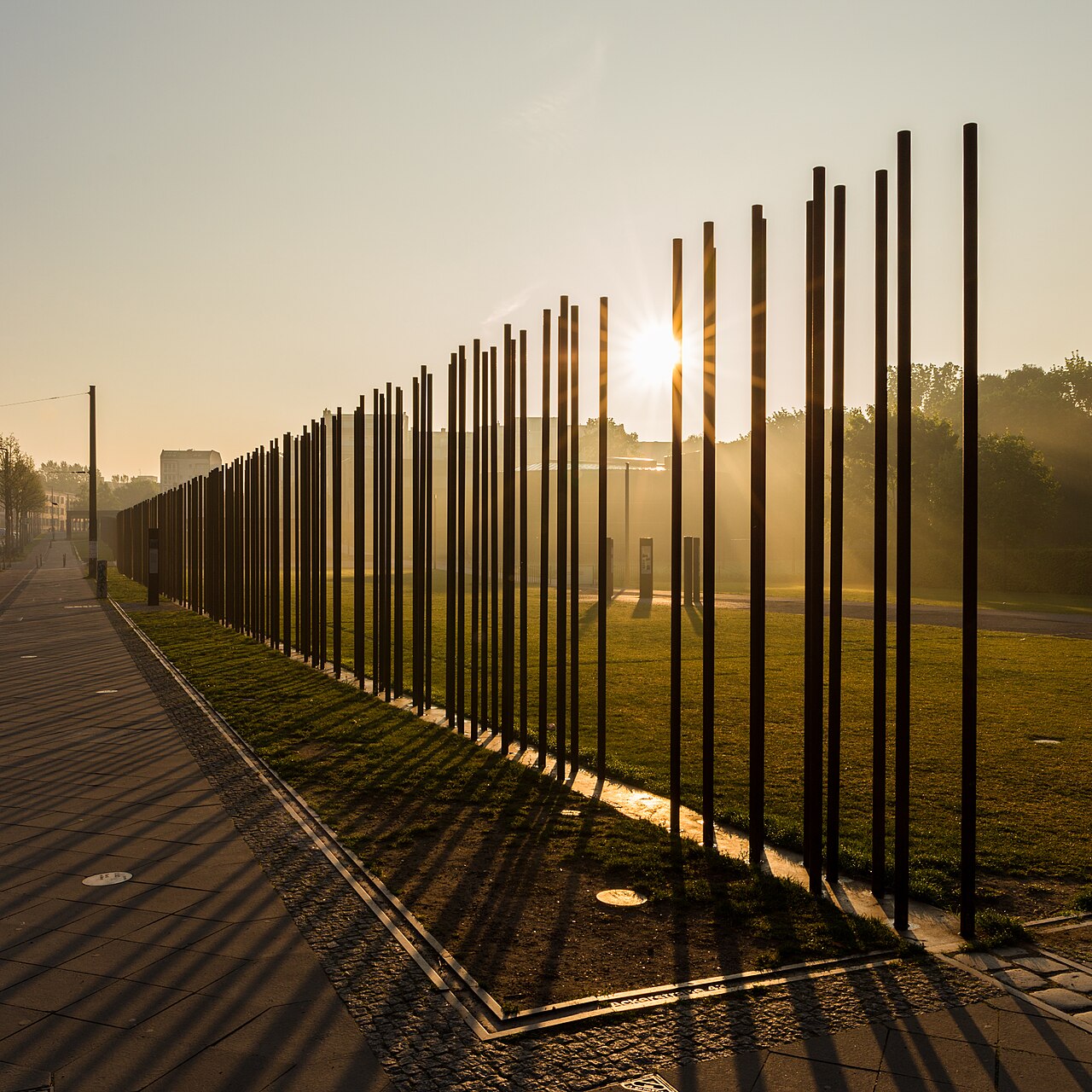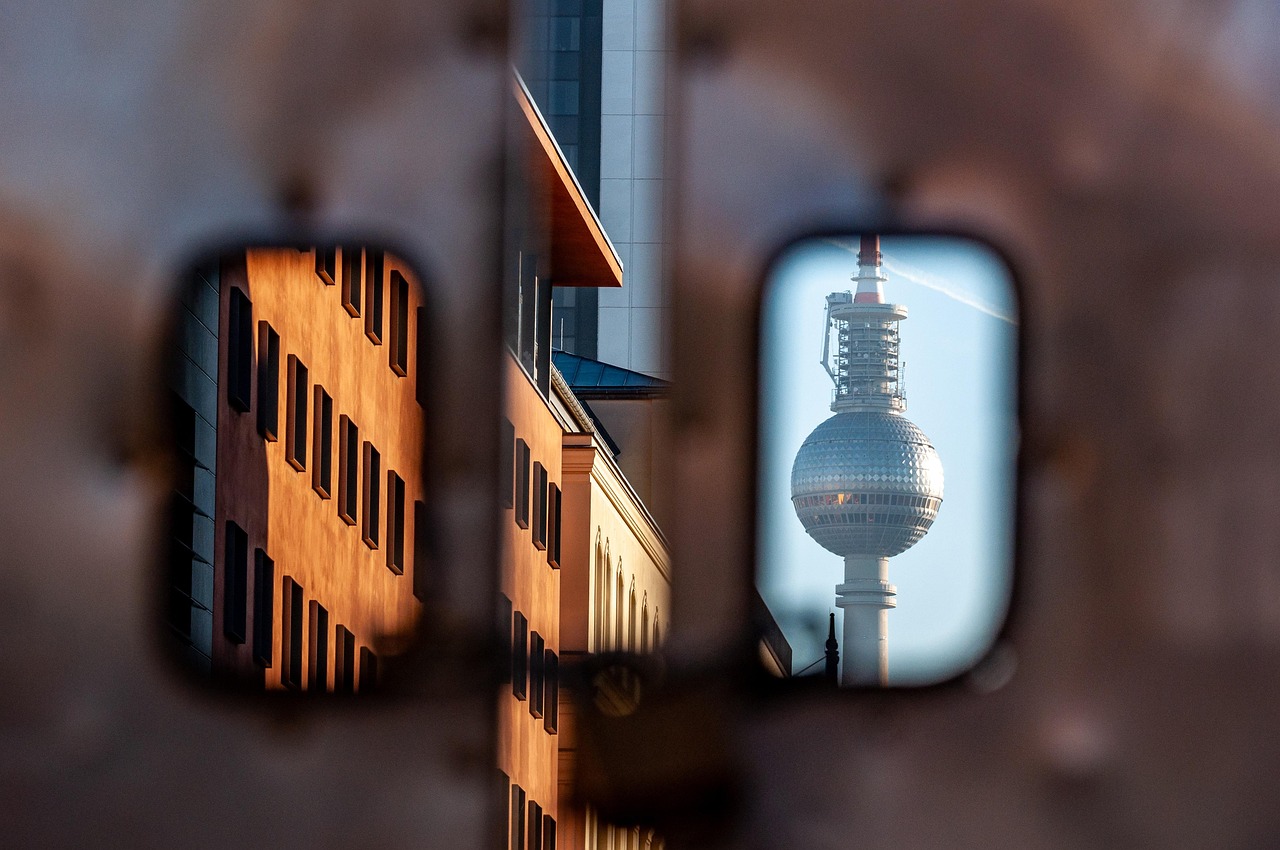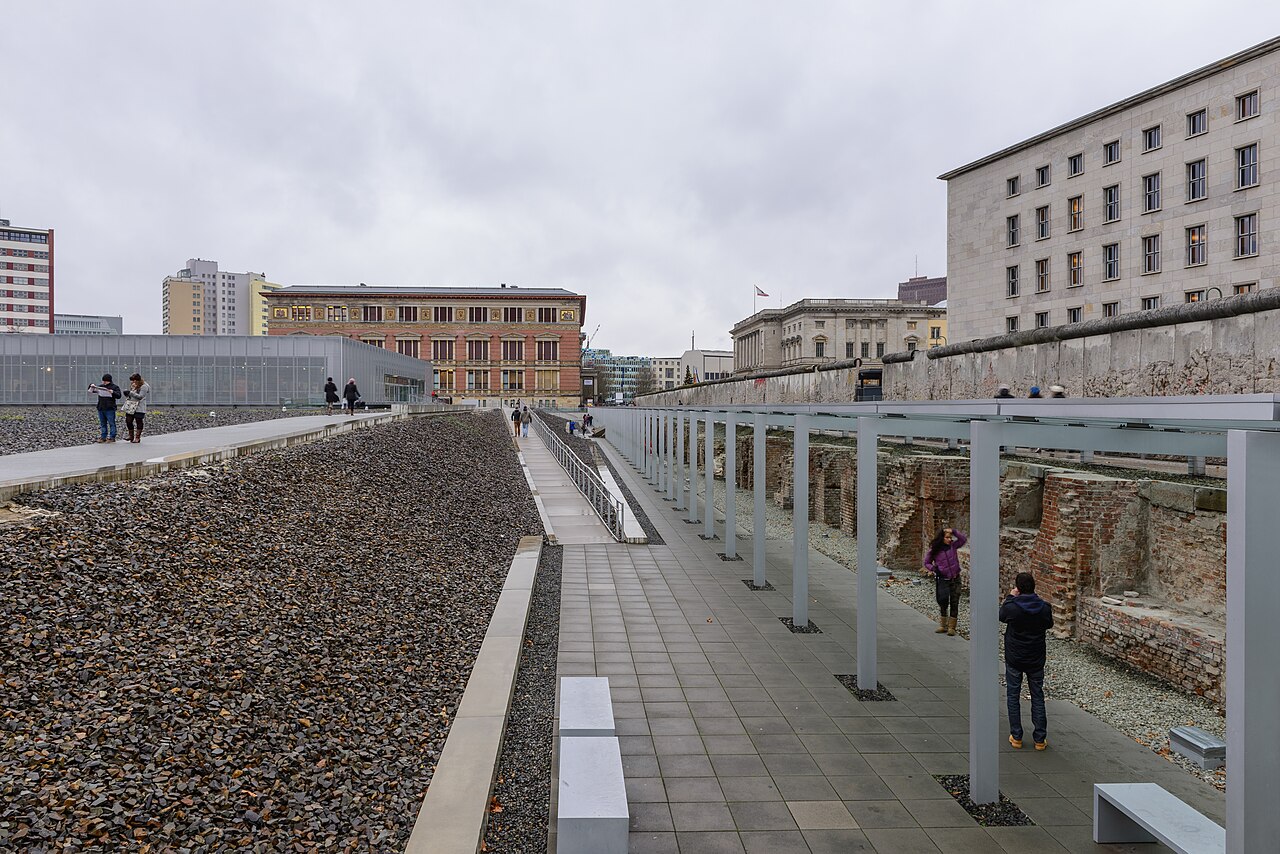
The Topography of Terror is one of the most important places in Berlin for understanding how the Nazi regime worked, and it is entirely free. Between 1933 and 1945 this site, on what was then Prinz-Albrecht-Strasse, held the headquarters of the Secret State Police, the Gestapo, with its notorious in-house prison, the leadership of the SS, and from 1939 the Reich Security Main Office, which planned and directed persecution and genocide across occupied Europe. The buildings were bombed in the war and demolished afterwards, and for decades the site lay forgotten on the edge of West Berlin, right beside the Wall. In the 1980s citizens' groups began to dig, uncovering cellar remains and campaigning for a memorial, and today a modern documentation centre, opened in 2010, stands on the grounds. The permanent indoor exhibition, Topography of Terror, documents the institutions of terror, the people who ran them and their crimes, from the takeover of power to the end of the war and the postwar fate of the perpetrators, with photographs, documents and short biographies that make the bureaucracy of murder disturbingly concrete. Outside, in the trench along the excavated cellar walls, the open-air exhibition Berlin 1933 to 1945 traces the capital under National Socialism, from the Nazi seizure of power to the destruction of the city. A site tour with information points leads around the grounds. Along the northern edge, on Niederkirchnerstrasse, runs a long surviving stretch of the Berlin Wall, which adds a second layer of twentieth-century history to the same few metres. The centre also hosts special exhibitions, talks and a library. The exhibitions are open daily, admission is free, and it is a short walk from Potsdamer Platz and Checkpoint Charlie.
How to plan your visit: the exhibitions are open every day from 10am to 8pm, with the outdoor areas open until dusk, and the centre closes only on 24 and 31 December and 1 January. There is no parking on site, so arrive by public transport: Potsdamer Platz and Kochstrasse U-Bahn stations and Anhalter Bahnhof and Potsdamer Platz S-Bahn stations are all a few minutes away. Allow around two hours, an hour and a half for the indoor exhibition and half an hour for the trench and the Wall. Because it is open late, it works well as an early-evening visit after a day of other sightseeing.
Getting the most from it: start with the indoor exhibition, which is dense but extremely clear, with texts in German and English; do not try to read everything, but follow the main panels and stop at the biographies and photographs that hold you. Then walk the open-air trench exhibition along the excavated cellar walls, and finish by the Wall on Niederkirchnerstrasse, looking across at the huge building opposite, which was Hermann Goering's Air Ministry and is now the Federal Ministry of Finance. Check the programme for special exhibitions and free guided tours, which add a lot. There is a small cafe in the centre.
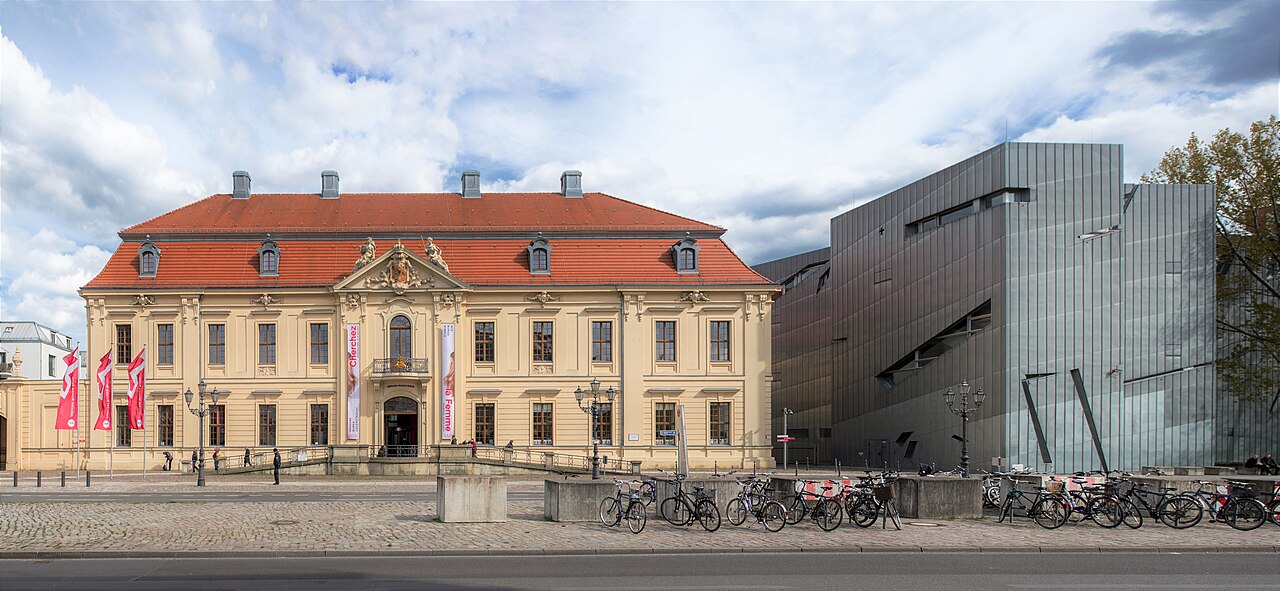
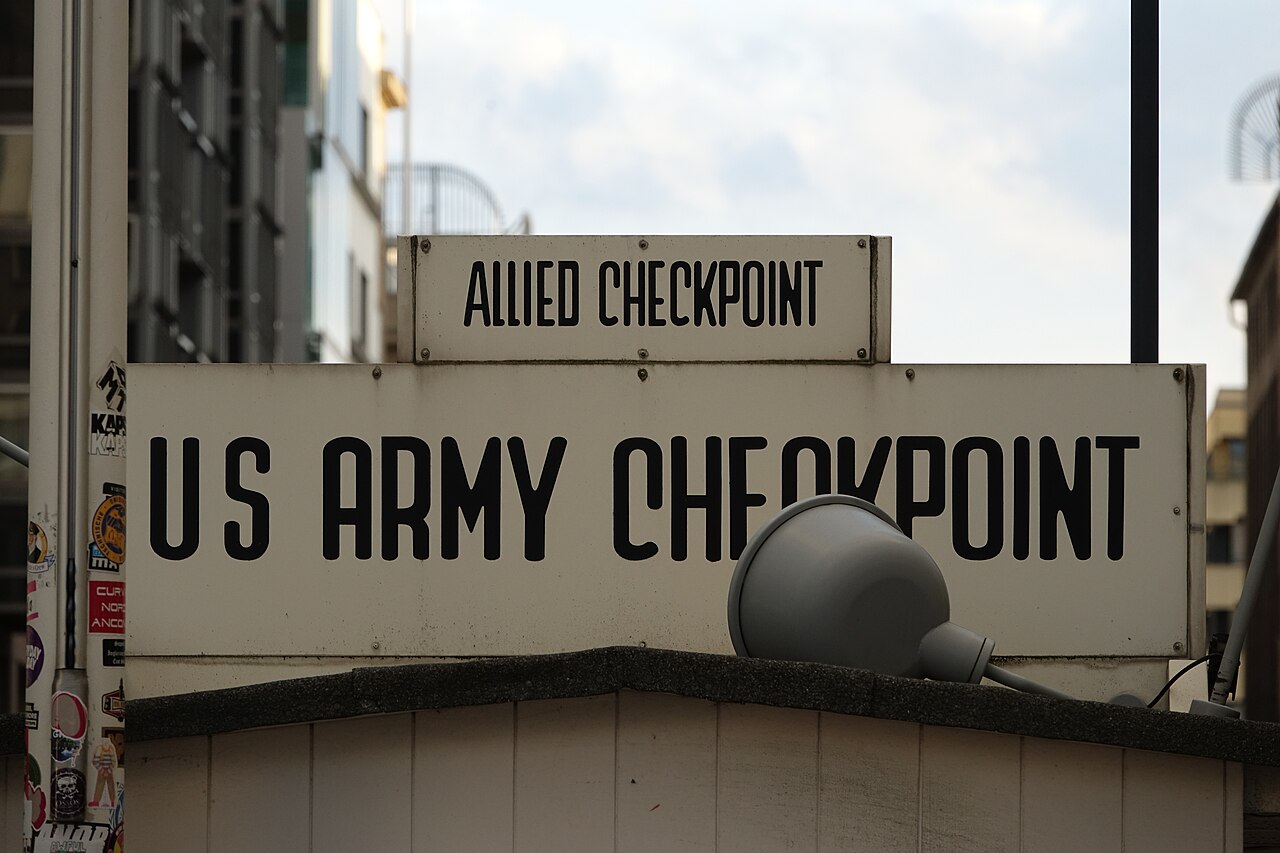
Who it suits and what to pair it with: history buffs, students and anyone who wants to understand the Nazi state rather than just its memorials. The content is serious and graphic in places, so it is best for teenagers and adults; younger children will find little here. It sits at the heart of a powerful walking route: pair it with Checkpoint Charlie a few minutes east, the Jewish Museum Berlin in Kreuzberg, and the Memorial to the Murdered Jews of Europe near the Brandenburg Gate, with Potsdamer Platz and the Panoramapunkt close by for a change of mood.
What to expect
The experience
A free documentation centre with a permanent indoor exhibition, an open-air exhibition in the excavated trench, a site tour with information points and a surviving stretch of the Berlin Wall.
Best time
Any day; it is open daily until 8pm, so late afternoon or early evening is a calm time to visit.
How long
About two hours.
Tips
Come by public transport. Do the indoor exhibition first, then the trench and the Wall. Look across at the former Air Ministry building.
Quick picks
- Best for
- Understanding how the Nazi state organised terror, on the site where it was run.
- Families
- Best for teenagers and adults; the content is not suitable for young children.
- Couples
- A sobering but rewarding visit for couples with a shared interest in history.
- Pair with
- Checkpoint Charlie, the Jewish Museum Berlin and the Memorial to the Murdered Jews of Europe.
- Time needed
- Two hours.
Good questions
Is the Topography of Terror free?+
Yes. Admission to the documentation centre, the exhibitions and the outdoor grounds is free.
When is the Topography of Terror open?+
The exhibitions are open daily from 10am to 8pm, and the outdoor areas until dusk. It closes on 24 and 31 December and 1 January.
What was on this site?+
From 1933 to 1945 it held the headquarters of the Gestapo, the SS leadership and, from 1939, the Reich Security Main Office, the central institutions of Nazi persecution and terror.
Is there a piece of the Berlin Wall at the Topography of Terror?+
Yes. A long surviving stretch of the Wall runs along Niederkirchnerstrasse on the northern edge of the site.
How do I get there?+
By public transport: Potsdamer Platz and Kochstrasse U-Bahn stations and Anhalter Bahnhof and Potsdamer Platz S-Bahn stations are all a short walk away. There is no parking on site.