Bordeaux is one of the easiest cities in France to enjoy on a first visit. Its historic centre is flat, compact and largely pedestrian, a crescent of pale stone along the Garonne that UNESCO listed in 2007 as the Port of the Moon. A good tram network links the old town to the riverside districts, and the world’s most famous vineyards begin within an hour’s drive. The trick is balancing the city with the wine country, and booking the few things that need it.
How many days
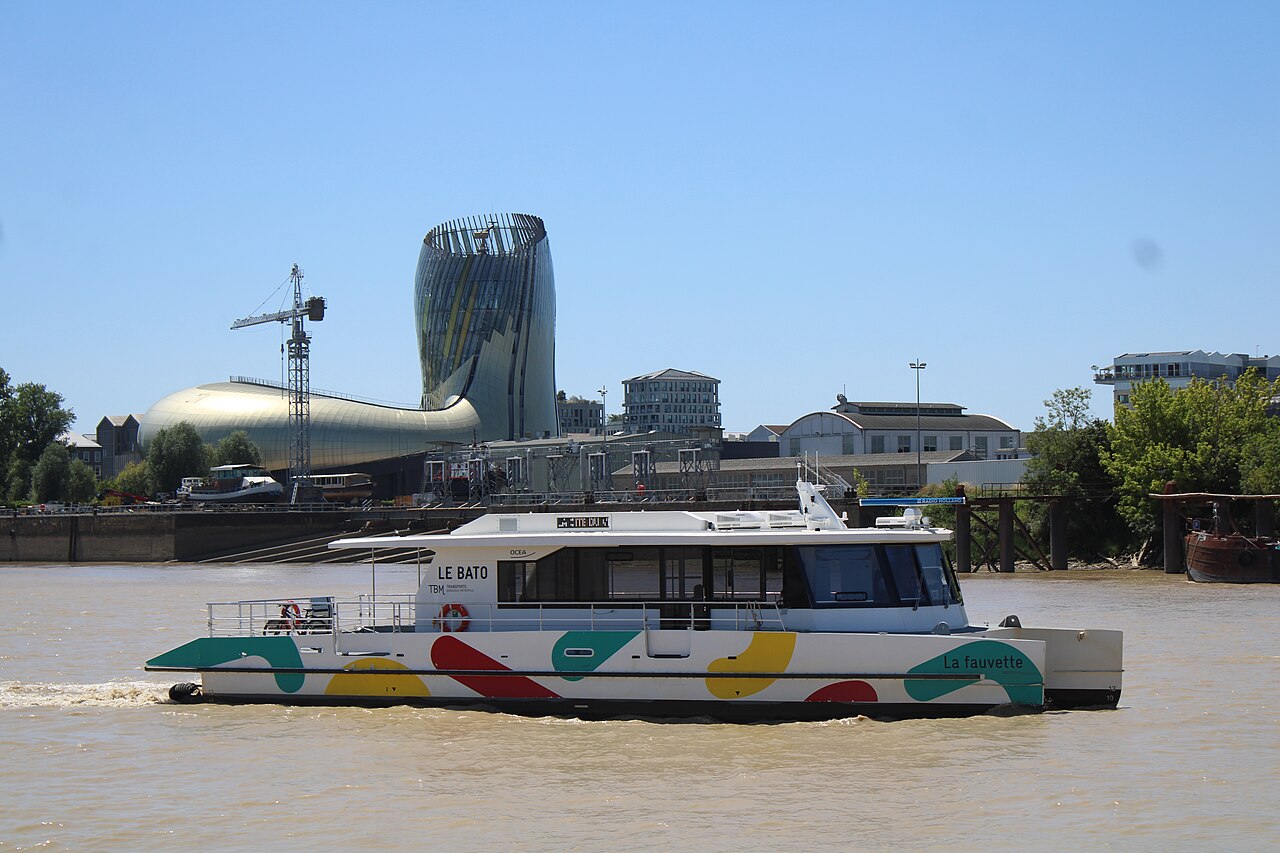
Two full days cover the city: the Place de la Bourse and the old town, the cathedral and the Pey-Berland tower, a river cruise, La Cité du Vin and the Bassins des Lumières. Three days is the sweet spot, because it lets you add a full vineyard day, either to the medieval village of Saint-Émilion or to the grand châteaux of the Médoc. With four or five days you can do both, and the comparison between the right and left banks is the best wine lesson there is.
What to book ahead
The small-group day tours to Saint-Émilion and the Médoc take only eight guests, so book them a few days ahead, especially for weekends. The Pey-Berland tower requires a timed e-ticket, and terrace numbers are limited. La Cité du Vin and the Bassins des Lumières rarely sell out on weekdays, but booking saves time at the desk. Good restaurants fill up on Friday and Saturday nights, so reserve dinner.
Is the CityPass worth it?
The Bordeaux CityPass bundles unlimited trams, buses and the river shuttle with entry to La Cité du Vin, the Bassins des Lumières, the Musée d’Aquitaine, the Pey-Berland tower and more, plus one guided tour. It pays off if you visit the two big Bacalan attractions and at least a couple of museums in 48 hours. If your trip is mostly about vineyard tours, buy single tickets instead.
Winter hours and closures
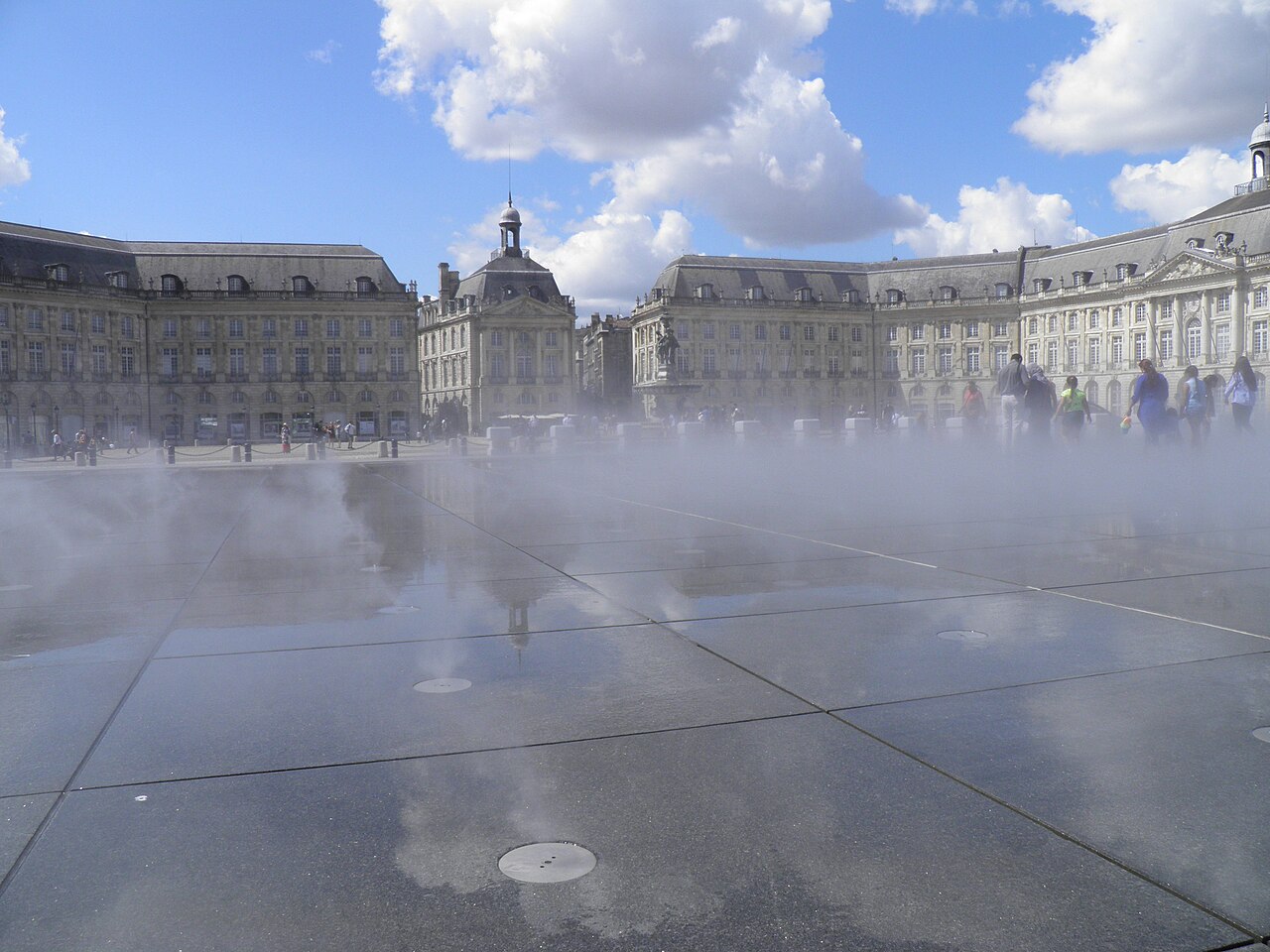
In November the Miroir d’eau in front of the Place de la Bourse is switched off for maintenance until April, so do not expect the famous reflections. La Cité du Vin closes at 18:00 on most days in winter, 19:00 on Saturdays, and shuts for a week in late January. The Bassins des Lumières shows Matisse and Frida Kahlo until 2 January 2027. City museums such as the Musée d’Aquitaine close on Mondays, so use Monday for a day trip or the Bacalan attractions.
Getting around
Walk the centre: the Place de la Bourse, the Rue Sainte-Catherine, the cathedral and the Golden Triangle are all close together. Trams do the rest, with line B running along the quays to the Chartrons, the Bassins des Lumières and La Cité du Vin, and line C linking Saint-Jean station with the riverfront. From the airport, a tram line and shuttle buses run to the centre. You do not need a car in the city, and central parking is tight; the day tours handle the vineyards.
Day one: the old town and the river
Start at the Place de la Bourse, then wander through the Porte Cailhau into the old Saint-Pierre quarter. Visit the cathedral and climb the Pey-Berland tower, spend the afternoon at the Musée d’Aquitaine, and take a late-afternoon cruise on the Garonne from Quai Richelieu.
Day two: wine culture and Bacalan
Take the tram to La Cité du Vin in the morning and finish with a glass in the Belvédère. After lunch, walk to the Bassins des Lumières in the old submarine base, then stroll back through the Chartrons, perhaps stopping at the Musée du Vin et du Négoce.
Day three: into the vineyards
Join the full-day tour to Saint-Émilion for a village walk and three tastings, or head north to the Médoc and Pauillac. Both leave from the tourist office at 09:30 and return by late afternoon.
Money and manners
France uses the euro and cards are widely accepted. Service is included in restaurant bills, though rounding up for good service is appreciated. Say bonjour when you enter a shop, try a canelé, and do not be shy about asking a wine merchant for advice; they love to talk.