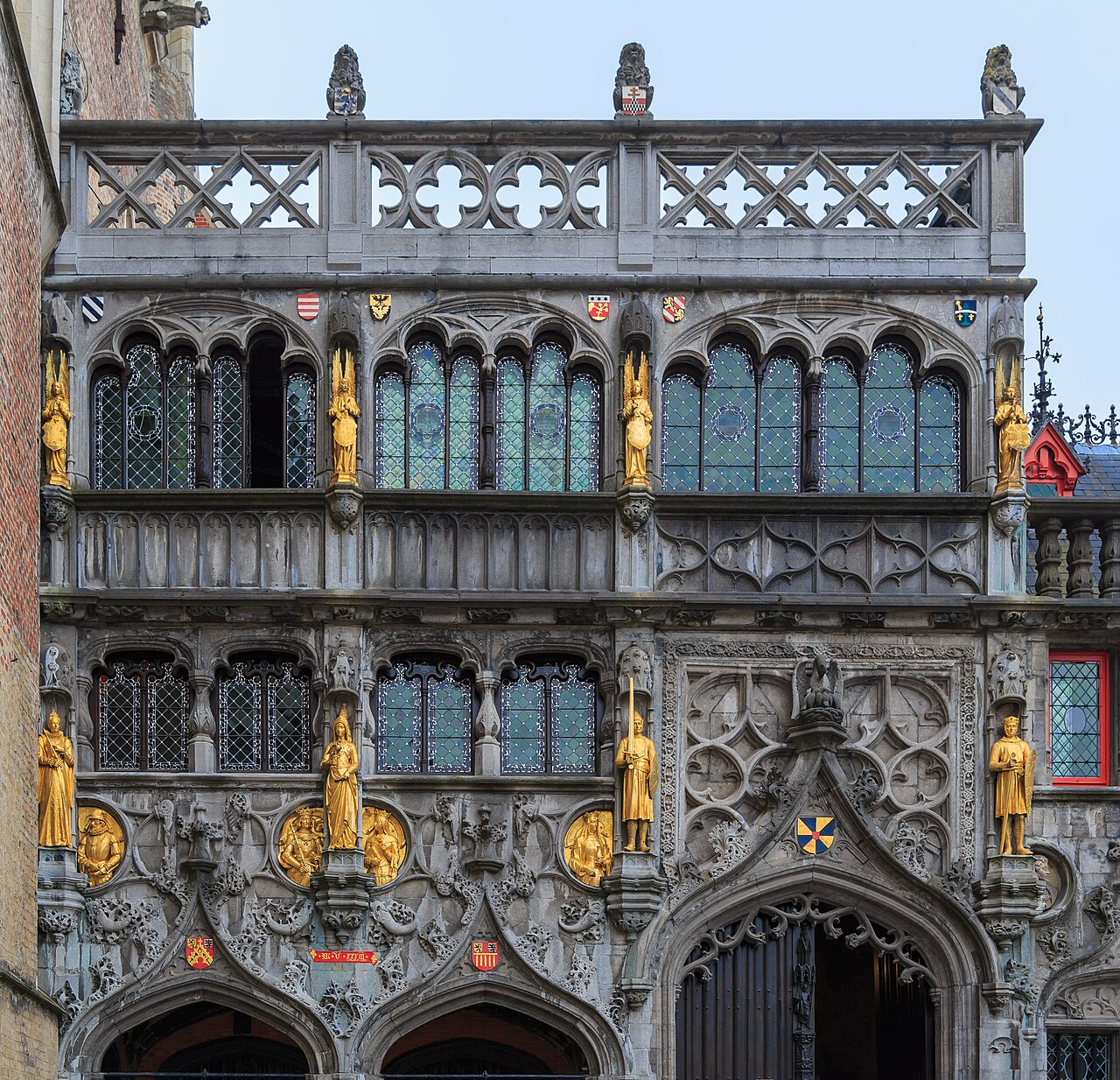
The Basilica of the Holy Blood stands in a corner of the Burg, the square where the counts of Flanders had their castle, and it began as their private chapel, built between 1134 and 1157. It is really two chapels stacked on top of each other. The lower chapel, dedicated to St Basil, is a rare, largely unchanged Romanesque space, dark and sober, with heavy pillars and stone vaults. A staircase leads to the upper chapel, rebuilt in Gothic style in the sixteenth century and richly decorated in the nineteenth, which keeps the city’s most precious relic: a rock-crystal phial said to contain drops of the blood of Christ. Tradition says Thierry of Alsace brought it back from the Second Crusade, although historians date its arrival later. The relic is shown for veneration every Friday, and each year on Ascension Day it is carried through the streets in the Procession of the Holy Blood.
How it works: the basilica is a working church and entry is free, with a small fee only for the treasury. Visit quietly and respect services and the moments of veneration, when the faithful line up to approach the relic. The Tiqets page for the basilica sells guided city tours that pass through the Burg rather than entry to the church itself.
What to expect: the contrast is the experience. Start in the lower chapel, cool and almost bare, then climb to the upper chapel, glowing with painted walls, stained glass and gilded detail. On Fridays you can see the relic presented by a priest. The space is small, so it fills quickly around the veneration times and when tour groups arrive.
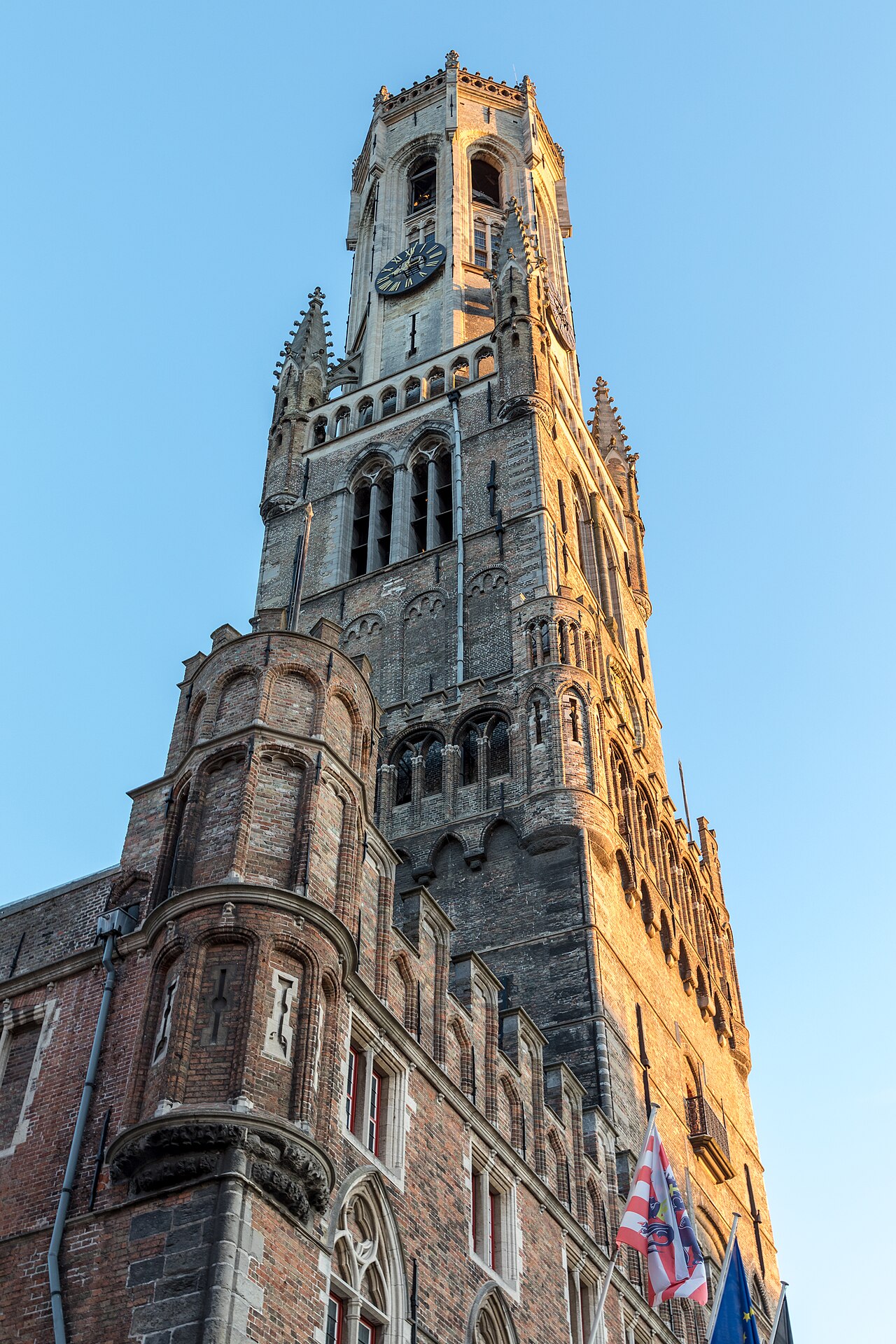
Making the most of it: come early in the day or late in the afternoon, then explore the rest of the Burg, with the Gothic City Hall and its painted hall next door, included in the Musea Brugge Card. The Markt and the Belfry are a two-minute walk away. If you are in Bruges on Ascension Day, the procession is one of the great religious pageants of Flanders, so arrive early for a place along the route.
What to expect
The experience
A short, free visit to two stacked chapels, with an optional small-fee treasury and the relic shown on Fridays.
Best time
Early morning or late afternoon on a weekday, or a Friday if you want to see the veneration of the relic.
How long
Thirty to forty-five minutes, including the lower chapel and the treasury.
Tips
Dress respectfully, keep your voice low and do not photograph worshippers during the veneration.
Quick picks
- Best for
- History lovers who want to feel the medieval faith that shaped Bruges.
- Families
- A short and free stop that children find mysterious, especially the dark lower chapel.
- Couples
- A quiet, atmospheric pause before an evening walk around the lit Burg.
- Pair with
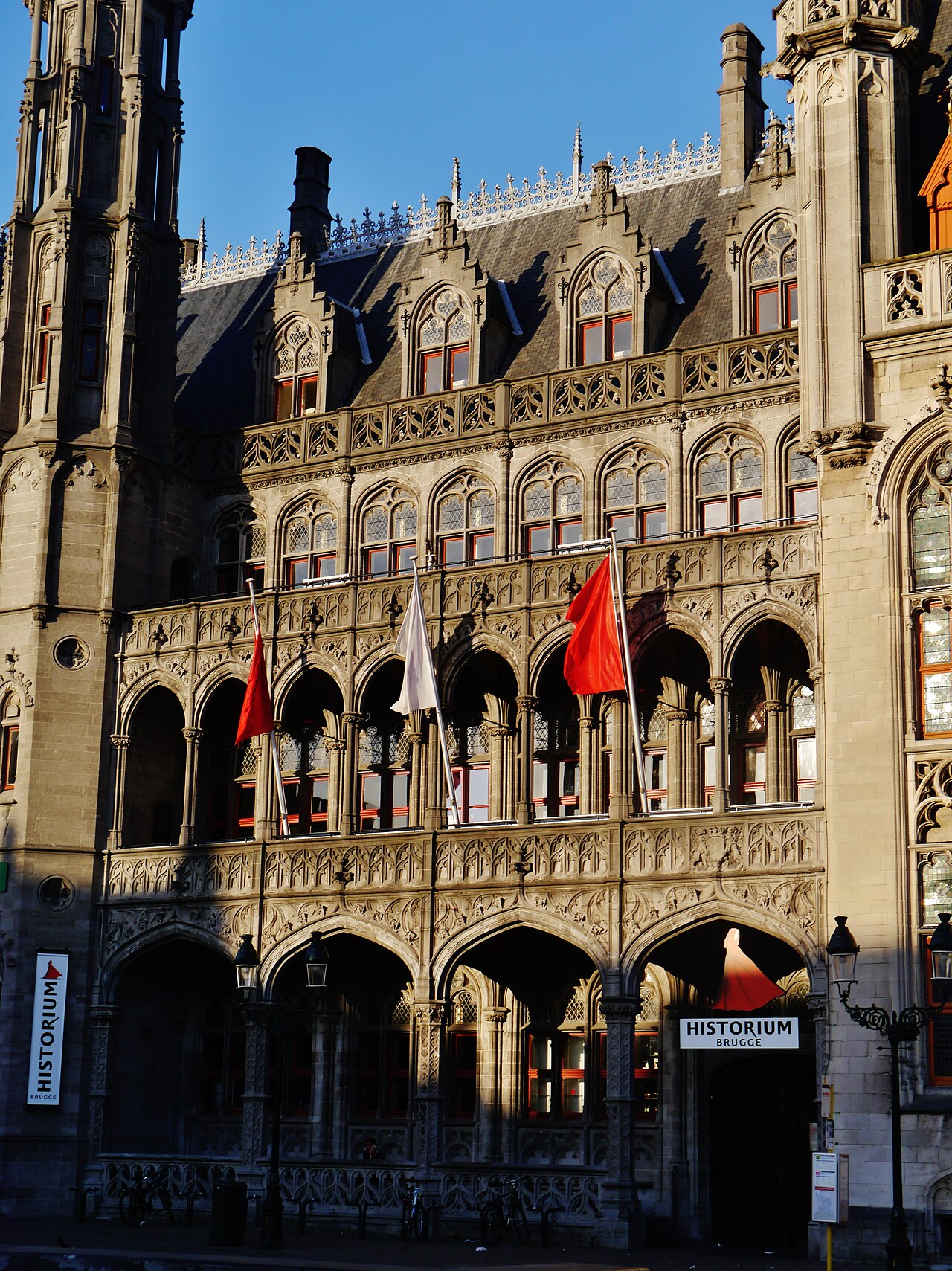
- The City Hall on the Burg, the Belfry and the Historium on the Markt.
- Time needed
- About half an hour.
Good questions
Is the Basilica of the Holy Blood free?+
Yes, entry to the basilica is free. The treasury charges a small fee.
When can I see the relic of the Holy Blood?+
The relic is shown for veneration every Friday and daily in the two weeks before Ascension Day. At other times it is kept in the upper chapel.
What is the Procession of the Holy Blood?+
It is a great religious procession held every year on Ascension Day, when the relic is carried through the city. Arrive early for a good place along the route.
How old is the basilica?+
It was built as the private chapel of the counts of Flanders between 1134 and 1157. The lower chapel is still largely Romanesque, while the upper chapel was rebuilt and redecorated later.
Can I book a ticket on Tiqets?+
No ticket is needed for the basilica itself. The Tiqets page for the basilica sells city tours and nearby attractions on and around the Burg and the Markt.