The Plaza de Mayo is the stage of Argentine history, and two of its oldest buildings face each other across the square. On the west side stands the Cabildo, the colonial town council, a long whitewashed building with a double arcade and a small bell tower. The first cabildo on the site was a simple adobe structure of the late sixteenth century; the present building dates from the eighteenth century and is one of the few colonial civic buildings left in the city. Its importance is enormous: in May 1810 the open council held here deposed the Spanish viceroy and formed the first local government, the event Argentines celebrate as the May Revolution and the start of the road to independence. The building was later cut back on both sides to make way for Avenida de Mayo and the diagonal avenues, so only part of the original arcade survives, but it was restored and today houses the National Museum of the Cabildo and the May Revolution. Its rooms hold colonial furniture, portraits, maps, religious art and objects from the British invasions of 1806 and 1807, and the restored council chamber, while the inner patio is a quiet garden with a small craft market on some days. Diagonally across the plaza is the Catedral Metropolitana, the seat of the Archbishop of Buenos Aires, whose severe neoclassical façade of twelve columns looks more like a Greek temple than a church. Inside, the atmosphere changes completely: a vast, richly decorated nave with gilded altarpieces, paintings and Venetian-style mosaic floors. In a side chapel lies the mausoleum of General José de San Martín, the liberator of Argentina, Chile and Peru, guarded by soldiers of the Regiment of Mounted Grenadiers in their historic blue-and-red uniforms. Jorge Bergoglio served here as archbishop before becoming Pope Francis.
Visiting the Cabildo: the museum is closed on Mondays and open the rest of the week from late morning into the late afternoon, with free or nominal entry; free guided visits in Spanish run on some days, so ask at the desk. Allow forty-five minutes to an hour and a half. Most labels are in Spanish, with some English. The upstairs balcony gives a fine view over the plaza to the Casa Rosada, and the arcade can be visited even when the museum is closed. A ramp entrance is on the Hipólito Yrigoyen side, but the upper floor involves stairs.
Visiting the Cathedral: entry is free and the church is open daily, though visits pause during Mass, so be discreet and dress respectfully. The grenadiers guarding San Martín's tomb change guard at set times, a brief ceremony that is well worth catching; ask at the entrance or check the city tourism schedule. Free guided visits are offered on some days, covering the crypt and the history of the building. Photography without flash is generally fine outside services.
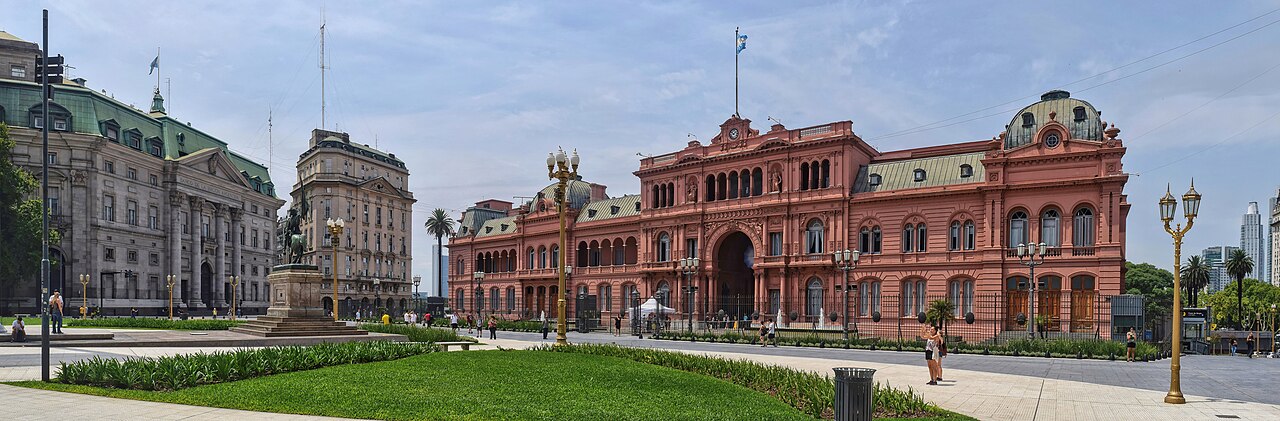
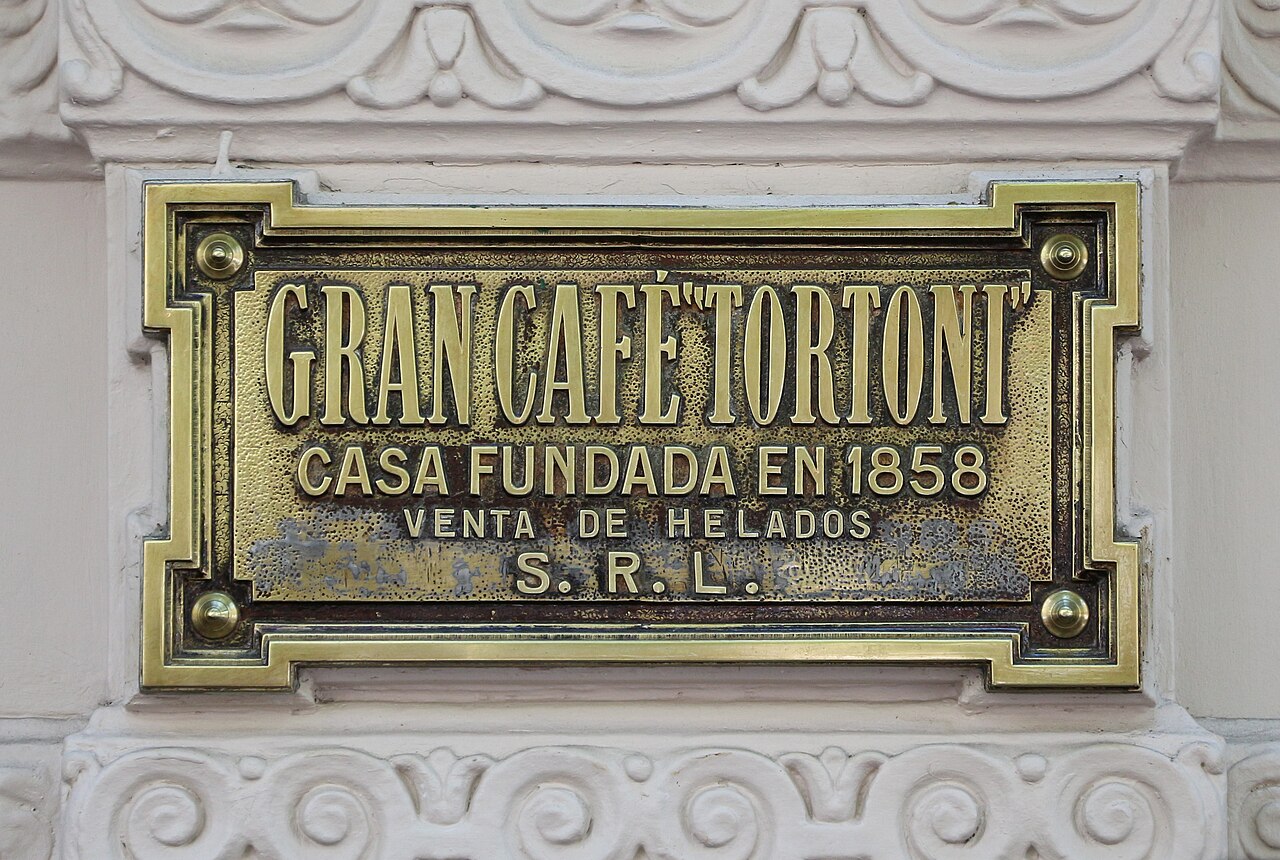
How to fit it in: both buildings sit on the Plaza de Mayo alongside the Casa Rosada, so together they make the core of a first morning in the historic centre. Start at the Cathedral to see the San Martín mausoleum, cross to the Cabildo for the story of 1810, then visit the Casa Rosada if you have booked a weekend tour. Walk up Avenida de Mayo for coffee at the Café Tortoni and the Palacio Barolo tour, or head south into San Telmo for lunch. The plaza is also the city's protest ground, and on Thursday afternoons the Mothers of the Plaza de Mayo have long walked here in memory of the disappeared, a moving reminder of more recent history.
What to expect
The experience
A free colonial history museum in the Cabildo and a free visit to the Metropolitan Cathedral with General San Martín's guarded mausoleum, both on the Plaza de Mayo.
Best time
A weekday morning, combined with the Casa Rosada and Avenida de Mayo.
How long
About an hour at the Cabildo and thirty to forty-five minutes at the Cathedral.
Tips
The Cabildo museum is closed on Mondays. Dress respectfully in the Cathedral and avoid Mass times. Try to catch the grenadiers' changing of the guard.
Quick picks
- Best for
- First-time visitors who want the story of Argentine independence where it began.
- Families
- Children enjoy the grenadiers in uniform and the Cabildo's patio and balcony.
- Couples
- A slow history morning on the plaza, then coffee at the Tortoni.
- Pair with
- The Casa Rosada, Café Tortoni, Palacio Barolo and San Telmo.
- Time needed
- One and a half to two hours for both.
Good questions
Is the Cabildo free?+
Entry to the Cabildo museum is free or nominal. It is closed on Mondays and open the rest of the week from late morning to late afternoon.
Can I see San Martín's tomb?+
Yes. His mausoleum is in a side chapel of the Metropolitan Cathedral, guarded by the Mounted Grenadiers, and entry to the Cathedral is free.
When is the changing of the guard?+
The grenadiers change guard at set times during the day. Ask at the Cathedral entrance or check the city tourism schedule.
Why is the Cabildo so important?+
The open council held there in May 1810 deposed the Spanish viceroy and formed the first local government, the start of Argentina's road to independence.
Is there a connection to Pope Francis?+
Yes. Jorge Bergoglio was Archbishop of Buenos Aires, with his seat at the Metropolitan Cathedral, before he became Pope Francis.