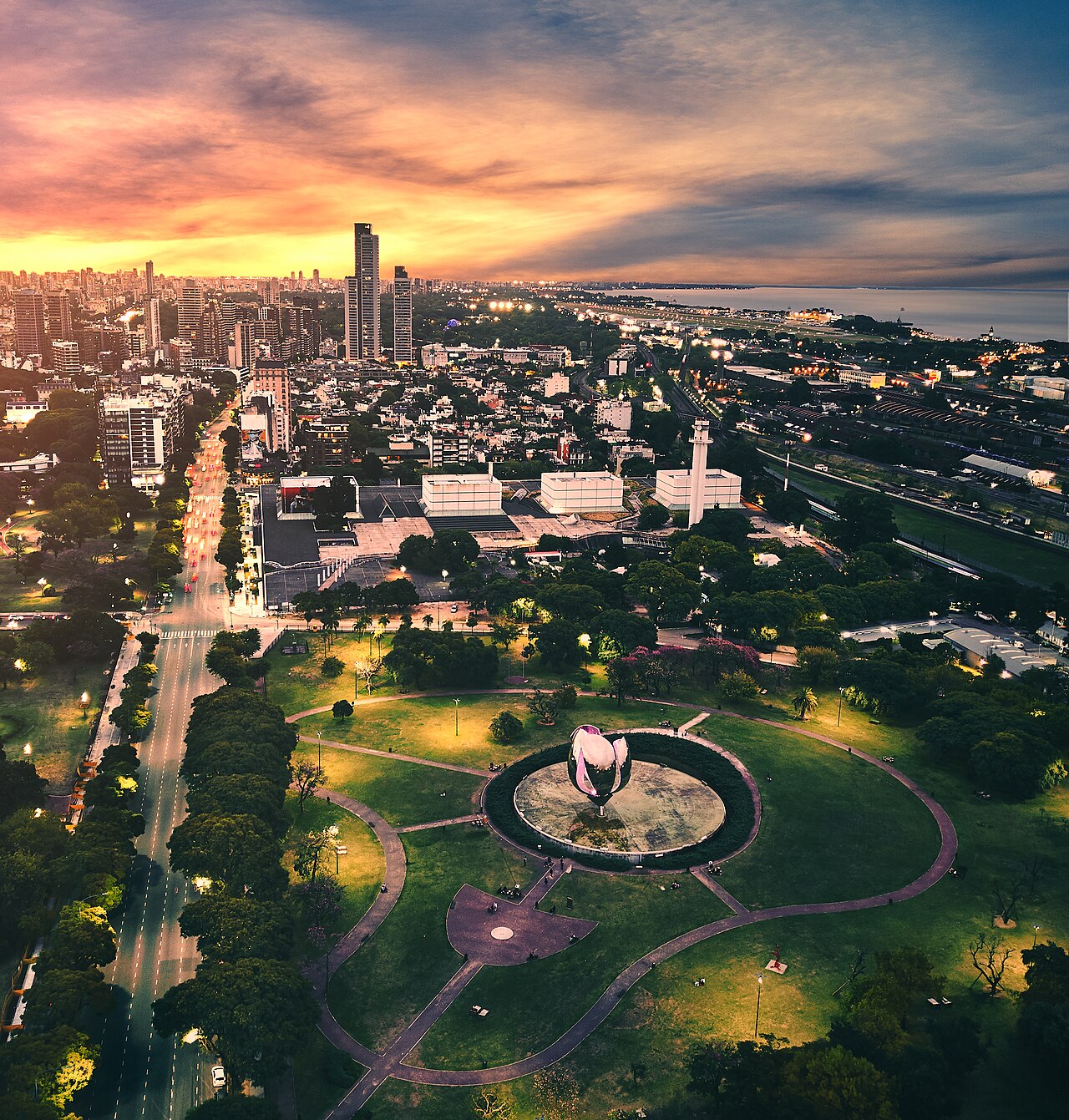
Floralis Genérica is the most photographed modern sculpture in Buenos Aires and a symbol of the city in its own right. Designed by the Argentine architect Eduardo Catalano, who donated it to the city, it was unveiled in 2002 in the Plaza de las Naciones Unidas, a broad park on Avenida Figueroa Alcorta between Recoleta and Palermo. It is a gigantic flower of aluminium and stainless steel, twenty metres tall and weighing about eighteen tonnes, with six huge petals rising from a slender stem and set in a circular reflecting pool. Catalano designed it as a kinetic sculpture: a hydraulic mechanism was built to open the petals in the morning and close them at night, like a real flower, with the petals staying open on patriotic holidays and closing in strong winds. The name means, roughly, a generic flower, which Catalano explained as a synthesis of all flowers, and he described it as an expression of hope that is reborn every day. The polished metal reflects the sky, the trees and the surrounding city, so the sculpture changes colour with the weather and the hour, glowing silver at midday and pink and gold at sunset, while at night red lights illuminate its interior. Its story has had dramatic chapters. The mechanism has stopped for long periods over the years because of hydraulic and electronic problems, and in December 2023 a violent storm with very strong winds broke and bent one of the petals. The damaged petals were taken away by barge for restoration at an industrial plant, where engineers used aerospace testing techniques and new parts, and the last restored petal was refitted in December 2025, returning the flower to its original form.
What to expect now: the sculpture is whole again after its restoration, and it is a lovely place to stop. Whether the petals are moving on the day of your visit is harder to predict, given the mechanism's history of stoppages; recent visitor reviews on map apps are the best guide. Even with the petals fixed in place, the scale, the reflections and the setting make it well worth the detour, and it costs nothing to visit. The surrounding park has lawns, benches and views across the avenue, and it is a popular spot with locals for picnics, reading and sunbathing on weekends.
When to go: late afternoon and sunset are the most beautiful times, when the metal catches the warm light. After dark the interior is lit red, which is striking, but the park empties and the area becomes quiet, so a brief visit at dusk is better than lingering late at night. Midday sun can be harsh on photographs. Keep an eye on your belongings, as you would in any open park, and cross the busy Avenida Figueroa Alcorta at the lights.
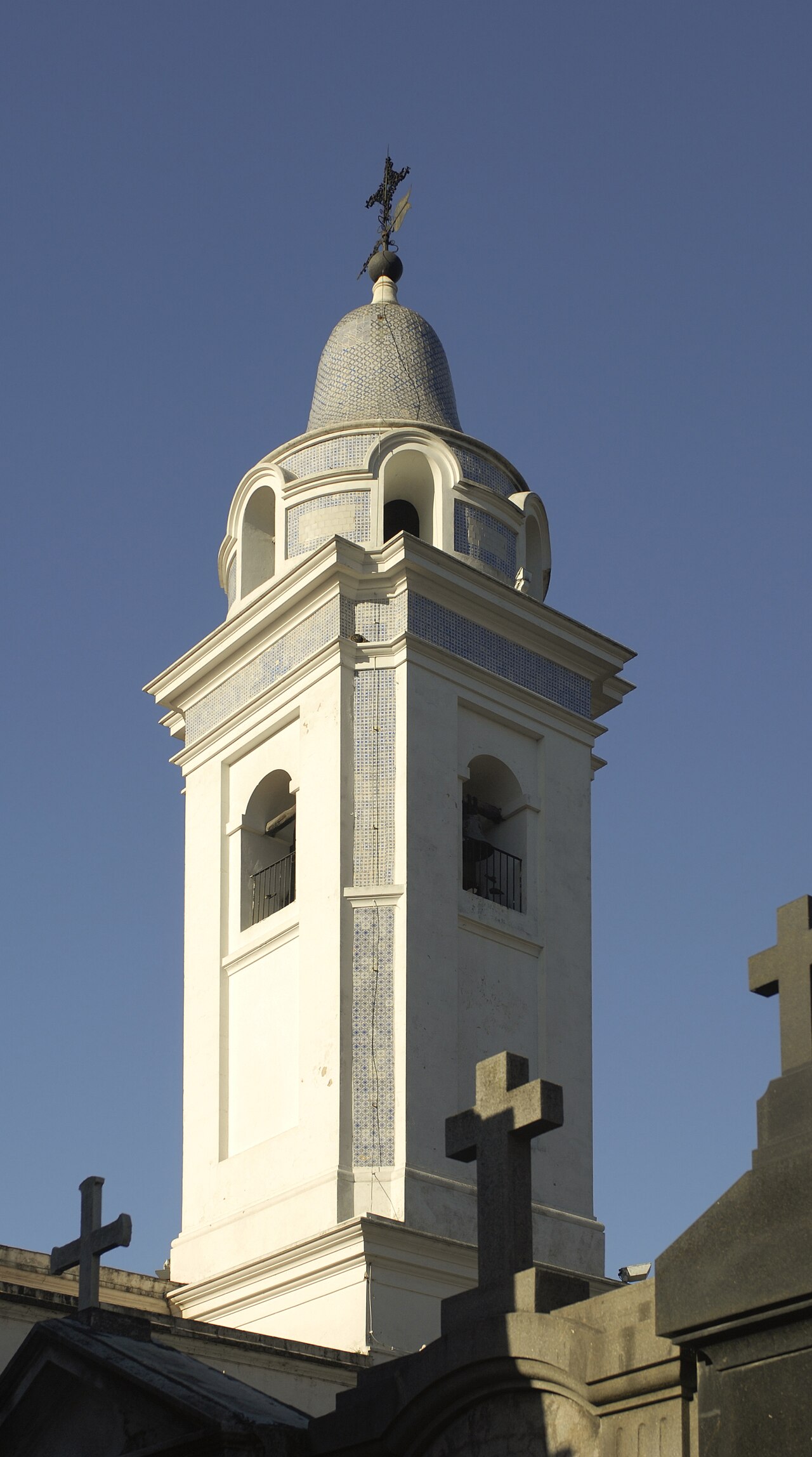
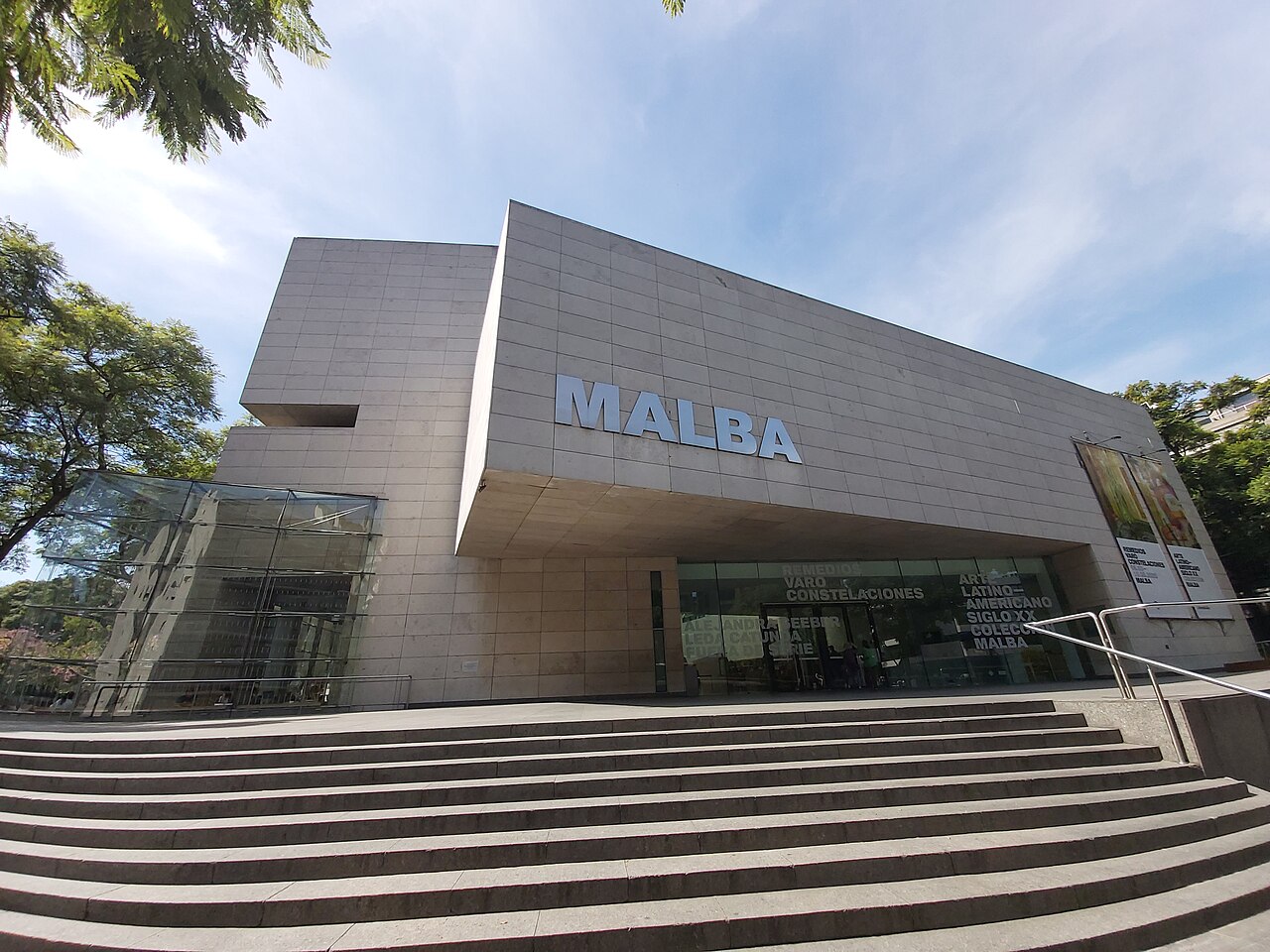
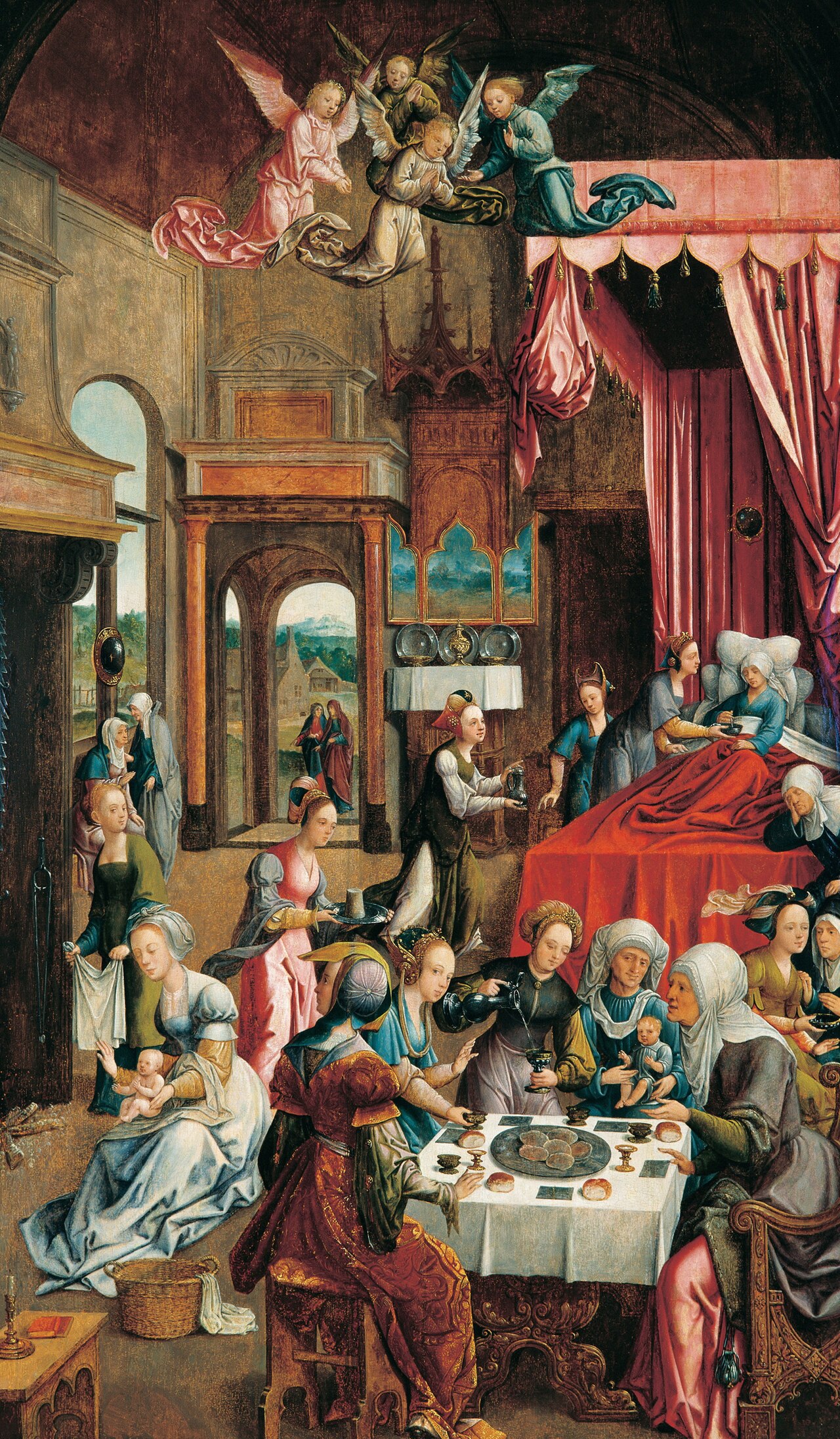
How to combine it: the Floralis sits between some of the city's best sights, so it fits easily into a Recoleta or Palermo day. Walk here from Recoleta Cemetery in about fifteen minutes, passing the Museo Nacional de Bellas Artes, which is free and directly across the avenue, and the law faculty's columned building nearby. Continue north to MALBA and the Palermo parks, or simply sit by the pool for a while as the city moves around you.
What to expect
The experience
A free twenty-metre kinetic flower sculpture in a reflecting pool, set in a park between Recoleta and Palermo.
Best time
Late afternoon and sunset for the warm light on the petals.
How long
About thirty minutes.
Tips
Check recent visitor reviews to see whether the petals are moving. Visit briefly at dusk rather than late at night. Cross Avenida Figueroa Alcorta at the lights.
Quick picks
- Best for
- Photographers and anyone walking between Recoleta and Palermo.
- Families
- A quick, free stop with lawns for running around.
- Couples
- Sunset reflections in the metal petals, then a drink in Recoleta.
- Pair with
- Recoleta Cemetery, the Museo Nacional de Bellas Artes and MALBA.
- Time needed
- Thirty minutes.
Good questions
Does the Floralis Genérica still open and close?+
It was designed to open by day and close at night, but the mechanism has stopped for long periods over the years. Check recent visitor reviews before you go.
Was it damaged?+
Yes. A storm in December 2023 broke one of the petals. The petals were restored and the last one was refitted in December 2025.
Who designed it?+
The Argentine architect Eduardo Catalano, who donated it to the city. It was unveiled in 2002.
Is it free?+
Yes. It stands in a public park, the Plaza de las Naciones Unidas, and is free to visit at any time.
Is it safe at night?+
The interior is lit red after dark, but the park empties, so a short visit at dusk is better than lingering late.