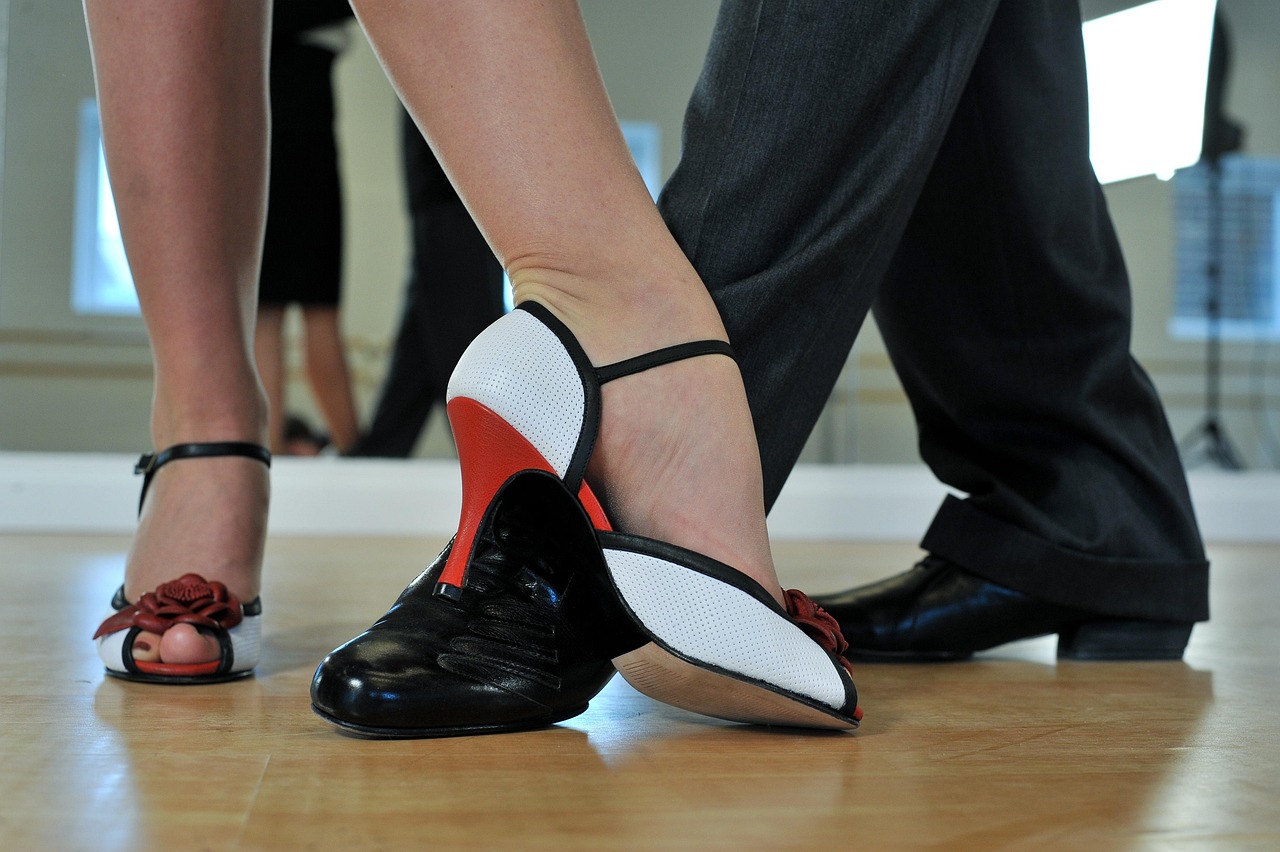
To see tango as the city lives it, skip the stage for one night and go to a milonga. A milonga is a social tango dance, held in old dance halls, neighbourhood clubs, cultural centres and even outdoor pavilions, where couples circle the floor to recorded or live music, from early evening until the small hours. Unlike a tango show, nobody is performing for an audience: the dancers are locals, from students to pensioners who have danced for half a century, alongside visitors from around the world who come to Buenos Aires specifically to dance. Milongas run every night of the week, and each has its own character. Some are formal and traditional, with strict codes and dancers in elegant clothes and polished shoes; others are relaxed and young, with no dress code and a mix of styles. Recent favourites in the city include La Viruta in Palermo, a large, sociable hall that runs late with classes for all levels before the dancing; the milongas at Club Gricel, a classic hall where La Milonga de Lucy keeps the traditional codes and Yira Yira adds a beginner-friendly class and live orchestra; Muy Martes on Avenida Callao, with classes for beginners and advanced dancers and no dress code; La Rosa at Salón El Beso, a relaxed Sunday afternoon event; and La Glorieta in Belgrano, where couples dance in an open-air bandstand in a park on weekend afternoons. Venues and nights change, so treat any list as a starting point and check current schedules before you go.
How it works: the music is played in tandas, sets of three or four songs of the same style, tango, vals or milonga, separated by a short burst of non-tango music called the cortina, when couples leave the floor. Invitations are made with the cabeceo, a glance and nod across the room, rather than by walking up to ask, which allows anyone to decline gracefully by looking away. Couples dance a whole tanda together, move counter-clockwise around the floor, and avoid cutting across or stopping in the line of dance. Watching is perfectly acceptable, and many visitors spend their first milonga at a table, taking it all in with a glass of wine.
For beginners: many milongas offer a class before the dancing starts, often for complete beginners, which is the best way to join in. The city's tourism office suggests that four or five classes are enough to learn a basic sequence, and many schools and private teachers give lessons in English. Dress smartly for the more traditional milongas, and bring shoes with a smooth sole that can pivot. Entry fees are modest, usually paid at the door in cash, and some venues serve food and drinks. Milongas start late and run very late, so plan for a late night.
Show first, then milonga: the ideal tango itinerary combines a stage show, such as Señor Tango or Café de los Angelitos, early in the trip to understand the music and its history, with a milonga later on to feel the social reality of the dance. Every August, the city's International Tango Festival and World Cup adds free shows, classes and milongas across Buenos Aires, a perfect time for tango lovers to visit.
What to expect
The experience
A social tango dance in a dance hall or club, often preceded by a beginners' class, where locals and visitors dance in tandas until late.
Best time
Late evening; Sunday afternoon and weekend outdoor milongas suit early sleepers.
How long
Three to four hours with a class.
Tips
Take the pre-milonga class. Learn the cabeceo and tanda codes. Dress smartly for traditional venues. Bring cash for entry. Check current schedules.
Quick picks
- Best for
- Tango lovers, dancers and couples who want the real thing rather than a show.
- Families
- Mostly an adult night out; afternoon and outdoor milongas are more relaxed.
- Couples
- Take a class together, then dance a tanda under the lights.
- Pair with
- A stage show at Café de los Angelitos or Señor Tango early in the trip.
- Time needed
- An evening.
Good questions
What is a milonga?+
A social tango dance where people dance with each other rather than perform. The word also names a lively style of tango music.
Can beginners go to a milonga?+
Yes. Many milongas start with a beginners' class, and watching from a table is perfectly acceptable.
What is the cabeceo?+
The traditional invitation to dance, made with a glance and nod across the room, which lets anyone decline by looking away.
What should I wear?+
Smart clothes and smooth-soled shoes for traditional venues; many modern milongas have no dress code.
When is the tango festival?+
The Buenos Aires International Tango Festival and World Cup takes place every August, with free shows, classes and milongas.