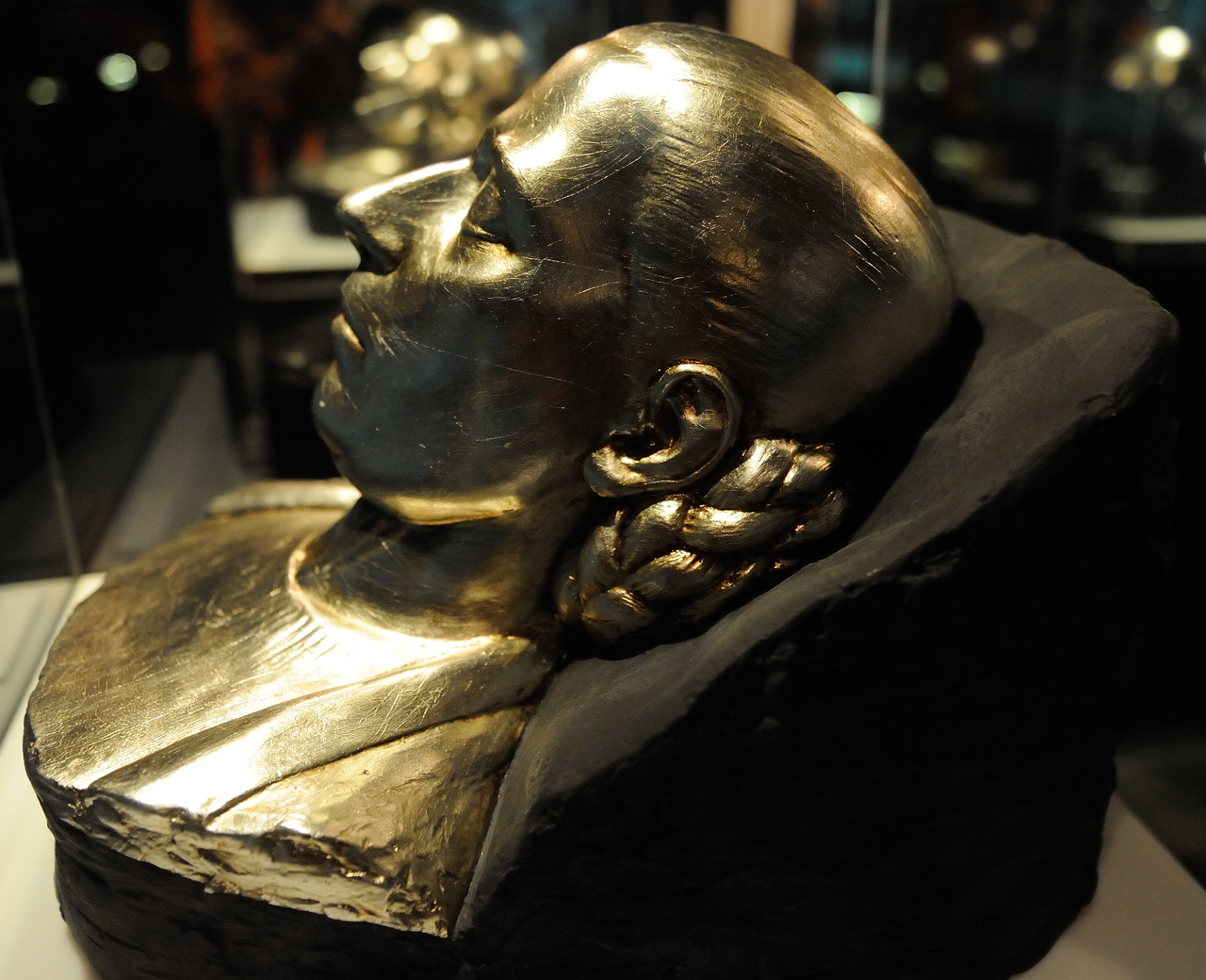
No figure in Argentine history arouses stronger feelings than Eva Perón, and the Museo Evita is the best place in Buenos Aires to understand why. The museum opened in 2002, on the fiftieth anniversary of her death, in a graceful early twentieth-century townhouse in Palermo that has its own connection to her story: in the late 1940s it became a temporary home run by the Eva Perón Foundation, sheltering women and children who had arrived in the capital with nowhere to go. The collection follows her extraordinary life in a series of rooms. It begins with her childhood in poverty in the small town of Los Toldos and Junín, moves to her years as a young actress in radio and film in Buenos Aires, and then to her meeting with Juan Domingo Perón and her rise to become the most powerful woman in the country. Here you will find the famous wardrobe, including the dresses and suits she wore on state occasions and on her 1947 European tour, along with hats, shoes and accessories, displayed alongside the plain clothes of her early life to show how carefully she shaped her image. Other rooms cover her political work: the foundation that built hospitals, schools and homes, her campaign for women's suffrage, achieved in 1947, and her role in the Peronist movement. The final rooms deal with her illness and death from cancer in 1952 at the age of thirty-three, the enormous public mourning, and the long and strange odyssey of her embalmed body before it was finally buried in the Duarte family vault in Recoleta Cemetery. Film clips and recordings of her speeches bring her voice into the house.
Visiting well: the museum is open from Tuesday to Sunday through the late morning and afternoon and closed on Mondays, with a modest admission fee; check the current hours before you go, as they can change on holidays. Allow an hour and a half to take it in properly, and longer if you watch the film and newsreel clips. Most labels are in Spanish, with English information available, and a guided visit or audio material adds a great deal, because the political context matters. The museum is respectful and admiring in tone, which is worth bearing in mind: Evita remains a divisive figure, and the museum presents her through the eyes of those who loved her rather than her critics.
The café: the museum's restaurant and café, with tables in the leafy patio and on the terrace of the old house, is one of the most pleasant in Palermo, and a good place to digest what you have seen over coffee, cake or a light lunch. It is popular, so arrive outside peak lunch hours if you want a patio table.
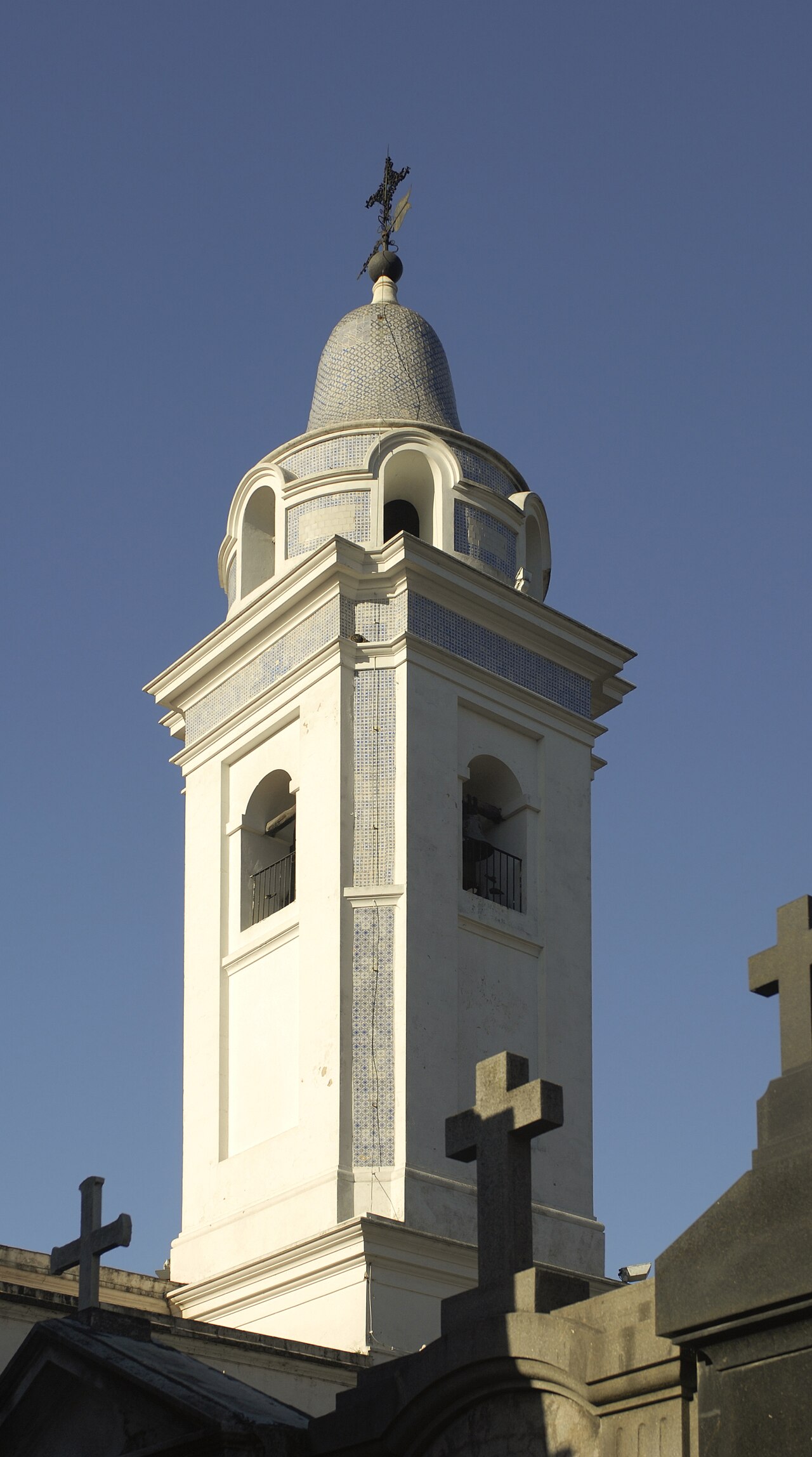
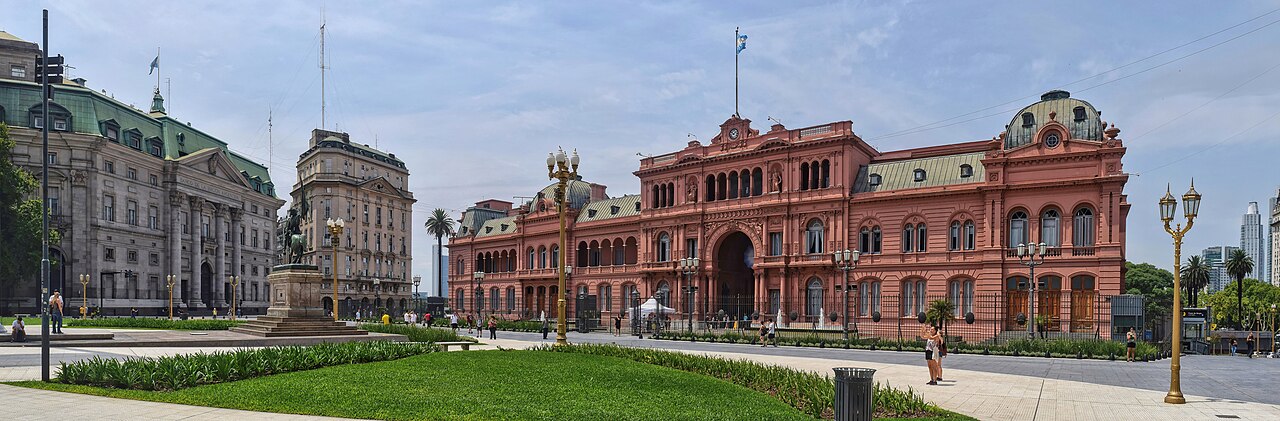
How to combine it: the museum is on Calle Lafinur, a quiet residential street a short walk from the Palermo parks, the Botanical Garden and the Plaza Italia area, and a short taxi ride from MALBA, so it fits naturally into a Palermo day. To follow Evita's story across the city, visit her tomb in Recoleta Cemetery and see the Casa Rosada balcony on the Plaza de Mayo where she addressed the crowds. Together they make one of the most compelling historical threads a visitor can follow in Buenos Aires, and the museum is where it makes sense.
What to expect
The experience
A biographical museum in a Palermo townhouse covering Eva Perón's life, wardrobe, political work and death, with film clips and a patio café.
Best time
Late morning on a weekday, followed by lunch in the patio.
How long
About ninety minutes, plus time in the café.
Tips
Closed Mondays. Modest admission fee. The tone is admiring, so read around the subject for balance. Arrive outside peak lunch for a patio table.
Quick picks
- Best for
- History lovers and anyone curious about Evita beyond the musical.
- Families
- Best for teenagers interested in history; younger children may lose interest quickly.
- Couples
- A thoughtful morning and a lovely patio lunch in a quiet corner of Palermo.
- Pair with
- Recoleta Cemetery for her tomb, the Casa Rosada balcony and the Palermo parks.
- Time needed
- Ninety minutes to two hours with the café.
Good questions
When is the Museo Evita open?+
Tuesday to Sunday from late morning to early evening, closed on Mondays. Check before visiting on public holidays.
Is the museum in English?+
Most labels are in Spanish, with English information available. A guided visit or audio material helps with the political context.
Can I see Evita's dresses?+
Yes. Her wardrobe, including state-occasion dresses and suits, is one of the highlights, displayed alongside the simpler clothes of her early life.
Is the museum balanced?+
It presents Evita sympathetically. She remains divisive in Argentina, so it is worth reading other perspectives as well.
Where is Evita buried?+
In the Duarte family vault in Recoleta Cemetery, which makes a natural second stop.