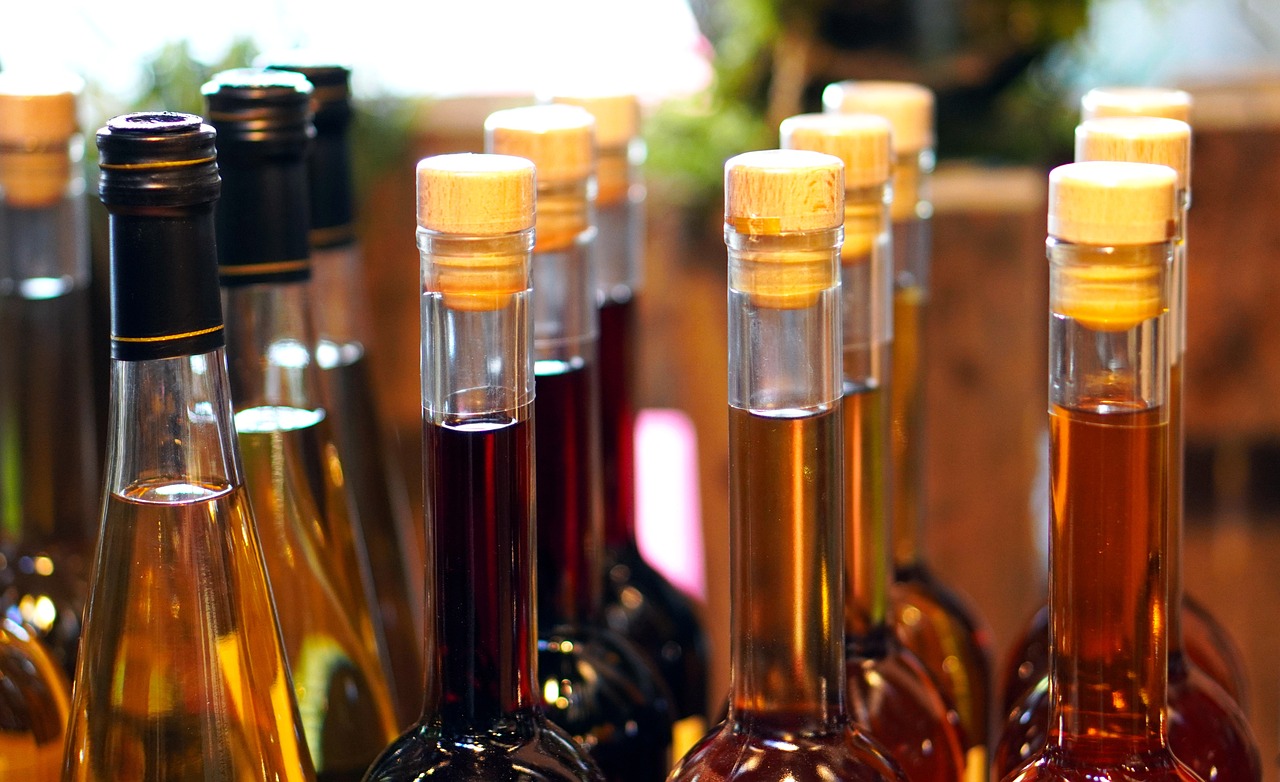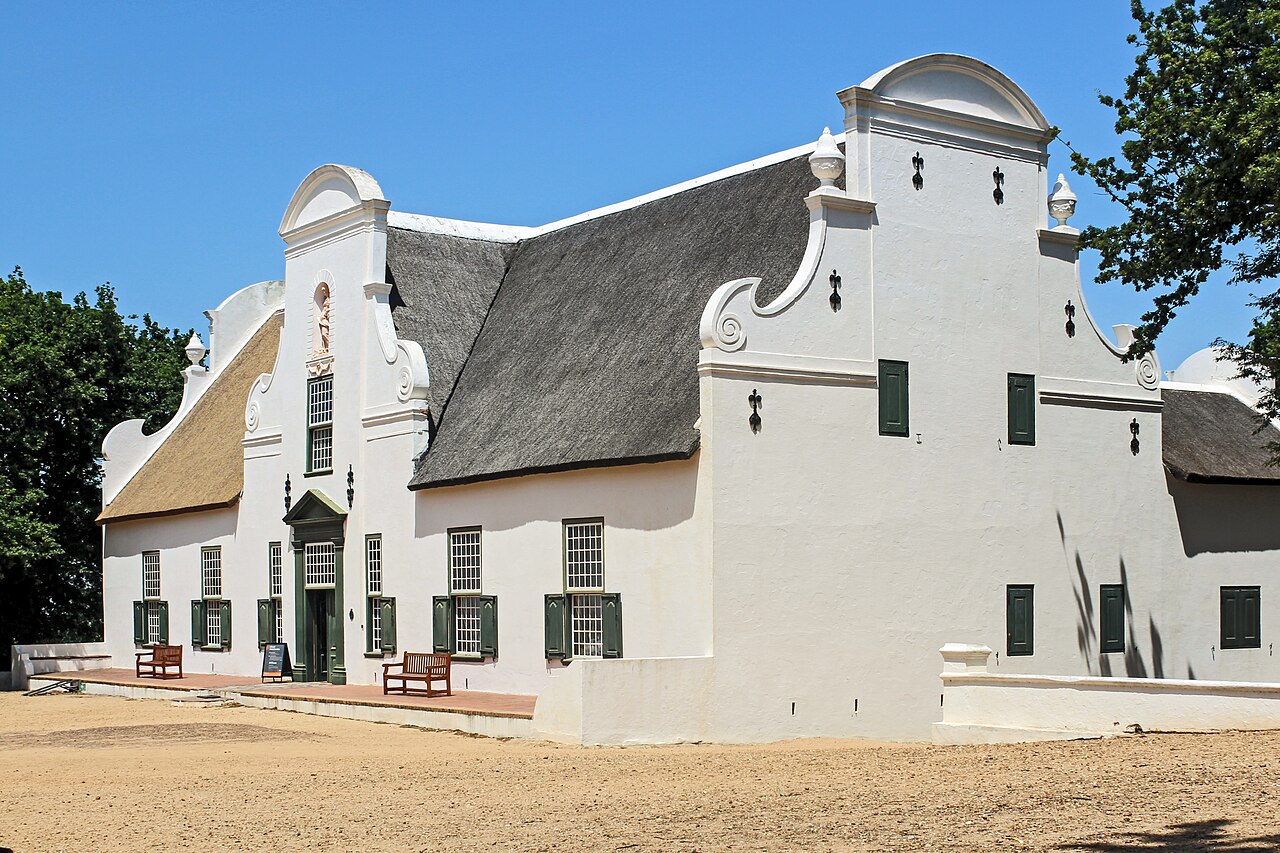
Groot Constantia is where South African wine began, and it is the one estate worth visiting even if you never make it out to Stellenbosch or Franschhoek. Simon van der Stel, the Dutch East India Company governor of the Cape, was granted the land in 1685 and planted vines in the Constantia valley, a sheltered bowl on the eastern side of the Table Mountain range that catches cool air off False Bay. In the eighteenth and nineteenth centuries the sweet wines of Constantia became famous across Europe, ordered by royal courts, mentioned in Jane Austen's Sense and Sensibility and shipped to Napoleon in exile on St Helena. The estate is now run by a non-profit trust, and the result is an unusual mix of working winery and heritage site. The gabled, whitewashed manor house, one of the finest examples of Cape Dutch architecture, is furnished as a period house museum managed by Iziko Museums. Behind it stands the Cloete Cellar, with its sculpted pediment, and the estate now acknowledges the enslaved people whose labour built the farm, a part of the story that every visit should include. Down the slope, the modern cellar runs tastings of the current range, from crisp Sauvignon Blanc and Chardonnay to Bordeaux-style reds and the estate's own revival of the old Constantia dessert wine, and cellar tours explain how the wine is made. Two restaurants on the grounds serve long lunches under the oaks, and the lawns and vineyards, with the Constantiaberg rising behind, make it a lovely place simply to walk. It is only about twenty-five minutes from the city centre, so it fits easily into a half day or slots in on the way to Kirstenbosch or the Cape Peninsula. Booking through Tiqets gives you a guided visit; tastings and food are paid for separately on site.
How to plan the visit: start with the manor house and the Cloete Cellar, which are the heart of the estate's history and take about an hour, then move down to the tasting room. The tasting options change with the vintage, so ask what is open that day; a standard tasting covers five or so wines, and the cellar tour, when running, adds context on the vineyards and the winemaking. Book a table if you want lunch on a weekend or in December and January, when the estate is busy with both visitors and Capetonians. Mornings are quietest, and the light on the gables is best in the late afternoon. The estate is open daily, typically from mid-morning to late afternoon; confirm the current hours before you go.
The Constantia valley: Groot Constantia is the anchor of the Constantia Wine Route, a cluster of estates within a few minutes of each other, including Klein Constantia (the maker of today's Vin de Constance), Steenberg, Buitenverwachting and Constantia Glen. Two or three estates make a perfect afternoon, but do not drive yourself if you plan to taste properly; South Africa's drink-driving limits are strict and enforced, and ride-hailing apps work well in the valley. Kirstenbosch is ten minutes away, which makes a garden morning and a wine afternoon the classic pairing.
Who it suits: first-time visitors who want a taste of the Winelands without a full-day tour, couples, and history lovers. Families are welcome, as there is plenty of space to run around and the manor house is short and interesting. Serious wine travellers will want Stellenbosch and Franschhoek too, but Groot Constantia is where the story of Cape wine starts, and it is the most convenient estate to Cape Town.
What to expect
The experience
A historic wine estate with a Cape Dutch manor house museum, the Cloete Cellar history displays, a tasting room, cellar tours and two restaurants among the vineyards.
Best time
Weekday mornings are quietest. Late afternoon gives the best light on the gables. Book lunch ahead on summer weekends.
How long
Two hours for the history and a tasting; half a day with lunch.
Tips
See the manor house and Cloete Cellar first, then taste. Do not drive if you are tasting at several estates; use a ride-hailing app or a tour. Combine with Kirstenbosch, ten minutes away.
Quick picks
- Best for
- A Winelands taste close to the city, with real history attached.
- Families
- Good: open lawns, a short house museum and space to roam.
- Couples
- A long lunch under the oaks after a tasting with a mountain view.
- Pair with
- Kirstenbosch in the morning, or neighbouring Constantia estates in the afternoon.
- Time needed
- Two hours to half a day.
Good questions
How far is Groot Constantia from Cape Town?+
About twenty-five minutes by car from the city centre, on the eastern side of the Table Mountain range. It is the most convenient wine estate to Cape Town and ten minutes from Kirstenbosch.
Is Groot Constantia the oldest wine estate in South Africa?+
Yes. Governor Simon van der Stel was granted the land in 1685, and Constantia wines were famous in Europe in the eighteenth and nineteenth centuries. The estate is now run by a non-profit trust.
What does the ticket include?+
The Tiqets booking covers a guided visit of the estate. Wine tastings, cellar tours and meals are priced separately on site, and options change with the season, so check what is running on the day.
Can I visit other wineries nearby?+
Yes. Groot Constantia anchors the Constantia Wine Route, with Klein Constantia, Steenberg, Buitenverwachting and Constantia Glen a few minutes away. Two or three estates make an easy afternoon if someone else is driving.
Is it worth it if I am also going to Stellenbosch?+
Yes, for different reasons. Groot Constantia is about history and convenience; Stellenbosch and Franschhoek are about scale and scenery. Groot Constantia works as a half day from the city when you do not have a full day to spare.