Glasgow surprises first-time visitors. It is bigger, friendlier and far better value than many expect, its Victorian city centre is one of the grandest in Britain, and its best museums are free. It also rewards a little planning, because the sights are spread between the old town in the east, the river, and the West End, and because November days are short and the weather changes fast. Here is what first-timers most often wish they had known.
What to book ahead
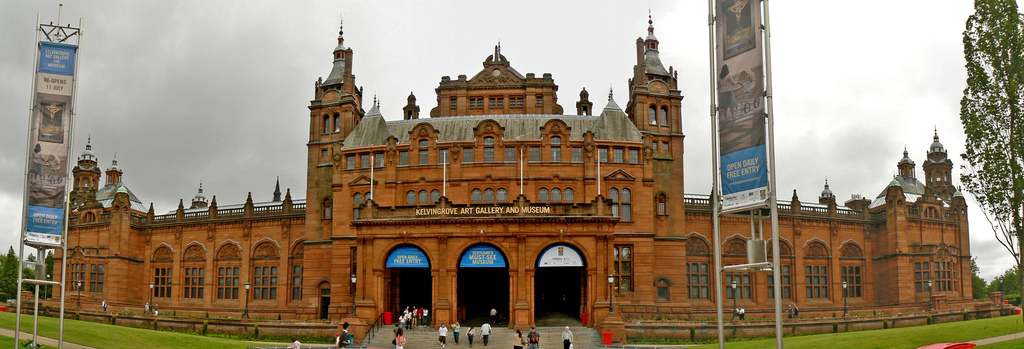
Very little in Glasgow needs advance booking, which is part of its charm. Kelvingrove, the Riverside Museum and the Burrell Collection are free drop-in museums, and the Botanic Gardens and the Necropolis are free and open to all. The things worth booking are the timed and guided experiences: the Clydeside Distillery tour, which sells out at weekends and around big concerts at the Hydro next door; afternoon tea at Mackintosh at the Willow; the 2pm street art tour; and, above all, any Highland day trip, such as the small-group Loch Ness, Glencoe and Highlands tour, which leaves Buchanan Bus Station at 7.45am and cannot be refunded or rescheduled. At Glasgow Cathedral you can book a free entry slot and an audio guide, useful at weekends.
Getting around
The city centre is a compact, hilly grid that is easy to walk. For longer hops, the Subway, a single circular line opened in 1896 and fondly nicknamed the Clockwork Orange, links the centre to the West End, Govan for the Riverside Museum, and Kelvinhall for Kelvingrove. Local trains from Central Station reach Pollokshaws West for the Burrell in about ten minutes. The hop-on hop-off bus joins Cathedral Square, the Riverside Museum and Kelvingrove on one loop; in winter it runs roughly every thirty minutes from about 10am to 4pm. Taxis are plentiful and fairly priced. Do not bother with a car in the centre, where parking is expensive and limited.
How many days?
Two full days cover the essentials of the city; three let you add a Highland day trip; four allow a slower pace, a day in Edinburgh by train, or both. A good plan for two days puts the old town and the centre on day one and the West End and the river on day two.
Day one: the old town and the city centre
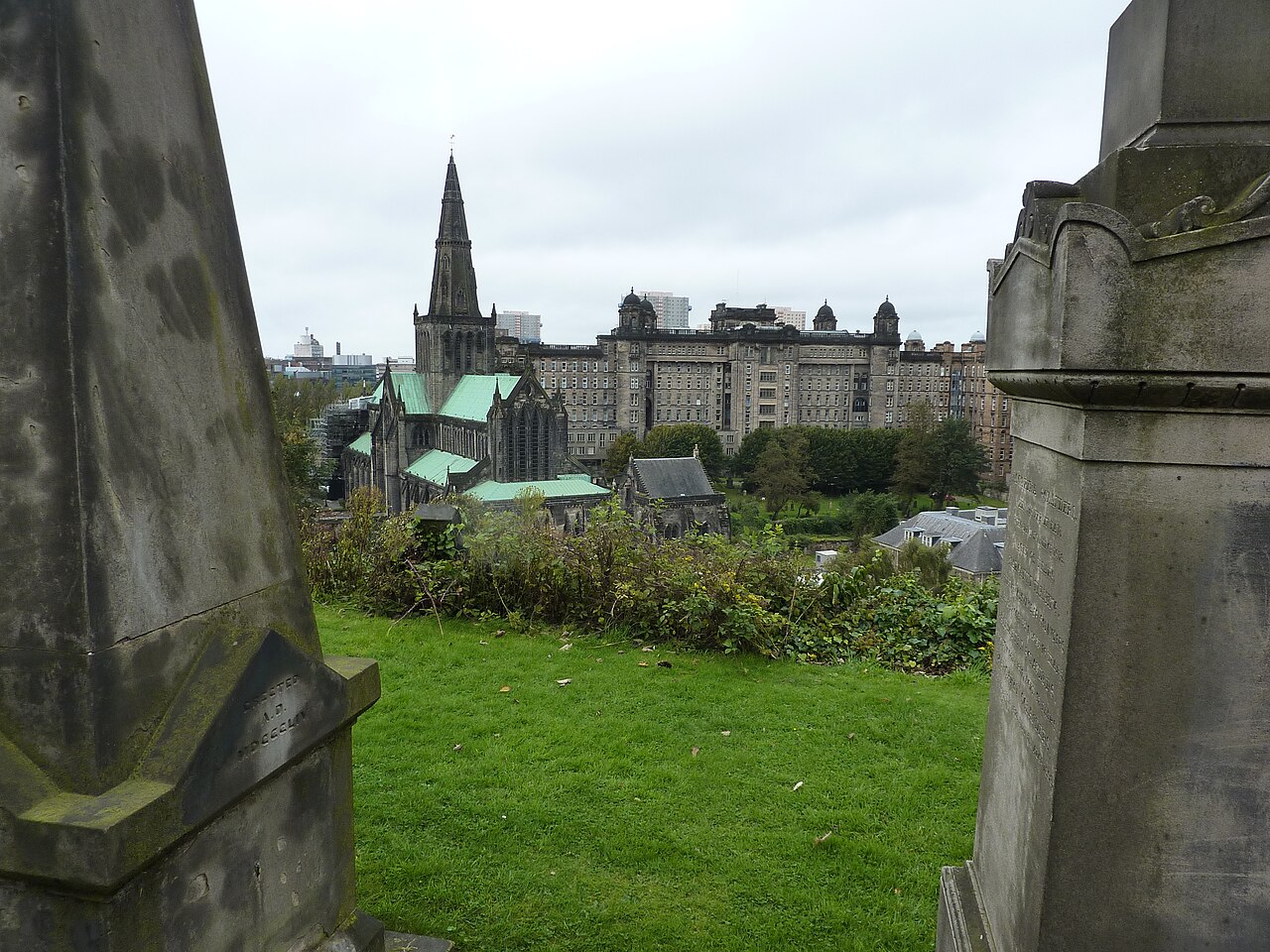
Start at Glasgow Cathedral when it opens, go down to St Mungo's tomb in the lower church, then climb the Necropolis for the view. Walk down High Street past the St Mungo murals into the Merchant City for lunch. In the afternoon, join the street art tour at 2pm on Mitchell Street, then walk up to Sauchiehall Street for tea at Mackintosh at the Willow before the tea rooms close at 5pm. In November, the cathedral closes early on Saturday 7 November and the quire on several other dates, so check before you set out.
Day two: the West End and the river
Spend the morning at Kelvingrove, timed for the free organ recital, then walk through the park and past the university to lunch on Byres Road or in Ashton Lane. Visit the Botanic Gardens before the glasshouses close at about 4.15pm in winter, or head down to the river for the Riverside Museum and the Tall Ship. Finish with the Clydeside Distillery tour and dinner in Finnieston, the city's favourite food strip.
Day three and beyond
Take the Loch Ness and Glencoe tour for the Highlands, or a gentler day at the Burrell Collection and Pollok Country Park. Loch Lomond is an easy train ride to Balloch for a shorter taste of lochs and hills.
Good to know
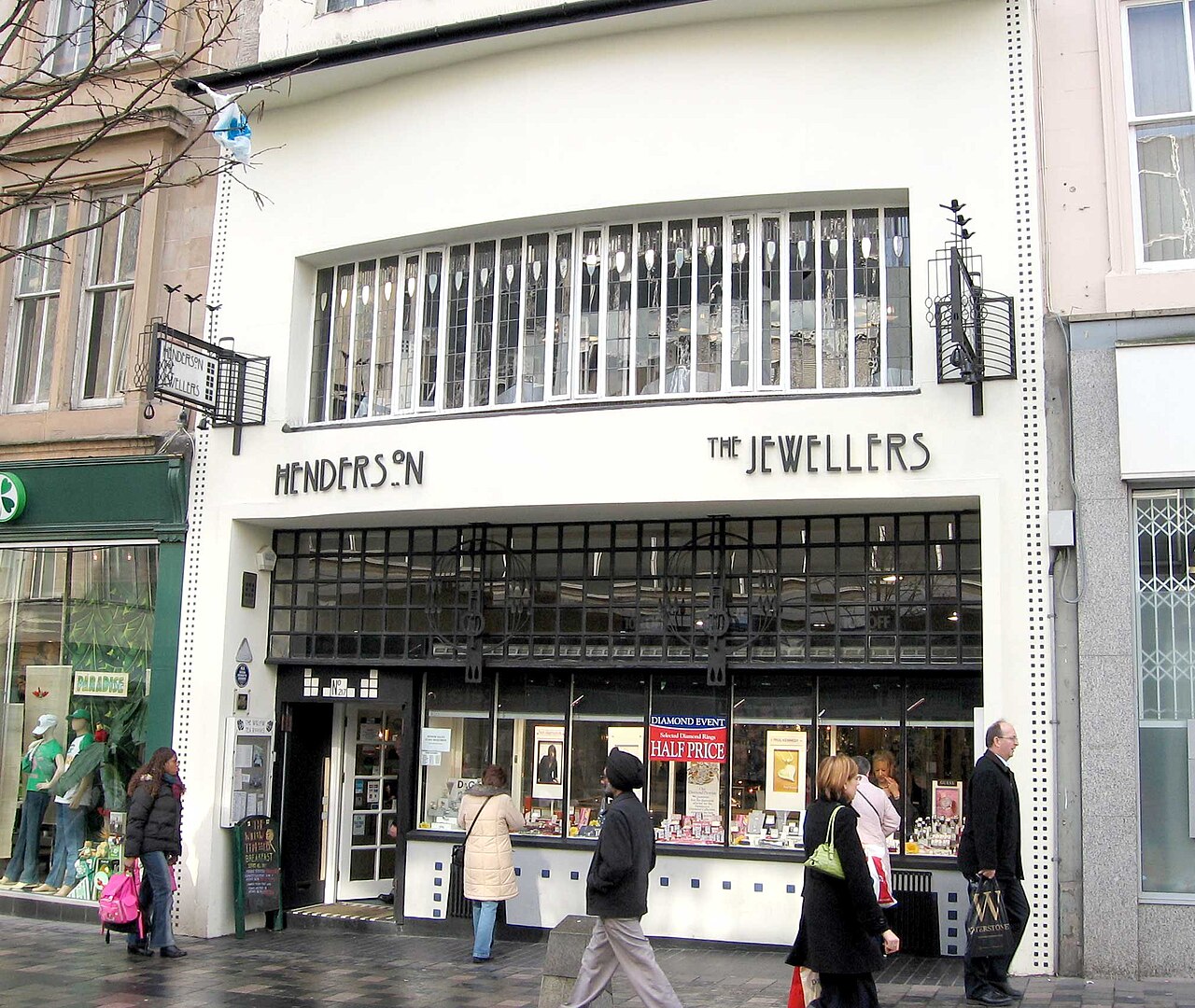
Glasgow now charges a 5 percent visitor levy on many overnight stays, added by your hotel. The Glasgow School of Art's Mackintosh Building is a fire-damaged shell with no visitor access, so experience Mackintosh at the Willow and in the Kelvingrove gallery instead. Pack a waterproof and layers in any season, and expect it to be dark by late afternoon in November and December. Above all, talk to people: Glaswegians are famously chatty, and the best tips come from the person next to you at the bar.