Granada is one of the great cities of Spain, and it is easier to visit than its reputation for sold-out tickets suggests, as long as you plan one thing properly: the Alhambra. Get that right, and the rest of the city, from the Albaicín lanes to the flamenco caves, falls into place around it. Here is how to plan a first trip.
Book the Alhambra first
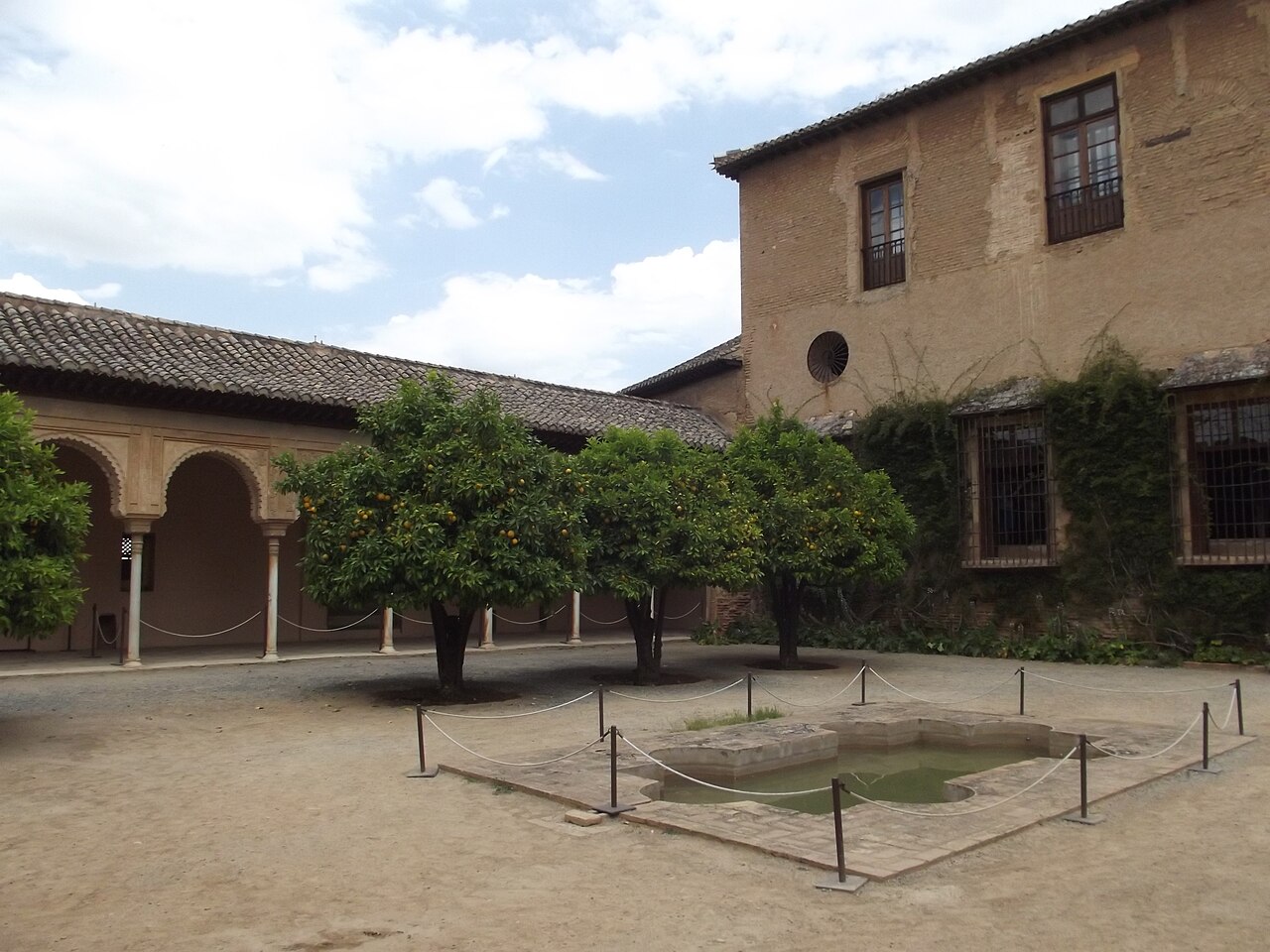
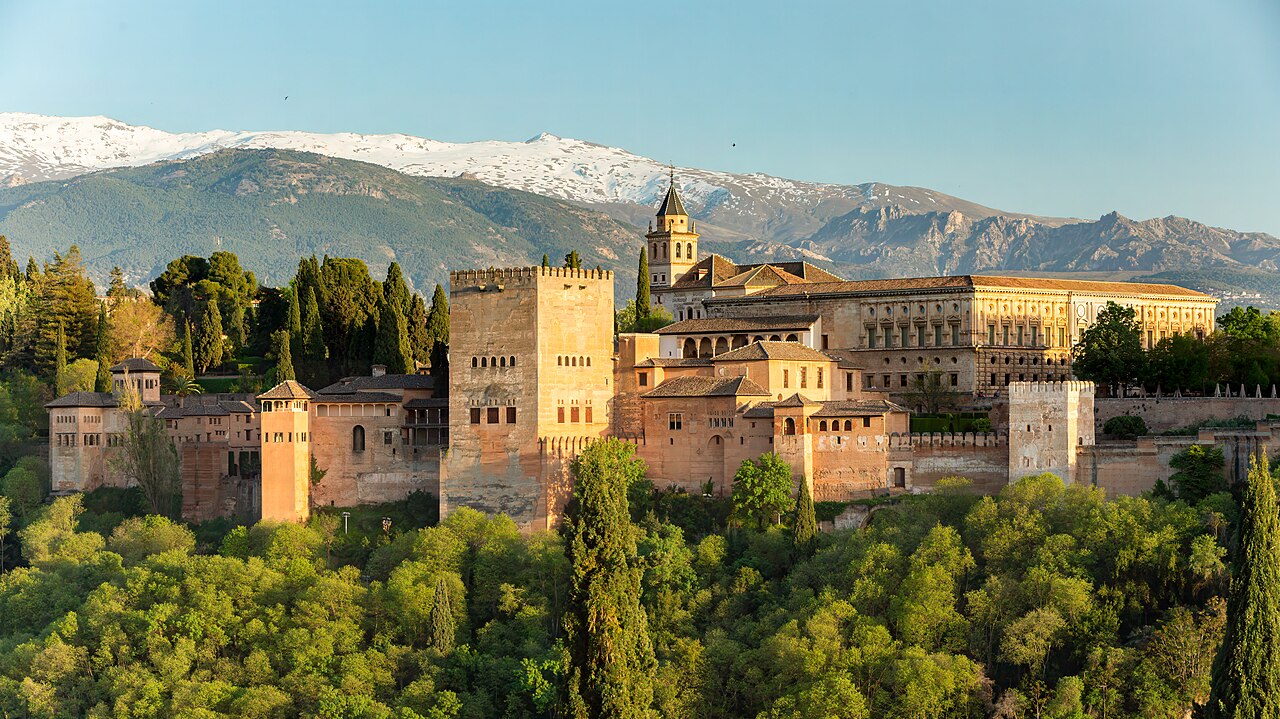
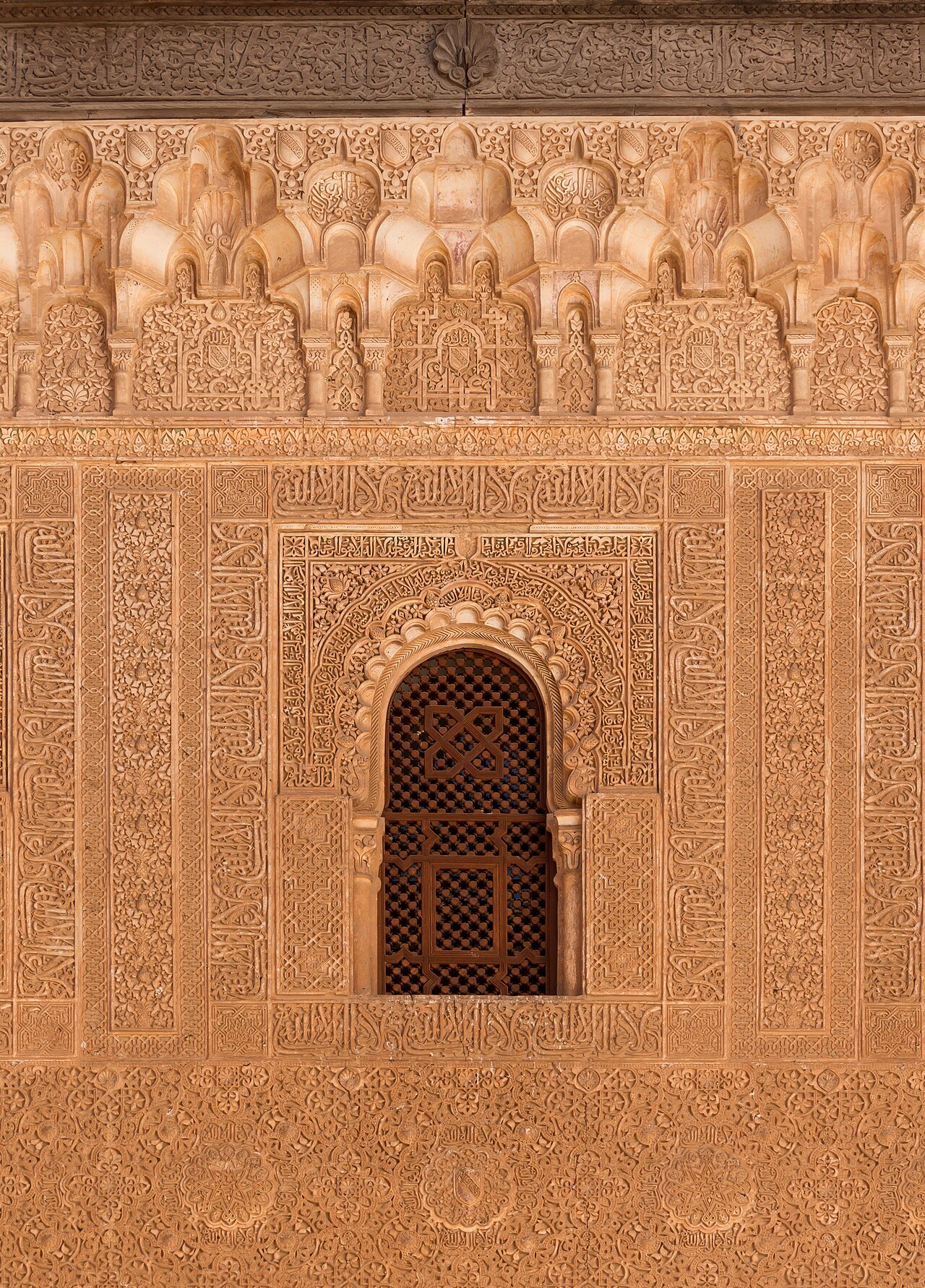
Everything starts here. The General ticket covers the Nasrid Palaces, the Alcazaba, the Partal and the Generalife gardens, but the palaces can only be entered at the half-hour slot printed on your ticket, and late arrivals are turned away. Tickets are released about three months ahead and the best slots sell out, in peak seasons weeks in advance. Buy as soon as your dates are fixed, choose a slot that leaves time to walk from the entrance, and carry the original passport or ID card named on each ticket, since tickets are nominal and checked. If the official allocation is gone, Tiqets and other resellers hold tickets bundled with audio guides or guided tours, and the night visit to the Nasrid Palaces is a separate way in.
What else to book ahead
A cave flamenco show in the Sacromonte is best reserved for the evening you want, especially at weekends. Evening sessions at the Hammam Al Ándalus fill quickly, so book those a few days ahead. Guided walks of the Albaicín and day trips to the Sierra Nevada can usually be booked a day or two before, but check cancellation terms, since several Granada tours are non-refundable. Popular sunset terraces facing the Alhambra take reservations, and it is worth making one.
How many days
Two full days cover the essentials: the Alhambra on one, and the Albaicín, the cathedral and Royal Chapel and a flamenco evening on the other. Three days is the sweet spot, adding time to wander, a night visit to the palaces or the hammam, and a slower pace in a hilly city. With four days or more, add a day in the Sierra Nevada or the Alpujarras villages on its southern slopes.
Getting around
The flat centre around the cathedral, Plaza Nueva and the Gran Vía is easy on foot. The hills are another matter. Small minibuses run from Plaza Nueva and Plaza Isabel la Católica up to the Alhambra and through the Albaicín and Sacromonte, and taxis are inexpensive and plentiful. Walking up to the Alhambra from Plaza Nueva via the Cuesta de Gomérez takes about twenty to thirty minutes, and it is a beautiful route through the woods. Do not drive in the old town: the Albaicín and centre have restricted access zones, and fines are automatic. Granada is linked to Madrid by high-speed train and has a small airport a short drive from the city.
Day one: the Alhambra
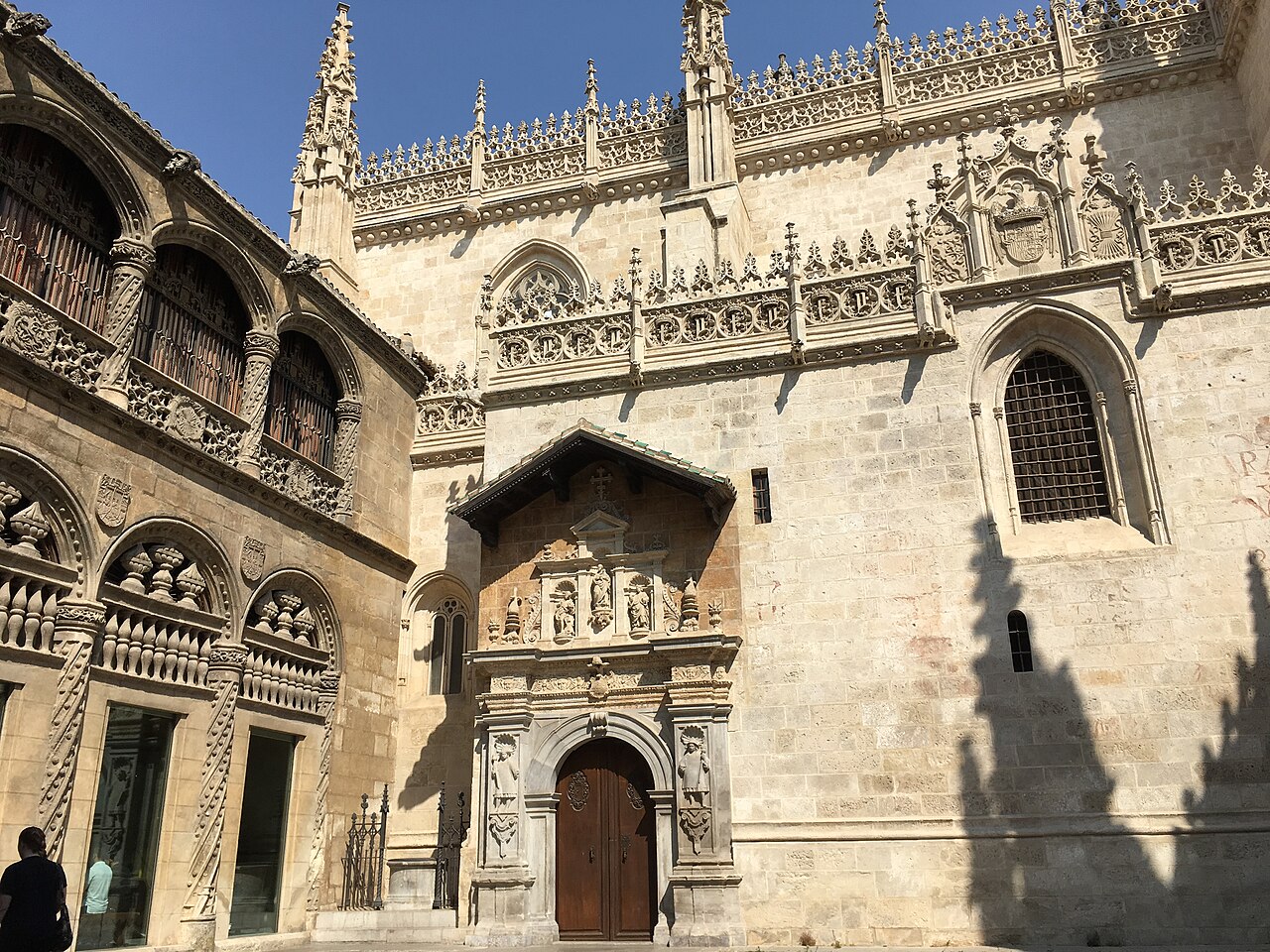
Take a morning Nasrid Palaces slot, with a guided tour if you want the history explained. See the Alcazaba and the Generalife either side of your slot, then walk down through the woods for a late lunch. In the late afternoon, visit the cathedral and the Royal Chapel, where Ferdinand and Isabella are buried, and finish with tapas around Plaza Nueva.
Day two: the Albaicín and the Sacromonte
Join a guided walk through the Albaicín, or explore on your own, climbing to the Mirador de San Nicolás for the view across to the Alhambra. Have lunch in Plaza Larga, rest in the afternoon, then return to San Nicolás for sunset before walking along to the Sacromonte for a cave flamenco show.
Day three: slow Granada
Stroll the Carrera del Darro and the Paseo de los Tristes, spend a couple of hours in the Hammam Al Ándalus, or book the night visit to the Nasrid Palaces to see them lit up. With an extra day, head into the Sierra Nevada.
Seasons
Spring and autumn are ideal, mild and bright, but also the busiest for the Alhambra. Summer is very hot, so plan sightseeing for mornings and evenings. Winter is cool and often sunny, with snow on the mountains, shorter Alhambra hours and the quietest crowds, a fine time for a visit if you pack a warm layer for the evenings.
Eating and money
Granada is famous for its free tapas: in many bars a small plate comes with each drink, and a few rounds make a meal. Spain uses the euro, cards are widely accepted, and tipping is modest, with rounding up the norm for good service.