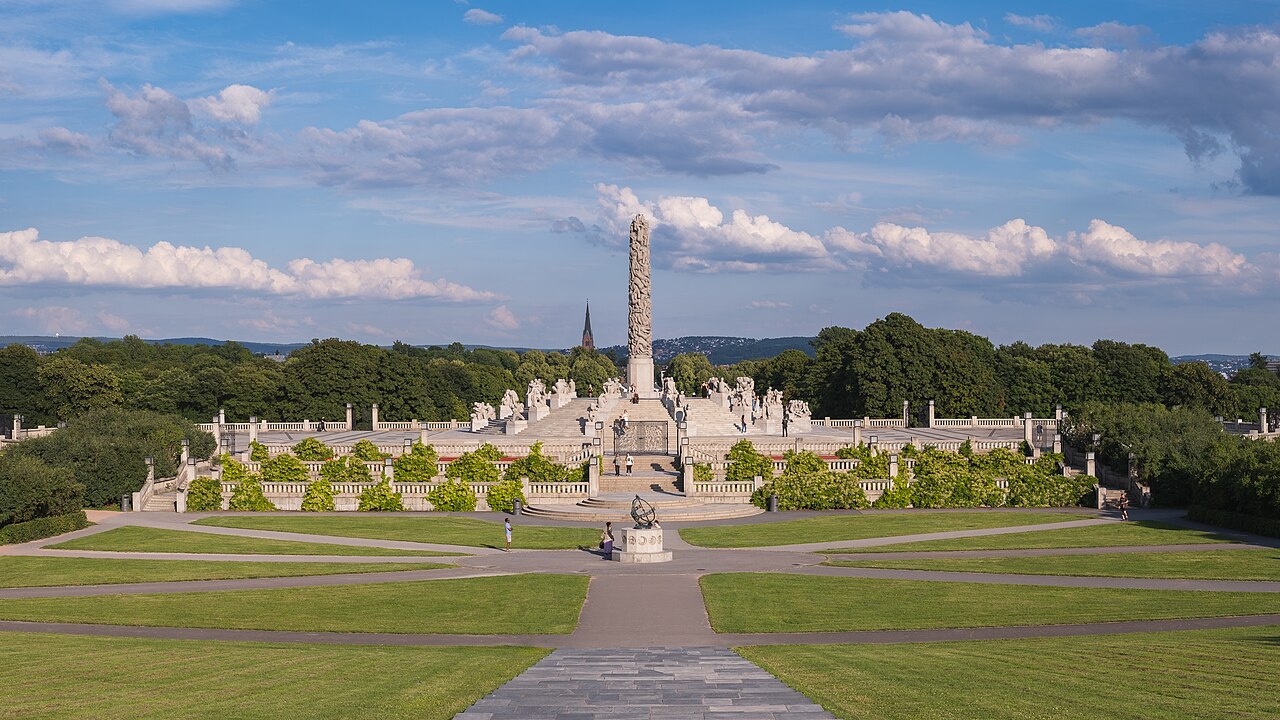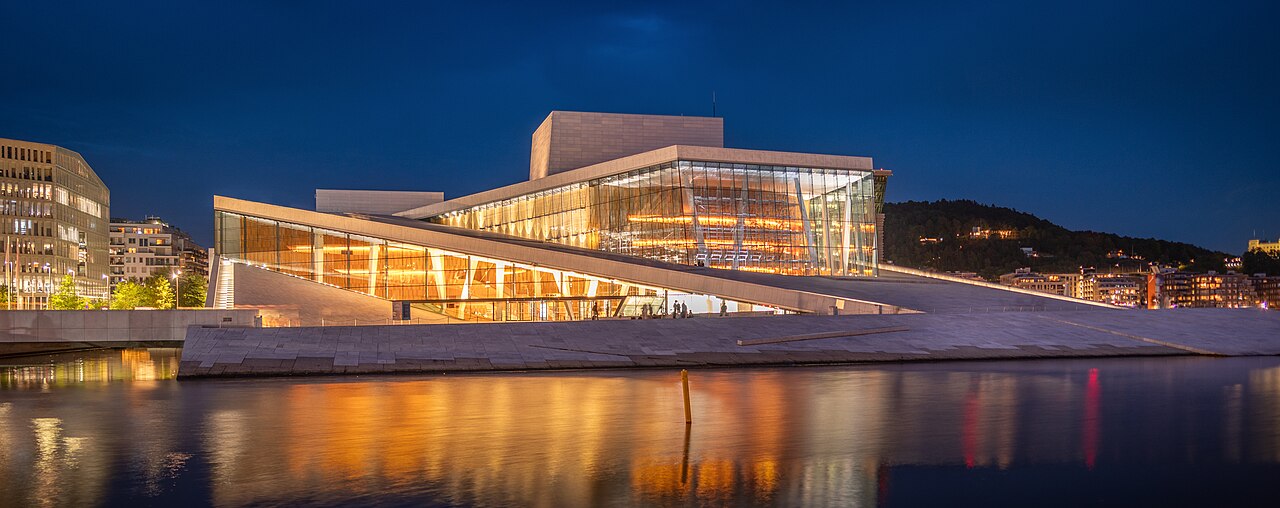
Oslo is compact at its core and spread out at its edges. The centre, from Oslo Central Station along Karl Johans gate to the Royal Palace, holds the shops, the Parliament and the National Theatre. The harbour front, from the Opera House and MUNCH in Bjørvika past Akershus Fortress to City Hall and Aker Brygge, holds most of the big sights. Further out are Vigeland Park in the west, the museum peninsula of Bygdøy across the harbour, and Holmenkollen on the hill above the city. Organise your days by area and the city is easy.
What to book ahead
MUNCH sells timed tickets, and the popular slots go first, so book yours once your dates are set. The Opera House roof is free, but the English guided tour runs only at weekends and goes on sale on the Tuesday of the same week. The National Museum recommends buying online. The Nobel Peace Center, The Viking Planet and the fjord cruise are simple to book a day or two ahead. If you plan several museums in a short stay, look at the Oslo Pass first, because it may cover most of them and your transport; note that pass holders collect MUNCH tickets on site.
How to get around
Walk where you can: the harbour promenade links the Opera House, the fortress and City Hall in under half an hour. For longer hops, the Ruter network of metro, trams, buses and local ferries uses one ticket system, bought in the Ruter app or covered by the Oslo Pass. Tram 12 runs to Vigeland Park, metro line 1 climbs to Holmenkollen, and bus 30 runs to Bygdøy all year, with a ferry from the City Hall pier in the warmer months. From Gardermoen airport, the express train and regional trains reach the centre in around twenty minutes. Norway is almost cashless, so carry a card.
How many days
Three days is the sweet spot. Day one: the harbour front, with the Opera House roof, MUNCH, Akershus Fortress and the Nobel Peace Center. Day two: the National Museum in the morning, Vigeland Park in the afternoon and dinner in Grünerløkka. Day three: Bygdøy for the Fram and the Norwegian Folk Museum, or a fjord cruise and Holmenkollen. With two days, take the Oslo Discovery Tour on one, which covers Holmenkollen, Vigeland and two Bygdøy museums, and spend the other on the harbour front. With four or five, add a longer fjord trip or a day in the forest hills.
When to go
Summer has long light, swimming in the fjord and the full ferry timetable. Autumn and winter are darker and quieter, and in November and December daylight is short, so plan outdoor sights for the middle of the day and museums for the afternoon. December brings the Nobel Peace Prize ceremony, Christmas markets and snow on the hills. Spring is fresh and often cheaper.
What has changed
The Viking Ship Museum on Bygdøy is closed while it is rebuilt as the Museum of the Viking Age, and it is not expected back before 2027. For Vikings in the meantime, The Viking Planet by City Hall offers a digital experience, and the Bygdøy museums dedicated to the Fram and Kon-Tiki expeditions remain open.
Money and habits
Oslo is expensive, so lunch is the meal to eat out, and a visit to the Mathallen food hall is good value. Many museums close one day a week, usually Monday, and the Nobel Peace Center does too, so check before you plan. Tipping is modest, simply rounding up for good service.
Where the headline sights fit
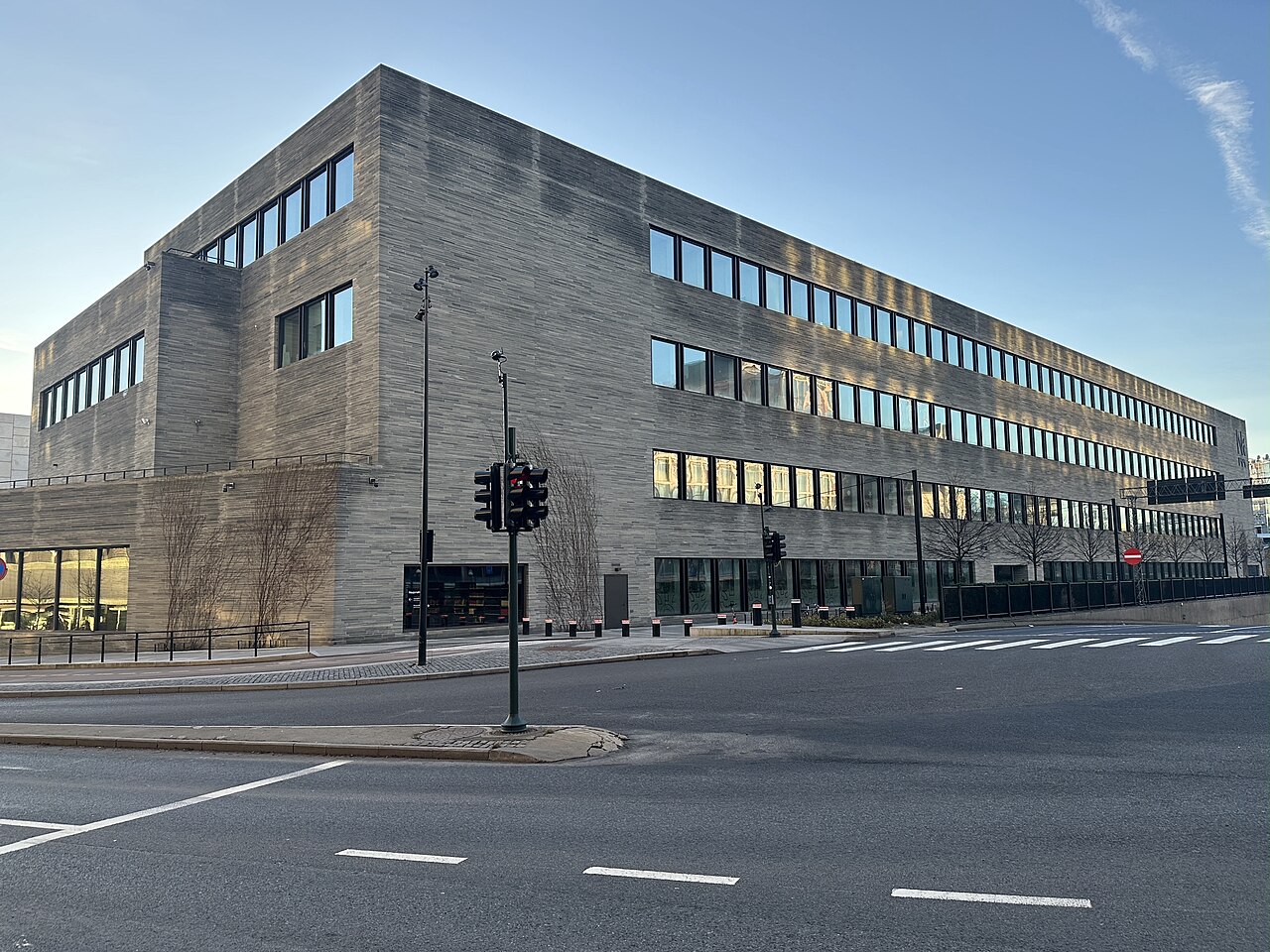
MUNCH and the National Museum are the art essentials, one for the painter's own estate and one for the 1893 Scream. The Opera House roof is the free must-do, and Vigeland Park the one sight nobody forgets. Akershus and the Nobel Peace Center tell the country's story, and a cruise shows you that Oslo is really a fjord city.
Where to stay for this plan
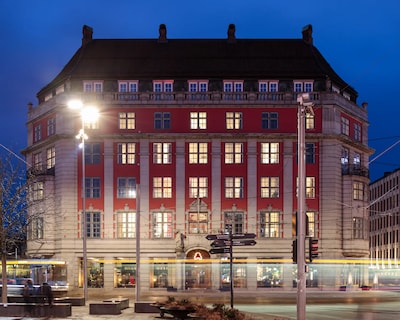
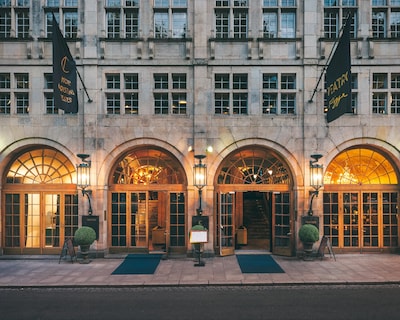
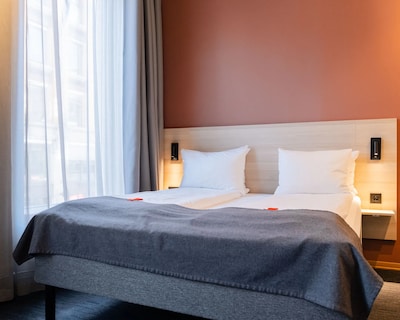
Stay near the station for transport, around Karl Johan for the classic centre, on the waterfront for a splurge, or in Grünerløkka for neighbourhood life. Our where-to-stay guide matches each area to a hotel.