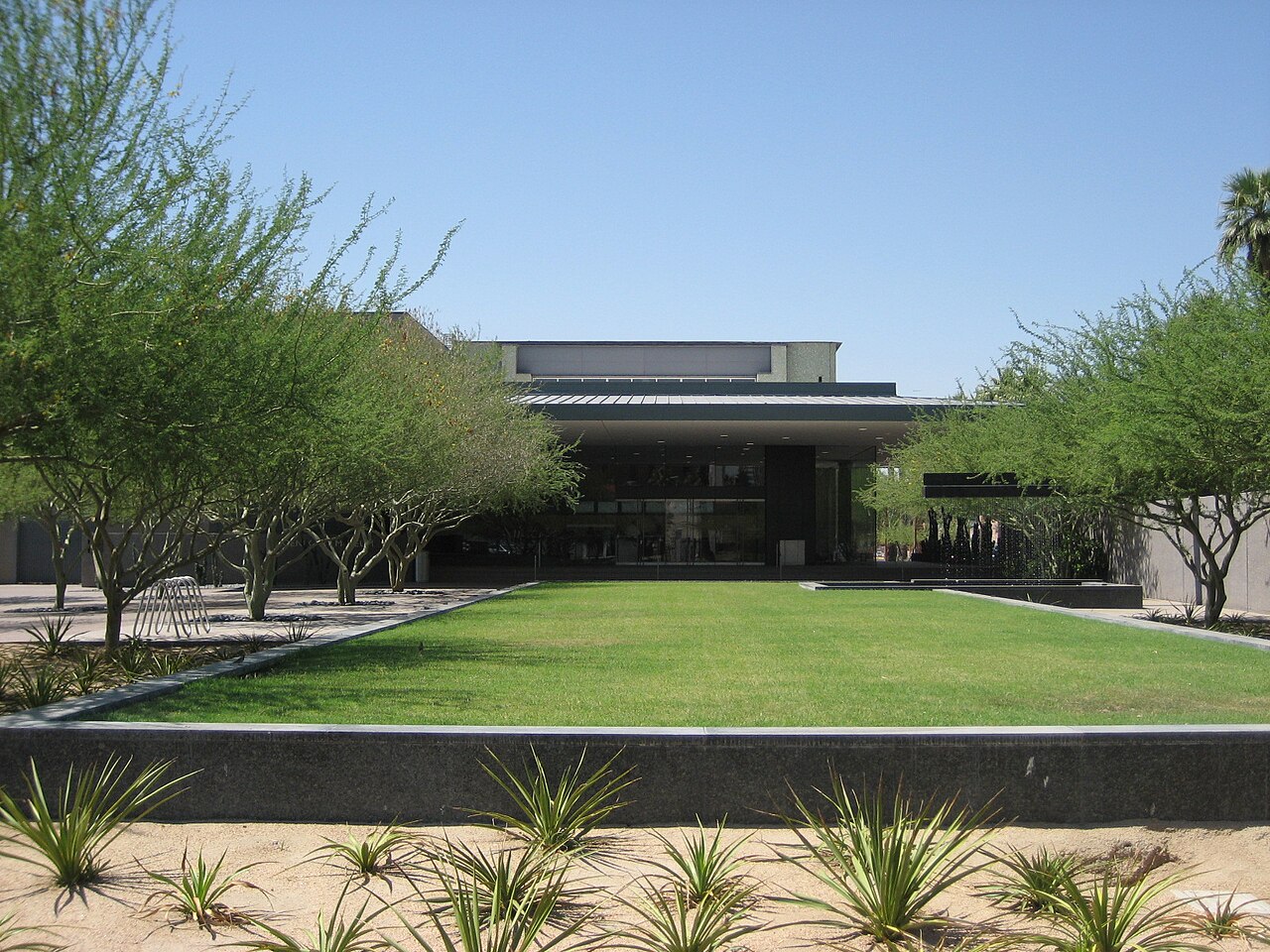
S'edav Va'aki Museum tells the story that explains why Phoenix exists at all. Long before the modern city, the Ancestral Sonoran Desert People (often called the Hohokam) farmed this valley for more than a thousand years, digging hundreds of miles of irrigation canals from the Salt River, and the modern canal system that still waters Phoenix follows many of their routes. This city-run museum and archaeological park preserves one of their most important villages, a site of around 1,500 years of history, on Washington Street a few minutes from Sky Harbor airport. Until recently it was the Pueblo Grande Museum; it now carries an O'odham name chosen by the tribal partners whose ancestors lived here, a change marked by a museum exhibition in 2023 and 2024. The visit has two halves. Inside, galleries explain the people, their farming and canal engineering, their pottery, shell jewelry and trade networks, and the continuing presence of their O'odham descendants. Outside, an interpretive trail of about two-thirds of a mile leads to the great platform mound (the va'aki) that gives the site its name, a ballcourt, sections of prehistoric canal, and full-size replica houses showing how families lived, plus a demonstration garden of traditional desert crops. Allow about ninety minutes. The museum is open several days a week from September to June, with a late evening on Thursdays and reduced summer hours, and it closes Tuesdays and Wednesdays. Admission is modest, with discounts for seniors, students and children, children under six free, and discounted Thursday evenings. Free parking, wheelchair access and picnic areas make it easy.
For first-time visitors, the museum reframes the whole trip. After an hour here, the canals you cross on every Phoenix drive, the green ribbons of mesquite along them and the place name Phoenix itself (a city named for rising from earlier ruins) take on new meaning, and the desert landscapes of the Heard Museum, Desert Botanical Garden and South Mountain fall into place. The trail is short but exposed, so visit in the morning, wear a hat and carry water; the mound trail closes in the late afternoon, or at twilight on Thursday evenings, which make a lovely time to walk it as the light softens. Please follow the posted site etiquette: stay on the trail, do not climb on walls and leave everything where it lies.
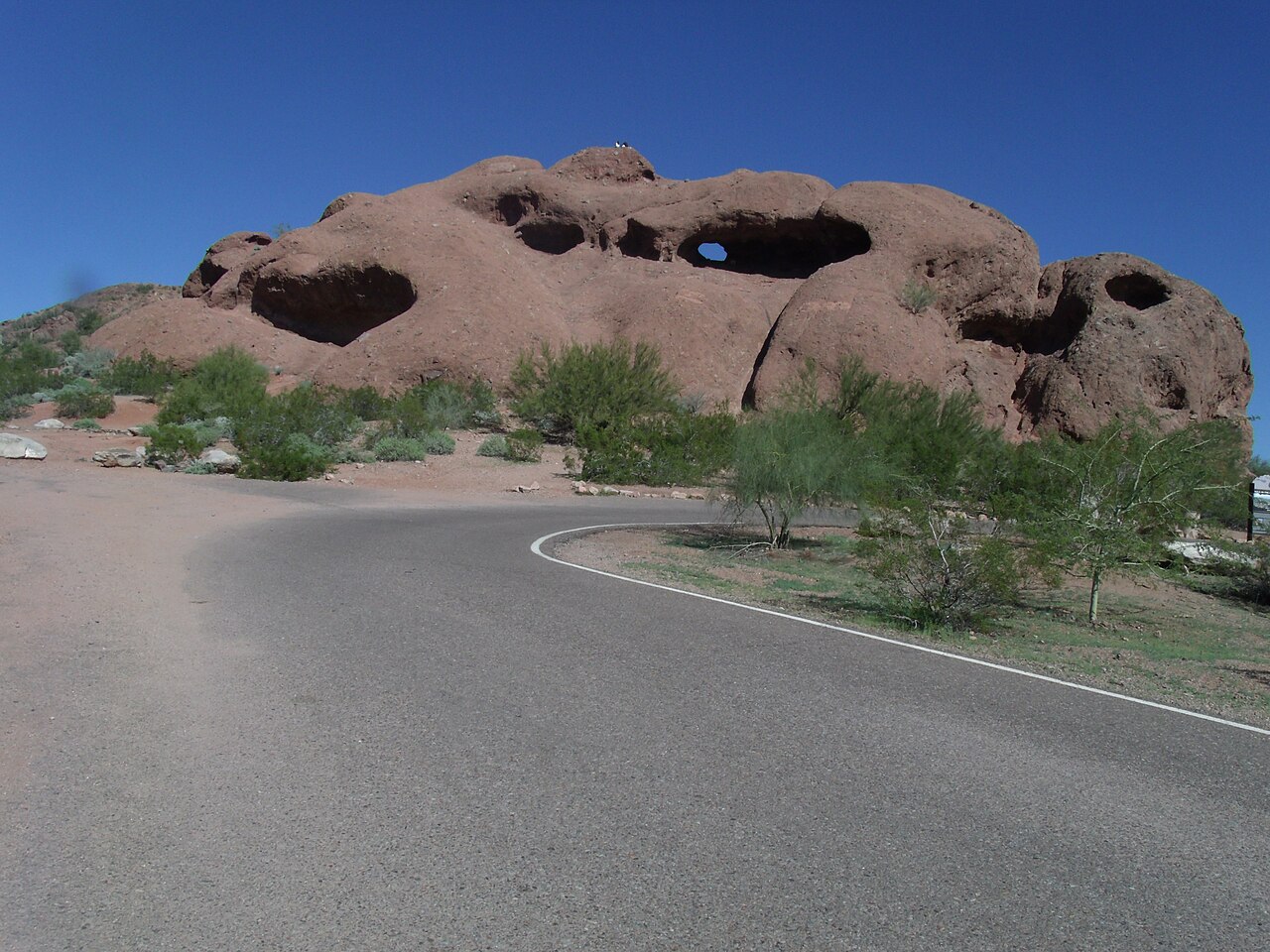
The location is unusually convenient. The museum sits at 44th Street and Washington, served by light rail and the Sky Train, so it fits a layover, a first afternoon after landing or a last morning before a flight. Aloft Phoenix Airport and other airport hotels are a short walk or ride away, and Papago Park, the Phoenix Zoo and the Desert Botanical Garden are ten minutes north. Families will find the replica homes and the ballcourt more engaging than they expect, and the museum runs family days, tours and events through the cooler months.
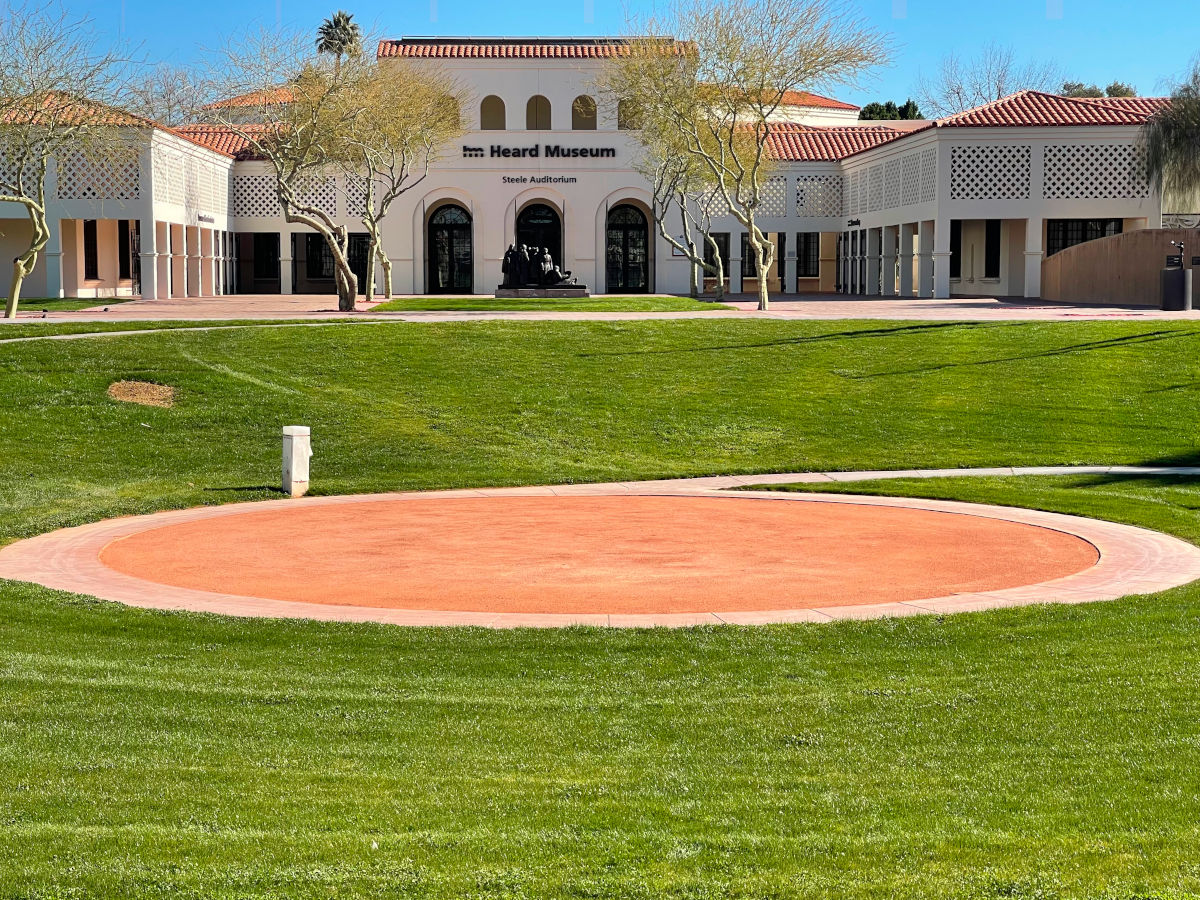
Fit: curious first-timers, history and archaeology lovers, families with school-age children, and anyone who wants to understand the people who made the desert bloom long before resorts and golf courses. Pair it with the Heard Museum for a fuller picture of Native Arizona, past and present.
What to expect
The experience
Indoor galleries on the Ancestral Sonoran Desert People, plus an outdoor trail of about two-thirds of a mile to the platform mound, ballcourt, canals and replica homes.
Best time
Mornings from September to June; Thursday evenings for discounted entry and softer light. Closed Tuesday and Wednesday.
How long
About ninety minutes.
Tips
Bring a hat and water for the exposed trail. Light rail and the Sky Train stop nearby. Respect the site etiquette and stay on the path.
Quick picks
- Best for
- Travelers who want to understand the people who first irrigated the Valley.
- Families
- Good for school-age children, with replica homes, a ballcourt and a manageable trail.
- Couples
- A thoughtful Thursday-evening stop before dinner in Tempe or downtown.
- Pair with
- The Heard Museum, Papago Park and the Phoenix Zoo, or an airport hotel stay.
- Time needed
- An hour and a half.
Good questions
Is this the old Pueblo Grande Museum?+
Yes. The museum and archaeological park was renamed S'edav Va'aki, an O'odham name chosen by tribal partners whose ancestors lived on the site.
What can we see outside?+
A platform mound, a ballcourt, sections of ancient irrigation canal, full-size replica homes and a demonstration garden, along a trail of about two-thirds of a mile.
When is it open?+
From September to June it opens Monday, Thursday, Friday, Saturday and Sunday afternoon, with a late Thursday; summer hours are shorter. It is closed Tuesday and Wednesday and on major holidays.
Is it close to the airport?+
Very. It is at 44th Street and Washington, a few minutes from Sky Harbor and reachable by light rail and the Sky Train.
How long should we allow?+
About ninety minutes covers the galleries and the trail at a relaxed pace.