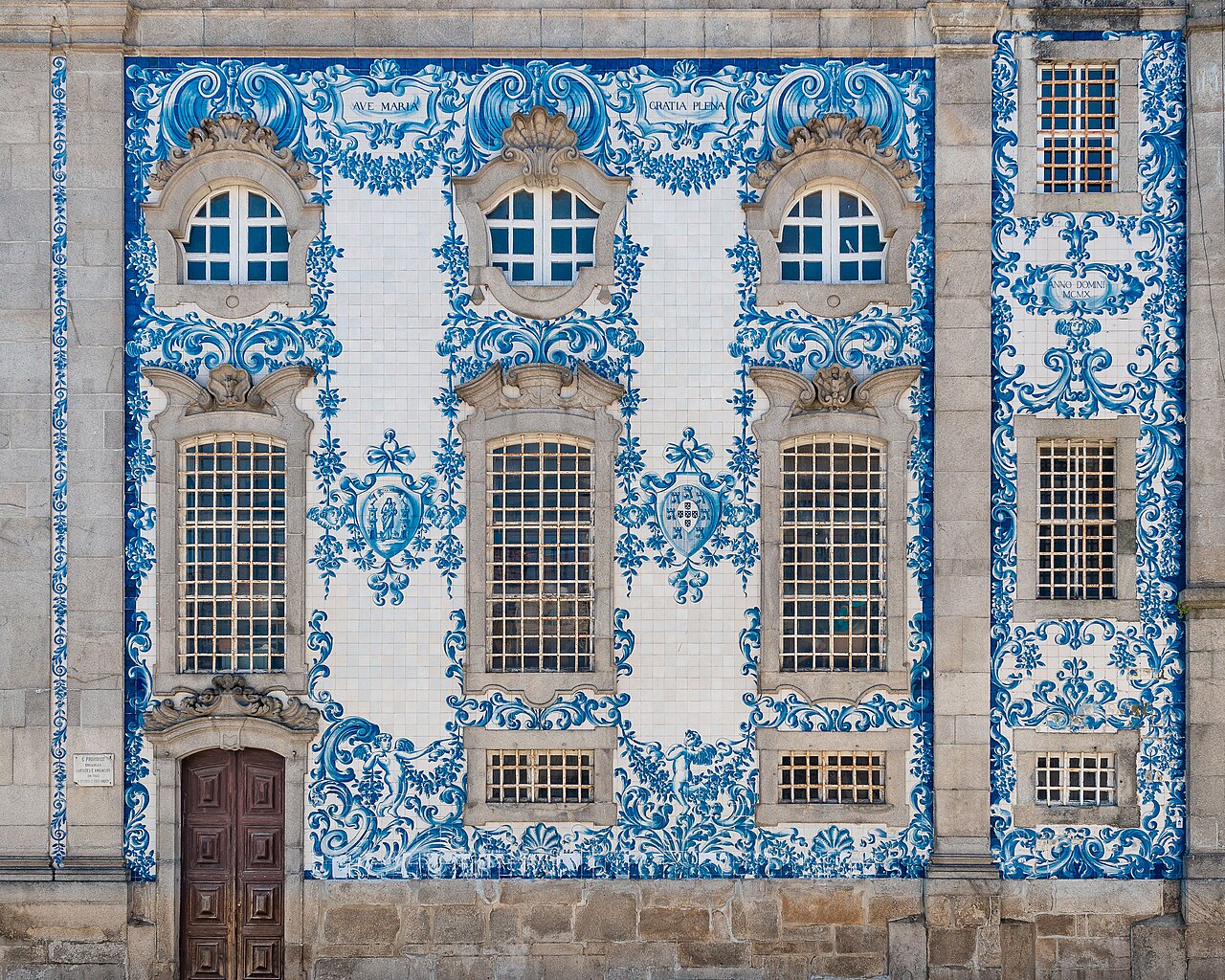
At the top of the old town, near the university and a few steps from Livraria Lello, two Baroque churches stand shoulder to shoulder, and the story of the space between them is one of Porto's favourite pieces of trivia. On the left is the older Igreja dos Carmelitas, which belonged to the Carmelite nuns; on the right is the Igreja do Carmo, built in the second half of the eighteenth century for the lay Third Order of Carmel and regarded as one of the most important Rococo buildings in the city. Between them runs a sliver of a house barely wider than a doorway, often described as the narrowest house in Europe and traditionally explained as a way of keeping the nuns and the friars of the two orders strictly apart. The headline sight, though, is the Igreja do Carmo's side facade on the Rua do Carmo, covered in 1912 in one enormous blue-and-white azulejo panel designed by Silvestre Silvestri, depicting the founding of the Carmelite order and Our Lady. It is one of the largest and most photographed tile panels in Porto, and it faces a small square where trams once ran and where it is easy to stand back and take it all in. Inside, the Igreja do Carmo is a riot of carved and gilded woodwork, a wonderful Rococo interior that is free to see when the church is open. For a deeper look, the Third Order runs a visitor circuit for a modest fee that includes the hidden house between the churches, known as the Casa Escondida, along with rooms, catacombs and terraces normally closed to the public. The church is open daily, and a quick visit takes thirty minutes; the full circuit takes longer. It sits right on the path between the Clérigos Tower, Livraria Lello and the Crystal Palace Gardens, so there is no reason to miss it.
Reading the two churches: the Igreja dos Carmelitas is the older of the pair, with a more restrained classical facade; the Igreja do Carmo, completed later in the eighteenth century, is the showier Rococo building, with sculpted stonework, statues and that dazzling tile panel added in the early twentieth century. Seen together from the square, the contrast between the two styles is a quick lesson in how taste changed in Porto during the eighteenth century, and the house squeezed between them is the punchline that every guide loves to deliver.
Inside and the hidden house: the gilded interior of the Igreja do Carmo is free when open, though it remains a working church, so be discreet during services. The paid circuit is worth it for curious visitors: it opens up the narrow hidden house, which was lived in for generations, along with the order's rooms, a small museum, the burial galleries and terraces with views over the rooftops. It is one of the more unusual visits in the city and rarely crowded.
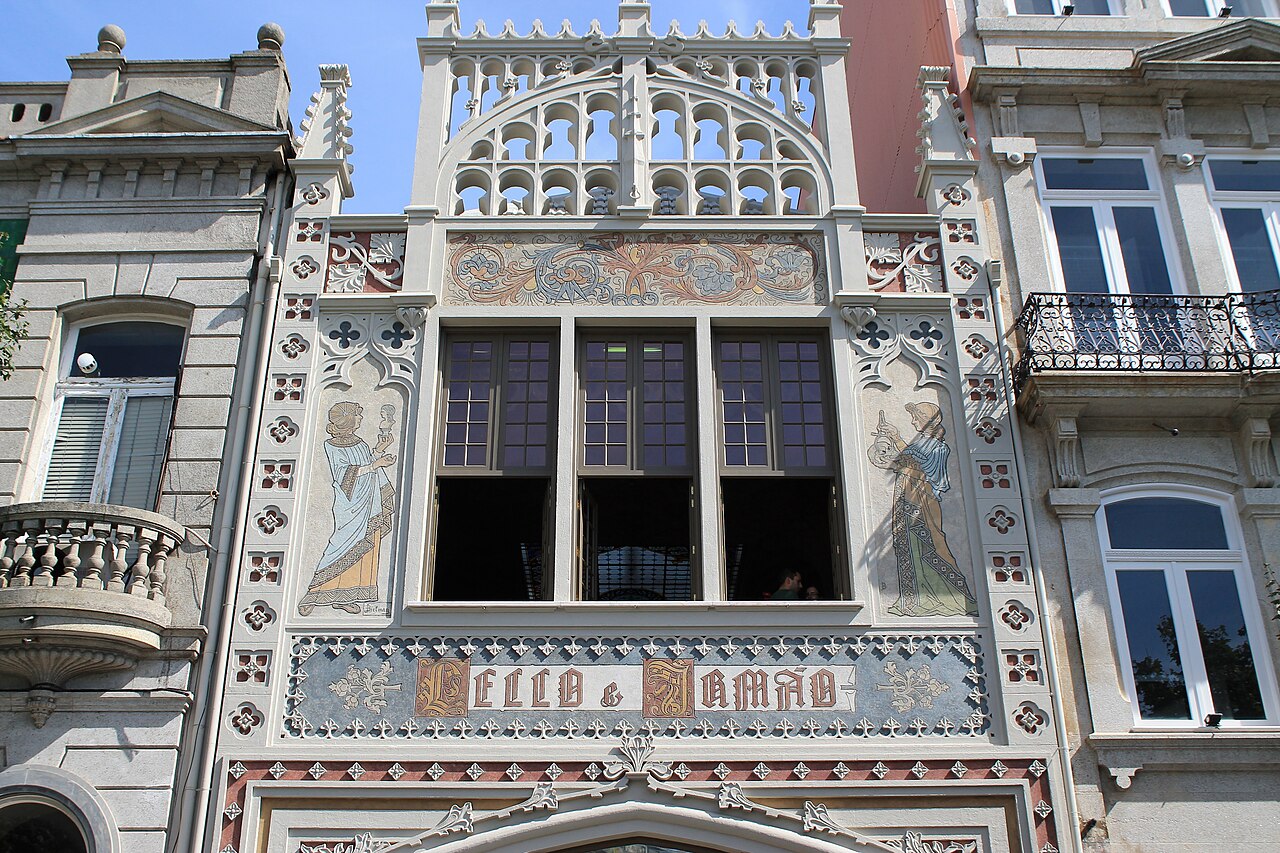
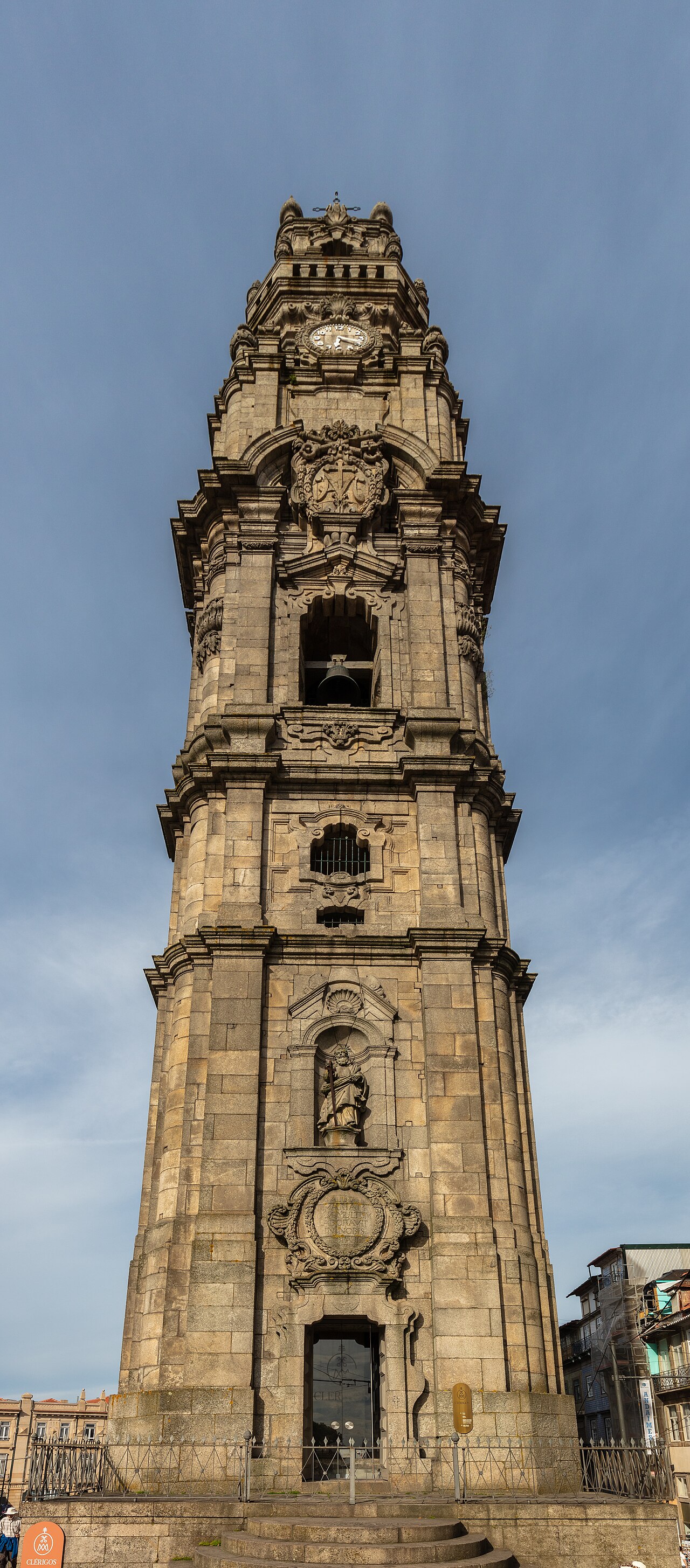
Fitting it in: the churches sit at the junction of several of Porto's most visited streets. Lello is a two-minute walk, the Clérigos Tower five, the university's main building and the Praça de Gomes Teixeira with its lion fountain are directly opposite, and the Crystal Palace Gardens are a short walk west. The square in front of the tile panel is lively with cafés and students, especially in the late afternoon. Fit: first-time visitors who want the classic tile photograph, history lovers, and anyone curious about the narrowest house story.
What to expect
The experience
Two adjoining eighteenth-century churches with a famous 1912 azulejo side wall and a gilded Rococo interior, free to enter when open, plus an optional low-fee circuit including the hidden house between them.
Best time
Morning or late afternoon, when the light flatters the tile panel. The church is open daily.
How long
Thirty minutes for the church and the facade; longer with the paid circuit.
Tips
Photograph the tile panel from the square opposite. Look for the sliver of a house between the two facades. Take the paid circuit to see the hidden house and terraces. Be discreet during services.
Quick picks
- Best for
- Porto's most famous tile wall and the narrowest-house story, right by Lello and Clérigos.
- Families
- The hidden house between the churches fascinates children; the panel is a quick, free wow.
- Couples
- A coffee on the square facing the tiles, then a stroll to the Crystal Palace Gardens for sunset.
- Pair with
- Livraria Lello, the Clérigos Tower and the Capela das Almas for a tile trail.
- Time needed
- Thirty minutes to an hour.
Good questions
Is the Igreja do Carmo free?+
Entry to the church itself is free when it is open. A separate visitor circuit, which includes the hidden house between the two churches, costs a modest fee.
What is the narrow house between the churches?+
A sliver of a house, barely wider than a door, built between the Igreja do Carmo and the Igreja dos Carmelitas. Tradition says it kept the two religious communities apart. It can be visited on the paid circuit.
When was the tile panel added?+
The large azulejo panel on the side facade was added in 1912 and was designed by Silvestre Silvestri. The church itself dates from the eighteenth century.
How long should I spend there?+
About thirty minutes for the facade and the church interior, or an hour with the visitor circuit.
What is nearby?+
Livraria Lello and the Clérigos Tower are a few minutes away, the university faces the church, and the Crystal Palace Gardens are a short walk west.