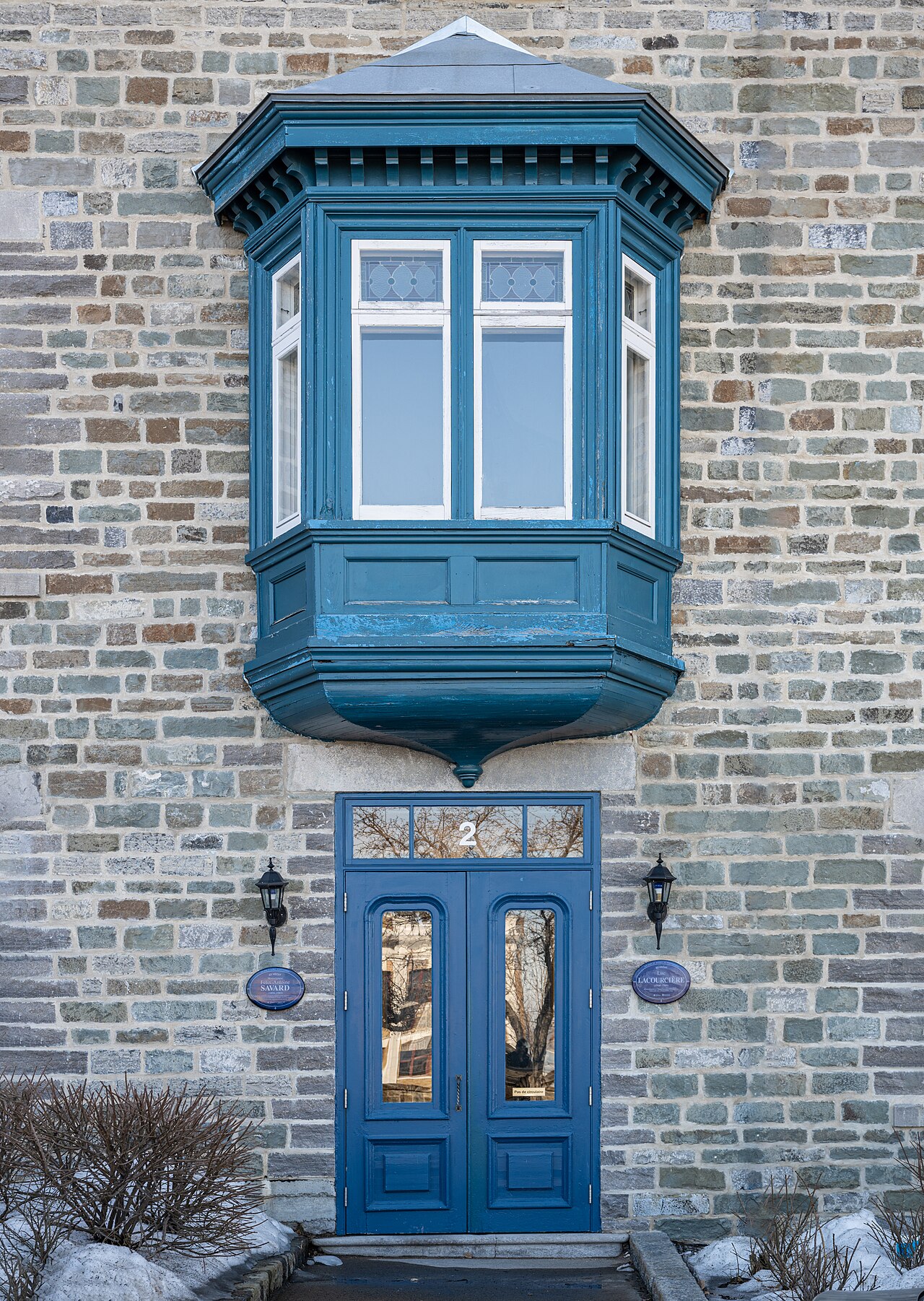
Step out through Porte Saint-Jean and keep walking: within a block the tourist shops thin out and Rue Saint-Jean becomes the main street of Saint-Jean-Baptiste, one of the most likeable neighbourhoods in the city. Built as a faubourg outside the fortifications on the same ridge as the Upper Town, it is a dense, hilly grid of brick and clapboard row houses with wrought-iron balconies and outdoor staircases, home to students, artists and long-time residents. The street is a pleasure for food lovers: neighbourhood coffee shops whose sidewalks fill in summer, an artisanal chocolatier and ice-cream counter, family-run lunch spots, old-fashioned grocers including J.A. Moisan, which bills itself as the oldest grocery store in North America, and pubs with live jazz, folk and blues — Fou-Bar has been hosting musicians since 1983. Side streets lead to quiet squares and the neo-Gothic Église Saint-Jean-Baptiste, and the northern edge drops sharply toward Saint-Roch via a series of public stairways, the Côte Badelard among the gentlest. It is free to wander, safe and walkable, and it shows what everyday life looks like a few hundred metres from the walls. Fit: foodies, couples looking for a local evening, and visitors staying several days who want a neighbourhood beyond the postcard.
The appeal is in the details: laundry lines in back lanes, murals, hand-painted shop signs, a bakery queue on Saturday morning. The neighbourhood is also a good base for budget-conscious travellers, with guesthouses and small hotels close to the walls but priced below the old town, and its restaurants serve residents rather than coach tours.
How to plan it: start at Porte Saint-Jean, walk west along Rue Saint-Jean with coffee and pastry stops, detour onto the side streets for the architecture, and end with dinner or live music. Combine it with Saint-Roch by taking the stairways down in the late afternoon. In winter, the warm cafés and pubs make it a cosy evening; in summer, terraces line the street.
Practicals: immediately west of the walls along Rue Saint-Jean, about a 5-minute walk from Porte Saint-Jean; free to explore; individual businesses change, so check opening hours. Fit: foodies, couples and anyone who wants a slice of local life. Architecture fans should look up as they walk: the row houses show off mansard roofs, dormers, cornices and the exterior staircases that are a signature of Québec’s older neighbourhoods. The church spire is a landmark from many angles, and the streets on the ridge offer surprising glimpses of the Laurentians and the Lower Town below. Summer brings a lively street atmosphere around the Fête nationale on 24 June, which the neighbourhood celebrates enthusiastically, while winter turns the cafés into cosy refuges with steamed-up windows.
What to expect
The experience
A self-guided stroll along Rue Saint-Jean outside the walls and the hilly side streets of a lived-in faubourg, with cafés, grocers, pubs and stairways down to Saint-Roch.
Best time
Saturday mornings for bakeries and cafés; evenings for dinner and live music.
How long
Two to three hours.
Tips
Start at Porte Saint-Jean and walk west. Wear good shoes for the hills and stairways. Combine with Saint-Roch below.
Quick picks
- Best for
- A local neighbourhood a few minutes from the walls.
- Families
- Easy, safe strolling with ice-cream and chocolate stops.
- Couples
- Coffee by day, live jazz or folk by night.
- Pair with
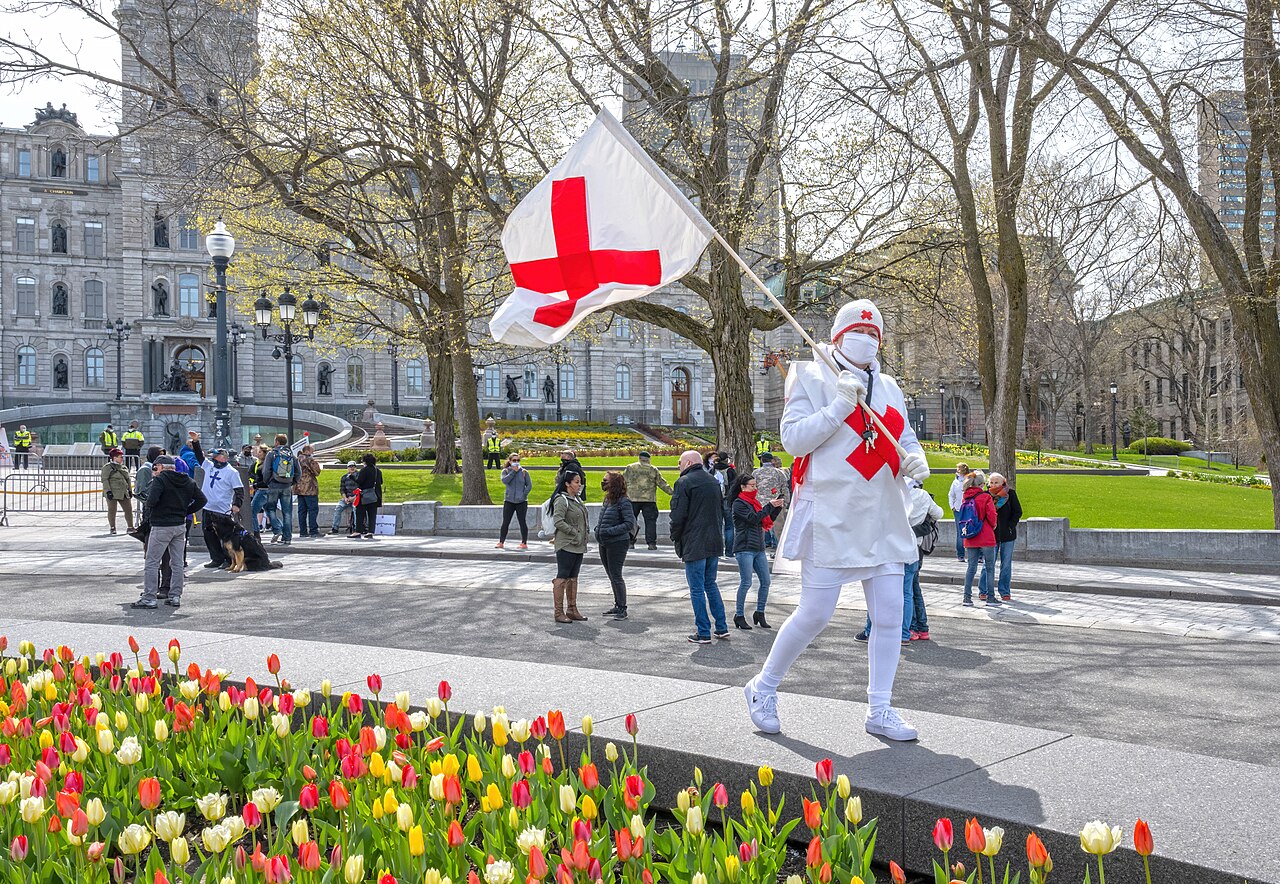
- Saint-Roch down the stairways, and the Parliament Building nearby.
- Time needed
- Half a day.
Good questions
Where is Saint-Jean-Baptiste?+
Just west of the walls along Rue Saint-Jean, on the same ridge as the Upper Town, beginning a few minutes’ walk from Porte Saint-Jean.
Is Rue Saint-Jean outside the walls different from inside?+
Yes. Inside it is busy with visitors and souvenir shops; outside the gate it becomes a neighbourhood main street with cafés, grocers and pubs used by residents.
What is J.A. Moisan?+
A historic grocery store on Rue Saint-Jean that bills itself as the oldest in North America, worth a browse for local products.
How do I get down to Saint-Roch?+
Take one of the public stairways on the north edge of the neighbourhood; the Côte Badelard is one of the gentler routes.
Is it a good place to stay?+
For budget-conscious travellers, yes: guesthouses and small hotels are close to the walls but often cheaper than the old town.