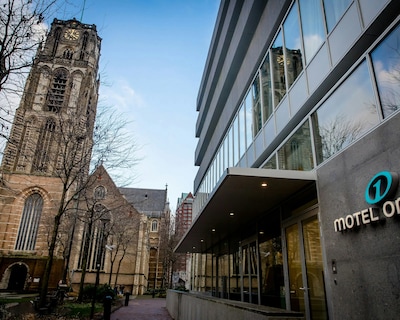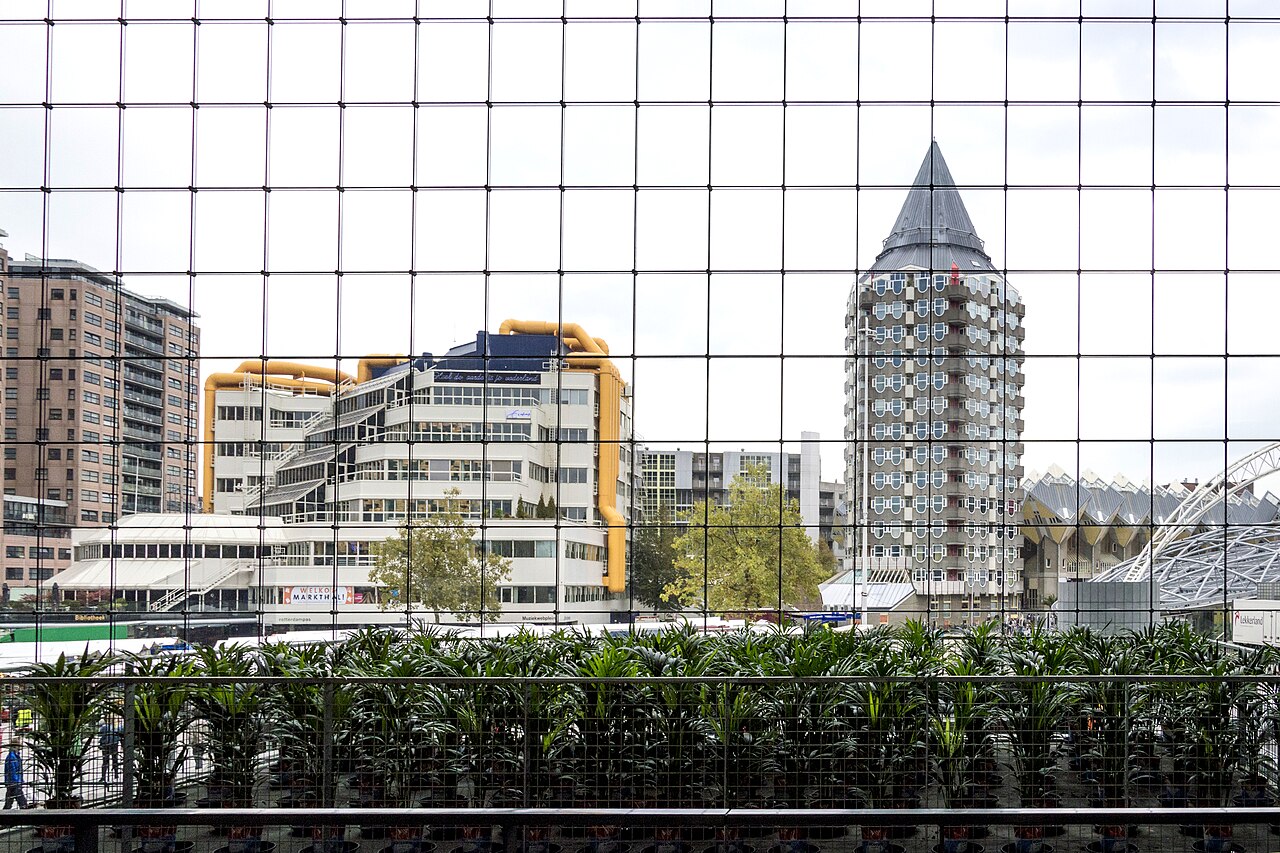
Rotterdam surprises almost everyone. Where Amsterdam is gables and canals, Rotterdam is a city of bold modern architecture, wide rivers and a working port, rebuilt after the bombing of May 1940 with an appetite for experiment that has never gone away. It is compact, easy to navigate and less crowded than the capital, and it makes an excellent base for the windmills of Kinderdijk and the canals of Delft. Here is how to plan a first visit.
How many days
Two full days cover the city well: one for the centre and the river, one for the museums and Katendrecht. A third day lets you add Kinderdijk or Delft, and four days lets you do both without rushing. Rotterdam also works as a long weekend from Amsterdam, which is under an hour away by train.
What to book ahead
Depot Boijmans Van Beuningen only sells timed tickets online, so reserve a slot before you go, and remember it is closed on Mondays, as is Fenix. Book the Euromast with the Euroscoop add-on for a clear day, and treat the Spido harbour tour, the Splashtour and the Kinderdijk ticket as fixed commitments, because the Tiqets tickets for all three are non-refundable. In winter, timetables matter: from November the Spido runs only one sailing a day from Monday to Wednesday, and the WaterShuttle to Kinderdijk runs only from Friday to Sunday. For the ss Rotterdam, no booking is needed; just reserve your engine room slot when you board.
Getting around
The centre is walkable, and the main sights line up along an easy arc from Rotterdam Centraal through the Lijnbaan and the Markthal to the Erasmus Bridge. For longer hops, the RET metro and trams are fast and frequent, and you can tap in and out with a contactless bank card. The metro stops at Blaak, Beurs, Leuvehaven, Wilhelminaplein and Rijnhaven cover almost everything a visitor needs. Water taxis are a Rotterdam speciality, quick yellow boats that connect the Erasmus Bridge, the Wilhelminapier, Katendrecht and the Euromast, and they are worth one ride for the fun alone. Bikes are everywhere, and the city is flat and well served by cycle lanes.
Day one: centre, river and skyline
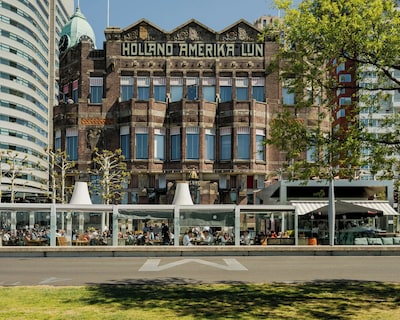
Start at the Markthal and the Cube Houses, grazing your way through the stalls, then walk down to the Oude Haven and along the river to the Erasmus Bridge for the Spido harbour tour, which gives you the whole city and port in seventy-five minutes. Cross the bridge to the Wilhelminapier and have a drink at Hotel New York, then end the day at the Euromast to watch the skyline light up, adding the Splashtour from the same Parkhaven if you have children with you.
Day two: art, migration and an ocean liner
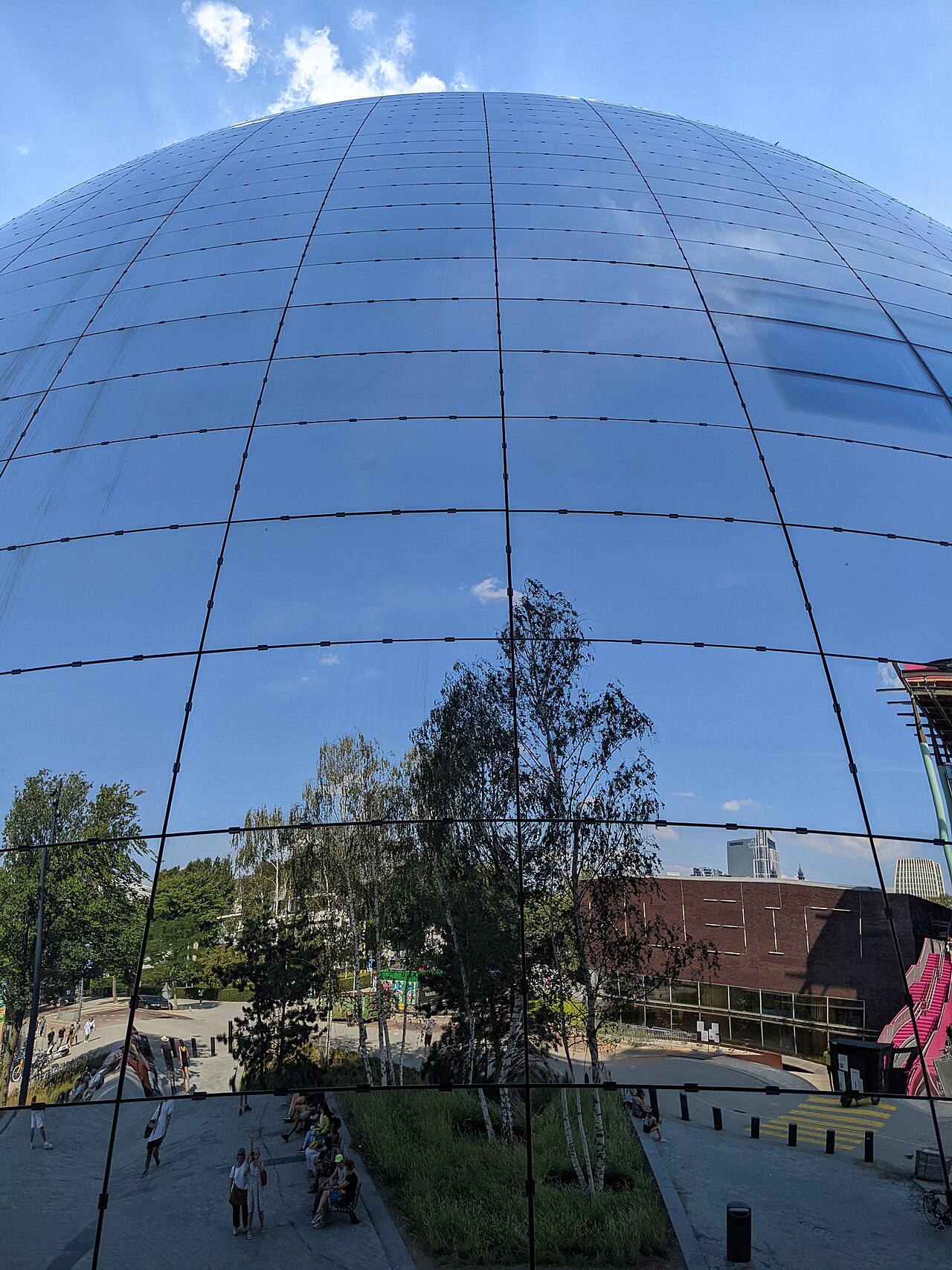
Book a morning slot at Depot Boijmans in the Museumpark and finish with coffee on its birch-planted roof. In the afternoon, head to Katendrecht for Fenix, the new art museum about migration, with its Tornado staircase, then walk to the tip of the peninsula to tour the ss Rotterdam. Have dinner around the Deliplein. Families can swap one of these for Rotterdam Zoo, where the covered Oceanium is a lifesaver on a wet day.
Day three: windmills or Delft
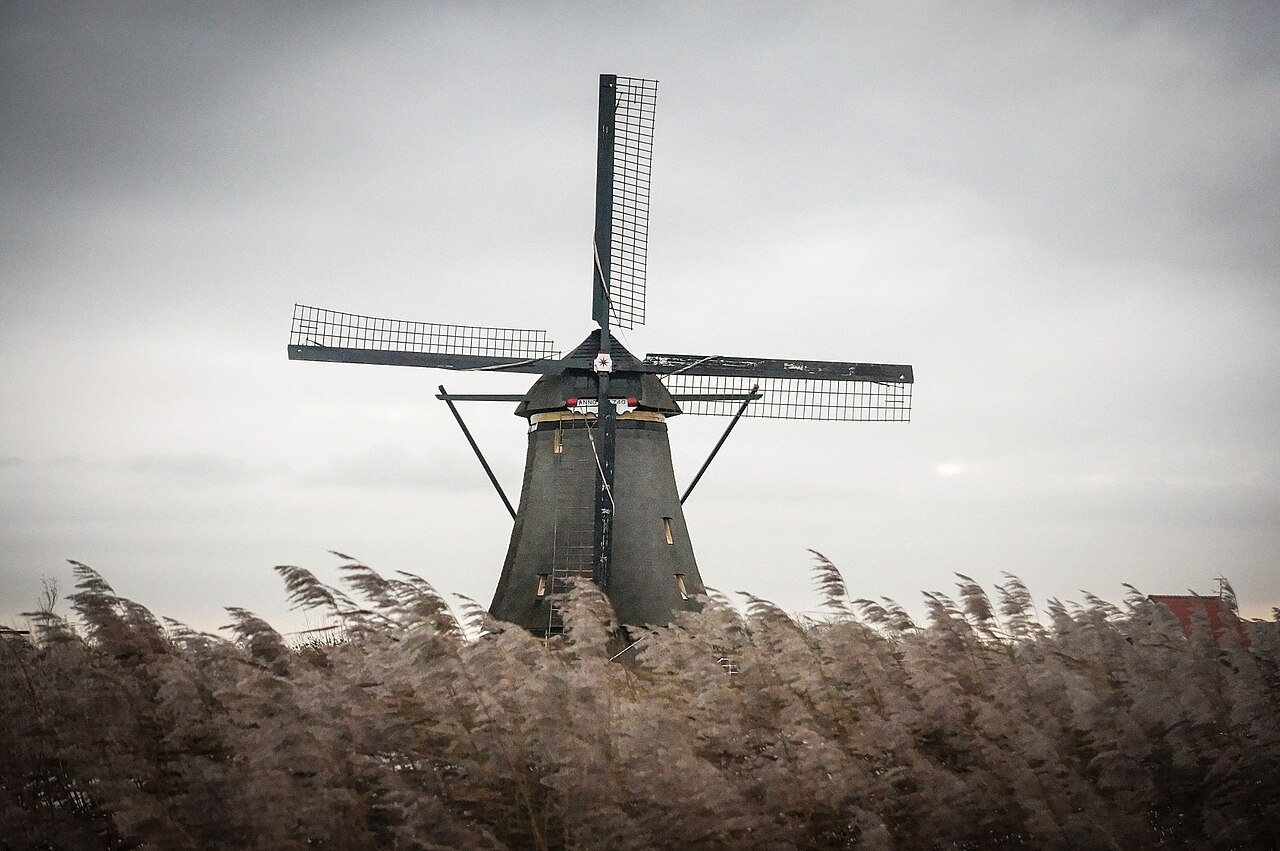
On a Friday to Sunday, take the WaterShuttle from the Erasmus Bridge to Kinderdijk for the nineteen UNESCO windmills, the museum mills and the boat. On other days, or if the weather is poor, take the fifteen-minute train to Delft for the Markt, the Nieuwe Kerk, the canals and Royal Delft, where you can watch the famous blue-and-white pottery being painted.
Seasons
Spring and summer bring long evenings, open-air terraces and the busiest boats. Autumn and winter are quieter and cheaper, but days are short, Kinderdijk closes at 16:00 in November and December, and some boats run less often. The indoor attractions, the Markthal, the Depot, Fenix, the ss Rotterdam and the zoo’s Oceanium, make Rotterdam a good rainy-day city.
Money and manners
The Netherlands uses the euro, and cards are accepted almost everywhere, sometimes more readily than cash. Tipping is modest; rounding up or leaving around five to ten percent for good service is plenty. And watch out for the cycle lanes: they are for bikes, and the locals ride fast.