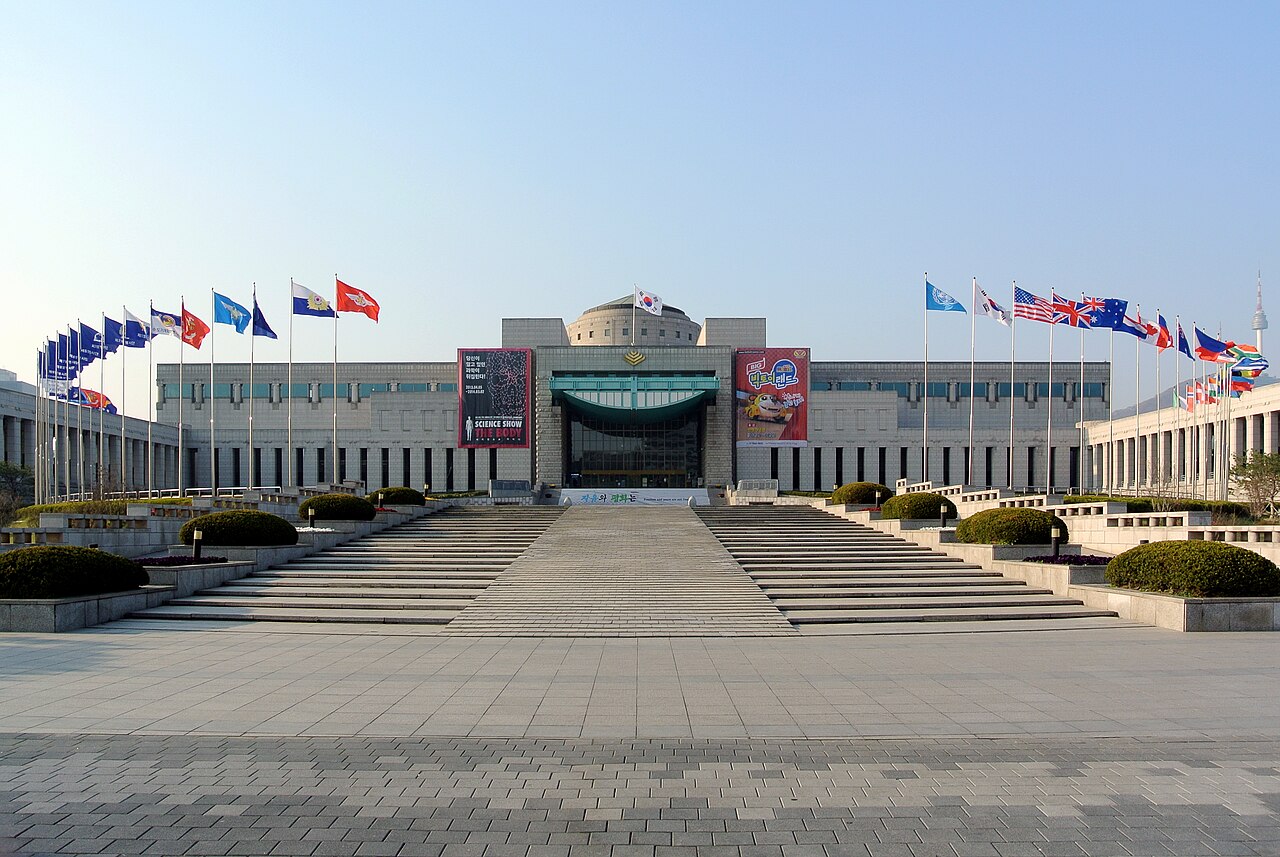
To understand modern Korea, you need to understand the war that divided it, and the War Memorial of Korea in Yongsan is the place to do it. Built on the site of the former army headquarters and opened in 1994, it is a monumental complex of museum halls, memorial corridors and outdoor exhibits that tells the story of conflict on the peninsula from ancient times to the present, with the Korean War of 1950 to 1953 at its heart. The scale is the first thing you notice: a vast plaza flanked by colonnades inscribed with the names of the fallen, Korean and those of the countries that fought under the United Nations flag, and a great domed hall. Inside, six exhibition halls hold more than ten thousand artifacts. The earlier galleries trace Korea's history of invasions and resistance, including a model of the turtle ships of Admiral Yi Sun-sin. The Korean War galleries, the core of the museum, are some of the best war history presentations anywhere: maps and films follow the North Korean invasion, the collapse to the Busan perimeter, the Incheon landing, the advance to the Yalu, the Chinese intervention and the long stalemate, with personal objects, letters and photographs that make the human cost painfully clear. Other halls cover the UN contingents, Korea's later overseas deployments and the development of its armed forces, and a combat experience room recreates the sensations of battle. Outside, a field of aircraft, tanks, artillery and naval vessels draws children and military enthusiasts, and the Statue of Brothers, depicting a South Korean officer embracing his younger brother, a North Korean soldier, is one of the most affecting monuments in the country.
Admission to the permanent galleries and the outdoor exhibits is free. The museum opens from Tuesday to Sunday, from 9:30 in the morning until late afternoon, and closes on Mondays and on the day after national holidays. Allow at least two hours, and three if you want to see the outdoor exhibits thoroughly; the museum suggests around three hours for a full visit. English signage is good, and audio guides are available. Paid special exhibitions and a children's museum on site run alongside.
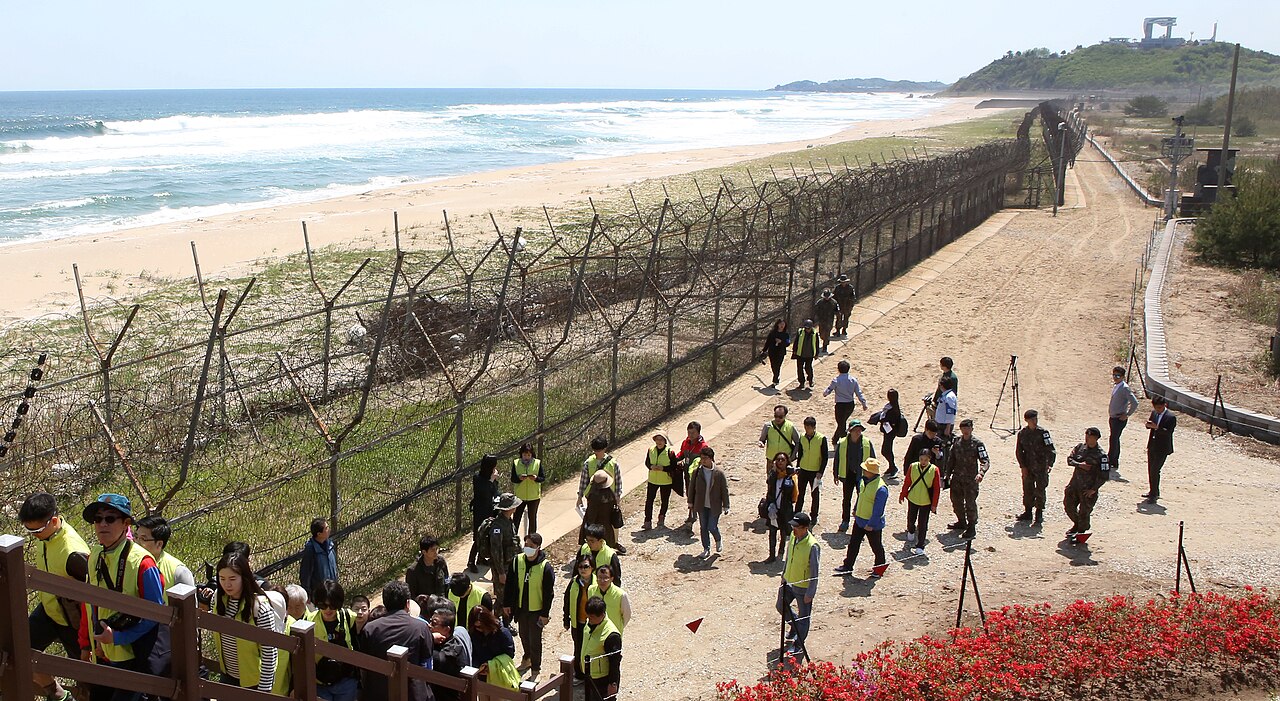
The tone is patriotic and the presentation sometimes grand, but the Korean War galleries are balanced, detailed and deeply moving, and they give vital context for a DMZ tour — ideally visit the War Memorial before you go to the border. Veterans and families of veterans from the UN nations often find the memorial corridors and the national rooms especially meaningful. On some Fridays in spring and autumn the museum has staged a military honor-guard ceremony on the plaza, worth catching if your timing allows.
The museum is at Samgakji Station on Lines 4 and 6, a few minutes' walk from the exits. The National Museum of Korea is two stops away at Ichon, and Itaewon and Haebangchon are just up the road, so a Yongsan history day — War Memorial in the morning, National Museum after lunch, dinner in Itaewon — is one of the most rewarding itineraries in Seoul. The memorial's grounds are also pleasant for a walk, with a waterfall and pond garden behind the main building.
What to expect
The experience
A large free museum of Korean military history with six exhibition halls, memorial corridors, a combat experience room and an outdoor display of aircraft, tanks and ships.
Best time
Weekday mornings; visit before a DMZ tour for context.
How long
Two to three hours.
Tips
Closed Mondays. Start with the Korean War galleries if time is short. Leave time for the outdoor exhibits and the Statue of Brothers.
Quick picks
- Best for
- Understanding the Korean War and the division of the peninsula, for free.
- Families
- Kids enjoy the outdoor aircraft and tanks; the war galleries suit older children.
- Couples
- A serious, moving morning, followed by lunch in Itaewon.
- Pair with
- The National Museum of Korea, a DMZ tour, or Leeum in Hannam-dong.
- Time needed
- Two to three hours.
Good questions
Is the War Memorial of Korea free?+
Yes, the permanent exhibition halls and outdoor exhibits are free. Some special exhibitions charge.
When is it open?+
Tuesday to Sunday from 9:30am to late afternoon. It closes on Mondays and on the day after national holidays.
How long do I need?+
At least two hours; around three hours to see the indoor halls and the outdoor display properly.
Should I visit before the DMZ?+
Yes. The Korean War galleries give essential context for what you will see at the border.
How do I get there?+
Samgakji Station on Lines 4 and 6 is a few minutes' walk away.