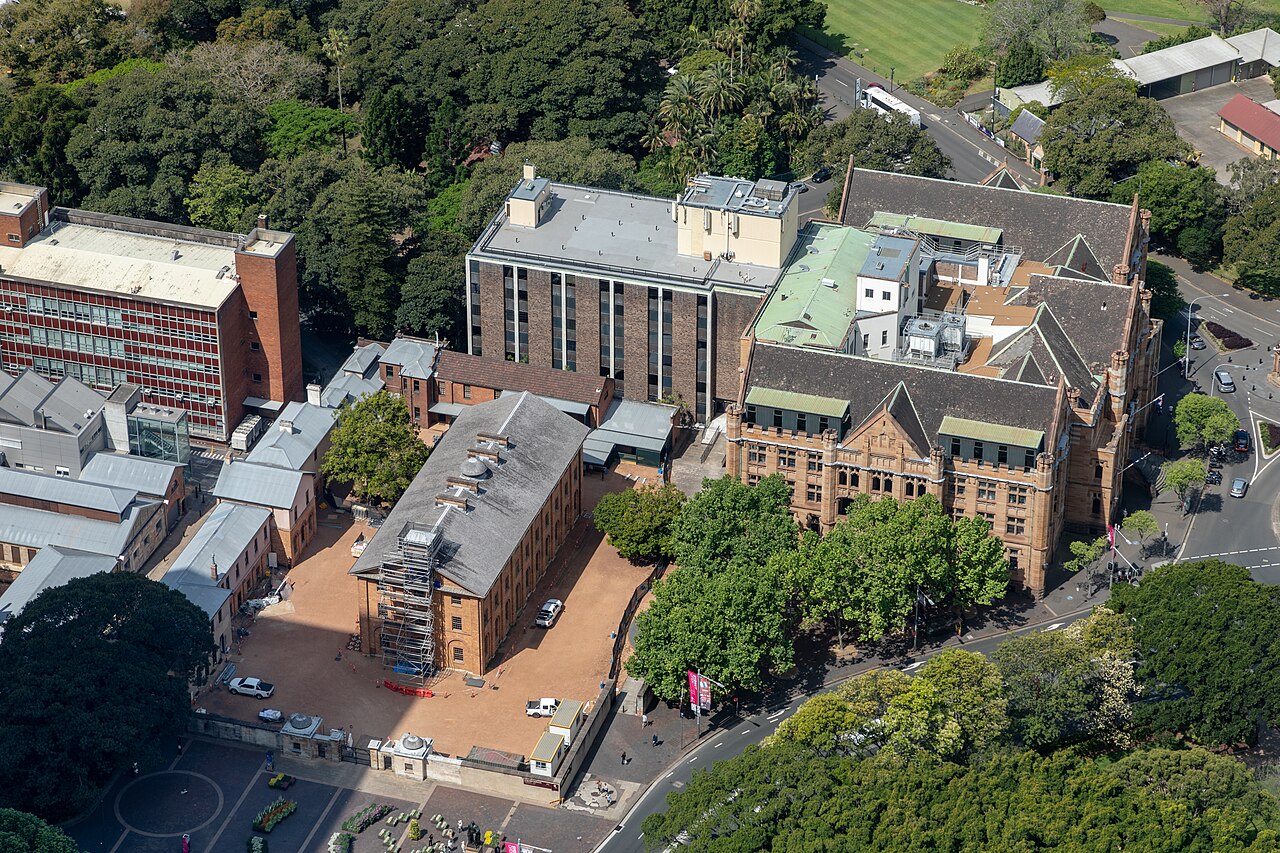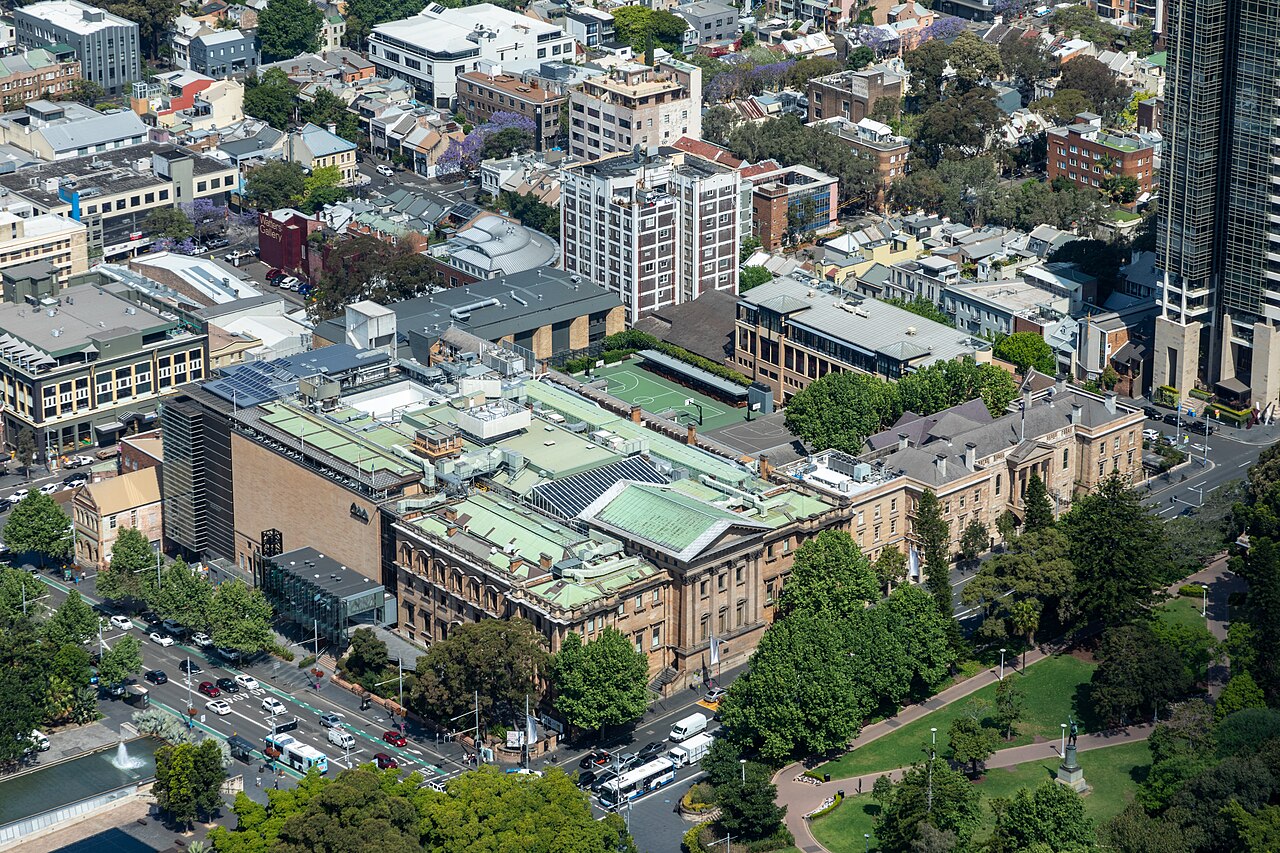
The Australian Museum is the country's first museum, founded in 1827, and it remains the natural history museum Sydney families grow up with. General entry is free, which makes it the easiest rainy-day or hot-afternoon fallback in the city centre, and it is worth a visit on its own merits. The museum faces Hyde Park across College Street, in a sandstone building that has been extended and reworked many times; a major renewal finished in 2020 opened up a new entrance hall and much more exhibition space. Inside, the permanent galleries cover the natural world and human cultures of the region. The dinosaur gallery is the obvious draw for children, with skeletons and casts including Australian species. The minerals gallery is a dazzling room of crystals, gemstones and meteorites. The wildlife galleries explain why Australia's animals are so peculiar, from monotremes to venomous snakes and spiders, through specimens and well-designed displays. The museum's First Nations galleries present Aboriginal and Torres Strait Islander cultures, knowledge and history, often in the voices of community members, and they are among the most important rooms in the building. Pacific cultures collections are another strength. Major touring exhibitions, which change through the year, are ticketed and can be excellent; the free collection is enough for a two-hour visit. There is a cafe on site and a play-and-learning space called Burra for younger children, and the museum regularly runs talks, workshops and after-hours events.
Why it matters: the Australian Museum has been collecting and researching for almost two centuries, and its scientists still work behind the scenes on everything from frogs to fossils. Like many museums founded in the colonial era, it has had to reckon with how some of its collections were acquired, and its modern galleries are noticeably more collaborative and frank, particularly in how First Nations stories are told and who tells them. That makes it a good place to start understanding Australia beyond the postcard sights. It also explains a lot of what you will meet elsewhere on a trip: why the birds sound the way they do, which spiders and snakes are worth respecting on a bushwalk, how the continent drifted into isolation and produced marsupials and monotremes, and how people have lived with this land for tens of thousands of years. Visitors who come early in a trip often say the museum made the rest of their travels richer, because they finally knew what they were looking at in the bush, on the reef or in a rock shelter. Ask at the information desk about free floor talks and family activities on the day of your visit, which change through the year.
How to visit: allow about two hours for the free galleries. With children, go early, head to the dinosaurs first while they have energy, then the minerals and wildlife, and save Burra for a break; it closes a little earlier than the museum. If a major exhibition is on that interests you, book a ticket in advance, as popular shows sell timed sessions. The museum is open daily from 10am to 5pm and closed only on Christmas Day. It is a short walk from Museum and St James stations, and an easy combination with Hyde Park, the Hyde Park Barracks and the city shops.
Practicals and fit: free general entry, with fees only for major exhibitions and some programs. The building is accessible, with lifts between levels. It suits families above all, but also adults with an interest in nature and culture, and anyone who needs an indoor, air-conditioned plan for a wet or very hot day. Pair it with a picnic in Hyde Park or a walk down to the Art Gallery of NSW through the Domain.
What to expect
The experience
Australia's oldest museum, with free permanent galleries on dinosaurs, minerals, wildlife and First Nations cultures, plus ticketed touring exhibitions.
Best time
Opening time on weekdays; rainy days and school holidays are busiest.
How long
About two hours for the free galleries; longer with a major exhibition.
Tips
Do the dinosaurs first with kids. Book major exhibitions ahead. Burra, the children's space, closes a little before the museum.
Quick picks
- Best for
- A free, high-quality rainy-day plan in the city centre.
- Families
- Dinosaurs, crystals, spiders and a dedicated play space for little ones.
- Couples
- The First Nations galleries and a major exhibition, then lunch in Hyde Park.
- Pair with
- Hyde Park Barracks, Hyde Park, or the Art Gallery of NSW via the Domain.
- Time needed
- Two to three hours.
Good questions
Is the Australian Museum free?+
Yes, general entry is free, including the permanent galleries and the Burra learning space. Major exhibitions and some programs have a fee.
What are the opening hours?+
The museum is open daily from 10am to 5pm and closed on Christmas Day. Burra and the cafe close a little earlier.
Is it good for kids?+
Very. The dinosaurs, minerals and wildlife galleries are favourites, and Burra is a dedicated learning and play space for children.
How long do I need?+
About two hours covers the main free galleries at a comfortable pace; add time if you book a major exhibition.
How do I get there?+
It is on College Street opposite Hyde Park, a short walk from Museum and St James stations.