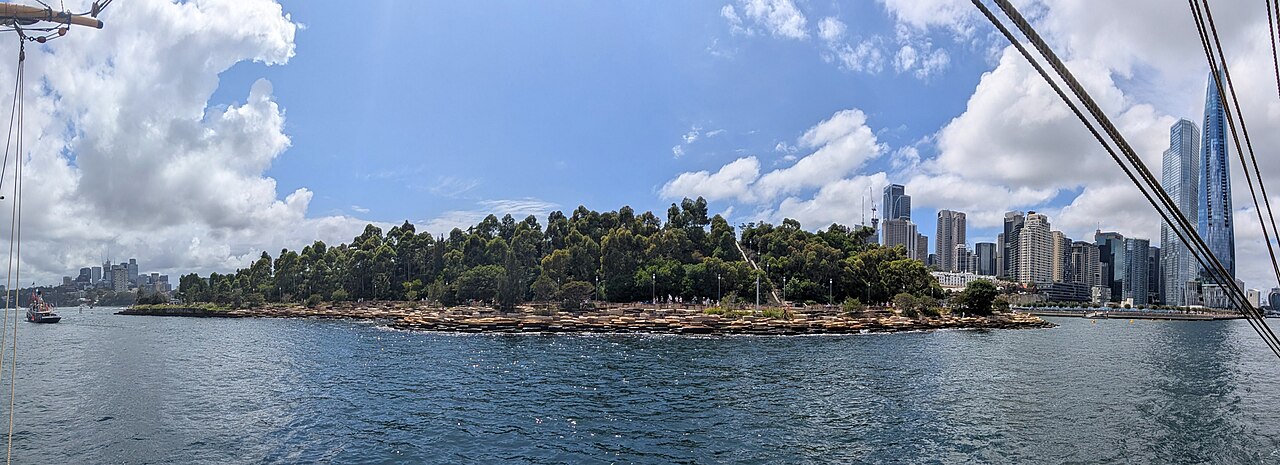
Barangaroo Reserve is the harbour park most visitors walk straight past, and it deserves better. For more than a century this western edge of the city was industrial waterfront, finishing as a concrete container terminal; it has been turned into a six-hectare headland park that recreates something like the shoreline before colonisation. The scale of the work is part of the interest: the foreshore is built from big blocks of sandstone quarried on the site itself, stepped down to the water as rock platforms where people sit, fish and watch the ferries, and more than 75,000 native trees and shrubs have been planted, with native bee colonies brought in to pollinate them. The result already feels like it has always been there. Paths wind up through the planting to lawns at the top with views over the harbour to Balmain, Goat Island and the Bridge, and down at water level the Wulugul Walk runs along the foreshore, linking Walsh Bay and The Rocks to the restaurants of Barangaroo South and on to Darling Harbour. In early 2023, Marrinawi Cove opened as a sheltered harbour swimming spot with sandstone steps and safety netting, the first swimming spot of its kind in the city centre and a lovely surprise on a hot day. The park takes its name from Barangaroo, a Cammeraygal woman and the wife of Bennelong, who was a powerful figure in the first years of the colony and is remembered for her defiance of the newcomers. Entry is free, it is open all day, and it is rarely crowded outside weekends and big events.
Why it matters: Sydney's harbour foreshore was carved up by wharves, warehouses and container terminals for most of its modern history, and returning a working headland to parkland was a deliberate statement about who the harbour is for. The design takes Country seriously; the planting is chosen from species that grew around the harbour before 1788, and interpretive signs and guided tours tell the stories of the Gadigal and Cammeraygal people for whom this foreshore was a place of fishing and gathering. Beneath the park, a large cavern-like space called The Cutaway is used for events and exhibitions.
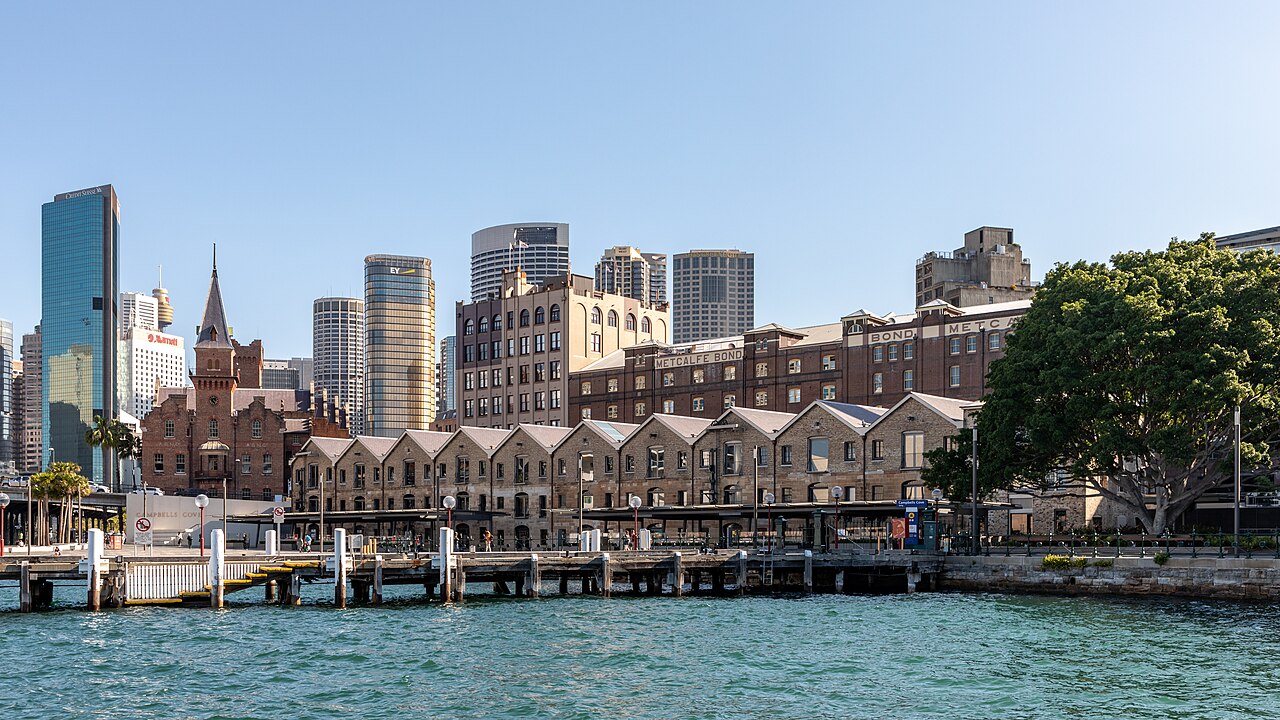
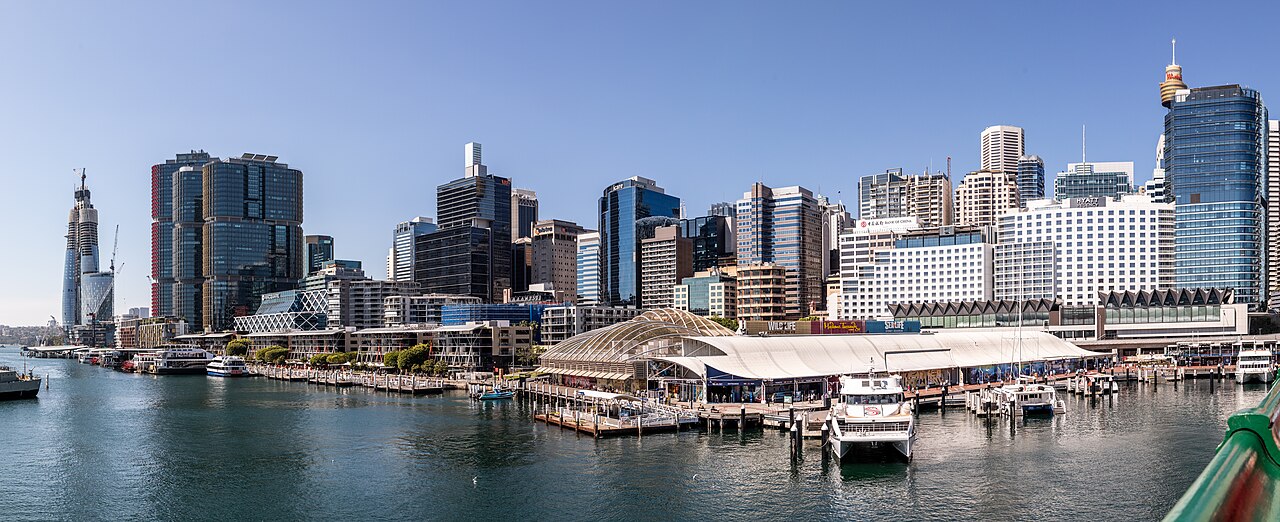
How to use it: the reserve is best as part of a longer harbour walk. Start at Circular Quay, walk through The Rocks and around Dawes Point under the Bridge, follow the Walsh Bay wharves to the reserve, then continue south along the Wulugul Walk to Barangaroo South for lunch or a drink, and on to Darling Harbour. In summer, pack swimmers for Marrinawi Cove; there are change facilities nearby, and the netted cove is calm. At sunset, the western-facing rock platforms are one of the nicest free places in the city to watch the light go, with the water and the suburbs of the inner west glowing across the harbour.
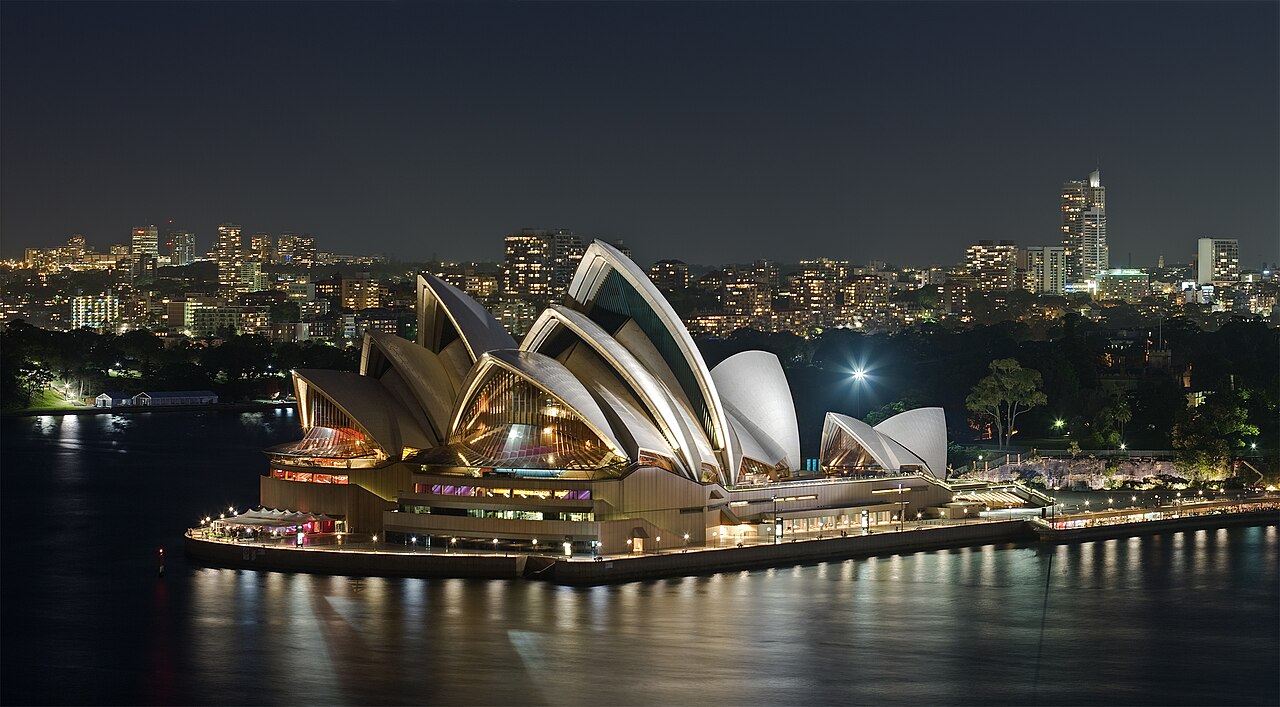
Practicals and fit: Barangaroo metro station and Wynyard station are both a short walk away, and ferries stop at Barangaroo wharf. The park is free and open every day; some areas can be closed for events, especially around New Year's Eve, when it becomes a ticketed vantage point. Paths are mostly paved and gentle, with some steps on the headland. It suits everyone: families for the lawns and the swim, couples for sunset, and first-time visitors walking between the Opera House and Darling Harbour.
What to expect
The experience
A free headland park of native bush, lawns and sandstone rock platforms at the harbour's edge, with a netted swimming cove and a foreshore walk.
Best time
Late afternoon into sunset for the light on the western harbour; hot summer days for a swim at Marrinawi Cove.
How long
One to two hours, longer as part of a walk from The Rocks to Darling Harbour.
Tips
Walk it as part of a Rocks to Darling Harbour harbour walk. Bring swimmers in summer. Check for event closures around New Year's Eve.
Quick picks
- Best for
- A quiet green break and harbour views right next to the city centre.
- Families
- Lawns to run on, rock platforms to explore and a netted swimming cove.
- Couples
- Sunset on the sandstone platforms, then dinner at Barangaroo South.
- Pair with
- The Rocks and the Bridge to the north, Darling Harbour to the south.
- Time needed
- An hour or two.
Good questions
Is Barangaroo Reserve free?+
Yes. The park is free and open every day. Some areas may be closed or ticketed for special events, especially around New Year's Eve.
Can you swim at Barangaroo?+
Yes, at Marrinawi Cove, a sheltered harbour swimming area that opened in early 2023, with sandstone steps into the water and safety netting.
Who was Barangaroo?+
A Cammeraygal woman and the wife of Bennelong, a strong and outspoken figure in the first years of the colony. The park and the wider precinct are named in her honour.
How do I get there?+
Walk from Wynyard station or Barangaroo metro station, take a ferry to Barangaroo wharf, or walk the foreshore from The Rocks or Darling Harbour along the Wulugul Walk.
Was the headland always there?+
The original shoreline had been buried under wharves and a concrete container terminal. The headland was rebuilt using sandstone quarried on the site and replanted with more than 75,000 native trees and shrubs.