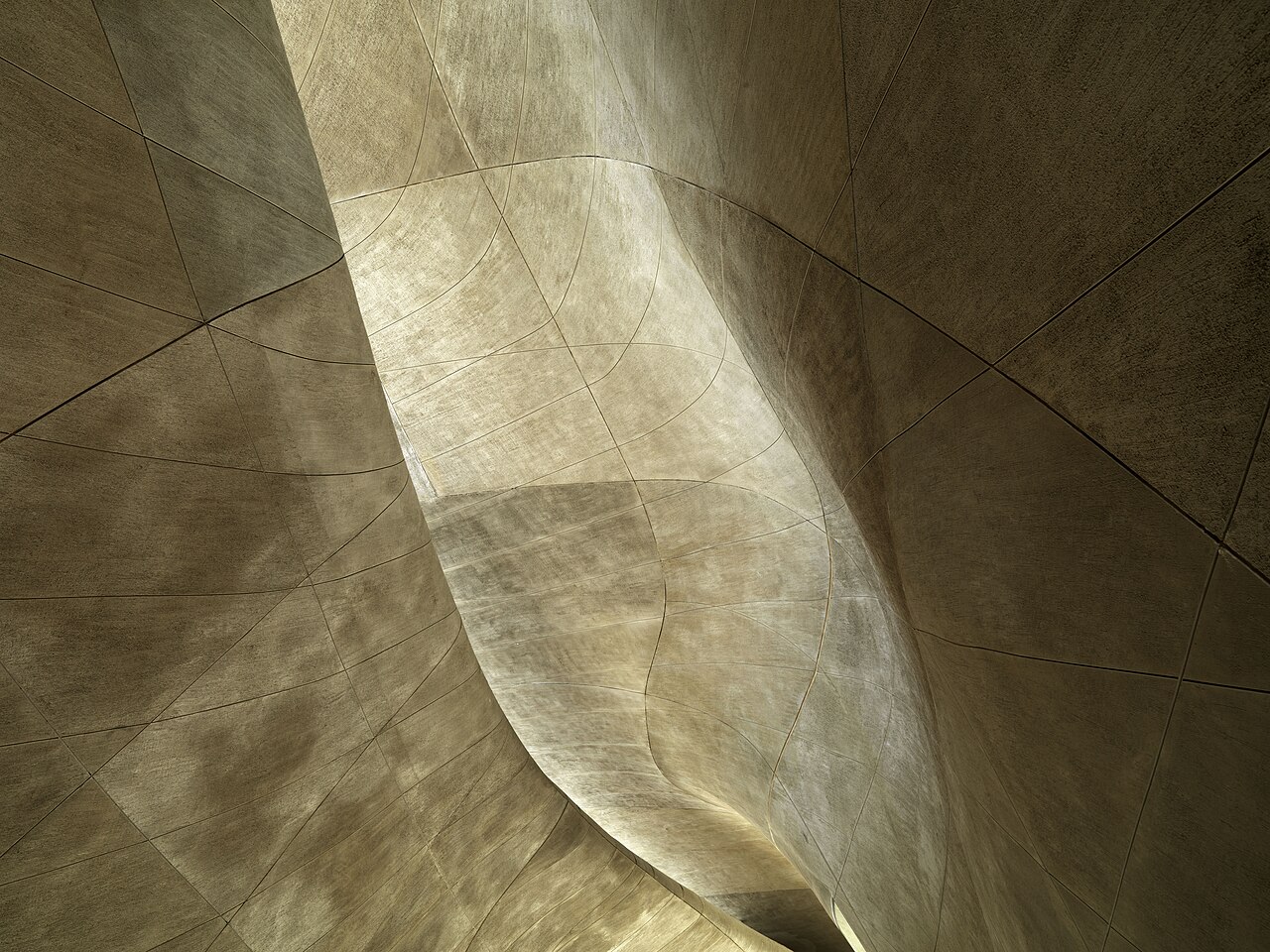
POLIN tells a story far bigger than the tragedy most visitors associate with Warsaw. Its name comes from the Hebrew word for Poland, which legend says sounded to the first Jewish settlers like "rest here", and its core exhibition follows a thousand years of Jewish life in Poland, when the country was home to one of the largest Jewish communities in the world. You walk through a forest of legends, medieval towns and royal charters, a market square, the bustling interwar street, and only then into the Holocaust and the postwar years. The highlight for many is the reconstructed roof and painted ceiling of a wooden synagogue, alive with zodiac signs and animals. The striking building, with its glass skin and a canyon-like main hall, stands in Muranów, in what was the heart of the Warsaw Ghetto, facing the Monument to the Ghetto Heroes. The Tiqets ticket includes entry to the core exhibition and an audio guide.
Planning your visit: POLIN is at Anielewicza 6 in Muranów, about a twenty-minute walk or a short tram ride north-west of the Old Town. It is closed on Tuesdays and opens until the evening on Saturdays. Timed entry tickets with an audio guide can be booked ahead through the link, which is wise at weekends and during school holidays. Temporary exhibitions in the lower galleries change through the year and are usually worth a look if you have time.
How to visit well: the core exhibition is long and rich, and it is easy to run out of energy halfway through. Allow at least three hours, take a break in the cafe, and pace yourself so you reach the interwar and Holocaust galleries with attention to spare. Outside, the square in front of the museum holds the Monument to the Ghetto Heroes, and the Path of Remembrance leads from here towards the Umschlagplatz memorial, where deportations to Treblinka began.
Who it suits: history lovers, anyone with Polish or Jewish family roots, and travellers who want a fuller picture of Polish history than the war alone. It is thoughtfully designed for teenagers, with plenty of interactive displays, and the early galleries suit curious younger children too. Combine it with the Warsaw Rising Museum on separate days rather than the same one.
What to expect
The experience
A large, immersive core exhibition covering a thousand years of history, plus temporary exhibitions, with an audio guide included.
Best time
Opening time on a weekday, or a Saturday afternoon when the museum stays open into the evening.
How long
Three to four hours for the core exhibition with a cafe break.
Tips
Remember POLIN is closed on Tuesdays, pace yourself through the early galleries, and walk the Path of Remembrance afterwards.
Quick picks
- Best for
- Travellers who want the full story of Jewish life in Poland, not just the war.
- Families
- Teenagers will find plenty of interactive displays; with younger children, focus on the early galleries and the painted synagogue ceiling.
- Couples
- Spend a thoughtful afternoon here, then walk to the Old Town for dinner.
- Pair with
- The Monument to the Ghetto Heroes outside and the Warsaw Rising Museum on another day.
- Time needed
- Half a day.
Good questions
When is POLIN Museum closed?+
POLIN is closed every Tuesday. It opens on the other days from the morning, with longer hours on Saturdays.
Does the POLIN ticket include an audio guide?+
Yes, the linked entry ticket includes an audio guide for the core exhibition. It is available in English and several other languages.
How long should I spend at POLIN?+
Allow at least three hours for the core exhibition. Many visitors stay four, especially if they also see a temporary exhibition.
Where is POLIN Museum?+
It is at Anielewicza 6 in Muranów, on the site of the former Warsaw Ghetto. The Monument to the Ghetto Heroes stands in the square in front.
Is POLIN only about the Holocaust?+
No. The Holocaust is covered with great care, but the museum tells a thousand years of Jewish life in Poland, from medieval settlement to the present day.