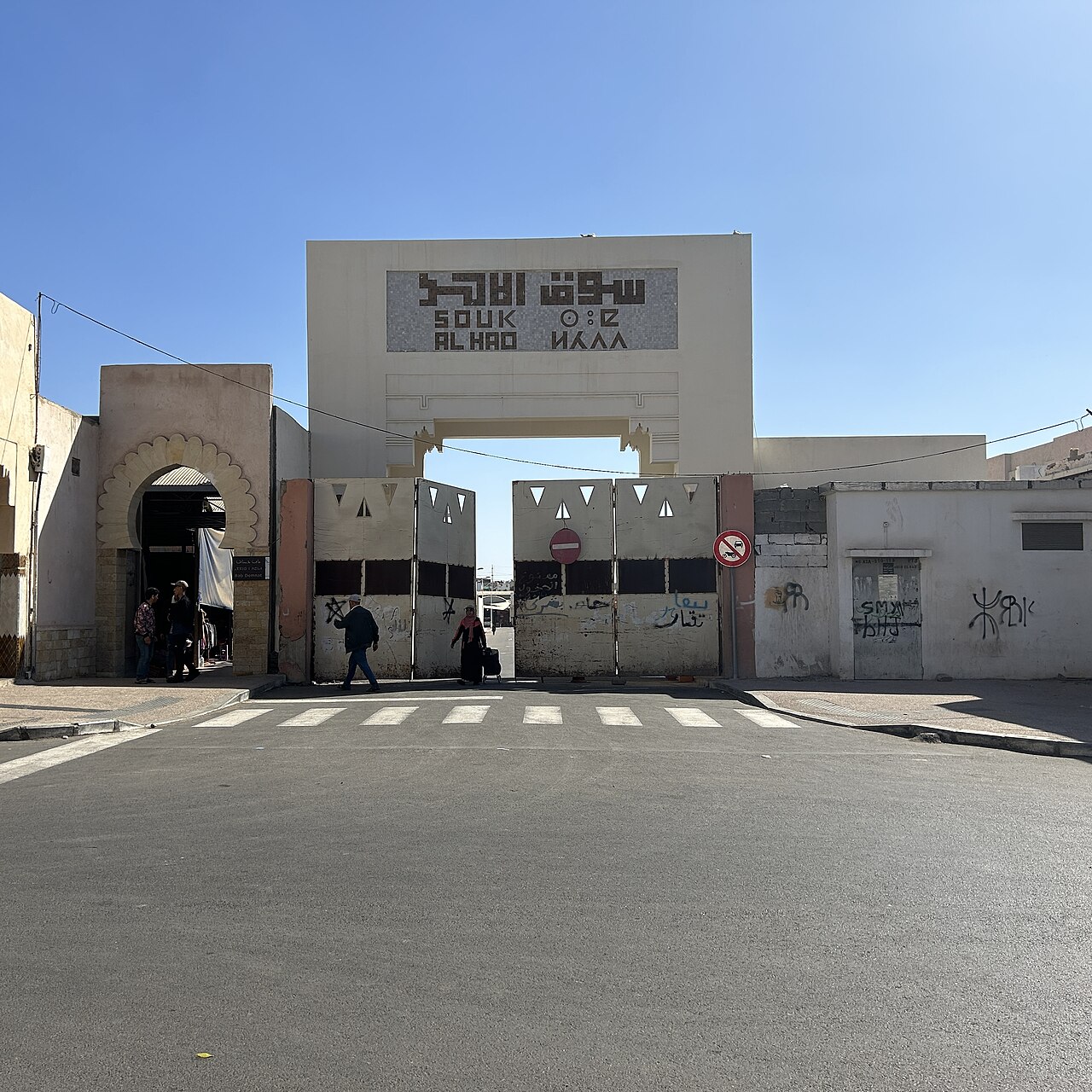
Agadir is often described as having no old town, because the 1960 earthquake destroyed most of the historic city, but a local guide shows that there is plenty of character in what came next. This walking tour winds through Souk El Had and the streets around it, past neighbourhood bakeries, workshops, murals and small squares, and explains how Agadir was planned and rebuilt. You learn about Amazigh culture, the city's fishing and farming roots and the daily rhythms of a modern Moroccan city, with plenty of time for photographs and questions.
The value of a guide here is interpretation. Souk El Had is huge and can feel overwhelming on your own, but with a local you see which sections sell spices, fish, clothes and crafts, learn how to bargain politely and discover stalls you might otherwise miss. The tour also covers quieter lanes, where the pace is slower, and gives you suggestions for cafes and restaurants you can return to.
The free sights remain free, and you can visit them on your own, so think of the tour as a layer of explanation rather than an entry ticket. Wear comfortable shoes and modest clothing, bring a hat and water, and carry small notes. Mondays are a good day to check opening arrangements for the souk, because it closes one day a week, so confirm the schedule when you book.
Mornings are cooler and livelier in the market. Allow around three hours, with a tea or snack stop, and tell the guide about any interests, such as photography, food or crafts, so the route can be shaped to suit. If you are travelling with children, ask about the pace and whether strollers can manage the market lanes. Tipping the guide is customary if you enjoyed the walk.
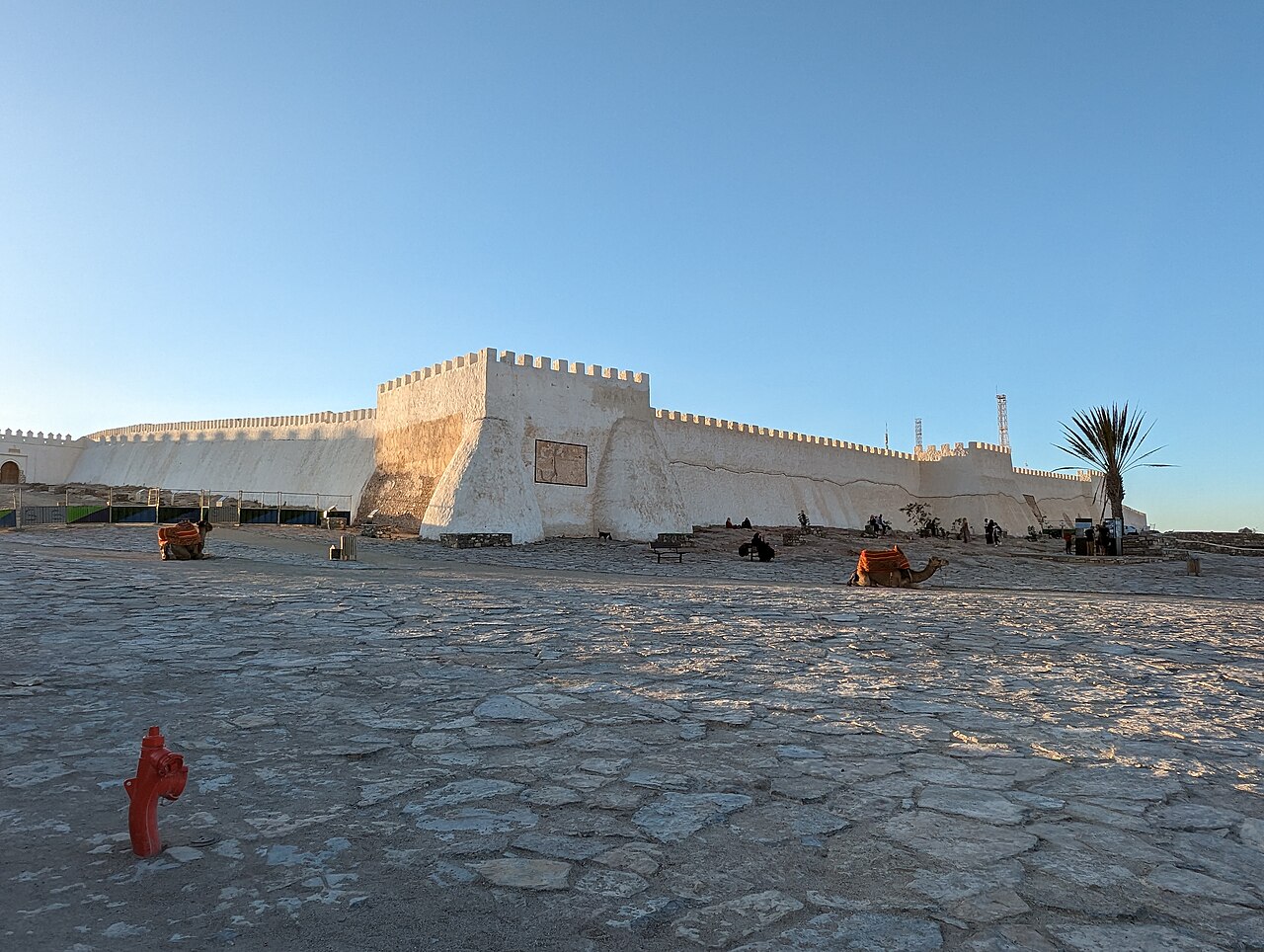
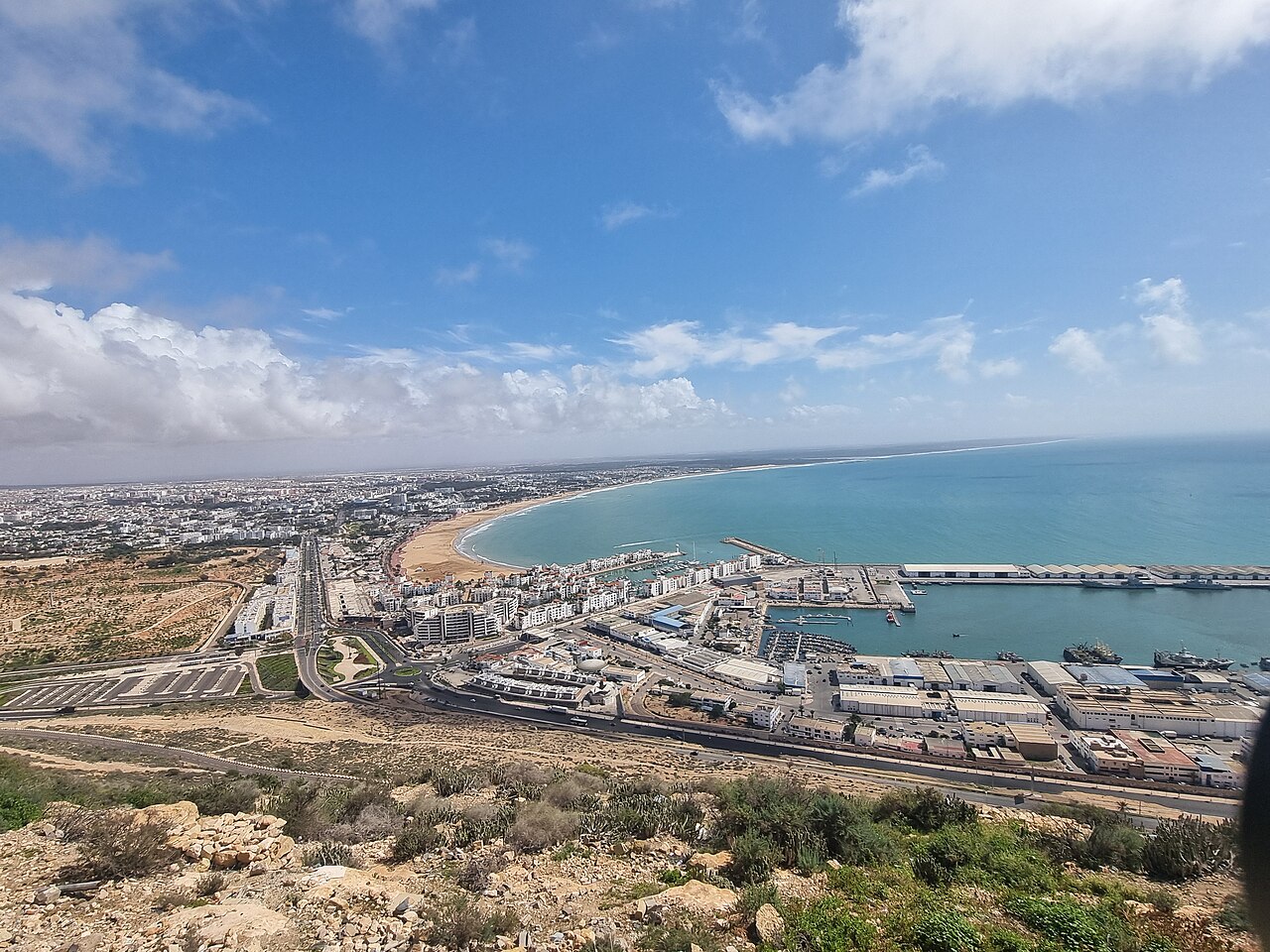
A walking tour is also a good way to build your own list. Note the cafes, bakeries and craft stalls the guide recommends, and ask where to find fresh fish, fruit and argan products at fair prices. Many travellers return to places they discovered on the walk, and the guide can suggest how to reach the Oufella kasbah, the promenade and the marina on foot. A good local introduction on your first morning makes the rest of the stay easier.
What to expect
The experience
A guided walk through Souk El Had and neighbourhood streets with a local explaining culture, rebuilding and daily life.
Best time
Morning, when the market is livelier and cooler.
How long
About three hours.
Tips
Wear comfortable shoes and modest clothes, carry small notes and confirm the souk's weekly closing day.
Quick picks
- Best for
- First-time visitors who want context for the city and its market.
- Families
- Fine for older children; crowds can be tiring for toddlers.
- Couples
- A relaxed way to get to know the city.
- Pair with
- Pair it with a food tour or the cable car city tour.
- Time needed
- A morning.
Good questions
Is there an old town in Agadir?+
Most of the historic city was destroyed in 1960. The tour explains what was rebuilt and what remains.
Does the tour include Souk El Had?+
Yes, it is a main stop. The souk is closed one day a week, so check the schedule.
Is it suitable for children?+
Yes for older children. The market can be crowded.
Do I need to tip the guide?+
Tipping is customary if you enjoyed the tour.
Can I do this on my own?+
The sights are free, but a guide adds interpretation and local tips.