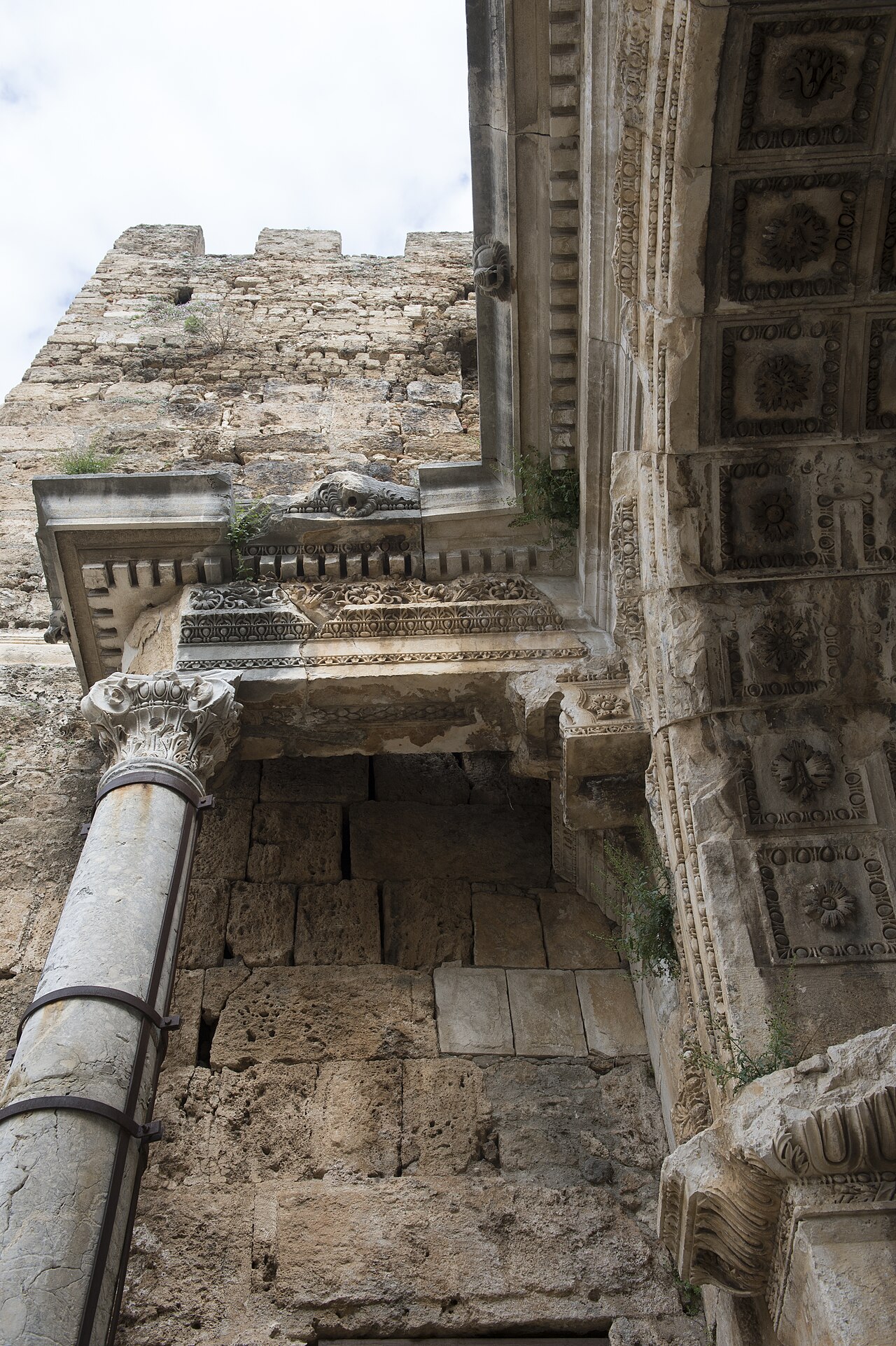
Antalya is two trips in one. There is the city itself, with the walled old town of Kaleiçi, a Roman gate, a harbour under limestone cliffs and the Taurus Mountains behind, and there is the surrounding coast, which holds some of the best-preserved ancient sites in Turkey. Planning around that split is the secret to a good first visit.
What to book ahead
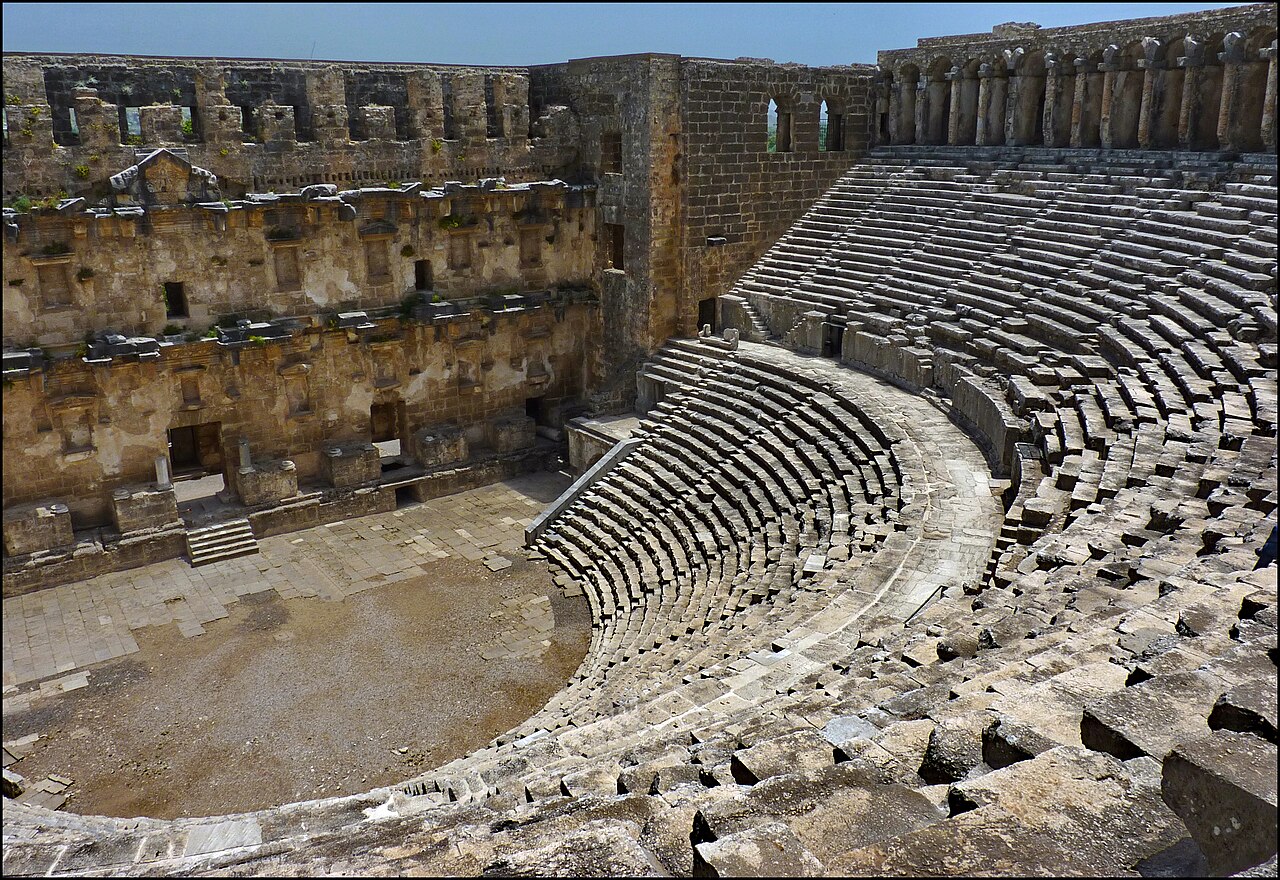
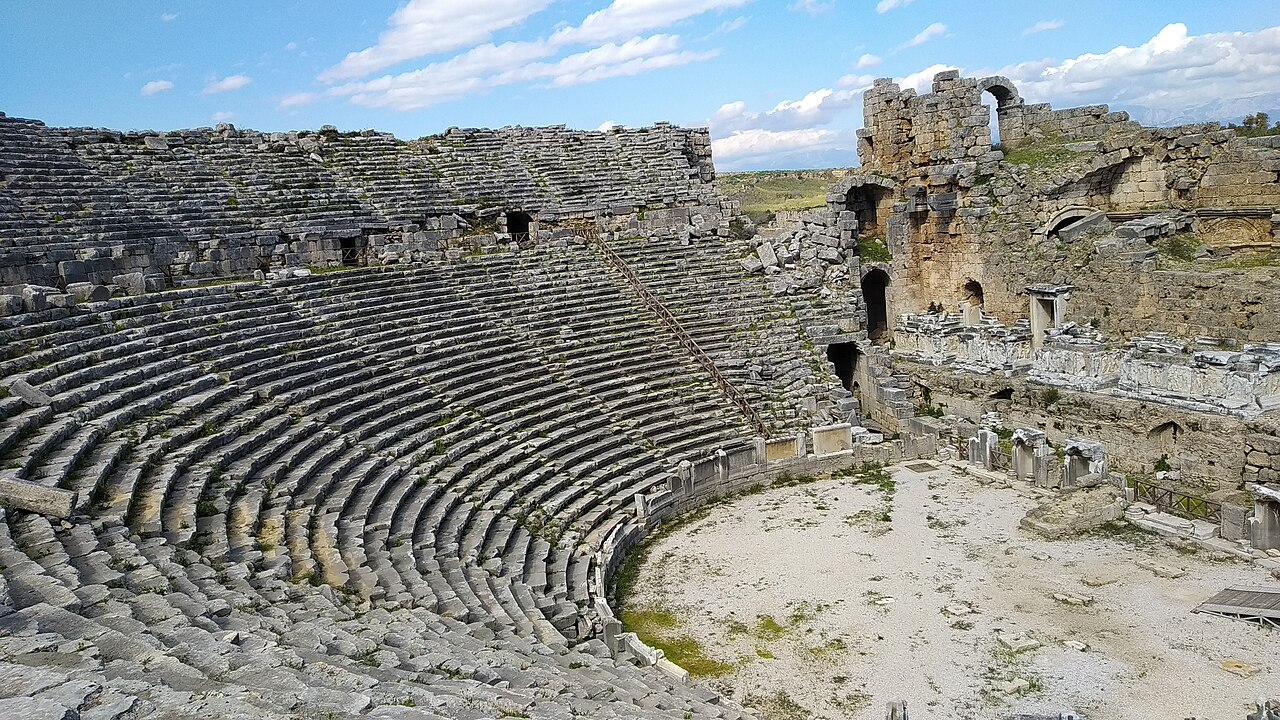
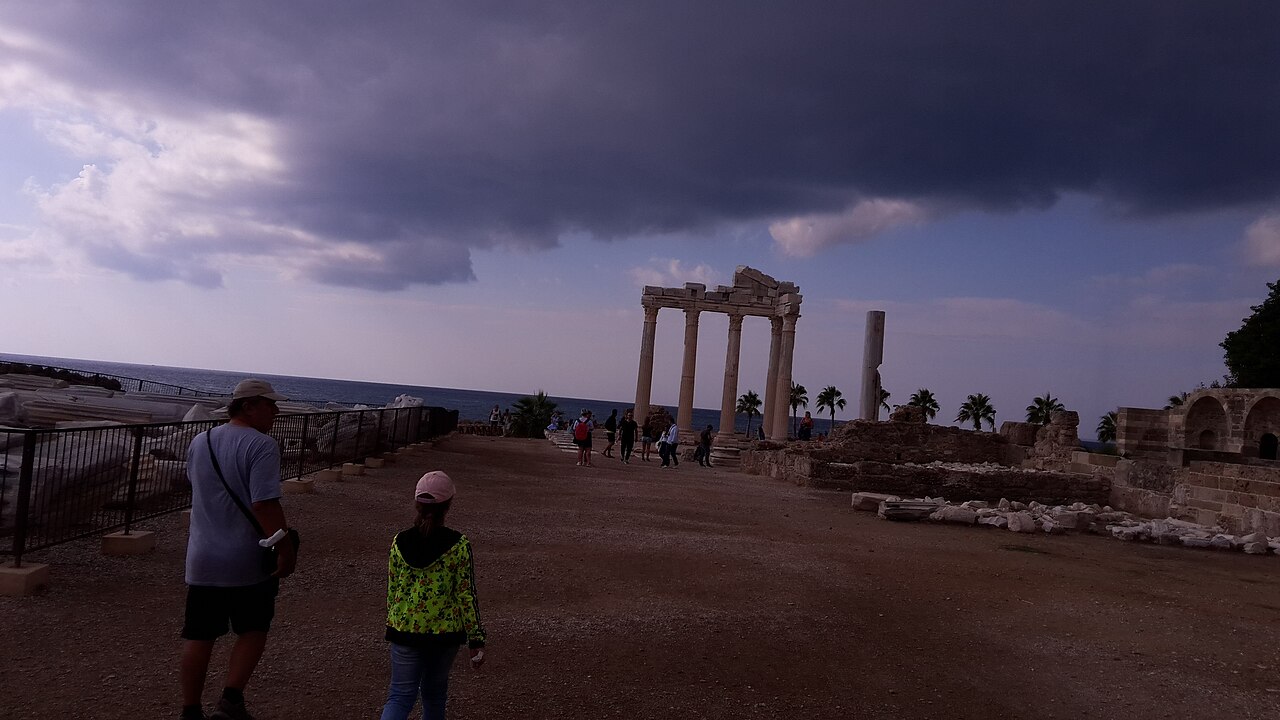
The big-ticket day trips are the things worth securing before you arrive, especially in spring and autumn. A combined tour of Perge, Aspendos and Side, usually with a waterfall stop and lunch, takes most of a day and is the simplest way to see three ancient sites. Pamukkale and Hierapolis is a very long day of ten to eleven hours, so book it for a day when you are rested. A harbour boat trip and the Olympos cable car can usually be arranged a day or two ahead, though weather can affect both. Evening events at the Aspendos theatre are worth checking if your dates match a festival or concert.
How many days
Three full days is a comfortable minimum: one for Kaleiçi and the harbour, one for the Perge, Aspendos and Side trip, and one for a mountain, waterfall or boat day. Four or five days lets you add Pamukkale and a beach day. If you only have two days, do Kaleiçi in the morning and the ancient-sites tour on day two.
How the sights fit together
The old town, Hadrian's Gate, the Yivli Minaret and the harbour are all within a short walk of each other, and the cliff-top park and Hıdırlık Tower are at the edge of the quarter. The Düden waterfalls and Antalya Aquarium are on the outskirts and work best in a half-day with a taxi or a bundled city tour. Perge is about fifteen kilometres east, Aspendos about forty-five minutes away, and Side roughly an hour east; Tahtalı and its cable car are near Kemer, about an hour from the city. Pamukkale lies well inland, three to four hours each way.
Getting around
In the old town you walk, and the lanes are cobbled and uneven, so wear sturdy shoes. In the wider city, taxis and ride apps are inexpensive, and a tram line links the old town with other districts. For the ancient sites and the mountains, organised tours with hotel pickup remove the logistics, while a rental car or private driver gives flexibility for Perge and Aspendos. The airport is roughly half an hour from most of the central and Lara hotels.
The Antalya Museum
The Antalya Archaeological Museum has been closed for demolition and rebuilding, so do not plan a visit there. Instead, rely on the on-site context at Perge, Aspendos and Side, which is where the statues and stones belong in any case.
When to go
Spring and autumn are the sweet spots for sightseeing, with warm days and manageable crowds. July and August are hot, so start early, rest in the afternoon and save the harbour and cliffs for the evening. November is mild, the sea is cooler, some pools and seasonal boats wind down and the ancient sites are pleasantly quiet, though the waterfalls look their fullest in winter and spring.
Practical habits
Carry water and sun protection to every ancient site, because shade is scarce. Keep small bills for tips and small purchases. Check current opening hours and entry rules before any special trip, as some sites close for events or maintenance. If you plan to visit several archaeological sites, ask whether the Turkey Museum Pass is worth buying, because it can cover many of them.
A simple plan
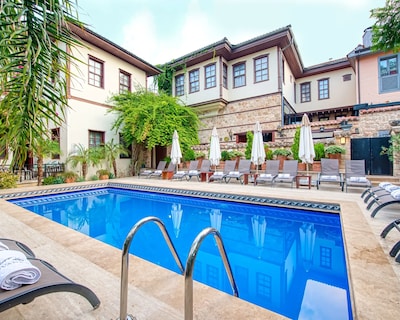
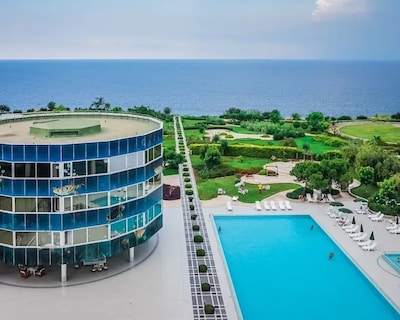
Day one, Kaleiçi on foot, Karaalıoğlu Park and a sunset harbour dinner. Day two, Perge, Aspendos and Side on a combined tour. Day three, a boat trip and the Düden waterfall in the morning, with a free afternoon. If you have a fourth day, add the Olympos cable car, and a fifth, Pamukkale. Stay in Kaleiçi for atmosphere or Lara for a resort feel.