Antwerp is the Belgian city that surprises people. Visitors arrive expecting a port and a diamond market and find a compact old town of Baroque churches and guild houses, some of the best art museums in Europe, a fashion scene with its own museum, and a lively food and café culture. It is big enough to fill three days and compact enough to explore on foot. Here is how to shape a first visit.
How many days
One full day covers the cathedral, the Grote Markt, the MAS rooftop and a museum at a brisk pace. Two days let you add the KMSKA, the Red Star Line Museum and an evening on the Eilandje docks. Three days are ideal, with time for the zoo, Chocolate Nation, the Middelheim sculpture park and shopping on the Meir. Antwerp is also a good base for day trips, with fast trains to Brussels, Ghent and Bruges.
What to book ahead
The KMSKA works with half-hourly time slots, so book online, especially at weekends and for the Thursday late opening. The MAS and the Red Star Line Museum sell tickets with time slots too, and even free entry at the MAS needs a reservation. Chocolate Nation runs on time slots, and its workshops sell out. The zoo is cheaper and quicker with an online ticket. The cathedral, the MAS rooftop, the Middelheim Museum and Antwerp Central Station need no booking at all.
Watch the closing days and restorations
Mondays are the trap: the MAS, the Red Star Line Museum and the Middelheim Museum all close on Mondays. On a Monday, visit the KMSKA, which opens daily, the cathedral, the zoo and Chocolate Nation. The Rubens House residence is closed for restoration until 2030 at the earliest, but its garden and the new Rubens Experience are open. Museum Plantin-Moretus, the UNESCO-listed printing house, is closed for renovation until early December 2026. In the cathedral, one Rubens epitaph triptych is away for restoration. Most museums close on 25 December and 1 January and close early on 24 and 31 December.
Getting in
Antwerp Central Station has frequent direct trains from Brussels and Brussels Airport, plus international trains from the Netherlands. The station is a sight in itself, so take a few minutes to look around the domed hall. If you drive, remember that the city centre is a low emission zone, and foreign-registered cars (except Dutch ones) must be registered online, free of charge, within 24 hours of entering.
Getting around
Walk in the old town, which is compact and pedestrian-friendly, with cobbles, so bring comfortable shoes. For longer hops, De Lijn trams and the premetro connect the station, the Groenplaats, the Eilandje and the Zuid district, and tram 7 runs right to the MAS. The Velo bike-share scheme has stations across the city, including at the MAS and Middelheim. If you plan several museums, ask at the visitor centre in Het Steen about the Antwerp City Pass, which gives free entry to the MAS and other city museums.
Day one: the old town and the river
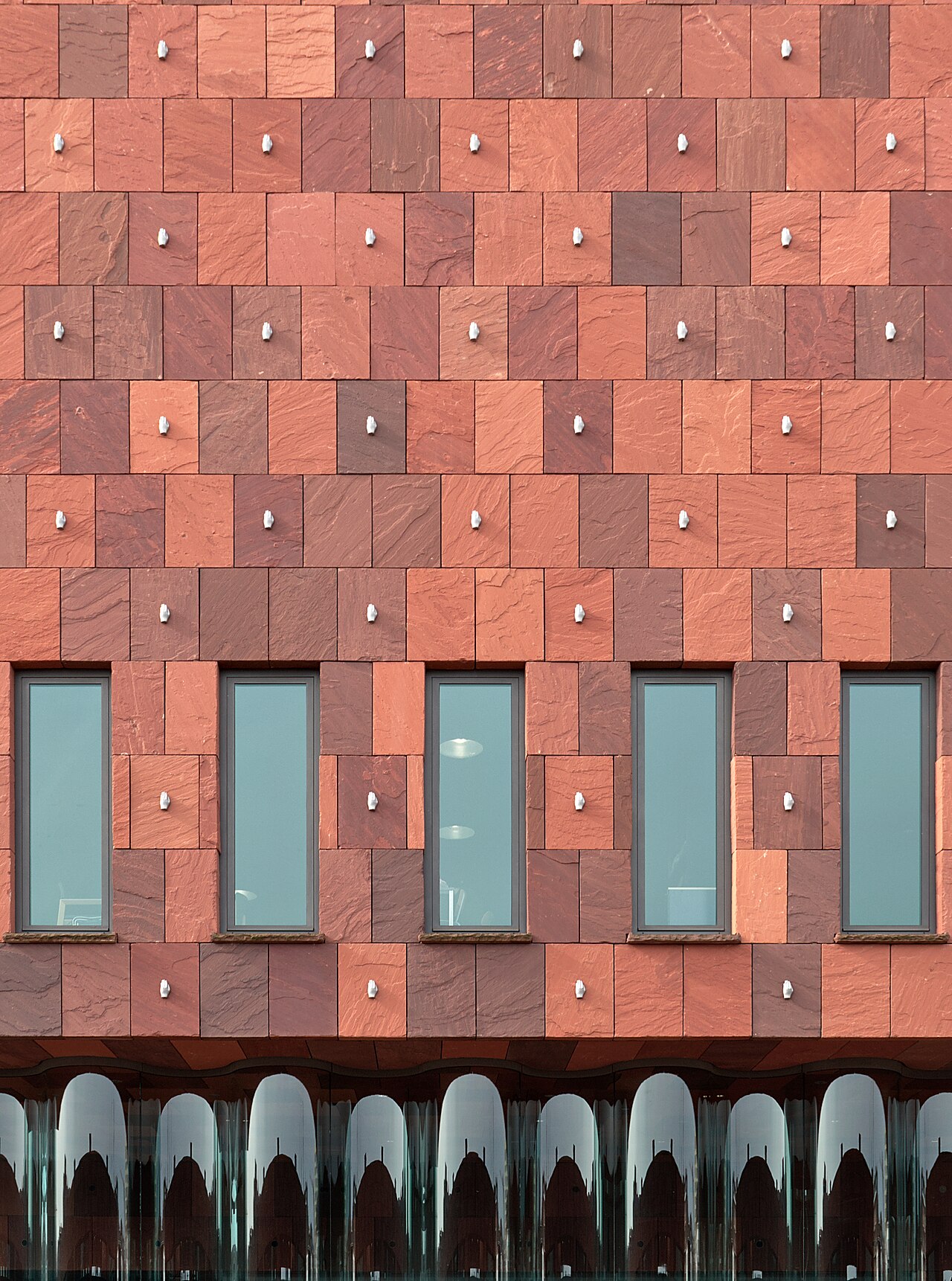
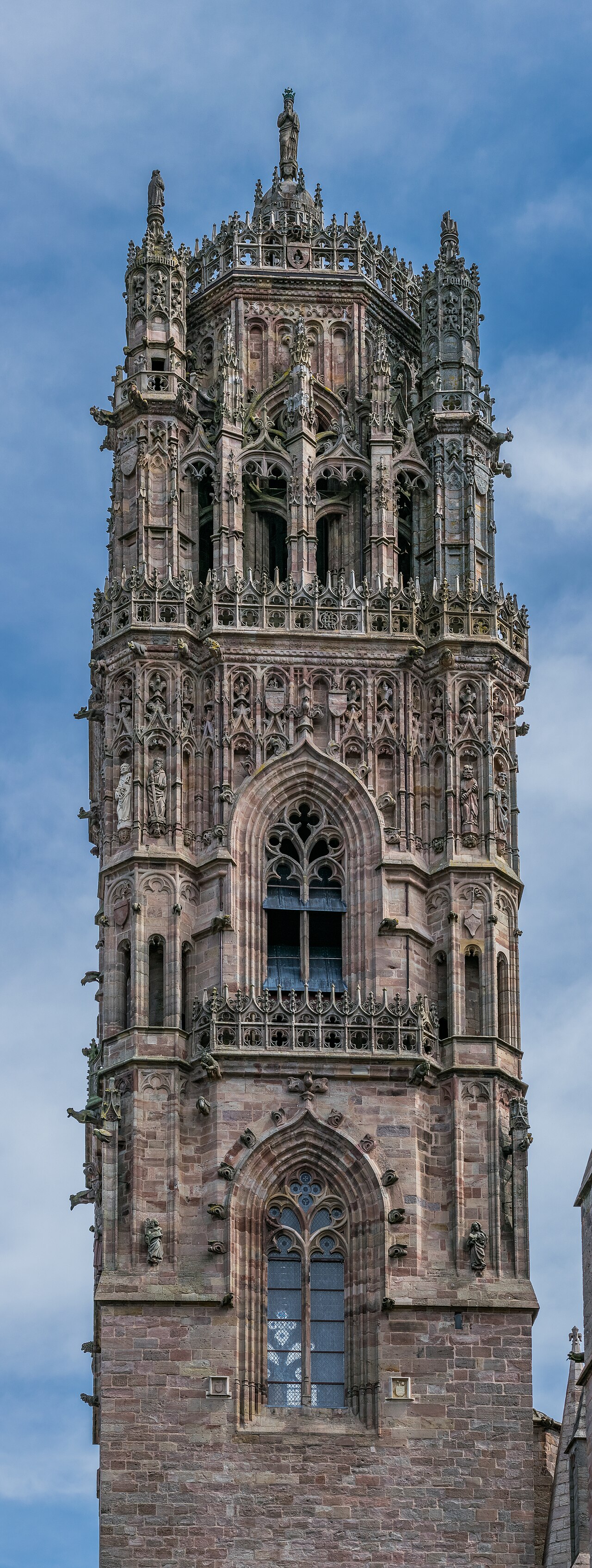
Start at the Cathedral of Our Lady at opening time for the Rubens altarpieces, then walk to the Grote Markt for the City Hall, the guild houses and the Brabo fountain. Continue to Het Steen and the riverside, then walk north to the Eilandje for the Red Star Line Museum. Finish on the MAS rooftop at sunset, which is free and open into the evening, and have dinner by the docks.
Day two: art and Rubens
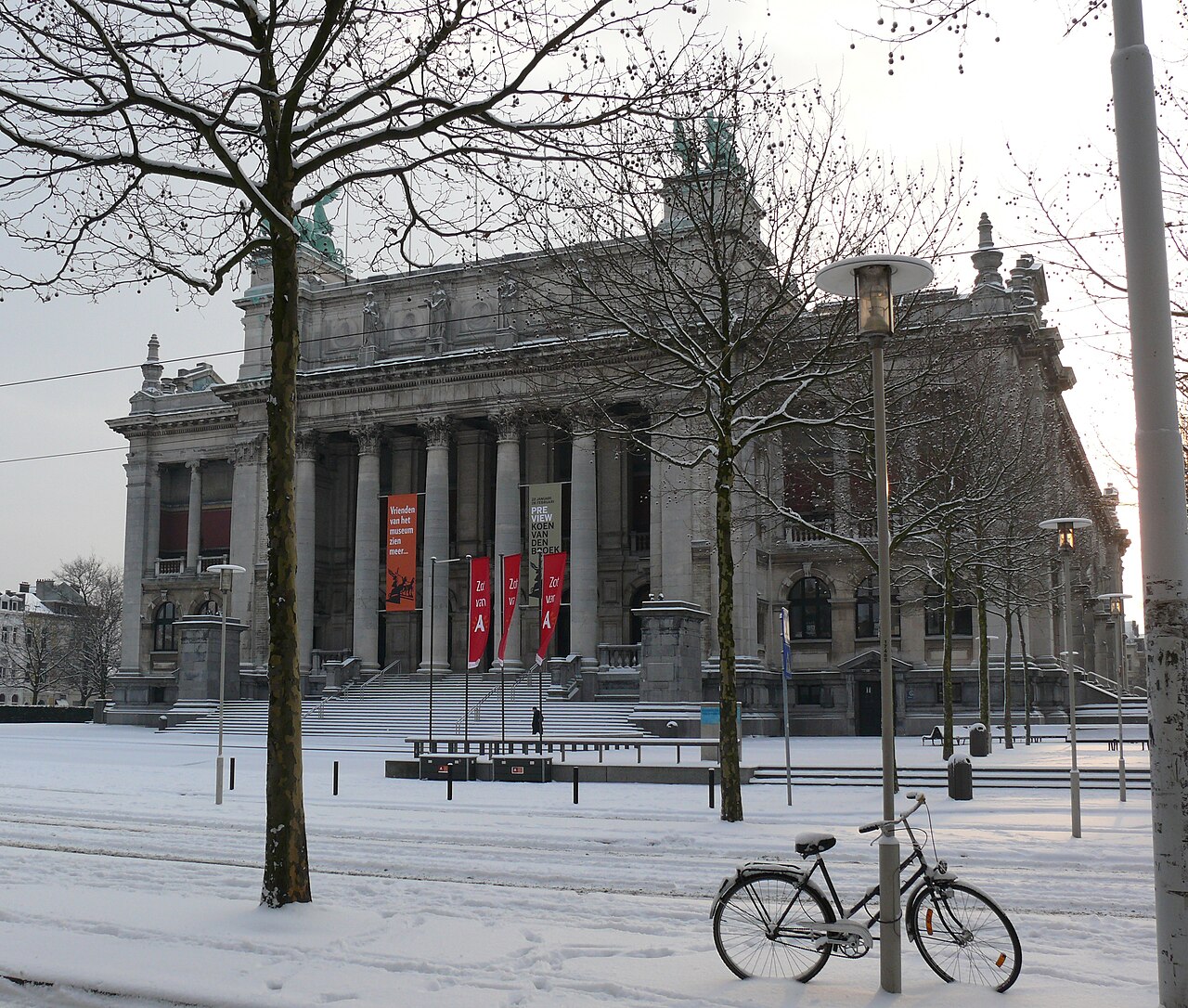
Spend the morning at the KMSKA, with its Rubens hall, Van Eyck and the world’s largest Ensor collection. In the afternoon, visit the Rubens Experience and garden, then shop on the Meir. On a Thursday, swap the order and see the KMSKA at its late opening.
Day three: families, chocolate and green space
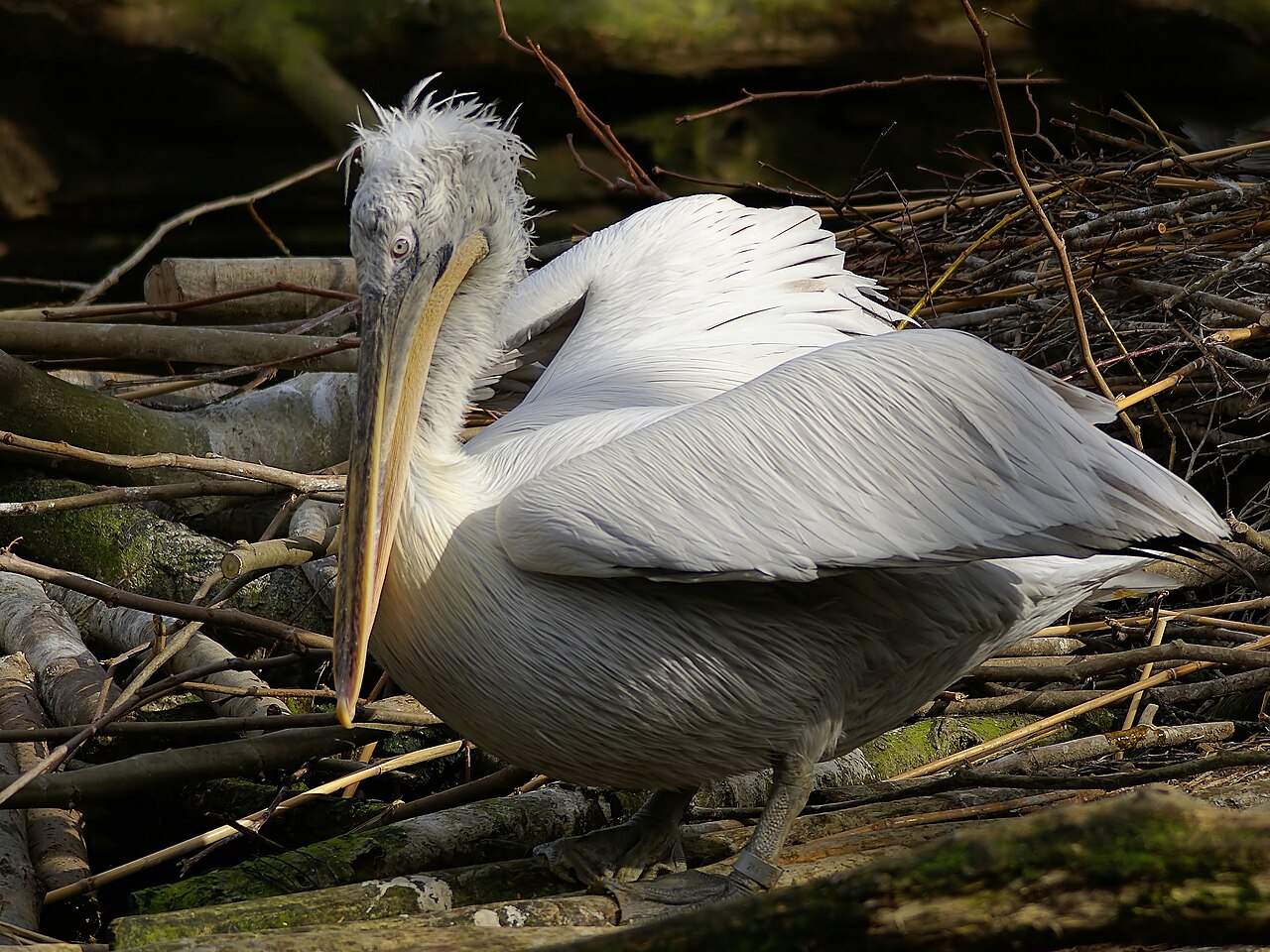
Spend the morning at the zoo next to the station, then cross the square to Chocolate Nation. In the afternoon, take a bike or bus to the Middelheim Museum for free sculpture among the trees, or take a train to Ghent or Bruges.
Money and manners
Belgium uses the euro and cards are accepted almost everywhere, and some museums are cashless. Service is included in restaurant bills, but rounding up is appreciated. Antwerp is Dutch-speaking, and English is widely spoken. Belgian beers are often strong, so pace yourself.