Clearwater Marine Aquarium asks to be judged by a different yardstick than the tank giants: it is a working rescue, rehabilitation, and release hospital that happens to admit visitors — the institution made famous by Winter, the tail-less dolphin of the Dolphin Tale films, whose prosthetic-tail story put this modest Clearwater facility on the world map. Winter's legacy now anchors the story (she passed in 2021; her exhibit and the films' artifacts tell it honestly), while the residents carry the mission forward: rescued dolphins like Hope and company who can't survive the wild, sea turtles in every stage of rehab, manatees convalescing in the expanded habitats the film fame funded, plus otters, pelicans, and the stingray-touch layer. Visits run behind-the-scenes-adjacent by design — surgery-suite windows, rescue-boat docks, keeper talks that are case histories — and the admission literally funds the stranding network. Pair it with Clearwater Beach's sugar sand a bridge away; book online, mornings for the animal activity.
The institution's arc is the Gulf Coast's best underdog story: a 1970s marine-science project in a former water-treatment plant, scraping along as a rescue hospital until a baby dolphin tangled in a crab-trap line arrived in 2005 missing her tail flukes. Winter's survival, the prosthetic tail engineered for her, and the 2011 film (shot on site, sequel to follow) transformed the facility — tens of millions in expansion followed, building the deep-water dolphin complex, the manatee rehabilitation wing, and the surgical and stranding infrastructure that now anchors marine rescue for this stretch of Gulf — without transforming the identity: patients first, guests second, release the goal whenever biology allows.
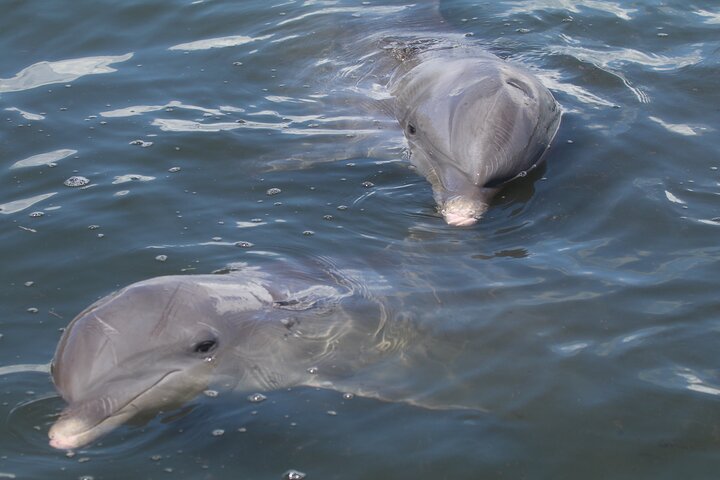
Visiting reads accordingly. The resident dolphins — animals deemed non-releasable, Hope (Winter's film co-star) the best known — occupy the big habitats with training sessions run as physical therapy and enrichment rather than shows; the sea turtle wing runs from ICU tanks to pre-release pools with patient charts posted like a hospital ward (because it is one); manatee rehab, river otters, sharks, rays, and the touch tanks fill the galleries; and the Winter's Legacy exhibits — her story, the prosthetics, the films' props — handle the memorial with the directness kids deserve.
Keeper talks are the schedule's spine
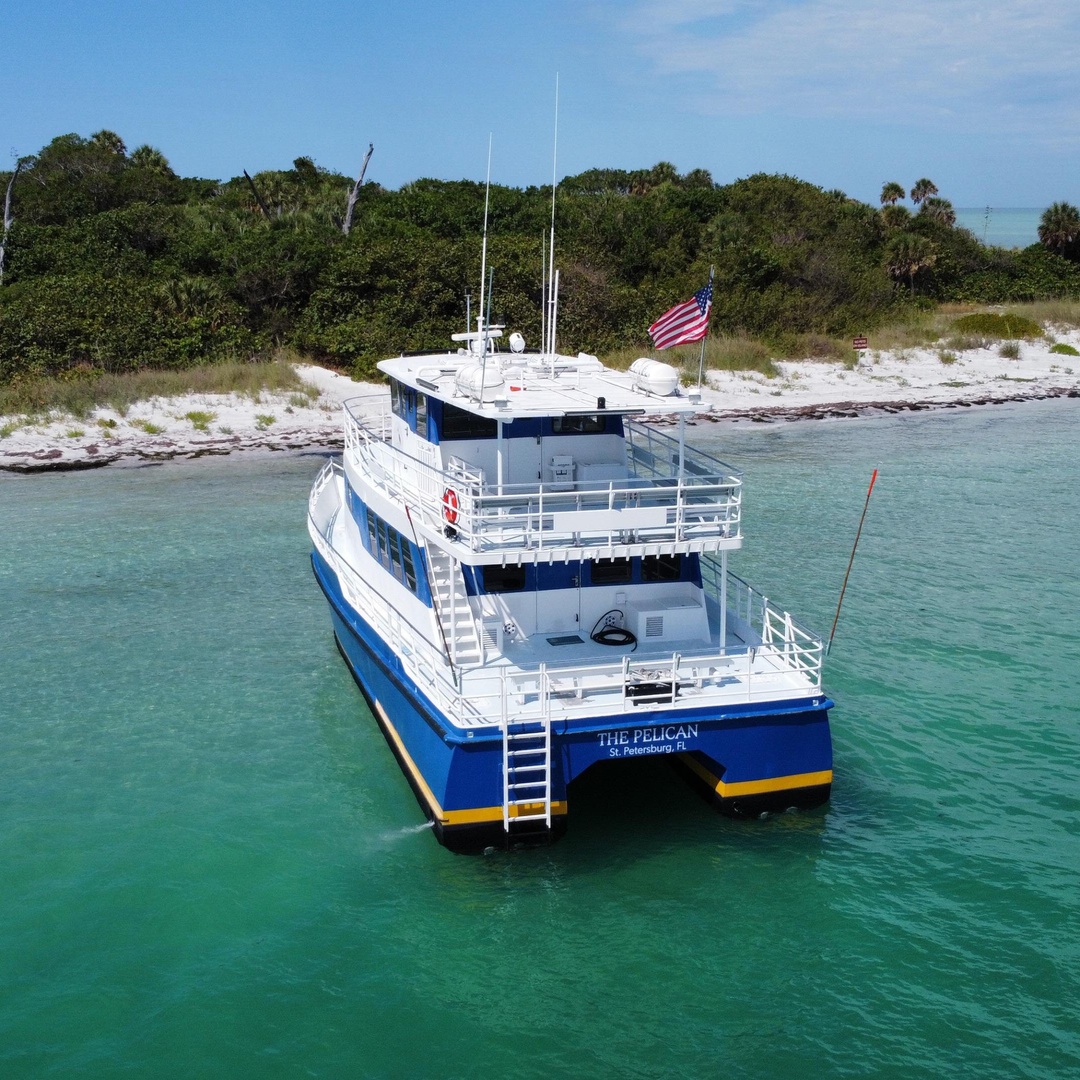
Case histories, release counts, and the stranding-line pitch, with behind-the-scenes tours and animal encounters as bookable upgrades. Boat tours into Clearwater's channels (dolphin-spotting the wild cousins) run seasonally from the dock.
Honest sizing and strategy
This is a hospital with exhibits, not a mega-aquarium — two-to-three hours covers it well, the whale-shark comparison is the wrong rubric, and families primed with the films get the most from it (watch Dolphin Tale the week before; the on-site filming locations land). Mornings bring the active animals and thinner crowds; summer middays crowd with beach refugees.
Online tickets run timed in peak season; the beach itself — Clearwater's ranked, bustling strand — sits across the bridge for the obvious pairing, and this market's with-kids guide builds the full day around both. The admission-as-donation framing is real: this is the ticket in the market where the money most directly becomes animal care.
What to expect
The experience
A working marine rescue hospital with visitors — resident rescued dolphins, sea turtle and manatee rehab wings, Winter's Legacy exhibits from the Dolphin Tale films, and keeper talks run as case histories. Two-to-three hours, mission-funded admission.
Best time
Mornings — active animals, training sessions underway, and the beach crowds still on the sand. Summer middays run thick.
How long
Two to three hours; add a boat tour or encounter for the half-day.
Tips
Watch Dolphin Tale beforehand with kids — the on-site locations land harder. Build the loop around the posted talk schedule. Book the behind-the-scenes tour if rescue work is the draw. Clearwater Beach across the bridge completes the day.
Quick picks
- Best for
- Families who want the mission with their animals — the ticket where admission most directly becomes care.
- Families
- Rescued dolphins, turtle patients with charts, the films' story told straight — kids leave wanting to be marine vets.
- Couples
- The quieter morning hours among the rehab wings run unexpectedly moving — this is a hospital that lets you visit.
- Pair with
- Clearwater Beach's sand across the bridge, or the seasonal dolphin boat from the aquarium's own dock.
- Time needed
- Two to three hours.
Good questions
Is Winter still there?+
Winter passed away in 2021 — the aquarium tells her story honestly through the Winter's Legacy exhibits, her prosthetics, and the films' artifacts, while residents like Hope carry the mission she made famous.
How does it compare to the big aquariums?+
Different species of institution — a working rescue hospital with exhibits rather than a tank palace. Judge it by mission and intimacy, give it two-to-three hours, and it over-delivers.
What will kids actually see?+
Resident dolphins in training sessions, sea turtles from ICU to release-ready, manatee rehab, otters, rays to touch, and the rescue boats and surgery windows that make the hospital real.
Are there live shows?+
Sessions, not shows — training and enrichment run as physical therapy with keeper narration. The schedule of talks is the visit's spine; check it at entry.
Does the ticket really fund rescue?+
Directly — admission underwrites the stranding network, rehab wings, and release program. It's the market's most honest "your ticket helps" claim.