The National Mississippi River Museum & Aquarium in Dubuque, Iowa, is a freshwater aquarium with a museum attached, and it tells one story thoroughly: the Mississippi River. It stands in the Ice Harbor area of Dubuque's riverfront, on the bluffs where Iowa, Illinois and Wisconsin meet, at the center of the Upper Mississippi. The campus combines indoor aquarium galleries with museum halls about river history, steamboats, barges and the lives of the people who worked on the water. The setting is fitting, as visitors can step outside and watch real towboats and barges moving through the locks. For anyone interested in freshwater life rather than coral reefs, the aquarium is a refreshing alternative: the animals are those of the great river, from giant catfish and paddlefish to alligator gar and turtles.
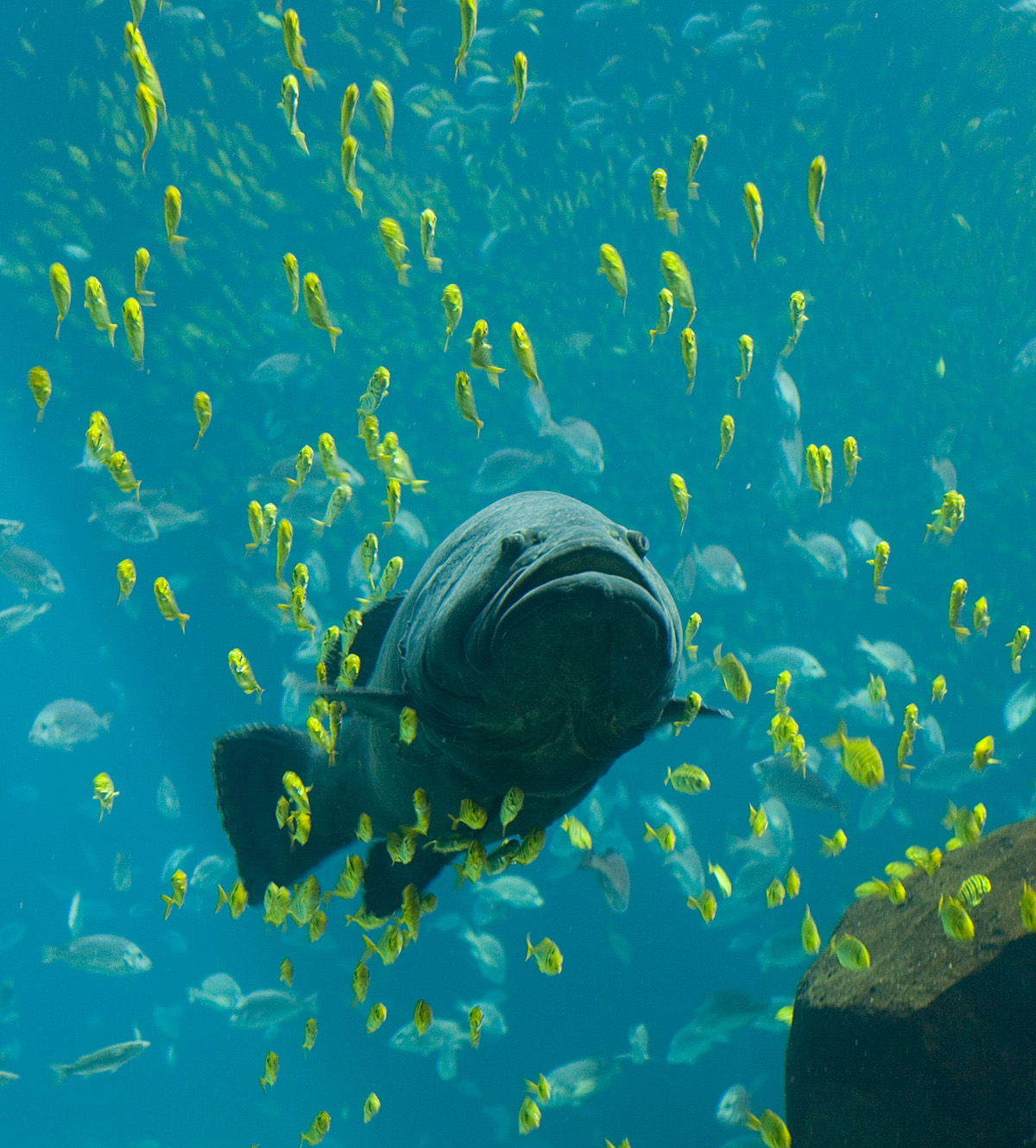
The aquarium follows the river from its upper reaches in the north to its delta, so visitors see how species and habitats change along the way. Big river fish are the stars, and some are surprisingly large and prehistoric in appearance. A touch area lets children handle certain animals under supervision, and there are exhibits on the river's wetlands, backwaters and mussels, which are a quiet but important part of its health. Seasonal displays and educational programs round out the visit.
The museum side is just as important. Historic boats, exhibits on the packet trade and the logging era, and an outdoor area with vessels moored on the harbor bring the river's working past to life. The complex has also been associated with national river history programs, and the interpretive approach is serious without being dry. Together, the aquarium and museum make a coherent half-day.
Practicals
Dubuque is on the Mississippi River about three hours west of Chicago and a similar distance from Madison and Des Moines. The museum is a short walk from the downtown and the riverfront trail, with parking nearby. A visit takes two to three hours, depending on how much time you spend on the museum exhibits. Summer weekends are the busiest, and winter is a quiet and cheap time to visit, with the added bonus of eagles along the river, which gather in colder months. Elevators and ramps serve the galleries.
Honest framing
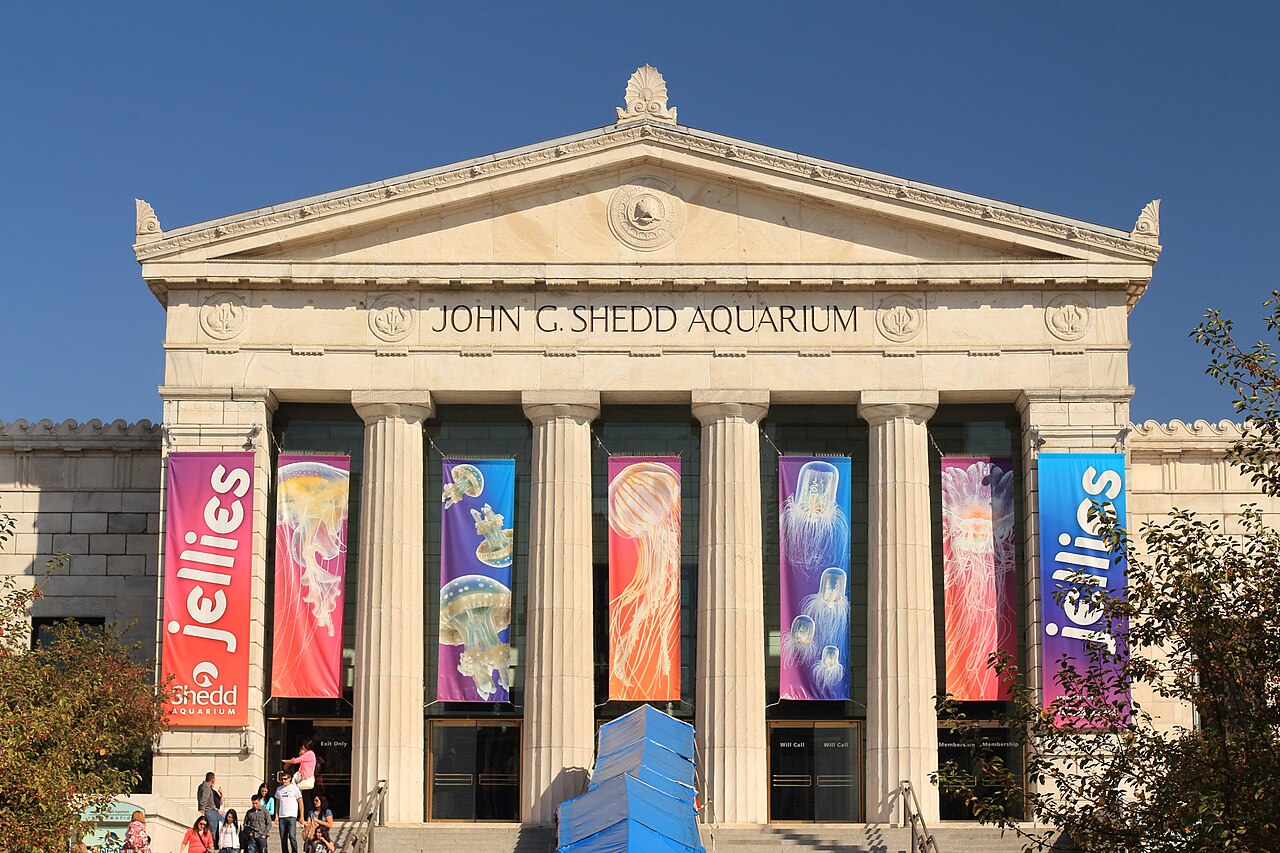
This is a regional museum and aquarium, smaller than the major national institutions, with a freshwater focus that some visitors will find less glamorous than sharks and reefs. For readers who like river history, birdwatching and a quiet museum, that focus is the reason to come. Pair it with Shedd in Chicago for a contrast of a lake and a river, or with the Tennessee Aquarium in Chattanooga for a different freshwater story.
Who it suits best
River-history fans, birdwatchers and families with school-age children who like big, odd-looking fish. Who might skip it: visitors who want tropical color. Walk the harbor outside after the galleries, watch for towboats at the nearby lock and dam, and consider a winter visit if you want to pair the museum with eagle watching.
What to expect
The experience
A freshwater aquarium and river museum on the Dubuque riverfront, following the Mississippi from headwaters to delta, with historic boats and a working harbor outside.
Best time
Weekday mornings; winter is quiet and the river eagles are a bonus.
How long
Two to three hours.
Tips
Combine the aquarium with the museum halls and the outdoor boats, and step outside to watch barges at the locks.
Quick picks
- Best for
- Freshwater fish and river history on the Upper Mississippi.
- Families
- Good for school-age children who like big river fish and boats.
- Couples
- A riverfront walk and dinner in Dubuque round out the day.
- Pair with
- Shedd Aquarium in Chicago or the Tennessee Aquarium in Chattanooga.
- Time needed
- Two to three hours.
Good questions
Where is the National Mississippi River Museum & Aquarium?+
In the Ice Harbor area of Dubuque's riverfront in Iowa, on the Mississippi River.
What animals will I see?+
Big river species such as catfish, paddlefish and alligator gar, plus turtles, mussels and other freshwater life.
Is it more than an aquarium?+
Yes. The campus includes museum halls on river history and historic boats moored outside.
When is the best time to visit?+
Any time of year; winter is quiet and bald eagles gather along the river in the colder months.
How long does it take?+
Two to three hours for the aquarium and museum together.