Tanzania grows some of East Africa's best coffee, and the slopes around Arusha and Kilimanjaro have grown it for generations. A traditional coffee experience takes you into a family or village setting where the beans are roasted over a fire, pounded in a wooden mortar and brewed in a pot, then shared with the traditional snacks that go with it. It is less about the technology of a modern plantation and more about the ritual of hospitality. The format is hands-on and short, which makes it easy to fit around a larger itinerary. You take part rather than watch: you may shake the roasting pan, swing the pestle and pour the finished cup. Hosts explain the history of coffee in the area, how Chagga and Meru families have farmed it and how the crop supports local education and income.
What happens
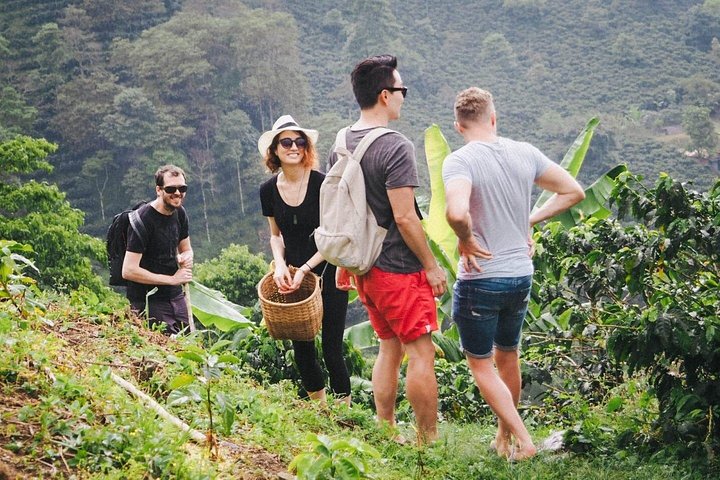
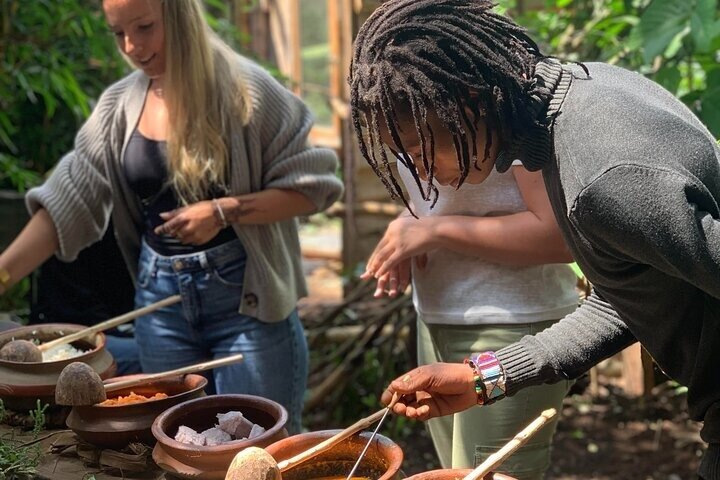
A typical session begins with a short walk through banana and coffee plants, where you see the berries at different stages of ripeness. The beans are then dried, roasted on a pan over an open fire and ground by hand. The coffee is boiled and served black, often with sugar and perhaps spices. You may be offered fried bananas, roasted maize or other local snacks.
The cultural side
Hospitality is central. In many households, serving coffee is a sign of welcome and respect, and sharing a cup creates space for conversation. Hosts may talk about family life, traditions and the changing role of coffee. Ask questions, but also listen, since the stories are as valuable as the flavour.
Comparing options
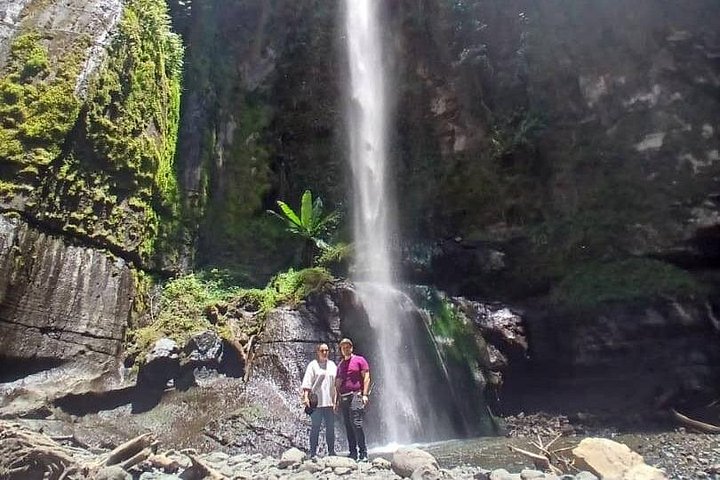
If you are interested in a larger tour with a waterfall walk and a full coffee demonstration, the Materuni and Napuru experiences go further. This one is shorter and simpler, with a focus on the traditional brewing ritual, and it suits travellers who have limited time or who do not want a long hike.
Tasting and buying
You can usually buy ground or whole-bean coffee at the end, often directly from the family, which makes a good gift. Ask how the beans were grown and processed and whether the coffee is single-origin. If you plan to travel with coffee, check whether it can be packed in vacuum-sealed bags for the journey home.
Practical notes
Wear comfortable clothes that can handle smoke and dust. Tell your host about allergies or dietary needs. The experience is suitable for families, and children often enjoy pounding the beans. Allow time for conversation, and bring small cash for tips and purchases. It is also a gentle option for a rest day, as it asks for little energy and gives a lot of warmth and flavour in return.
A word on timing and variety
Some hosts offer the experience as part of a longer village visit, while others run it as a stand-alone stop of a couple of hours. If you have a free afternoon, ask whether the session can be combined with a short walk through the plantation or a family meal. You can also ask your host to show you how different roast levels change the taste, which is a simple way of learning what you like and how to buy better coffee at home.
What to expect
The experience
A hands-on session roasting, grinding and brewing coffee with a local host, with snacks and conversation.
Best time
Morning or afternoon; the session suits any time of year.
How long
Two to three hours.
Tips
Wear clothes that can handle smoke, mention dietary needs and bring small cash for coffee to take home.
Quick picks
- Best for
- Coffee lovers and curious travellers who want a short cultural stop.
- Families
- Children enjoy pounding beans and tasting snacks.
- Couples
- A warm, easygoing experience that is friendly and personal.
- Pair with
- A walking tour, the cooking class or the Cultural Heritage Centre.
- Time needed
- A couple of hours.
Good questions
Is the coffee strong?+
Traditional coffee is usually served strong and black. Ask for sugar or milk if you prefer.
Can I buy coffee to take home?+
Often yes, directly from the host. Ask about packing for travel.
Is it suitable for children?+
Yes. Children can join in the pounding and tasting snacks.
How is it different from Materuni?+
This is a shorter ritual-focused session, while Materuni adds a waterfall walk and a farm visit.
Do I need to book ahead?+
Booking ahead is wise so that the host is ready for you.