Western North Carolina has a deep craft tradition, and few crafts are as primal as blacksmithing. A forge workshop outside Asheville lets you join that tradition for an afternoon, heating steel until it glows, striking it on an anvil and shaping it into a blade that you made yourself. It is a physical, absorbing activity, and it gives you something real to take home: a handmade object and a new respect for the people who have worked metal in these mountains for generations. The workshop appeals to visitors who prefer doing to watching. It suits couples looking for a memorable shared experience, friends celebrating an occasion, and solo travelers who want to meet a craftsperson and learn a skill. No previous experience is required. The instructor handles the safety briefing, the demonstrations and the trickier steps, and you are guided through each stage so that the end result looks like the work of an apprentice rather than an accident.
What happens at the forge
Sessions generally begin with a briefing on safety and an overview of the tools, such as the forge, anvil, hammer and tongs. You then work with the instructor to heat a bar of steel, draw it out, shape the point and refine the edge by hammering, with plenty of encouragement and correction.
Depending on the workshop, finishing steps such as grinding, quenching or handle work may be done by the instructor or left for the end. Check the tour details for exactly what you make, what you can take home and whether anything is shipped afterward.
The craft context
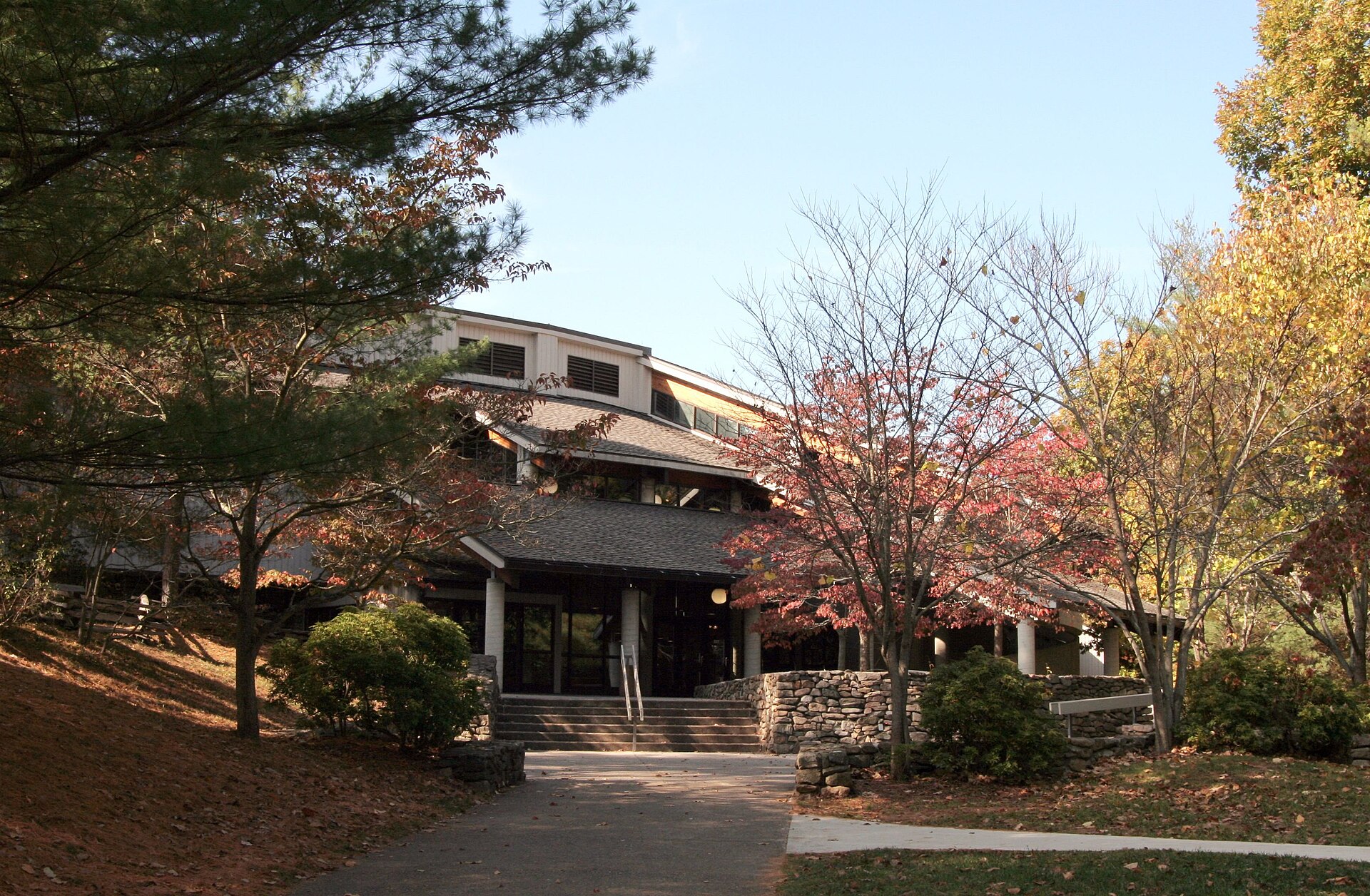
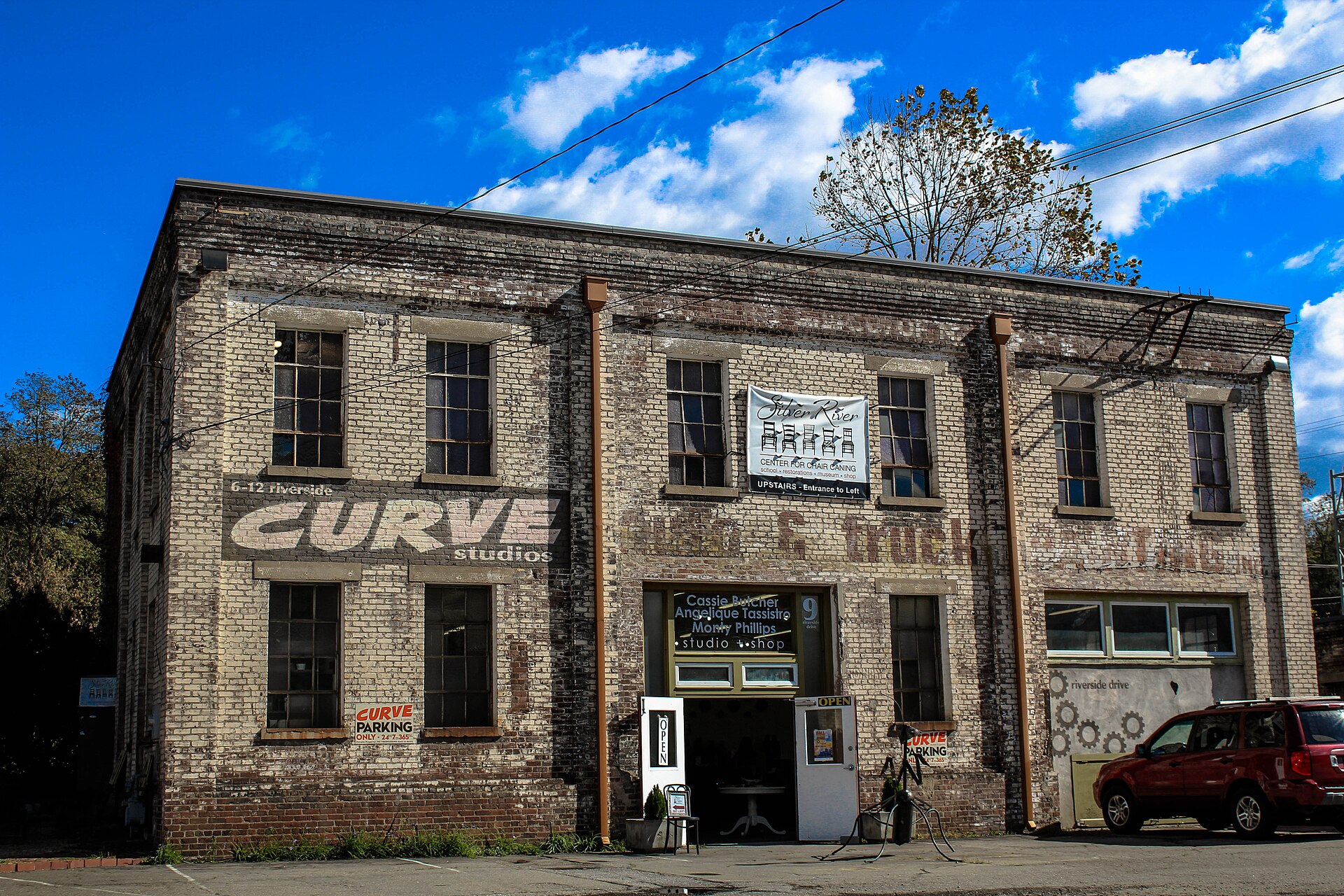
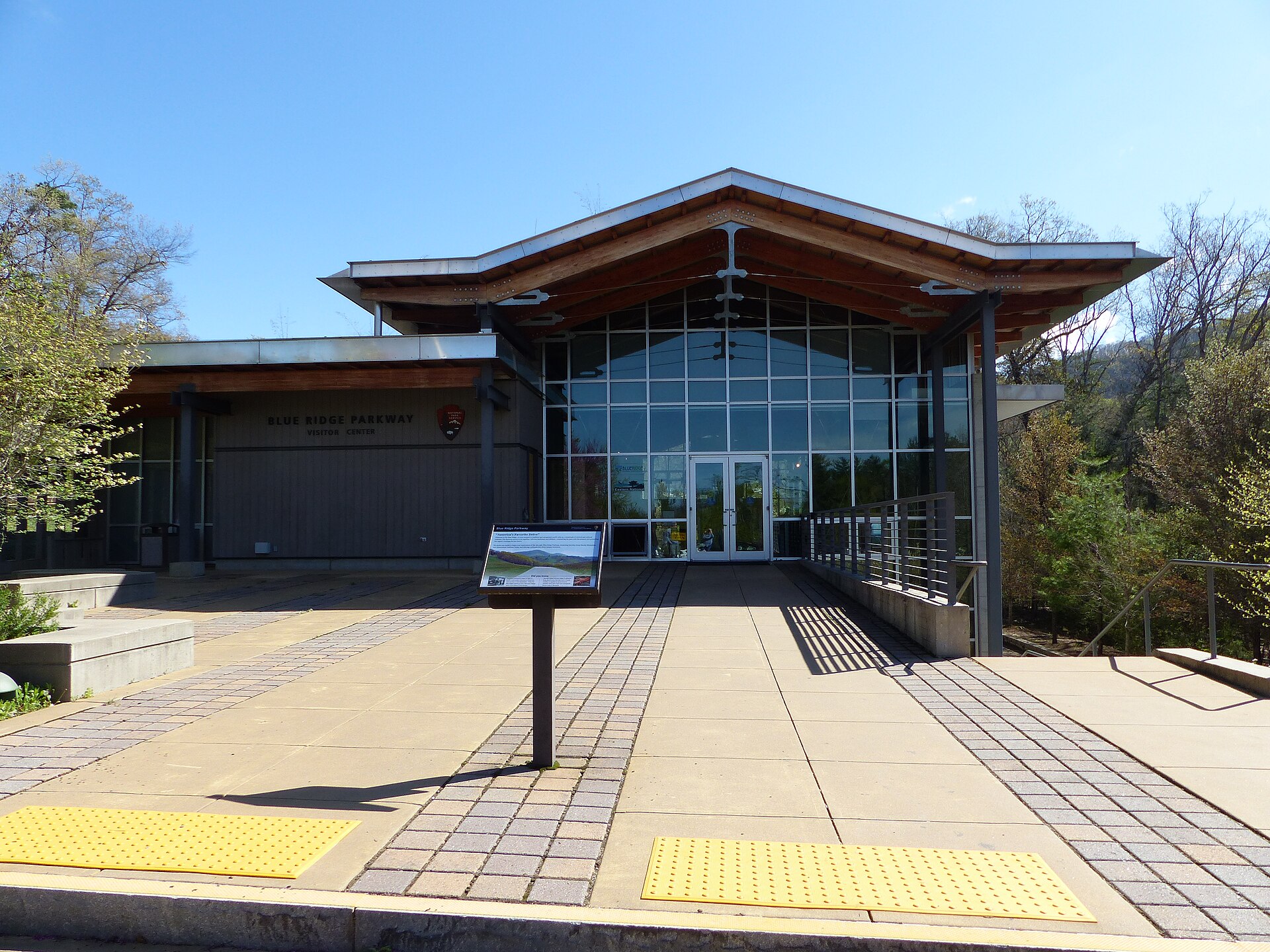
The Southern Appalachians have a long metalworking heritage, from farm blacksmiths who made tools and hardware to modern artisans who sell through galleries and guilds. The Folk Art Center on the Blue Ridge Parkway and the studios of the River Arts District showcase this living tradition, so a forge session pairs naturally with a visit to either. Seeing finished work by professional makers helps you appreciate the skill behind what you tried.
Preparing for the session
Wear closed leather or sturdy shoes, long trousers made of cotton or wool rather than synthetic fabric, and avoid loose sleeves or dangling jewelry. Tie back long hair and expect to get sooty and warm; forges run hot, especially in summer. Bring water and plan a snack. There are usually age and ability requirements because of the heat and tools, so check them before booking, and let the operator know about any health concerns.
Fit
The workshop is a strong pick for visitors who want a hands-on activity, a gift-worthy creation and a story to tell afterward. It is less suitable for anyone sensitive to heat, noise or physical effort, and it is not a good choice for younger children. Combine it with a gallery visit or brewery stop afterward to round out the day.
Good to know
Because the workshop is physical and run by a working craftsperson, sessions can be small, so booking ahead is wise, especially in autumn and around holidays. Tell the instructor about any wrist, back or heat sensitivity so they can adjust tasks. Ask about transport and parking, as forges are often outside the city center on rural roads.
What to expect
The experience
A guided, hands-on workshop at a forge near Asheville where you heat and hammer steel into a blade under an instructor's supervision.
Best time
Any season; cooler months make the forge more comfortable.
How long
Check the tour details for the session length, location and what you take home.
Tips
Wear closed leather shoes and cotton or wool clothing, tie back hair and avoid loose sleeves.
Quick picks
- Best for
- Hands-on travelers who want a memorable skill and a handmade souvenir.
- Families
- Check age rules; the heat and tools make it better for teens and adults.
- Couples
- A shared, one-of-a-kind activity with a keepsake at the end.
- Pair with
- The Folk Art Center, the River Arts District or a downtown dinner.
- Time needed
- Half a day including travel to the forge.
Good questions
Do I need blacksmithing experience?+
No. The instructor teaches every step and supervises the hot work.
What should I wear?+
Closed leather shoes, long cotton or wool trousers and a fitted top. Avoid loose sleeves, synthetic fabrics and dangling jewelry.
Do I take the blade home?+
Workshops are designed so you leave with your creation, but finishing steps and shipping vary. Confirm in the tour details.
Is it safe?+
The instructor gives a safety briefing and supervises throughout. Follow instructions and wear the protective gear provided.
Can children take part?+
Age limits apply because of the heat and tools. Check the minimum age before you book.