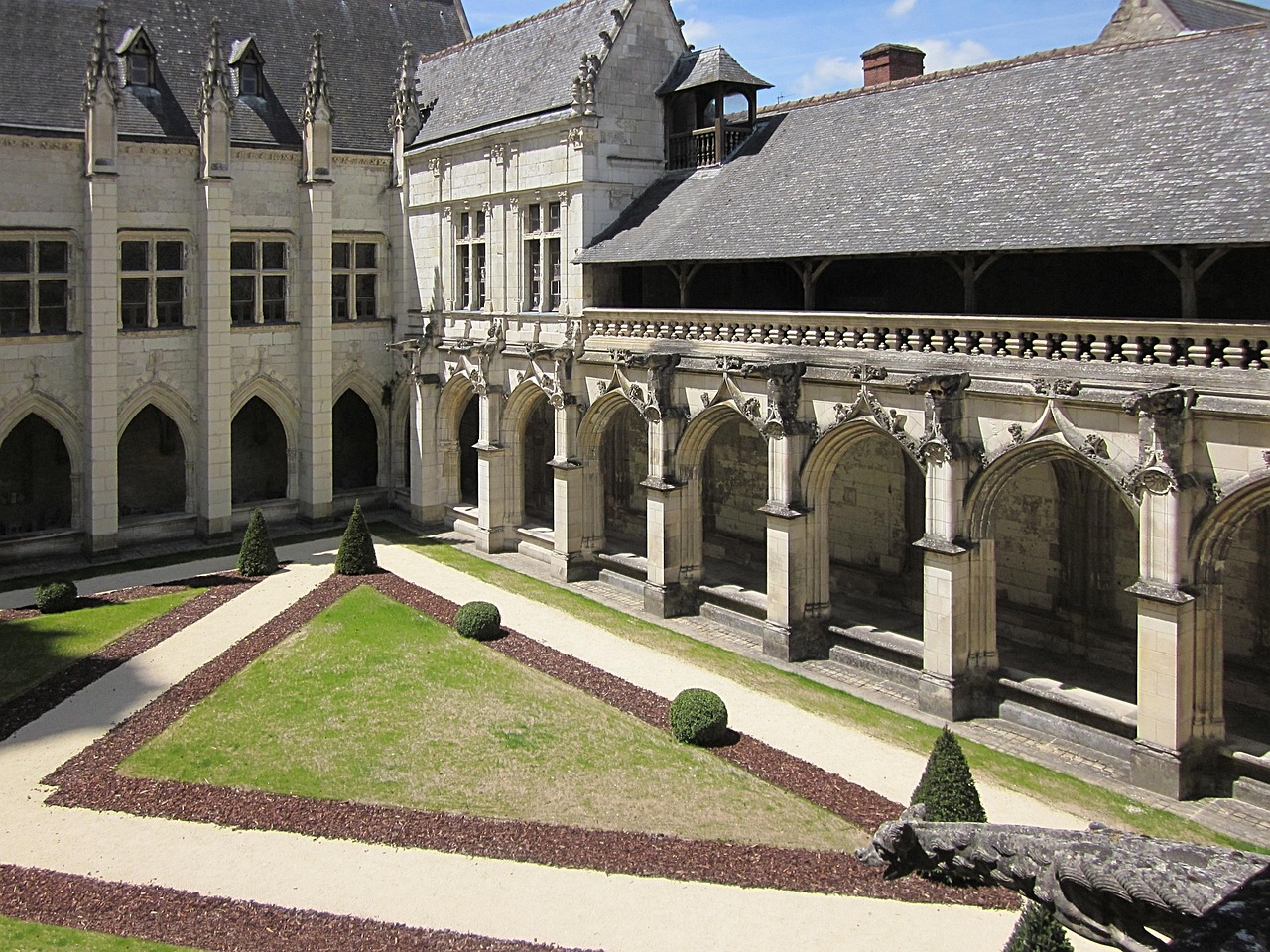
The Grove Arcade is one of downtown Asheville's architectural treasures and one of its best free indoor wanders. E.W. Grove — the patent-medicine millionaire who also built the Grove Park Inn — commissioned it in the 1920s as one of the country's first enclosed shopping arcades, a full city block of ivory terra-cotta with Venetian Gothic arches, carved grotesques, spiraling wrought-iron staircases and a peaked glass ceiling over a central corridor lined with shops. Grove died before it was finished, and history was hard on the building: during World War II the federal government evicted every tenant on less than a month's notice and took it over, and for decades it housed the National Climatic Data Center. A nonprofit restoration reopened it in 2002 with shops, restaurants and apartments above, and it has been a downtown anchor since. Inside today you will find locally owned shops, food stalls and restaurants, and — new in 2026 — a craft gallery run by the Southern Highland Craft Guild (the organization behind the Folk Art Center), which moved here after Hurricane Helene flooded its long-running Biltmore Village shop; it sells pottery, glass, textiles, wood and jewelry by Guild makers from across the region. Outside, the sidewalks along the arcade host outdoor tables and, on many days, street performers. It is free to enter, easy to combine with any downtown walk, and a smart plan for rain. Fit: first-timers getting their bearings downtown, couples browsing before dinner, families looking for a dry hour, and craft lovers who want Guild-quality work without the drive to the Parkway.
Grove envisioned the arcade as the base of a much larger tower, a plan abandoned after his death; even at its built height the building is among the finest examples of 1920s commercial architecture in the South, and details like the winged griffins and the ornate entrances reward a slow look. The Explore Asheville architecture trail includes it as a key stop, alongside the Art Deco buildings that make downtown one of the best-preserved interwar cityscapes in the Southeast.
Visit craft
Walk the central corridor end to end and look up at the skylights, then step outside to see the terra-cotta facade and its sculpted details. Browse the Southern Highland Craft Guild gallery for regional craft, grab a coffee or a snack inside, and continue to Battery Park, the Basilica of St. Lawrence a few blocks away, or Pack Square.
Practicals and fit
1 Page Avenue, downtown Asheville; free to enter; shop hours vary by tenant. Nearby public parking decks. Fit: first-timers, couples, families and craft and architecture lovers.
What to expect
The experience
A free-to-enter historic neo-Gothic arcade with local shops, cafes, restaurants and the Southern Highland Craft Guild's gallery, plus apartments upstairs.
Best time
Late morning or early afternoon when all shops are open; any rainy day.
How long
Forty-five minutes to an hour and a half depending on shopping.
Tips
Look up at the skylights and step outside for the sculpted terra-cotta facade. Visit the Craft Guild gallery for regional handmade work. Use a nearby public deck for parking.
Quick picks
- Best for
- A free, beautiful downtown wander with real local shopping.
- Families
- An easy, dry hour with snacks and things to look at.
- Couples
- Browse craft and architecture, then head to dinner downtown.
- Pair with
- Downtown Asheville's Art Deco blocks, the Asheville Art Museum and the Moogseum.
- Time needed
- About an hour.
Good questions
What is the Grove Arcade?+
A neo-Gothic shopping arcade built in the 1920s by E.W. Grove, restored and reopened in 2002 with shops, restaurants and apartments.
Is it free?+
Yes — it is free to enter and wander; individual shops and restaurants set their own prices and hours.
What is the Southern Highland Craft Guild shop?+
A gallery of handmade craft by Guild members from across the Southern Appalachians. It moved into the Grove Arcade in 2026 after Hurricane Helene flooded the Guild's Biltmore Village shop.
Why did the building close in the 1940s?+
The federal government took it over during World War II, evicting all tenants; it later housed the National Climatic Data Center before its restoration.
Where should I park?+
Use one of the nearby downtown public parking decks; street parking is limited.