Fall is Asheville's signature season. The Blue Ridge Mountains hold some of the most diverse hardwood forests in North America, and when the days shorten the slopes turn through gold, orange and deep red in a slow wave that moves down from the summits to the valleys. That wave is the key to planning. Color does not peak on one date; it unfolds over several weeks, which gives you a long window and plenty of flexibility, provided you understand how elevation shapes the show.Timing the color. The highest ridges change first, often in the first half of October, while the middle elevations follow and the valleys, including downtown Asheville itself, usually peak in the second half of the month and sometimes into early November. Weather matters as much as the calendar. A warm, wet summer and a run of cool, clear nights tend to produce brighter reds, while drought or an early hard freeze can mute the display. Because conditions vary every year, treat any date as an estimate and watch local foliage reports in the week before you travel. The beauty of the region is that if one elevation has passed its prime, another is just reaching it, so a day with a bit of driving can always find color.The classic drive. The Blue Ridge Parkway is the obvious choice, with a continuous string of overlooks and long views across ridge after ridge. Start early, because overlooks fill and traffic slows on weekends. Craggy Gardens, Mount Mitchell and Black Balsam Knob all sit at high elevations, so they show color earliest, while the Folk Art Center and the lower Parkway stretches shine later in the month. Sections of the Parkway can close for maintenance or storm recovery, so check the status of the route with the National Park Service before you set out and have a backup plan. If you prefer not to drive the mountain curves yourself, a guided Parkway tour is a comfortable way to take in the scenery, and a waterfall tour adds the sparkle of falling water against red and gold leaves.Short hikes with big payoffs. You do not need a long trek to enjoy fall. Max Patch is a grassy bald with a 360-degree view that is spectacular in autumn, and Craggy Gardens offers a short climb to open ridge views. Black Balsam Knob is a favorite for walkers who like an open, high-country landscape. Closer to the city, the North Carolina Arboretum and the Botanical Gardens at Asheville provide gentle trails among trees and garden plantings, and Bent Creek Experimental Forest has quiet woodland paths when the more famous spots are crowded. Pack layers, because it can be 10 to 20 degrees cooler on a summit than in town.Farther afield. Grandfather Mountain, with its swinging bridge, gives a dramatic high-country view, and tickets are timed, so reserve in advance during peak weeks. Kuwohi in the Great Smoky Mountains offers a very high lookout, though the road is seasonal and weather can close the summit, and Cataloochee Valley combines fall color with the chance to see elk, which are more active in autumn. Chimney Rock State Park adds a cliffside vantage over Hickory Nut Gorge. Each of these is a long day trip, so choose one or two rather than trying to stack them all.Beating the crowds. October is the busiest month in Asheville, and lodging fills early, so book hotels and popular activities well ahead. On the road, aim to be at your first overlook shortly after sunrise, when light is soft and traffic is thin, and plan lunch in a town rather than at a crowded roadside stop. Weekdays are noticeably calmer than weekends. If your dates are flexible, the shoulder weeks at the start and end of the color season can offer quieter roads with plenty of color still on the trees. Parking at the most popular trailheads fills quickly, so have a second choice in mind.Rainy-day plan. Fog and rain are part of mountain autumn, and low clouds can hide a view entirely. Keep indoor options ready. The Biltmore Estate is a full day under a roof and a garden, with autumn color around the grounds and the winery for a warm finish. The Asheville Art Museum, the Moogseum, the Asheville Museum of Science and the Museum of the Cherokee People all give you hours of indoor interest, and the River Arts District offers studios to wander out of the weather. A brewery afternoon is always a good fallback, and a rooftop or evening tour can wait for a clearer night.Beyond the leaves. Fall also brings harvest events, apple season in the nearby orchard country, warm cider and the first fires in hotel lobbies. Baseball at the ballpark may wind down as the season ends, but live music, ghost tours and brewery events carry the city through the evening. Ghost tours in particular gain atmosphere as nights lengthen, and the days around Halloween are popular.What to pack and how to drive. Bring layers, a rain jacket, sturdy shoes and a small daypack with water and snacks. Fill your tank before heading up the Parkway, where services are limited, and allow extra time for slow-moving traffic and photo stops. Dress for variable weather and leave room in your plan for the unexpected pleasures of the mountains, such as a roadside apple stand, a hidden waterfall or a ridge view that appears around a bend. Take it slowly, and Asheville's autumn will reward you.
Asheville guide
Asheville in Autumn
How to plan an Asheville autumn trip: when color peaks at different elevations, the best drives, overlooks and short hikes, how to beat the crowds and what to do on a rainy day.
Mentioned in this guide
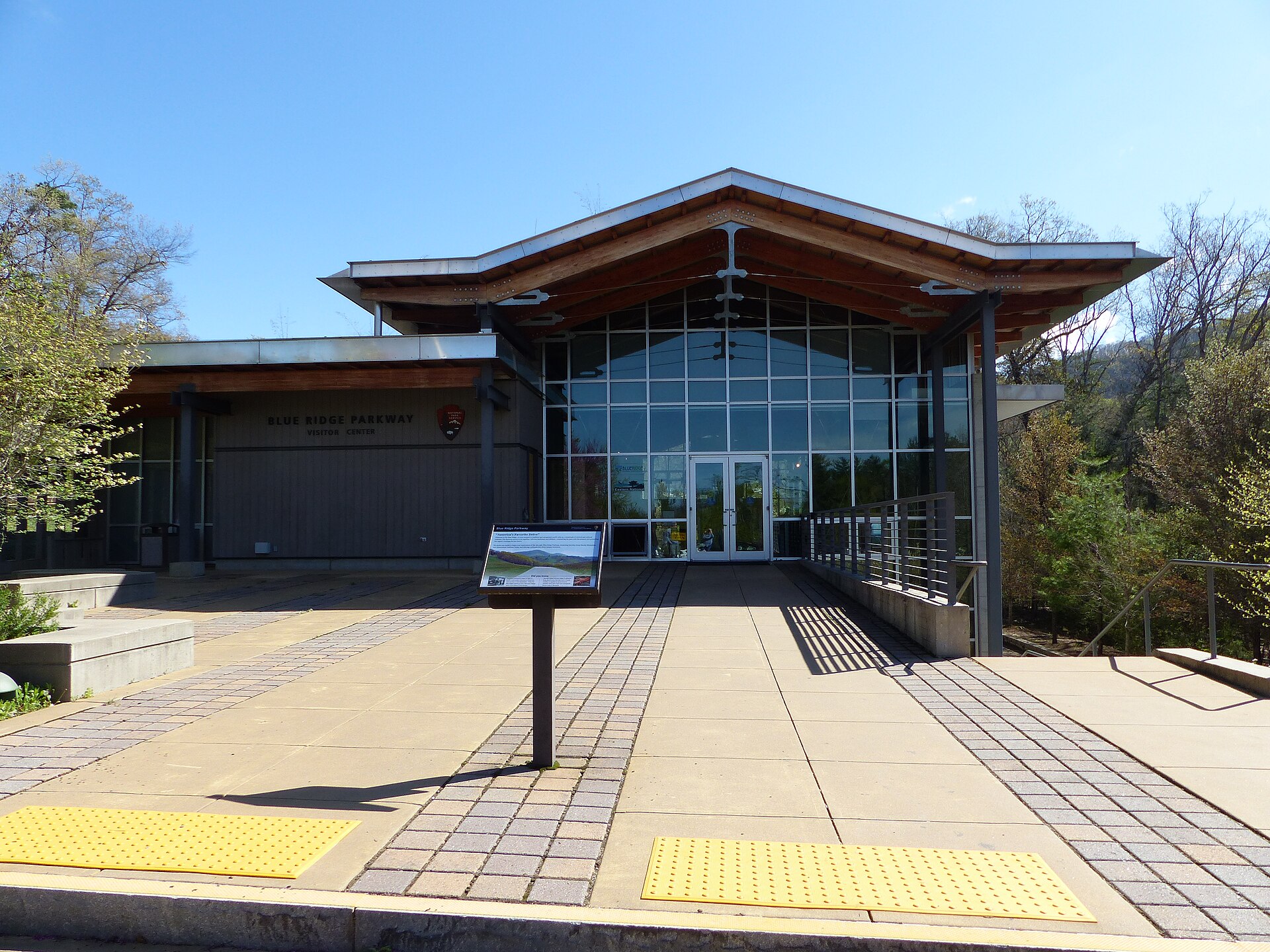
DoBlue Ridge Parkway
"America's Favorite Drive" — a stunning scenic parkway winding along the crest of the Blue Ridge Mountains right past Asheville, with endless overlooks, hiking trails, waterfalls, and jaw-dropping fall foliage. Free.
 Do
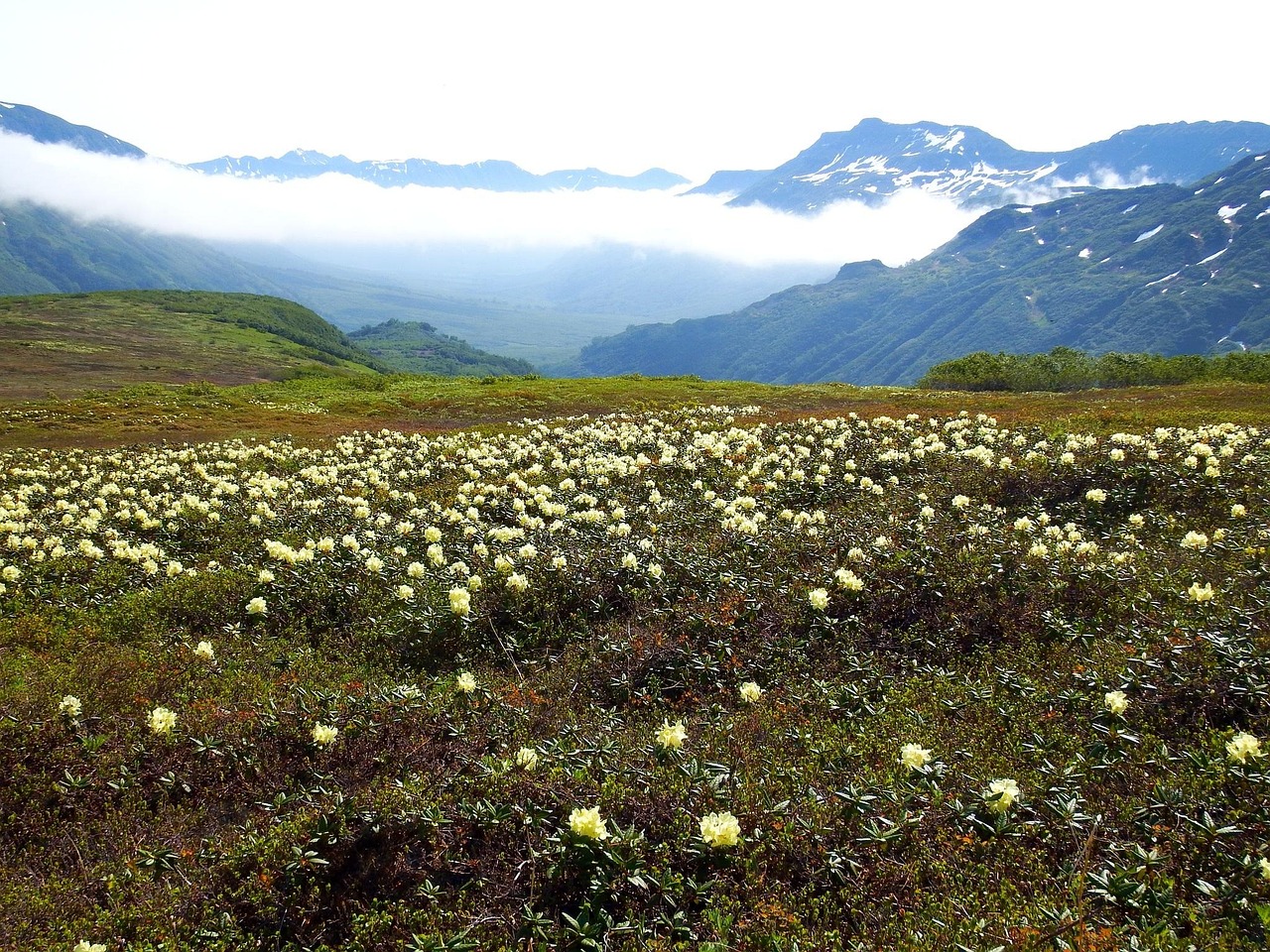
Craggy Gardens
Wind-sculpted heath balds and rhododendron tunnels at more than 5,000 feet, a short scramble from the Blue Ridge Parkway — the closest big-view hike to Asheville, reopened in 2025 after Helene.
 Do
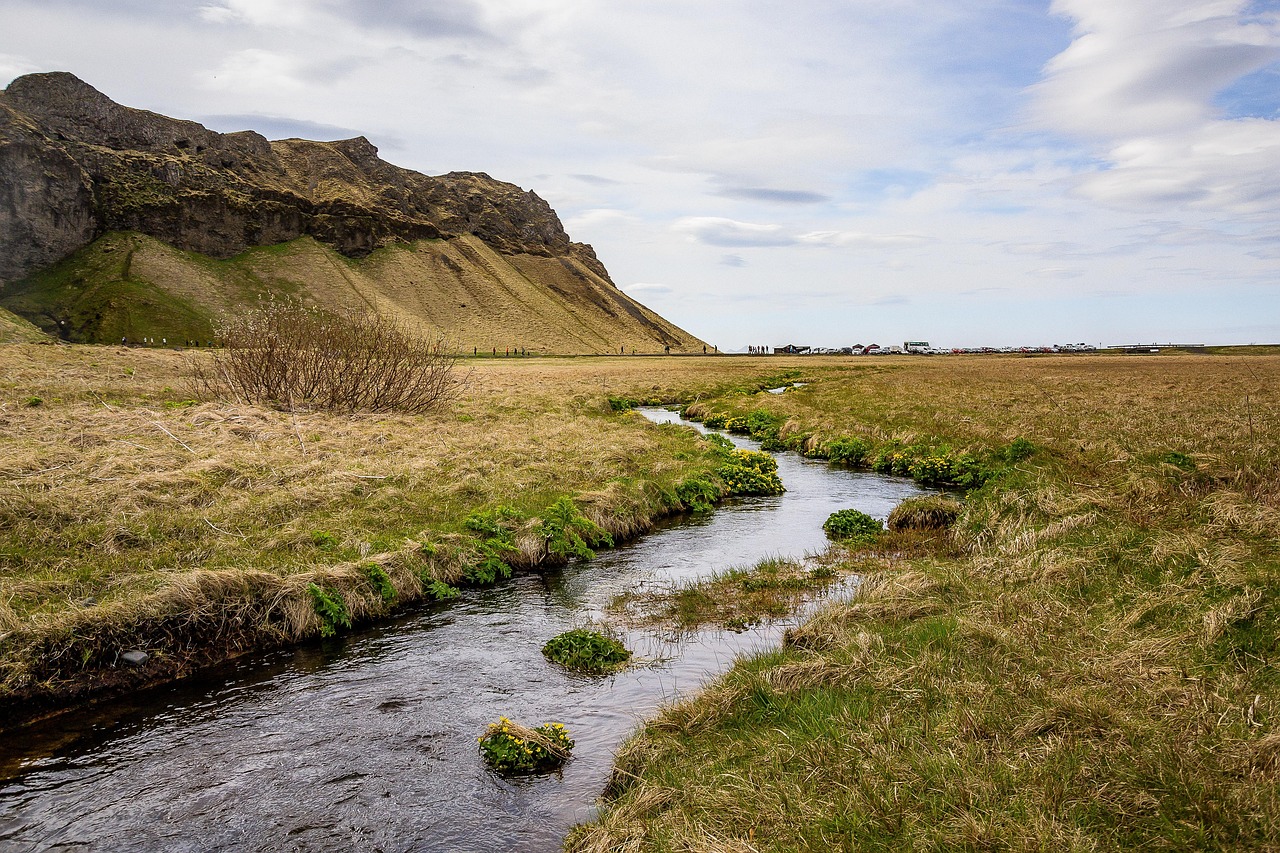
Max Patch
A huge, rolling grassy bald on the Appalachian Trail with 360-degree views toward the Smokies — a short, easy loop to one of the most photographed summits in the Southern Appalachians.
 Do
Black Balsam Knob
Open, grassy balds above 6,000 feet where the Art Loeb Trail runs along the sky — a short climb to one of the most spectacular summits in the Southeast, off the Parkway south of Asheville.
 Do
Grandfather Mountain
The Blue Ridge at its most dramatic — the Mile High Swinging Bridge, rescued black bears and cougars in natural habitats, and some of the most rugged ridge trails in the East. A big, worthwhile day trip from Asheville, open again after Helene.
Waterfall Jeep Tour: Backroads and Scenic Views
A guided jeep ride along mountain backroads to waterfalls and overlooks, with a local driver doing the navigating so you can focus on the scenery.
 Stay
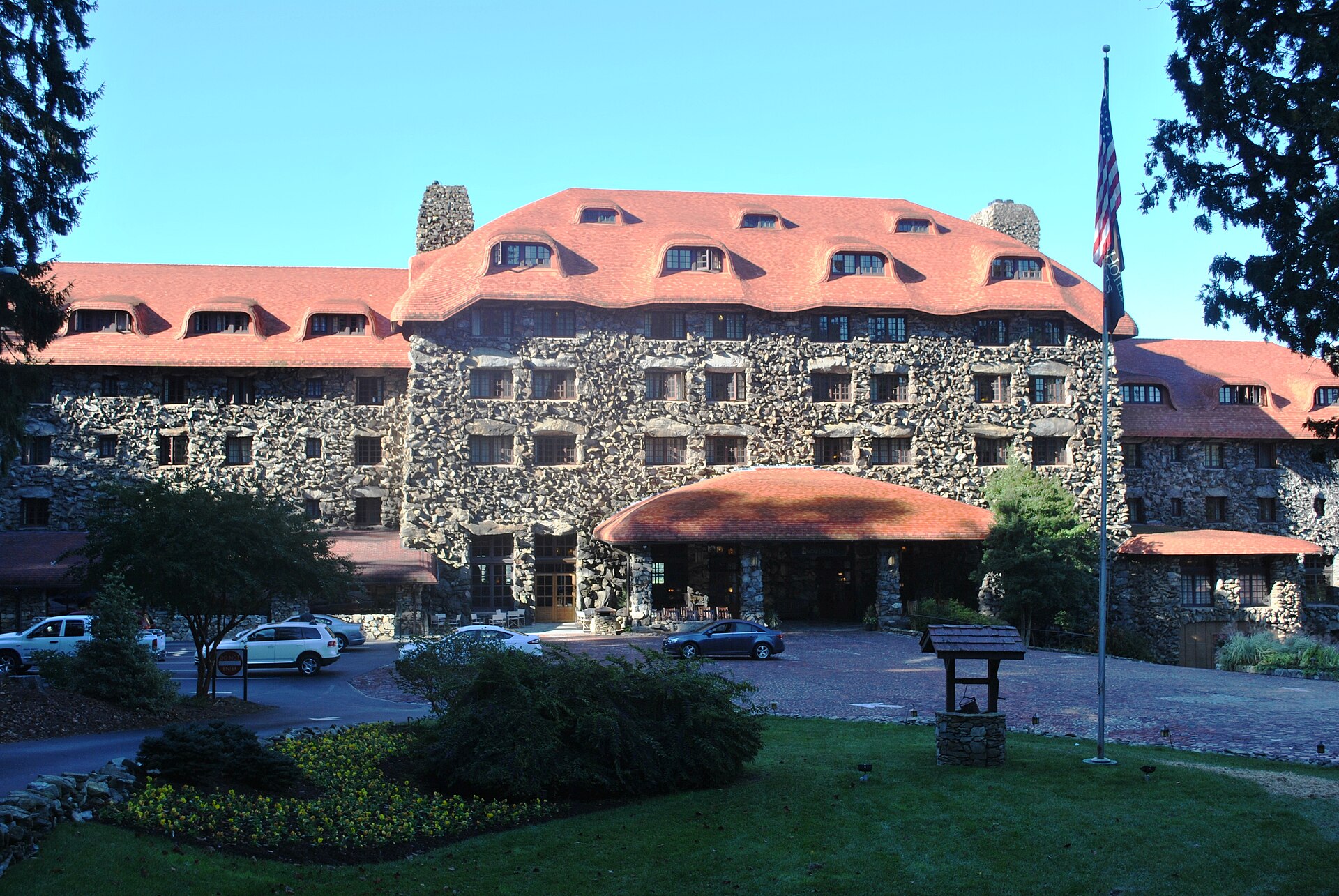
The Omni Grove Park Inn
Asheville's historic grand mountain resort — a 1913 Arts & Crafts landmark of massive stone, with sweeping Blue Ridge views, a famous subterranean spa, golf, and a century of guests from presidents to writers.
 Stay
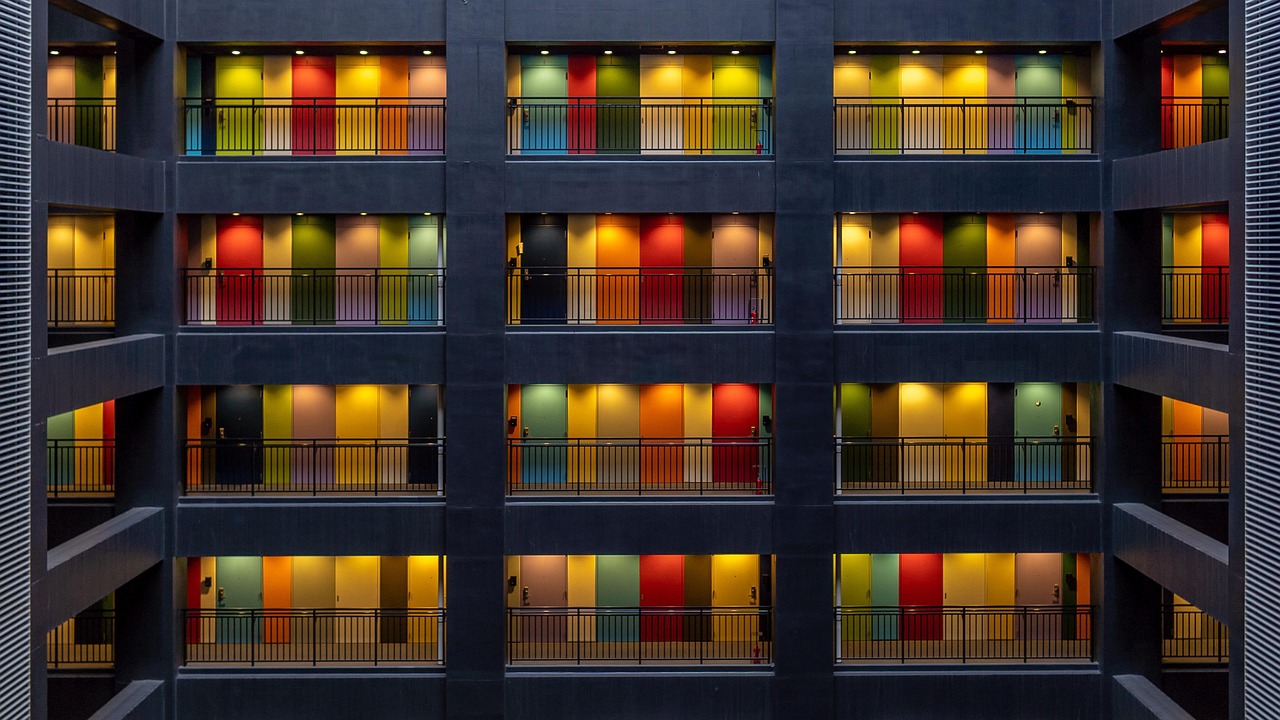
Sourwood Inn
A secluded, tranquil mountain inn on a forested ridge outside Asheville — simple, elegant rooms (each with a balcony and wood-burning fireplace, no TVs), sweeping Blue Ridge views, and total peace amid nature.
 Stay
Kimpton Hotel Arras
A sleek, contemporary boutique hotel in a landmark downtown tower — one of Asheville's tallest buildings — with stylish rooms, mountain and city views, two acclaimed restaurants, and a central downtown location.