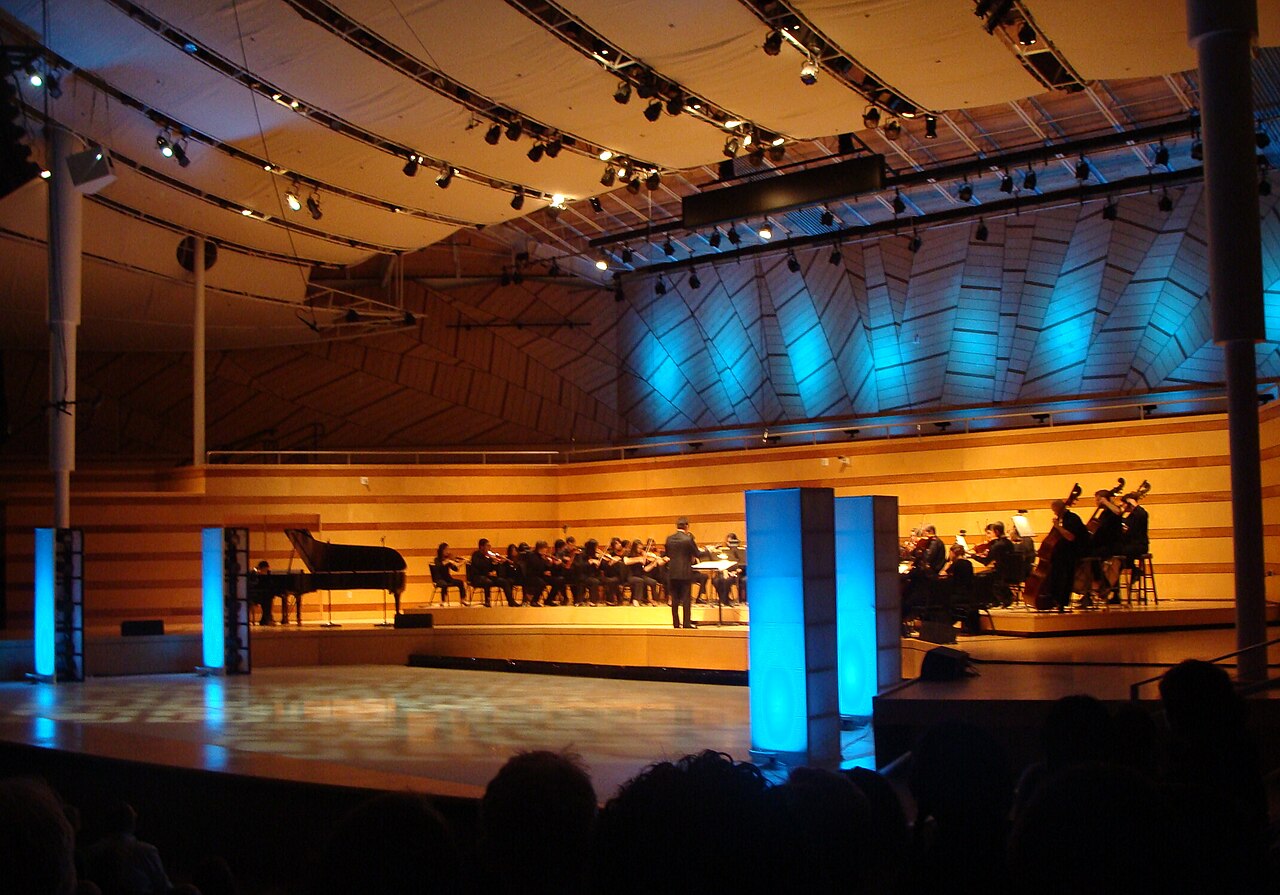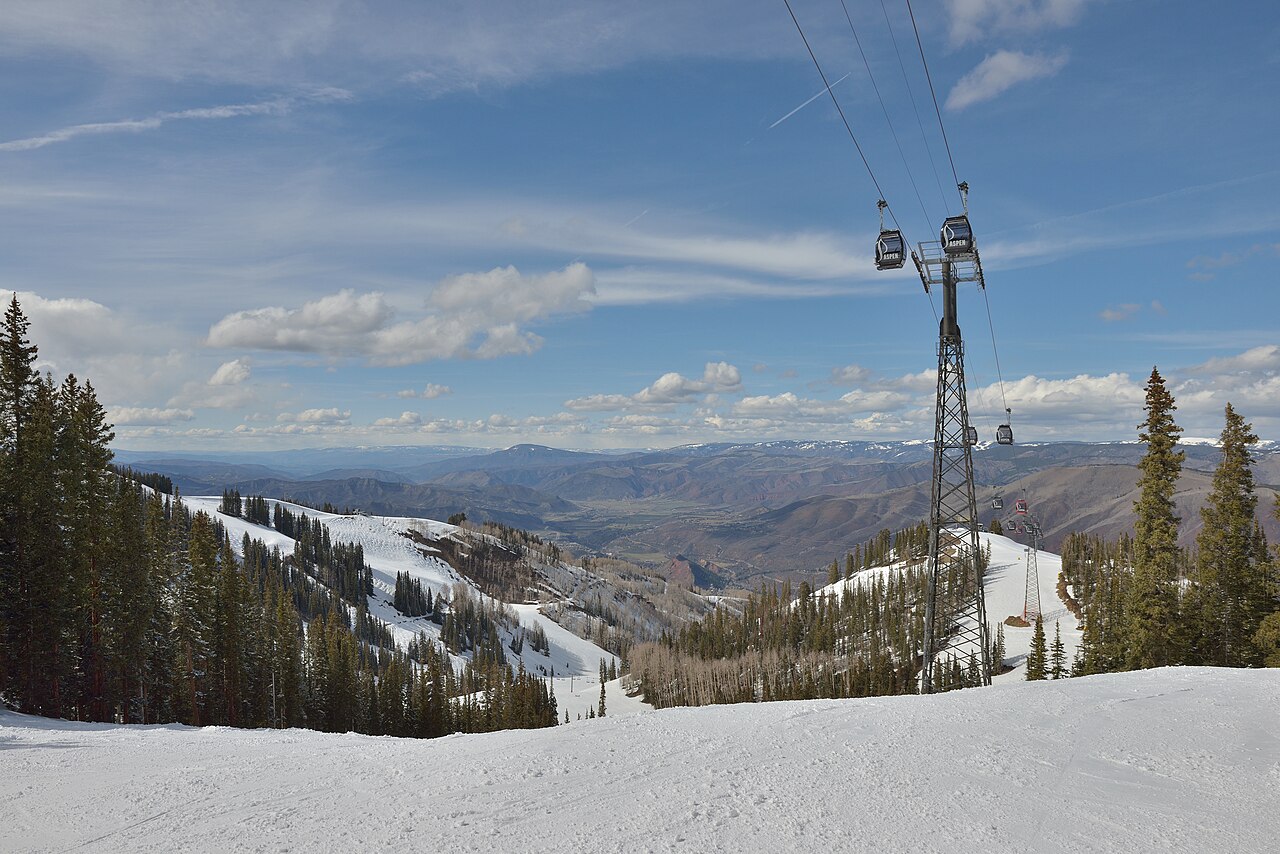
The Aspen Art Museum is one of the most distinctive buildings in town, a contemporary museum wrapped in a woven wood-and-steel screen designed by the Japanese architect Shigeru Ban. It opened in its current home in 2014 and has become both a cultural landmark and a social hub. The museum is a non-collecting institution, meaning it focuses on changing exhibitions of contemporary art by emerging and established artists rather than a permanent collection. Programs include talks, film nights, family workshops and an annual summer benefit that fills the town. Inside, the galleries are bright and flexible, with exhibitions that change several times a year. The rooftop sculpture garden and cafe give wide views of Aspen Mountain and the surrounding peaks, and are a pleasant place for lunch or a coffee even if you are not a serious art lover. The museum has historically offered free admission, which makes it an easy addition to any itinerary, though you should check the current policy before you go. It is also a useful bad-weather option when the clouds roll in over the mountains.
Plan around a short visit of an hour or so, or longer if you attend a talk or workshop. Exhibitions can be challenging or playful, and visitors who like to read about the work will enjoy the labels and the museum guides. Families often find the hands-on programs and the open, light-filled space welcoming. Photography rules vary by exhibition, so check the signs or ask staff before taking pictures.
The roof deck is one of the quiet delights of Aspen, a place to sit above the streets with a view of the ski slopes or the summer green. It makes a good start or end to a day of walking downtown, and works well as a break between a morning on the mountain and an afternoon of shopping. Opening days and hours vary by season, so check ahead, and note that the museum often closes on one weekday.
The museum sits within an active arts scene that also includes Anderson Ranch in Snowmass, local galleries and the Aspen Music Festival in summer. Combining the museum with a gallery walk or a concert makes a rewarding cultural day. Visitors who want to dig deeper into local history should add one of the walking tours, which pair well with the museum because they cover the town’s mining past and its twentieth-century reinvention as a center for arts and ideas.
The museum is also a good starting point for understanding why Aspen has such a strong cultural identity. The town’s mid-century founders, led by Walter and Elizabeth Paepcke, imagined a place where business, music, art and the outdoors could mix, and that idea shaped the Aspen Institute, the Music Festival and the design culture you see around you. A visit to the museum, followed by a walk past the Wheeler Opera House and the Hotel Jerome, gives a nice sense of how that vision has played out over seven decades.
Check the museum calendar for talks, screenings and family days, which can turn a short stop into a full afternoon, and leave time for the gift shop, which stocks books and design objects you will not find elsewhere in town.
What to expect
The experience
A contemporary art museum with changing exhibitions, a rooftop sculpture garden and cafe, and talks and workshops.
Best time
Weekday mornings for quiet galleries; any day for the rooftop view; rainy or snowy days for an indoor stop.
How long
One to two hours.
Tips
Check opening days and hours. Admission has historically been free, but confirm the current policy before you go.
Quick picks
- Best for
- Art lovers and anyone who wants a break from the outdoors.
- Families
- Family workshops and an open, easy space suit older children.
- Couples
- A rooftop coffee and a gallery stroll make a relaxed date.
- Pair with
- Downtown Aspen, a walking tour or the gondola.
- Time needed
- One to two hours.
Good questions
Is the museum free?+
It has historically offered free admission. Confirm the current policy before you visit.
Does it have a permanent collection?+
No. It is a non-collecting museum focused on changing contemporary exhibitions.
Is there a cafe?+
Yes, a rooftop cafe and sculpture garden with mountain views.
Who designed the building?+
Shigeru Ban, the Japanese architect, who created the woven screen facade.
How long should I allow?+
About an hour or two, more if you attend a talk or workshop.