The Georgia State Capitol is the gold dome you see from all over downtown, and stepping inside is a free, quick and surprisingly interesting history lesson. The building was completed on 4 July 1889, after Atlanta became the state capital, and its classical design, modeled on the United States Capitol, was meant to announce the city's recovery after the Civil War. Its most famous feature came later: in 1958 the dome was gilded with gold leaf mined in Dahlonega, in the North Georgia mountains, site of one of America's first gold rushes, and it has been regilded since. Inside, a four-story rotunda rises to the dome, surrounded by marble, portraits and busts of notable Georgians, and the House and Senate chambers sit on the upper floors. The top floor holds the Georgia Capitol Museum, managed by the University of Georgia Libraries, with exhibits on the state's history, government, natural history and the building itself, including notable objects and changing displays. The grounds outside have monuments and statues, among them a statue of Martin Luther King Jr. that was unveiled in 2017. The building is generally open to visitors on weekdays during business hours, closed on state holidays, and visitors pass through security screening. From January to early April, when the General Assembly is in session, the building is crowded with lawmakers, lobbyists and school groups, and you can watch debates from the galleries; outside session, it is quiet and easy to explore. Group and guided tours can be arranged through the Capitol tours office.
The Capitol tells the story of a state remaking itself. Atlanta became Georgia's capital in 1868, displacing Milledgeville, partly because the city was the railroad hub of the post-war South. The building that followed was finished under budget, a point of pride at the time, and it has housed the governor's office and the legislature ever since. Its art and statuary reflect changing ideas of who deserves honor: older monuments have been joined by portraits and statues recognizing figures such as Martin Luther King Jr., and the museum interprets the building's history more fully than older guidebooks did. The gold dome, regilded several times, has become a symbol of state government in everyday speech, and Georgians often refer to the legislature simply as the Gold Dome.
To visit well, bring a photo ID and expect security screening at the entrance. Start in the rotunda for the view up into the dome, then take the elevator or stairs to the top-floor museum, which takes about thirty to forty-five minutes. On the way down, look into the House and Senate chambers from the galleries when they are open. During the legislative session, from January to around early April, the building is busiest on weekdays when both chambers meet; watching a floor session can be fascinating, but the halls are crowded and some areas may be restricted. Outside session, you can often explore at your own pace. Groups can request guided tours in advance through the Capitol tours office, run with the University of Georgia.
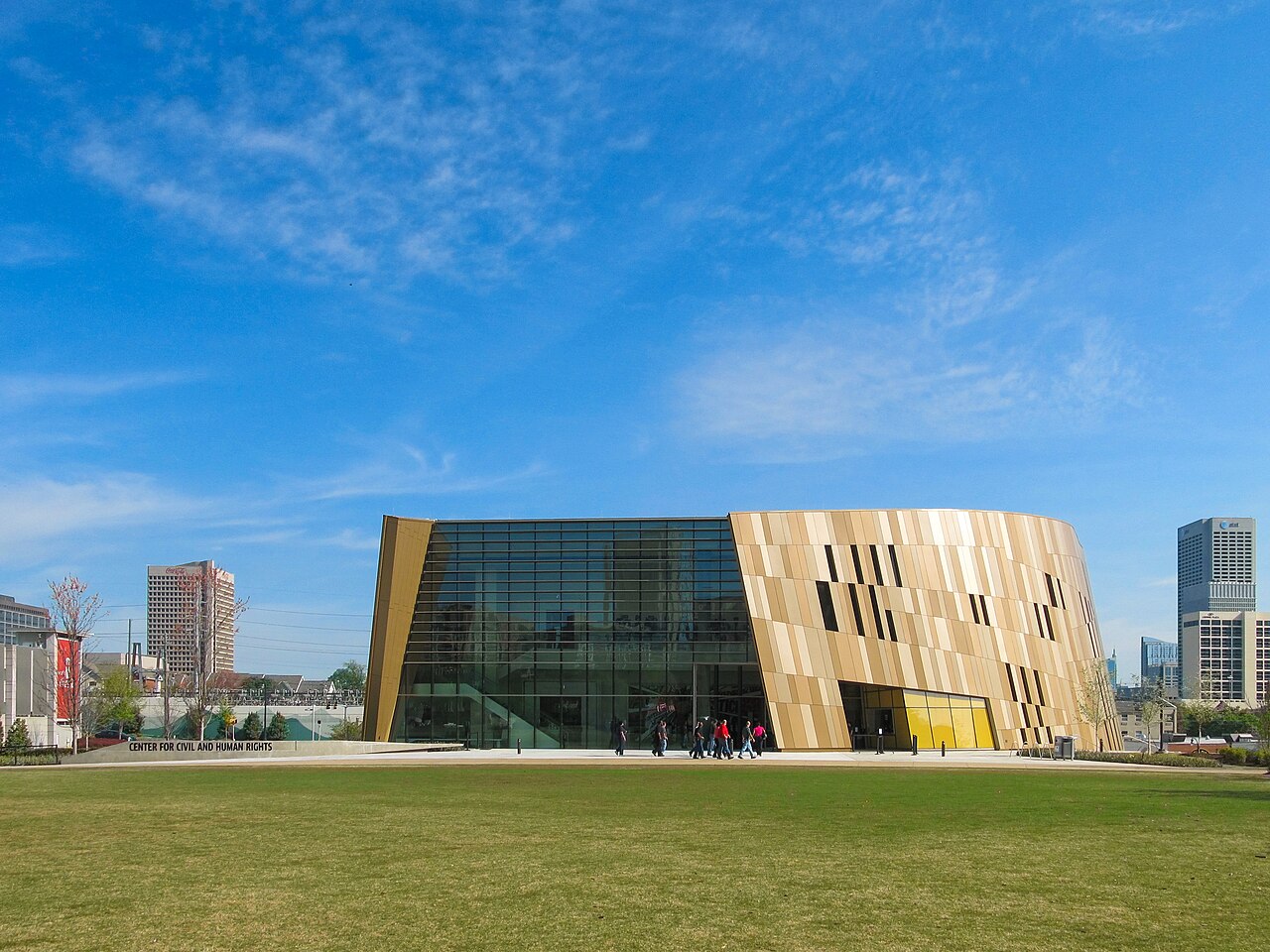
The Capitol is a short walk from the Georgia State and Five Points MARTA stations and from downtown hotels, and it sits a few blocks from the Mercedes-Benz Stadium area, Centennial Olympic Park and the Sweet Auburn district. It fits neatly into a downtown morning before the Georgia Aquarium or the National Center for Civil and Human Rights, or into a civil rights day with the King historic sites. It is ideal for history buffs, students, and curious first-time visitors looking for a free, indoor stop on a weekday.
What to expect
The experience
A working state capitol with a four-story rotunda, legislative chambers with public galleries, portraits and statues, and a free museum on the top floor; open to visitors on weekdays, with security screening.
Best time
Weekday mornings. From January to early April, the legislative session adds drama and crowds; the rest of the year is quieter.
How long
About an hour, including the museum.
Tips
Bring photo ID for security. Go on a weekday; it is closed weekends and state holidays. Start in the rotunda, then the top-floor museum. Request group tours in advance. Walk from Georgia State or Five Points MARTA.
Quick picks
- Best for
- History buffs and curious visitors who want a free indoor stop downtown.
- Families
- Good for school-age children, especially during the session when they can watch lawmakers at work.
- Couples
- A short, free cultural stop on a downtown morning.
- Pair with
- The Sweet Auburn Curb Market for lunch, then the King historic sites.
- Time needed
- About an hour.
Good questions
Is the Georgia State Capitol free to visit?+
Yes. Visiting the Capitol and the Georgia Capitol Museum is free. Visitors go through security screening, so bring photo ID.
When is it open?+
Generally on weekdays during business hours, closed on weekends and Georgia state holidays. Check the Capitol Museum site before you go.
Is the dome real gold?+
Yes. The dome was first gilded in 1958 with gold leaf from Dahlonega, in the North Georgia mountains, and it has been regilded since.
Can I watch the legislature?+
Yes, when the General Assembly is in session, usually from January to around early April, you can watch from the public galleries when they are open.
Are guided tours available?+
Group tours can be requested in advance through the Capitol tours office. Individual visitors usually explore on their own.