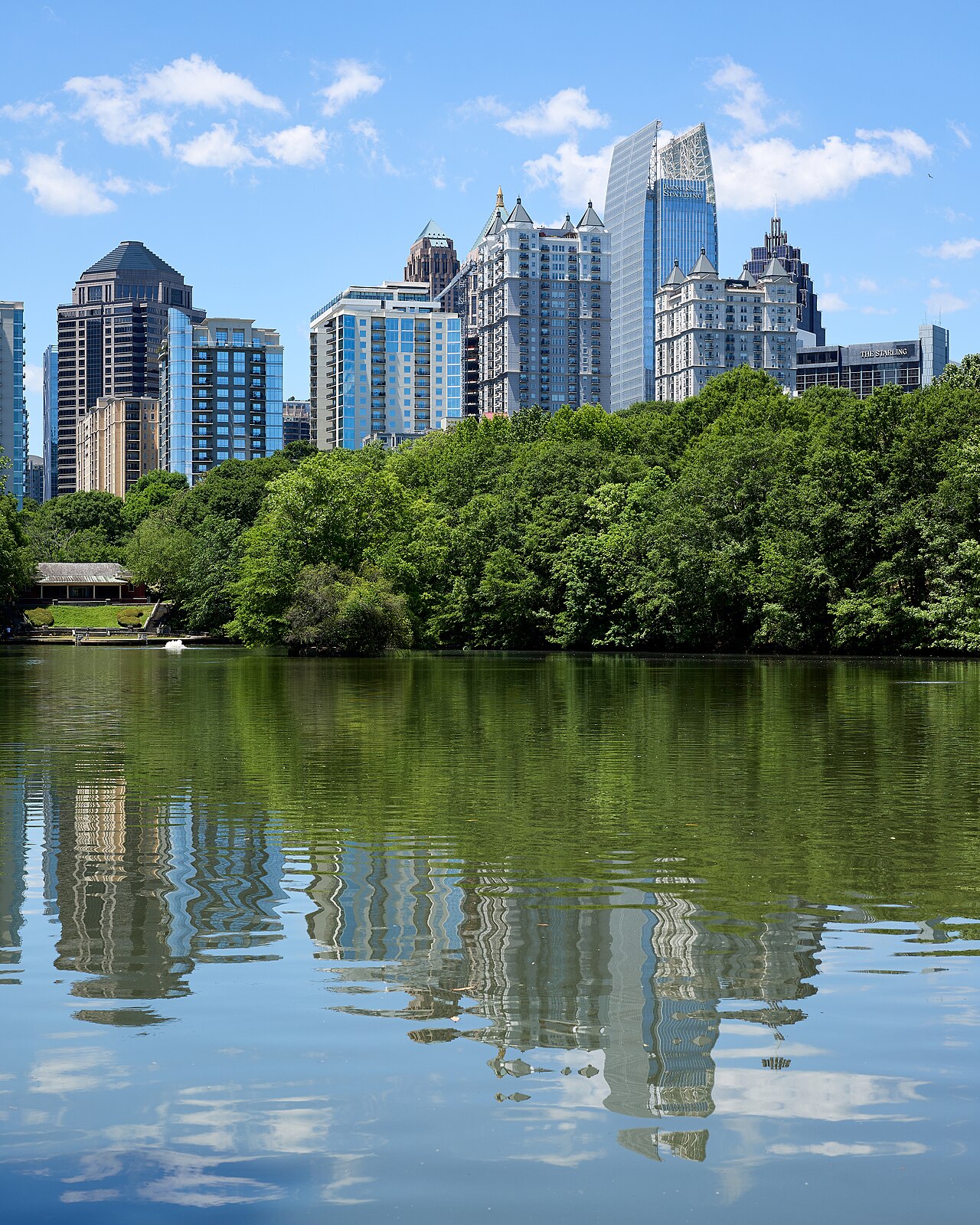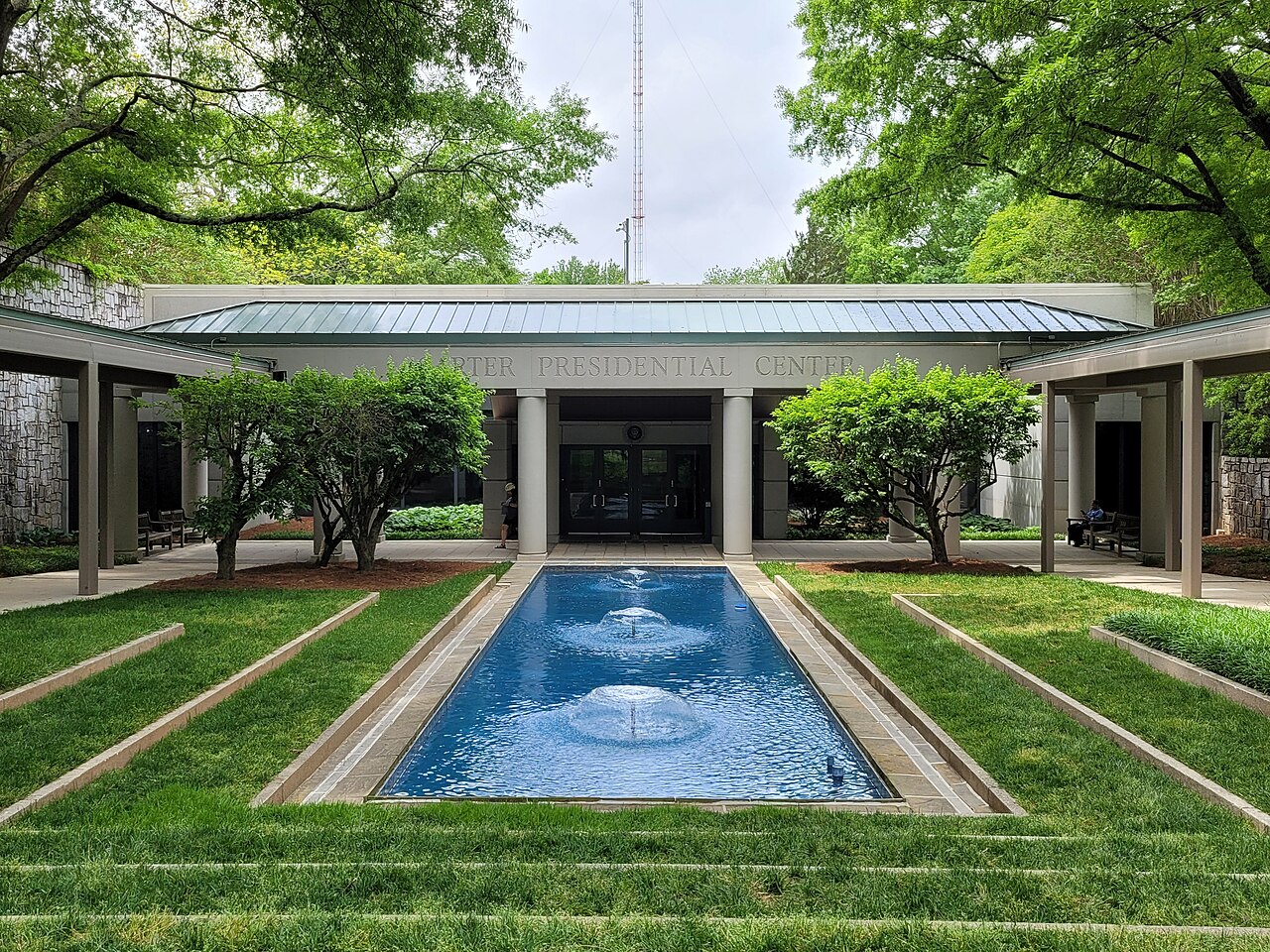
The Jimmy Carter Presidential Library and Museum is one of the most rewarding history stops in Atlanta, and one of the most peaceful. It sits on a wooded hill east of downtown, on John Lewis Freedom Parkway, sharing a campus with the Carter Center, the human-rights and global-health organization that Jimmy and Rosalynn Carter founded after leaving the White House. Run by the National Archives, it is one of the country's presidential libraries, and its museum tells the whole arc of a remarkable life: a farm childhood in Plains, Georgia, service as a naval officer, peanut farming, the governorship of Georgia, the presidency from 1977 to 1981, and the long post-presidency that many people consider his greatest work. The galleries cover the Camp David Accords between Egypt and Israel, energy policy, human rights and the Iran hostage crisis, alongside personal objects, gifts of state and campaign memorabilia, and the story of the Carter Center's campaigns against diseases such as Guinea worm and for fair elections worldwide. Highlights include a full-scale replica of the Oval Office as it looked during his term, interactive exhibits on a day in the life of the president, and the Nobel Peace Prize he received in 2002. Outside, landscaped grounds with a Japanese-style garden, ponds and sculptures look out over the Atlanta skyline. President Carter died in December 2024 at age 100, and the library remains a place where visitors come to pay their respects. Admission is modest, and children 16 and under enter free.
The site itself is part of the story. The library was built on land that had been cleared for a highway that neighborhood activists fought and stopped, and the parkway that eventually replaced the plan now carries the name of the late Congressman John Lewis. The museum opened in 1986 and has been updated several times; the current galleries are clear, modern and honest about both the achievements and the struggles of a single-term presidency. The post-presidency galleries are the emotional center, tracing Carter's work with Habitat for Humanity, his election monitoring in dozens of countries and the Carter Center's near-eradication of Guinea worm disease, a public-health success that has few parallels. After his death, the Carter Center and library hosted his lying in repose, and the campus became a focus for public mourning.
To visit well, allow about two hours for the museum and another half hour for the grounds, which are free to walk and are especially pretty in spring when the azaleas and cherry trees bloom. Start with the introductory film for context, then work through the timeline galleries before reaching the Oval Office replica, which children enjoy. Hours and days have varied in recent years, and the National Archives occasionally closes presidential libraries for federal holidays or other reasons, so confirm the schedule before you go. The library also holds author talks and public programs, many of them free, on its calendar.
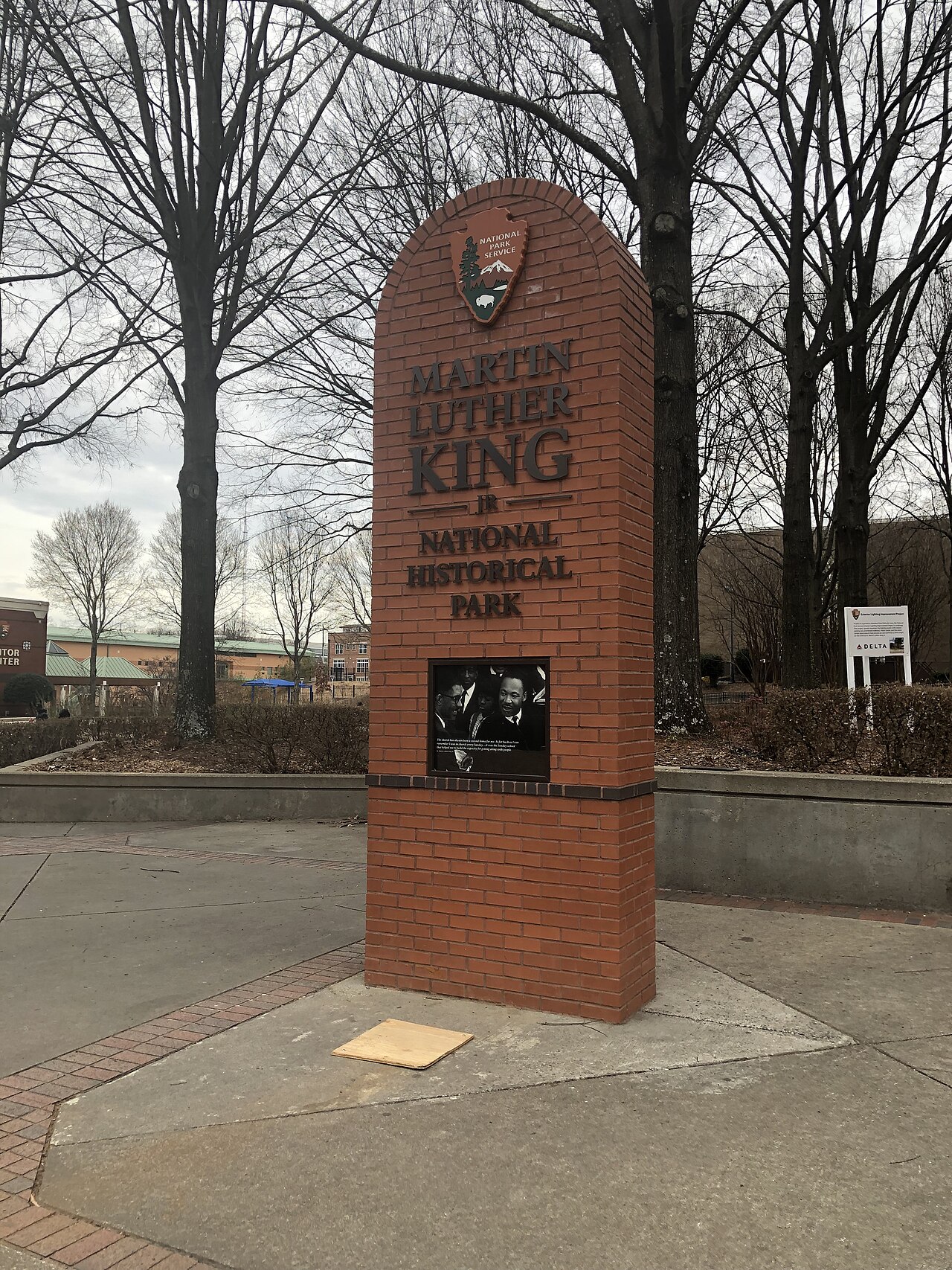
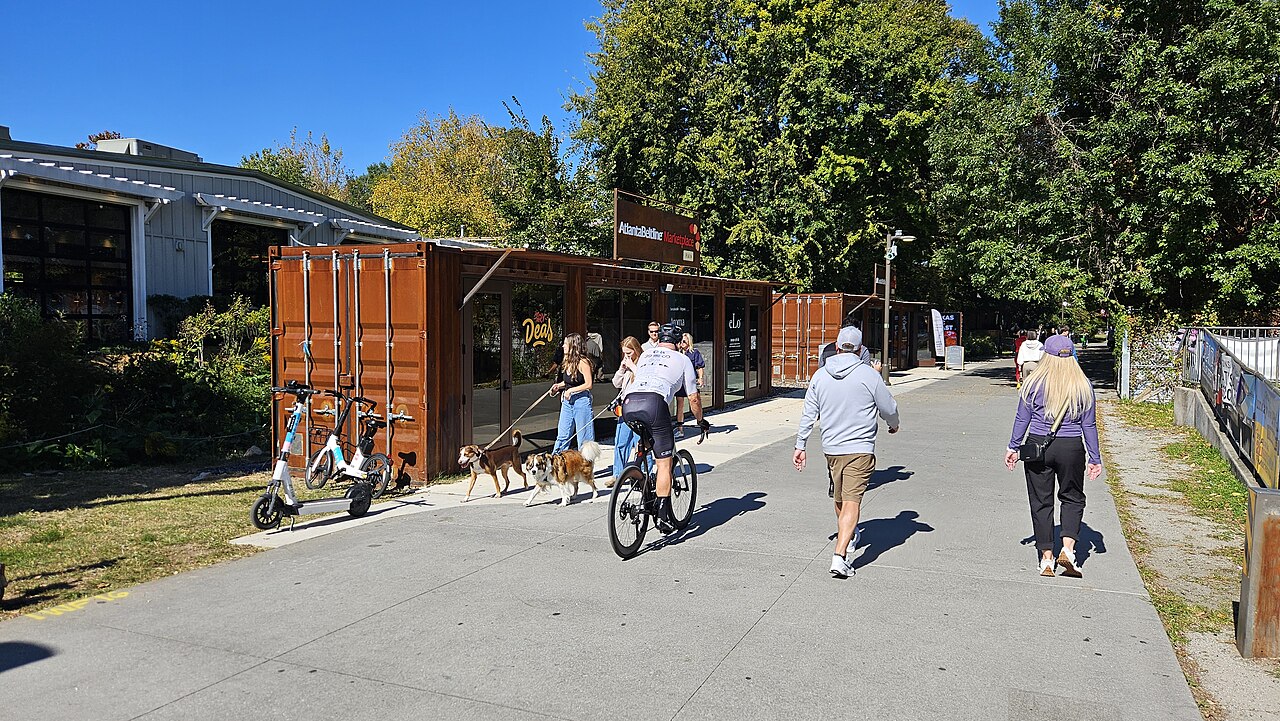
The library is a short drive or a pleasant walk from the BeltLine's Eastside Trail via Freedom Park, and it sits between Inman Park, Poncey-Highland and Little Five Points, so lunch options are close. Free parking is available on site. History-minded travelers can build a powerful eastside day by pairing it with the Martin Luther King Jr. National Historical Park, about a mile to the southwest, and the Sweet Auburn neighborhood beyond it. Those with a car and a free day can continue the Carter story in Plains, about three hours south, where the National Park Service preserves his boyhood farm and hometown.
What to expect
The experience
A National Archives presidential museum with timeline galleries, a full-scale Oval Office replica, interactive exhibits and an introductory film, set in landscaped grounds with a Japanese-style garden and skyline views.
Best time
Weekday mornings are quiet; spring is loveliest for the gardens. Confirm hours before you go.
How long
About two hours inside, plus time for the gardens.
Tips
Watch the introductory film first. Children 16 and under are free. Parking is free on site. Check the calendar for free author talks. Combine with the MLK National Historical Park nearby.
Quick picks
- Best for
- History buffs and anyone interested in the presidency, diplomacy and humanitarian work.
- Families
- Good for school-age children, who like the Oval Office replica; under-17s enter free.
- Couples
- A thoughtful, uncrowded visit with a walk in the gardens afterward.
- Pair with
- The Martin Luther King Jr. National Historical Park, about a mile away, and lunch in Inman Park.
- Time needed
- Two to three hours.
Good questions
How much does it cost?+
Admission is modest, with reduced prices for seniors, military and students, and free entry for children 16 and under. The grounds can be walked without a ticket.
What are the highlights?+
The full-scale Oval Office replica, the galleries on the Camp David Accords and the presidency, the Nobel Peace Prize, the story of the Carter Center's humanitarian work and the gardens with views of the skyline.
Is the Carter Center the same place?+
They share a campus. The museum is run by the National Archives, while the Carter Center is the nonprofit the Carters founded; its offices are generally not open as a visitor attraction.
Is it open on Sundays?+
Hours have varied, and some sources list Sunday closures, so check the library's official site before planning a Sunday visit.
How do I get there?+
It is on John Lewis Freedom Parkway, east of downtown, with free parking on site. It is also reachable on foot from Freedom Park and the BeltLine Eastside Trail.