The Sweet Auburn Curb Market, officially the Municipal Market, is where Atlanta has bought its groceries for more than a century, and it is one of the most genuine food stops in the city. It opened in 1918 as an open-air curb market and moved into its current brick market hall on Edgewood Avenue in 1924. Its name comes from the Sweet Auburn district next door, the historic heart of Black Atlanta, where Martin Luther King Jr. was born and where Black-owned banks, churches and businesses thrived during segregation. The market itself was segregated for decades, with Black shoppers limited to buying from the curb, a history the market and local tours now tell openly. Today it is a working market and an informal food hall: butchers, produce vendors, seafood counters and specialty grocers share the floor with more than 30 small food businesses serving everything from Southern plates and barbecue to Caribbean, Latin American and Asian dishes, smoothies and desserts. New stalls added in 2026 continue a revival that began with city-funded improvements, and the mix of vendors changes, so browsing is the way to eat. It is not a polished, curated food hall — it is a busy, slightly chaotic, local place where office workers, students from nearby Georgia State University, residents and visitors mix at lunchtime. Come hungry, carry a card and some cash, and treat it as an essential stop between the King birth home and downtown.
The market's story is intertwined with the history of the neighborhood. In its early decades, Black Atlantans were allowed to trade and shop only at the curb outside, which gave the market its popular name, while white shoppers used the hall. Despite that, Black-owned stalls became part of the market over time, and the building became a gathering point for the Sweet Auburn community. After desegregation and decades of decline downtown, the market survived on the loyalty of regular shoppers, and it is run by the Municipal Market Company, with the city investing in upgrades in recent years. Its centennial in 2018 brought renewed attention, and the World Cup year added more vendors and visitors.
To visit well, come at lunchtime on a weekday for the full bustle, or in the late morning on a Saturday for a calmer browse. Walk the whole hall before choosing: you will pass meat counters stacked with cuts for Southern cooking, fishmongers, produce stalls and specialty shops before you reach the cooked-food counters along the edges. Many vendors are small, family-run businesses, including recent minority-owned additions serving Jamaican, Puerto Rican and South Side Chicago-inspired food. Seating is limited and informal. Hours vary by vendor, and the market generally closes earlier on Sundays, so check before planning a late visit. A guided food or history tour of the market and Sweet Auburn is a good way to understand what you are seeing.
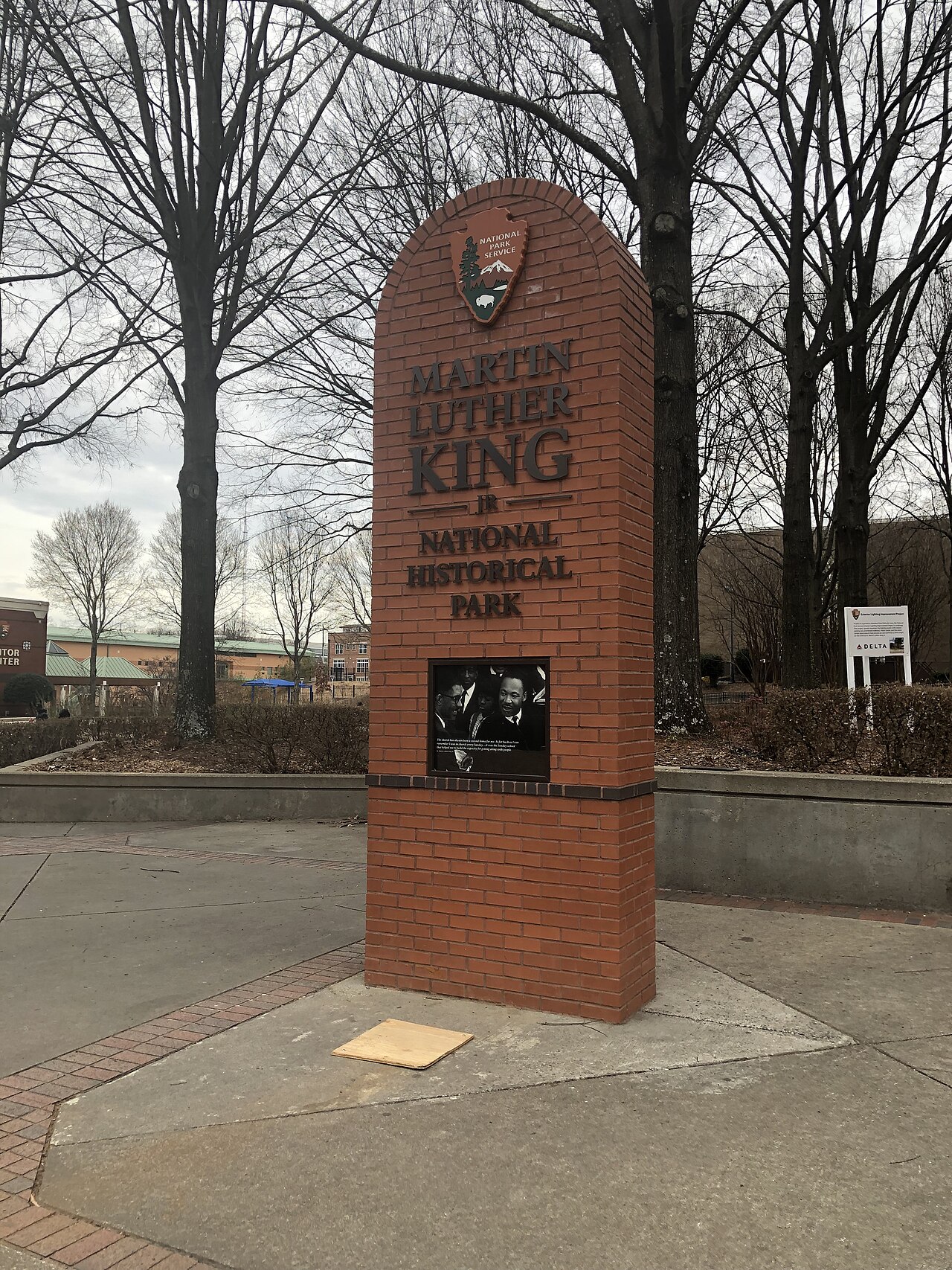
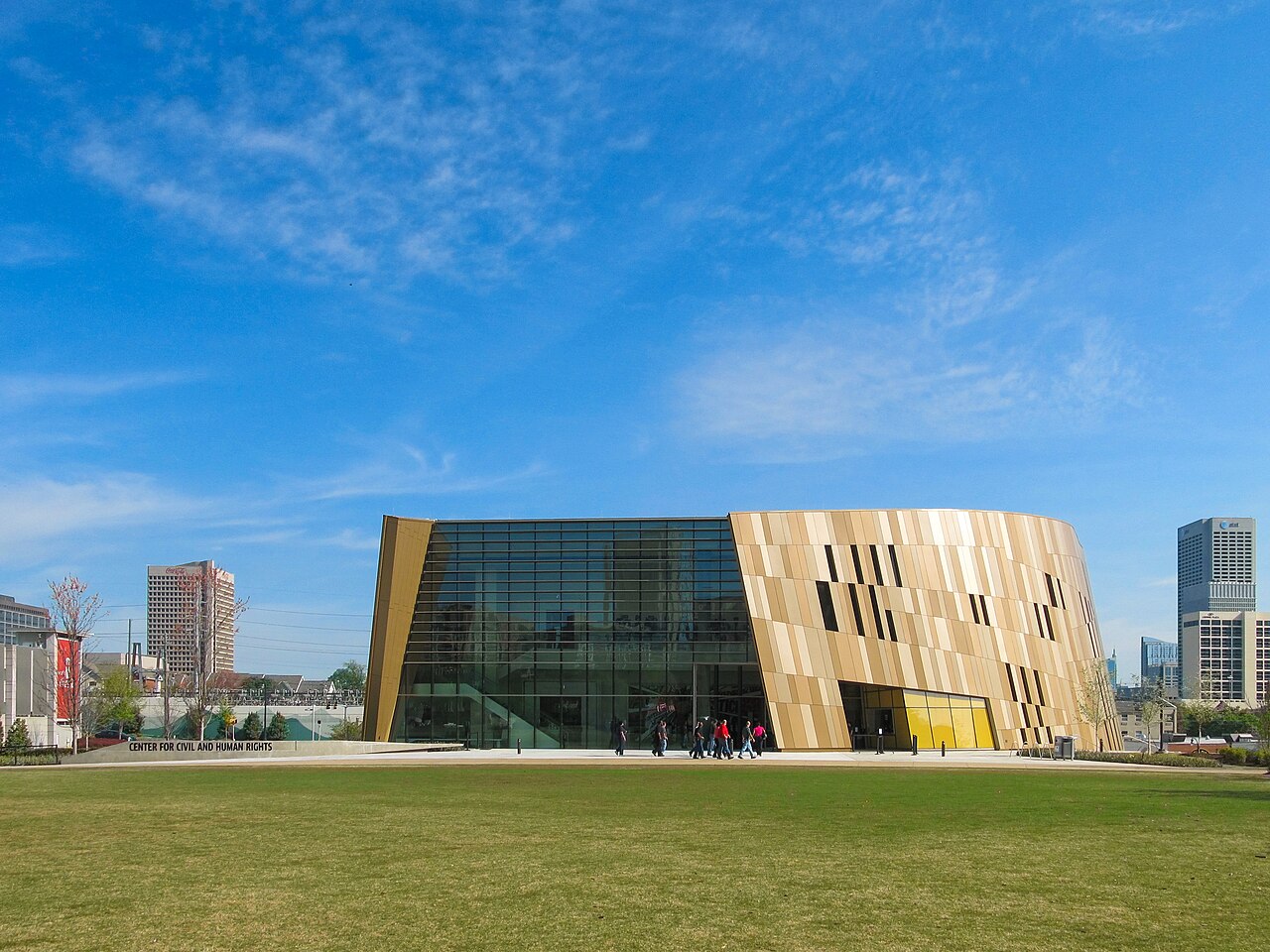
The market sits at 209 Edgewood Avenue, at a stop on the Atlanta Streetcar, which runs east toward the King birth home and the Martin Luther King Jr. National Historical Park and west toward Centennial Olympic Park. That makes it the natural lunch stop on a civil rights history day: morning at the King sites, lunch at the market, afternoon at the National Center for Civil and Human Rights. Street parking and paid lots are nearby, but the streetcar or a walk from downtown hotels is simpler.
What to expect
The experience
A working indoor public market with butchers, produce, seafood and grocers, plus more than 30 small food counters and informal seating, in a 1924 market hall on Edgewood Avenue.
Best time
Weekday lunchtime for the full buzz; Saturday late morning for a calmer browse. Hours are shorter on Sundays.
How long
About an hour for a walk-through and lunch.
Tips
Walk the whole hall before ordering. Carry a card and some cash. Seating is limited. Use the Atlanta Streetcar, which stops outside. Combine with the King birth home and Sweet Auburn.
Quick picks
- Best for
- Food lovers and history-minded travelers who want a real local market.
- Families
- Fine for a quick lunch with plenty of choice, though it can be crowded at midday.
- Couples
- A good, casual lunch on a civil rights history day.
- Pair with
- The Martin Luther King Jr. National Historical Park, a streetcar ride east.
- Time needed
- About an hour.
Good questions
Is the Sweet Auburn Curb Market the same as the Municipal Market?+
Yes. Its official name is the Municipal Market, but most Atlantans call it the Sweet Auburn Curb Market, after the neighborhood and its history of curbside trading.
Why is it called the Curb Market?+
It began in 1918 as an open-air curb market, and during segregation Black shoppers were limited to buying from the curb outside the hall. The name preserves that history.
What can I eat there?+
A changing mix of more than 30 food businesses, from Southern plates and barbecue to Caribbean, Latin American and Asian dishes, smoothies and desserts, plus butchers and produce if you are self-catering.
How do I get there?+
The market is at 209 Edgewood Avenue SE, at a stop on the Atlanta Streetcar, which links downtown with the King historic sites.
Is it open on Sundays?+
The market keeps shorter hours on Sundays, and individual vendors set their own schedules, so check before going late in the day.