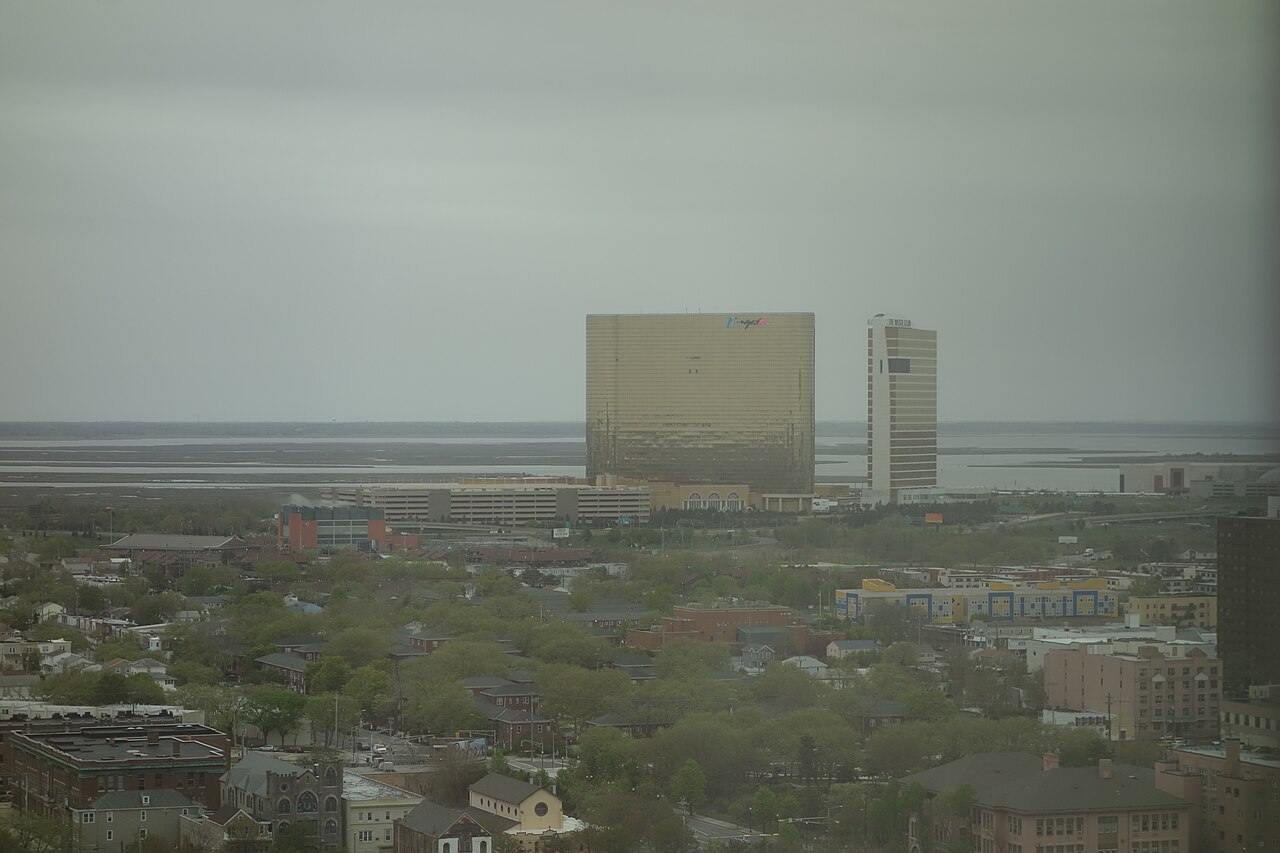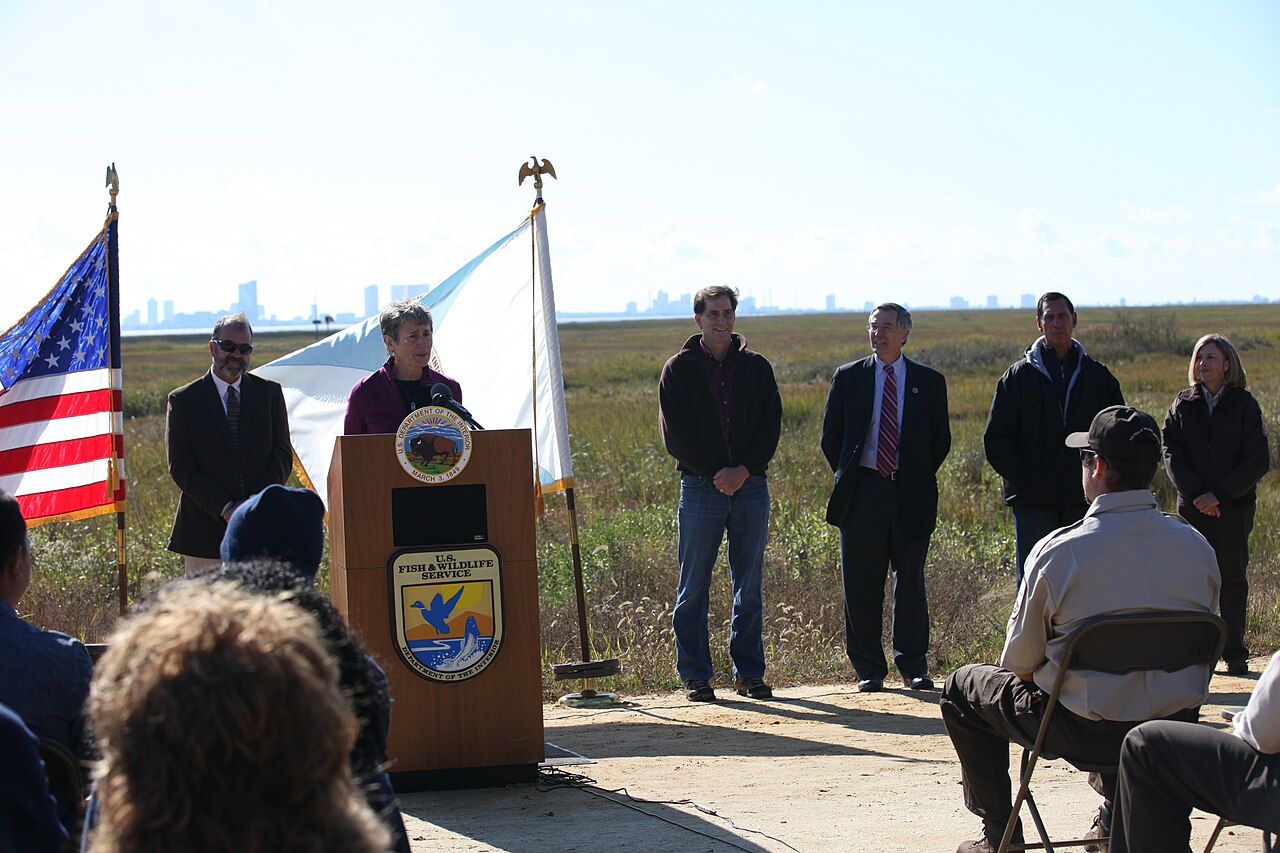
Only a short drive from the casino strip, the Edwin B. Forsythe National Wildlife Refuge protects tens of thousands of acres of salt marsh, bays and barrier beach, and it is one of the finest bird-watching sites on the East Coast. Its Brigantine Division features a driving route with turnouts, observation points and walking trails where visitors can see herons, egrets, ducks, geese, shorebirds and, in the right season, enormous migratory flocks. The sight of wild birds in front of a distant casino skyline captures the odd beauty of Atlantic City's setting better than any postcard.
The refuge is easy to explore even for first-time birders. A one-way loop road, usually described as about eight miles, circles the marsh pools and passes observation platforms, with pull-offs where you can stop and scan the water. Bring binoculars if you have them, but even without them you can enjoy the views, the open sky and the sound of wind in the reeds.
Short walking trails give you a closer look, and a visitor center provides maps, exhibits and information on current sightings. Early mornings and late afternoons generally offer the best wildlife activity and the softest light.
Seasons shape the experience. Spring and autumn migrations bring the greatest diversity, with waterfowl and shorebirds stopping to rest and feed, while winter attracts ducks and geese in impressive numbers. Summer is quieter for birds but still pleasant for scenery, although biting insects can be a nuisance in warm months, so carry repellent. Weather can be windy and exposed, so layers matter, and tides affect water levels and what you see. Check the refuge's current conditions, entrance requirements and any seasonal closures or restrictions before you set out.
A simple visit might take an hour or two by car, with extra time for walks. If you are photographing, a telephoto lens is helpful, and patience is rewarded when a bird lands close to the road. Stay in your vehicle where required to avoid disturbing wildlife, and follow posted rules about speed, pets and trails.
The refuge is generally suitable for families, and children enjoy the sense of discovery, especially if you bring a checklist or a simple bird guide. Accessibility is better than at many natural sites, since much of the loop can be enjoyed from the car.
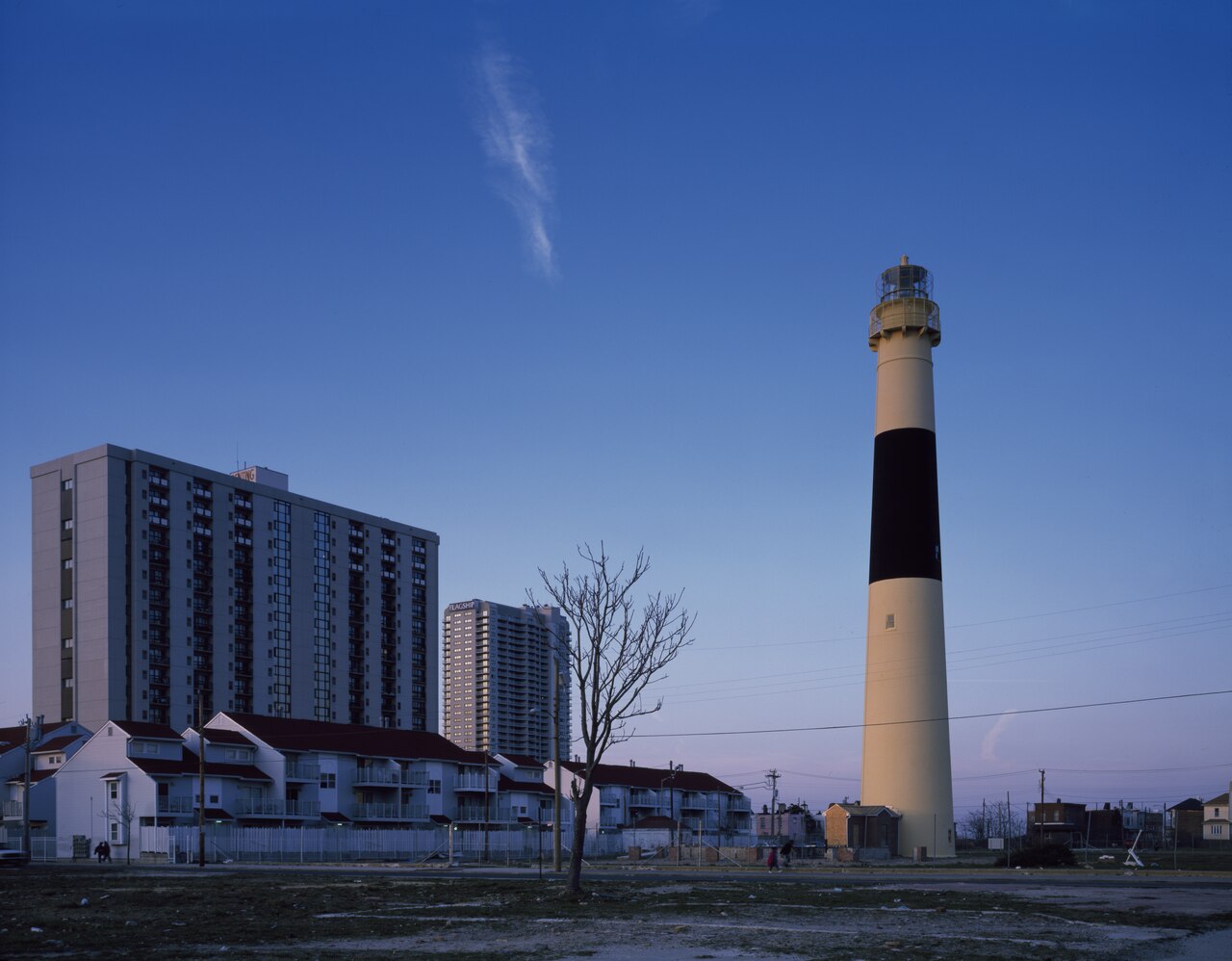
The refuge makes a refreshing counterpoint to the casino district. After a night of neon and noise, a morning of marsh and sky resets the mind, and it gives you an appreciation for the barrier island ecosystem that surrounds the city. Pair it with a visit to the lighthouse or Brigantine beach for a full day of coastal scenery.
Bring water, snacks and a camera, and take time to simply watch. Even a casual visitor tends to leave with a favorite moment, such as an egret stalking the shallows or a flock lifting off all at once.
A few field tips help beginners. Move slowly and speak quietly, because birds notice sudden movement, and turn off the engine at overlooks so you can hear calls. Bring a small notebook or a bird identification app to record what you see, and ask at the visitor center what has been spotted recently. In autumn, check the tide schedule, since low tide exposes mudflats that shorebirds love. Dress in muted colors, and carry a hat, because the marsh offers almost no shade.
What to expect
The experience
A self-guided drive on a roughly eight-mile loop through salt marsh and bays, with pull-offs, observation points, short trails and a visitor center.
Best time
Early morning or late afternoon; spring and autumn for migration, winter for waterfowl.
How long
One and a half to three hours.
Tips
Bring binoculars, insect repellent in warm months and layers, check entry rules, and stay in or near your vehicle where posted to protect wildlife.
Quick picks
- Best for
- Bird watchers, photographers and anyone who wants a quiet break from the casinos.
- Families
- Easy to enjoy from the car, with short walks and a visitor center.
- Couples
- A scenic morning drive with coffee and binoculars.
- Pair with
- Absecon Lighthouse and Brigantine Beach.
- Time needed
- Half a day with walks and a picnic.
Good questions
How far is it from Atlantic City?+
The Brigantine Division is a short drive north of the city, typically around twenty minutes depending on traffic.
Is there an entrance fee?+
Entry is typically a small per-vehicle fee, with passes accepted. Check current requirements.
What can I see?+
Herons, egrets, ducks, geese, shorebirds and many migratory species, plus marsh scenery and distant skyline views.
Can I walk or bike the loop?+
Rules on walking and biking vary by section and season, so check current guidance at the visitor center.
What is the best season?+
Spring and autumn migrations offer the most variety, while winter is excellent for waterfowl.