The French Basque Country is one of the great food regions of Europe, a place where strong local products, a love of the table and a mix of French and Spanish influences come together. You can eat very well in Biarritz and its neighbours without spending a fortune if you know what to look for. This guide covers the essential tastes, how to order and how to avoid the tourist traps.
Bayonne ham
Cured ham from the Bayonne area has a protected geographic identity and a mild, sweet flavour that comes from salt from the nearby Salies-de-Béarn and months of careful drying. Order it sliced thin as a starter, with bread and butter or melon, or find it in a sandwich from a market stall. It is the quintessential Basque snack, and the covered markets in Biarritz and Bayonne sell it in vacuum packs for the trip home.
Espelette pepper
The red pepper of the village of Espelette gives Basque cooking its gentle, fruity heat. It appears in piperade, the colourful stew of tomatoes, peppers and onion served with ham and eggs, and in sausages, sauces and even chocolate. Buy a small tin or jar with the protected-designation label as a souvenir. It is a seasoning, not a firework, and suits almost any savoury dish.
Cheese and cherries
Sheep’s-milk cheese from the Pyrenees is the classic Basque cheese, firm, nutty and delicious with black cherry jam. Ask for it at the end of a meal, or buy a wedge from a market producer. The pairing of cheese and cherry is a local tradition and worth trying at least once.
Seafood
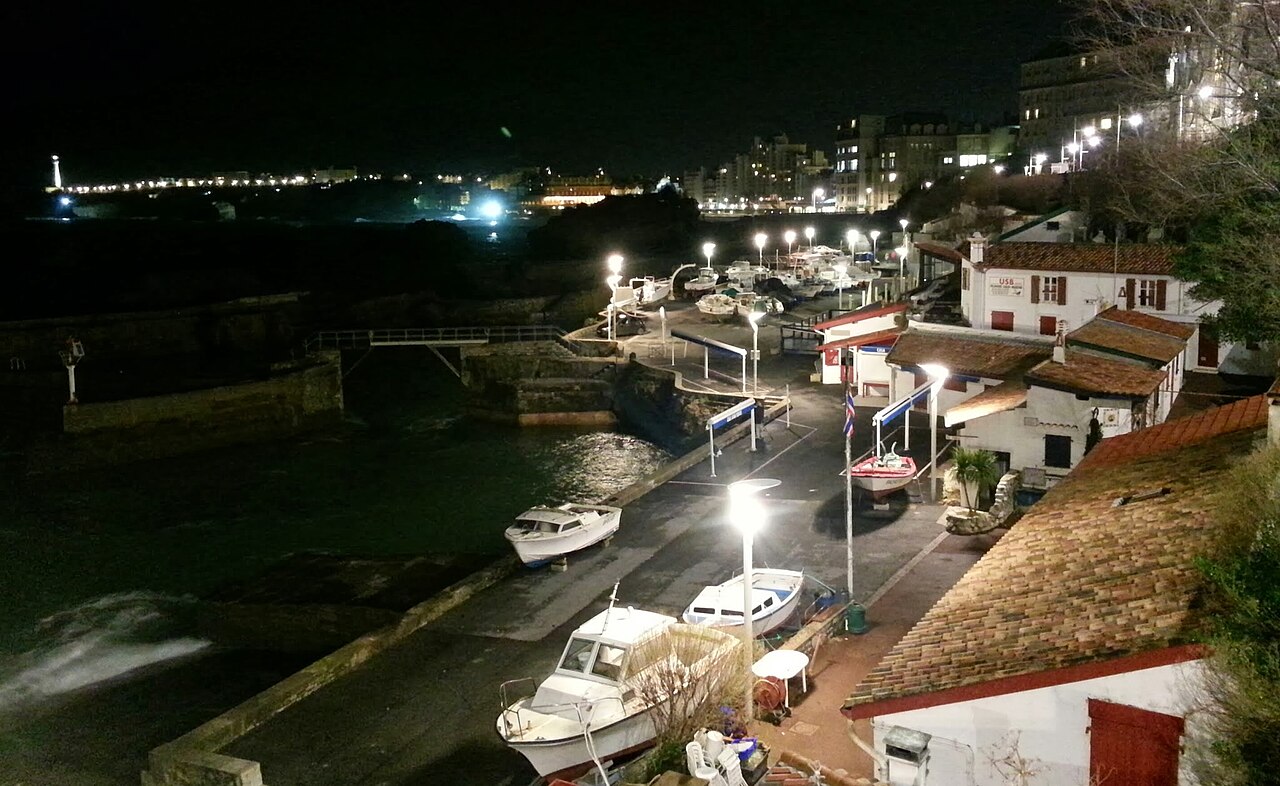
On the coast, fresh fish is the great pleasure. Look for grilled sardines, sea bream, hake and squid, as well as mussels and oysters. The Port des Pêcheurs in Biarritz and the harbour of Saint-Jean-de-Luz have restaurants that serve the day’s catch, and a simple plate of grilled fish with a glass of local white wine is hard to beat. In the markets, you can often buy fish straight from the boat, and some stalls serve it cooked.
Chocolate and cakes
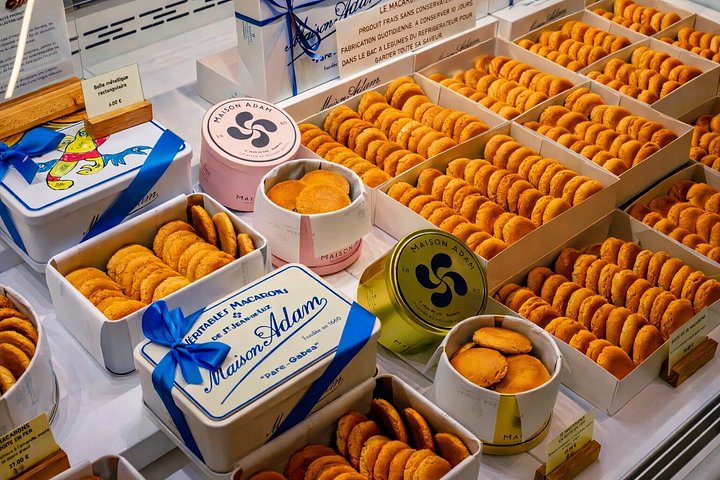
Bayonne has made chocolate since the seventeenth century, when Jewish refugees from Spain and Portugal brought their craft. Today you can visit chocolate workshops, sip thick hot chocolate and buy bars flavoured with pepper or orange. The classic Basque cake, the gâteau basque, is a soft pastry filled with pastry cream or black cherry jam, and the macarons of Saint-Jean-de-Luz are a famous treat. Sweet shops and bakeries are everywhere, so pace yourself.
Drinks
Basque cider is lively and dry, and in the Spanish part of the region it is poured from a height. On the French side, look for local white wines, the red and rosé wines of Irouléguy from the mountain vineyards and light Basque beers. A traditional digestif is the herbal liqueur Izarra, with its green and yellow versions. In beach bars, a cold beer or a spritz is the standard.
How and when to eat
French meal times apply. Lunch is served from about noon to two, and many kitchens close in the afternoon, so do not expect a full meal at four. Dinner starts around half past seven, and in summer, the best tables fill early. Many restaurants close one or two days a week, often Sunday evening or Monday, so check before you set out. A menu of the day at lunch is often the best value.
Markets and food tours
The covered market in Biarritz is a lively place to graze, and Bayonne’s market by the river is a showcase of local produce. A guided food tour is a fine way to find the best stalls and shops, and you learn what to order later. Bring a bag, since you will want to buy ham, cheese, pepper and chocolate, and check the rules for taking food across borders.
Eating across the border
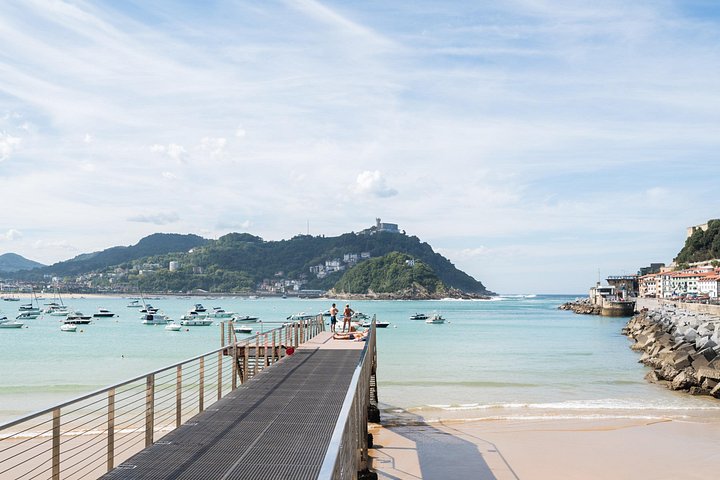
If you take a day trip to San Sebastian, you can enjoy pintxos, the small bites of Spanish Basque bars. They are eaten standing at the counter, with one or two at each place, and they work as a lively alternative to a sit-down meal. Combine the two cuisines for a complete tour of Basque flavours.