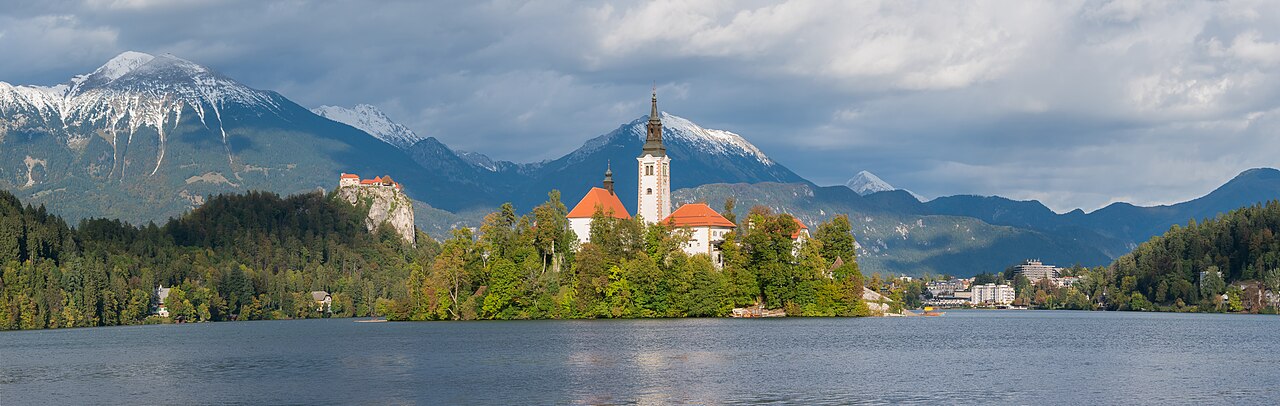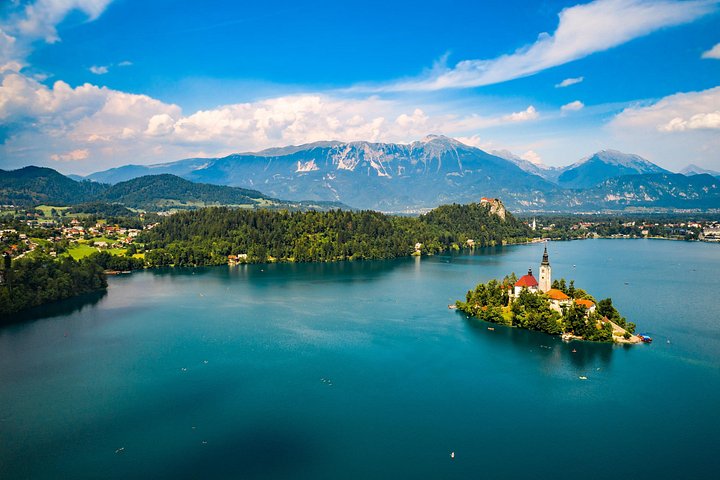
This is the compact introduction to Bled for travellers who want context rather than a long itinerary. A local guide leads a small group along the lakefront promenade and paths, pointing out the island, the castle, the villas and the stories that shaped a once-obscure Alpine village into a destination. Expect the legends, including the wishing bell and the pletna tradition, plus the nineteenth-century tale of a Swiss doctor who popularised natural cures here and helped turn Bled into a spa resort. The route stays mostly flat and keeps a gentle pace, making it suitable for most ages and fitness levels. Because the format is an express walk, it concentrates on the highlights and gives practical tips for the rest of your stay: where to swim, where to find the best cream cake, which viewpoint is worth the climb, and how to avoid the busiest hours. Small groups mean you can ask questions and still move at an easy rhythm. It is also a good first activity if you arrive tired, as it orients you quickly.
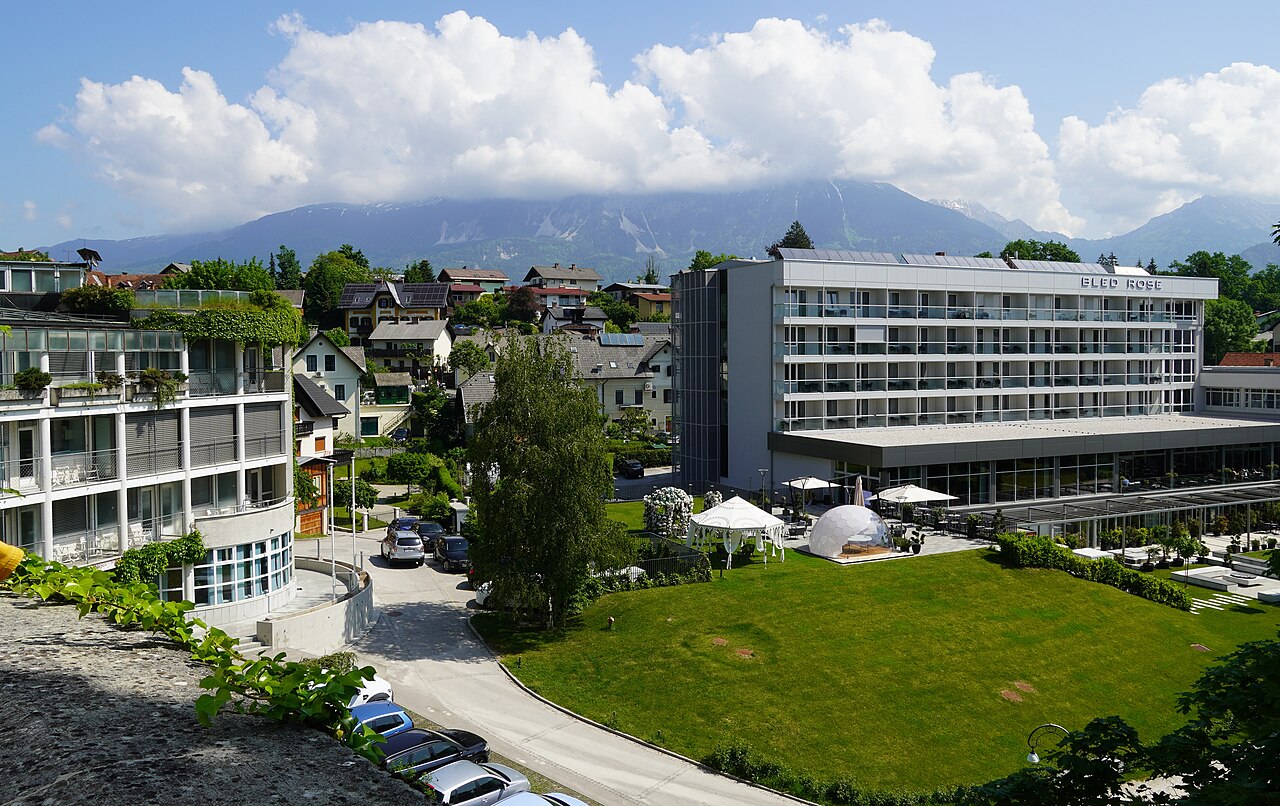
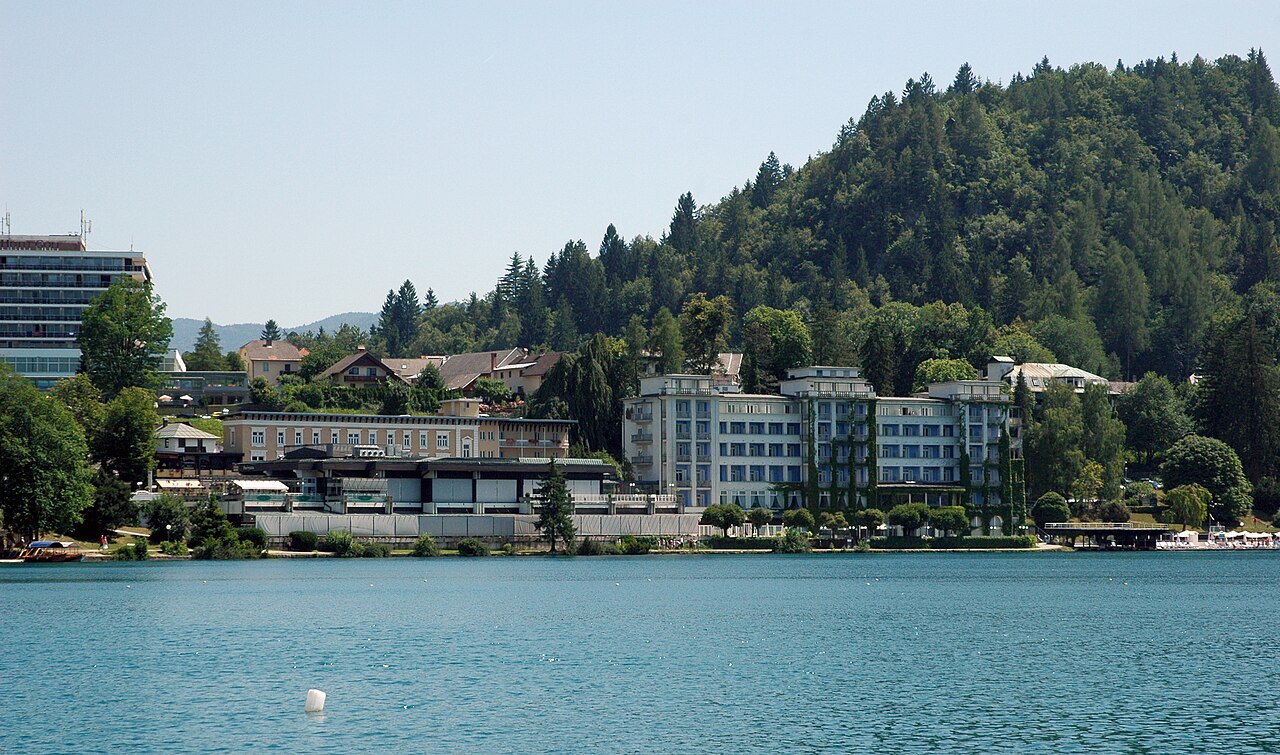
A guided walk at Bled adds the human layer that the scenery alone does not give. The lake is not just a view; it is the product of centuries of monastic ownership, Habsburg holiday-making, spa medicine, royal Yugoslav summers and modern tourism. A good guide threads these together as you walk, so the villas along the shore become characters rather than backdrops, and the island church becomes a living tradition rather than a stop on the way to lunch.
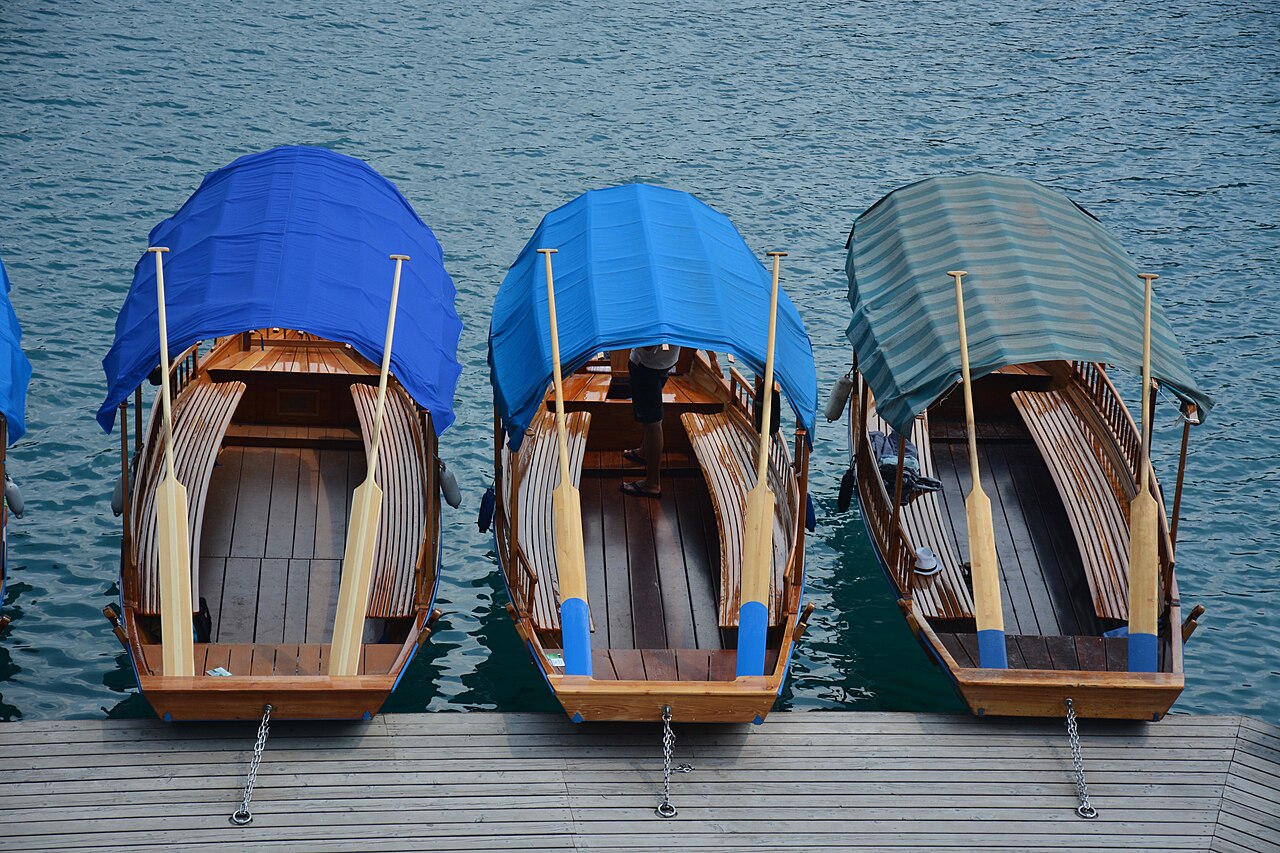
Typical stops include the promenade for the classic island view, the area where pletna boats depart, vantage points beneath the castle cliff and parts of the shore path. The pace is relaxed, and the route is designed to work in any season. Rain gear is sensible in spring and autumn, and sun protection in summer. In winter the same walk is quiet and atmospheric, though shorter days mean you should check start times.
What to do after
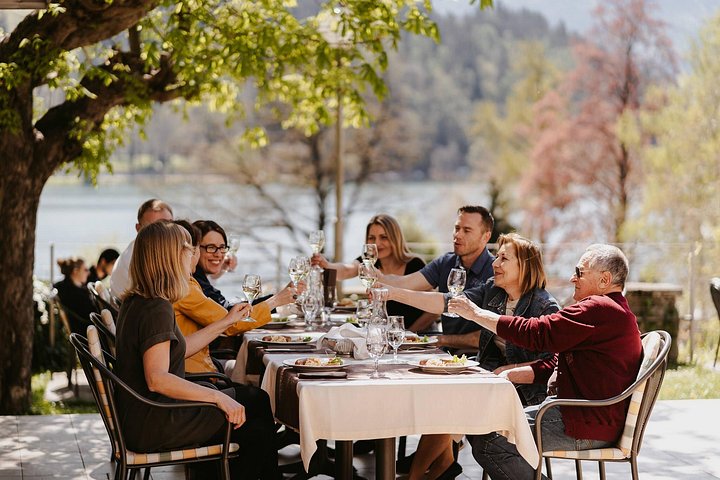
Many guests peel off to climb to the castle, board a pletna, rent a bike, or sit down for cream cake. Guides are usually happy to make recommendations for restaurants and hiking, and some will mention seasonal events. A walking tour is also a sensible way to confirm where the quieter parts of the shore are, so that you can come back for a swim or sunrise photography.
For families, the tour works if children can manage two hours of walking with stories. For visitors with limited mobility, the flat route is a good option, but check the meeting point and ask the operator about accessibility. Tours run in English and sometimes other languages, so confirm the language when booking. Group size is kept small, which keeps the experience intimate and makes it easy to hear the guide on a busy promenade.
What to expect
The experience
A small-group walking tour with a local guide along the promenade and shore, covering legends, history and practical tips.
Best time
Morning for cooler temperatures and clear views, or late afternoon in summer.
How long
Around two hours.
Tips
Wear comfortable shoes and bring water. Ask your guide for cream cake, swimming and hiking recommendations.
Quick picks
- Best for
- First-time visitors who want context and orientation quickly.
- Families
- Works for school-age children who enjoy stories; flat and easy.
- Couples
- A relaxed way to learn the legends before a romantic evening.
- Pair with
- Bled Castle and the pletna crossing to the island.
- Time needed
- Two hours plus optional coffee afterwards.
Good questions
How long is the walking tour?+
It lasts around two hours, covering the main viewpoints and stories along the lakefront at a relaxed pace.
Is the route suitable for all ages?+
Mostly yes. The route is flat and unhurried, though check with the operator about accessibility needs.
Does the tour include Bled Castle or the island?+
It focuses on the lakeside and viewpoints, with the castle and island seen from the shore, so you can decide afterwards whether to visit them.
What language are tours in?+
English is standard, and the operator may run other languages, so confirm when you book.
What should I wear?+
Comfortable walking shoes and weather-appropriate layers; bring sun protection in summer and a light rain jacket in spring and autumn.