The Harvard Art Museums combine three collections, the Fogg, the Busch-Reisinger, and the museums’ Asian, Islamic, and ancient holdings, within a single building on Quincy Street in Cambridge, redesigned by Renzo Piano and reopened in 2014. The galleries span ancient art to contemporary work, and the glass-roofed courtyard is a pleasure in itself. It is one of the best art museums in the Boston area and a natural companion to a Harvard Yard visit.
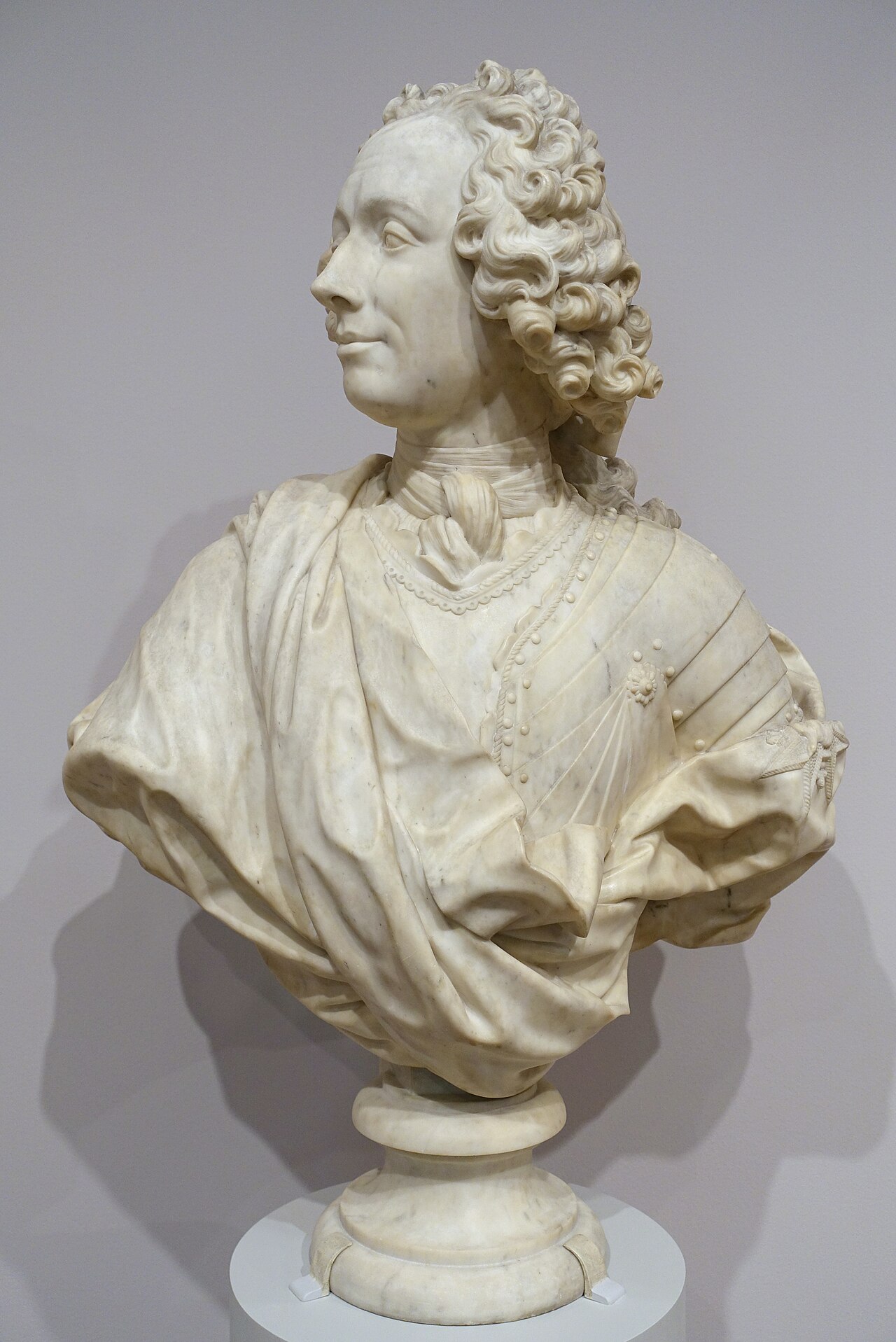
The museums grew from the university’s teaching collections, and that origin shows in the breadth of the holdings. The Fogg’s strengths include European and American paintings, drawings, and sculpture from the Middle Ages onward, with notable Impressionist and Post-Impressionist works. The Busch-Reisinger focuses on Central and Northern European art, with an emphasis on German Expressionism and the Bauhaus. The third collection brings together Asian art, Islamic art, and ancient art, including jade, ceramics, and works on paper.
The building makes the visit easy. Piano’s design brought the three collections together around a light-filled central court under a glass roof, and the galleries are arranged so that you can move between periods and cultures without long walks. Study rooms and special exhibits add variety, and the museum’s approach to labeling and programming reflects its role as a teaching institution. The place feels more intimate and navigable than a giant encyclopedic museum, so you can cover a good portion in a couple of hours.
The museums are located next to Harvard Yard, a short walk from Harvard Square and the Red Line, so combining them with a campus walk and lunch in the Square makes a natural day. Check the ticketing page of the museum for current admission, free hours, and any timed-entry rules, because these can change. Mornings are quiet, and weekends and holidays bring more people. If you are choosing between the Boston Museum of Fine Arts and Harvard, the answer is easy: go to both, but give the MFA more time and Harvard a focused visit.
If time is short, choose one collection and spend the visit there rather than rushing through all three. The central court is a good place to rest and plan, and the museum shop and cafe make it easy to extend the visit. Students and teaching programs mean that the galleries sometimes host class discussions, which adds a lively, academic atmosphere on weekdays.
What to expect
The experience
A self-guided visit through three art collections in one building, with a glass-roofed central court and rotating special exhibits.
Best time
Weekday mornings are calm; check the ticketing page for current admission and any free hours.
How long
About two hours for a focused visit.
Tips
Check current ticketing rules on the museum’s website, start with a collection that interests you most, and combine with a walk through Harvard Yard.
Quick picks
- Best for
- Art lovers and visitors who want a Cambridge counterpart to the MFA.
- Families
- Best for older children with an interest in art; younger kids may enjoy the courtyard and selected galleries.
- Couples
- A pleasant, unhurried date, with lunch in Harvard Square to follow.
- Pair with
- Harvard Yard, the Natural History Museum, and lunch in Harvard Square.
- Time needed
- About two hours.
Good questions
What collections are included?+
The Fogg, the Busch-Reisinger, and a third collection of Asian, Islamic, and ancient art, all in one building.
Who designed the building?+
Renzo Piano designed the expansion, which opened in 2014 and added a glass-roofed courtyard.
Where is it?+
On Quincy Street, next to Harvard Yard in Cambridge.
How do I buy tickets?+
Check the museum’s ticketing page for current admission details and timed-entry rules.
How does it compare with the MFA?+
It is smaller and more focused, so many visitors do both on separate days.