Beacon Hill is known for gas lamps and brick rowhouses, but its north slope holds one of the most important chapters in American history. In the nineteenth century it was home to Boston's free Black community and a center of the abolitionist movement, with homes, churches and meeting places that sheltered people escaping slavery. A guided walking tour brings those places and the people behind them to life, connecting the streets you can still walk to stories of resistance, organizing and community. It is a thoughtful complement to the Freedom Trail and a valuable way to understand the fuller story of the city.
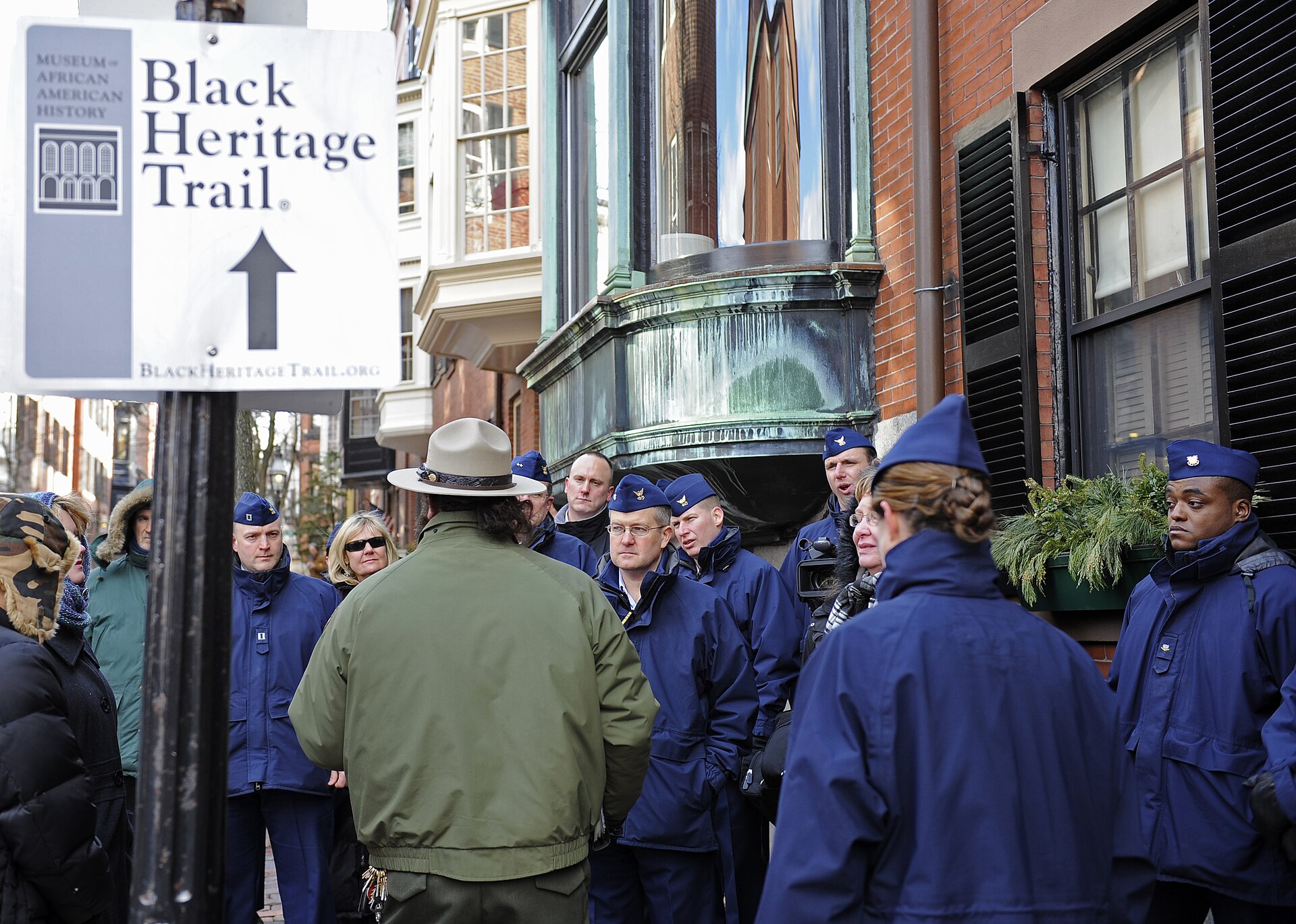
Most visitors know Beacon Hill for its postcard streets, but the neighborhood's north slope tells a different and equally important story. In the early and mid nineteenth century it was the heart of Boston's free Black community, a place of homes, businesses, schools and churches, and a base for abolitionists who worked to end slavery and to help people reach freedom. A guided walking tour follows that history street by street, pointing out buildings that still stand and explaining who lived and worked in them, and what they did.
Tours typically move through the area around Smith Court and Joy Street, passing sites associated with the Black Heritage Trail such as the African Meeting House, the oldest surviving Black church building in the country, and the Abiel Smith School, an early public school for Black children. Guides often discuss the role of the neighborhood in the Underground Railroad, the networks of safe houses and allies that helped people escape, as well as figures like Lewis and Harriet Hayden and the Massachusetts 54th Regiment, whose memorial faces the State House. The exact stops vary by guide and by tour, but the approach is to ground the history in the places where it happened.
The Underground Railroad is a topic that is easy to oversimplify, and a good guide separates fact from legend. You will hear about what was documented, what was passed down and the risks that those who sheltered or aided freedom seekers took, especially after the Fugitive Slave Act raised the stakes. The tour also covers the broader story of Black life in Boston, including the efforts to desegregate schools and the community's long campaign for equal rights. The tone is serious but not heavy-handed, and the combination of storytelling and place makes the history concrete.
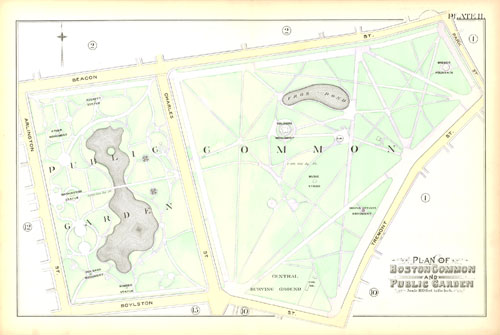
Beacon Hill's cobblestones and steep streets make for a moderately active walk, so comfortable shoes are important. The tour works well early in a trip, since it deepens the context for other sights, and it pairs naturally with the Freedom Trail, the Massachusetts State House and the Boston Common, all within easy walking distance. It is suitable for older children and teenagers studying American history, and for adults who want a deeper view than the standard Revolutionary narrative. Check the meeting point and timing when you choose your date and arrive a few minutes early.
Because the subject deserves context, it helps to prepare. A short read about the Black Heritage Trail or the Fugitive Slave Act before you go will make the stops more meaningful, and the guide will build on what you already know. After the tour, many visitors take time on the Common or the Public Garden to absorb what they heard, or walk to the nearby Massachusetts 54th Regiment memorial across from the State House to see it with fresh eyes.
What to expect
The experience
A guided walking tour of Beacon Hill's north slope covering the free Black community, abolitionist sites and the Underground Railroad.
Best time
Morning or afternoon in dry weather. Spring and fall are comfortable for the steep, cobbled streets.
How long
Roughly one and a half to two hours on foot.
Tips
Wear comfortable shoes for hills and uneven brick, bring water and arrive a few minutes early at the meeting point.
Quick picks
- Best for
- History lovers, students and anyone who wants the fuller story of Boston beyond the Revolution.
- Families
- Best for older children and teens; the content is serious and suited to those studying American history.
- Couples
- A thoughtful shared experience that adds depth to a Boston trip.
- Pair with
- The Freedom Trail, the Massachusetts State House and Boston Common are all a short walk away.
- Time needed
- Allow about two hours.
Good questions
What will I see on the tour?+
Tours typically pass sites on the north slope of Beacon Hill associated with the Black Heritage Trail and the abolitionist movement, such as the African Meeting House and the Abiel Smith School.
Is the tour accurate about the Underground Railroad?+
Good guides separate documented history from legend and explain what is known about the networks that helped freedom seekers.
Is it suitable for children?+
It suits older children and teenagers. The content is serious and focuses on slavery and resistance.
How hilly is the route?+
Beacon Hill is steep in places, with uneven brick sidewalks, so wear sturdy shoes and expect a moderate walk.
Can I combine it with the Freedom Trail?+
Yes. Beacon Hill is on the Freedom Trail route, and many visitors do this tour on a separate morning or afternoon.