Boston's food is rooted in the sea and in its immigrant neighborhoods — fresh New England seafood, a beloved Italian quarter, and a handful of local classics worth seeking out. You don't need a long list of specific restaurants; target the categories and the neighborhoods, and you'll eat well.
The seafood
This is the heart of Boston eating. New England clam chowder — creamy, rich, studded with clams and potatoes — is the iconic starter, served everywhere from white-tablecloth rooms to market stalls. The lobster roll is the other must: chunks of fresh lobster, either lightly dressed in mayo (the classic cold version) or warm with butter, on a toasted split-top bun. Add raw oysters, fried clams (whole-belly, the New England way), and a steamed lobster dinner, and you've covered the canon. Some of the best seafood is at no-frills spots and the waterfront, not just the fancy rooms.
The North End
Boston's Little Italy, threaded by the Freedom Trail, is the city's most atmospheric eating neighborhood — narrow streets packed with Italian restaurants, salumerie, and cafés. It's the place for a long pasta dinner, and famously for cannoli: two storied bakeries here have a friendly, decades-long rivalry that visitors love to settle for themselves. Expect crowds and, at the popular spots, a wait — part of the experience.
Quincy Market
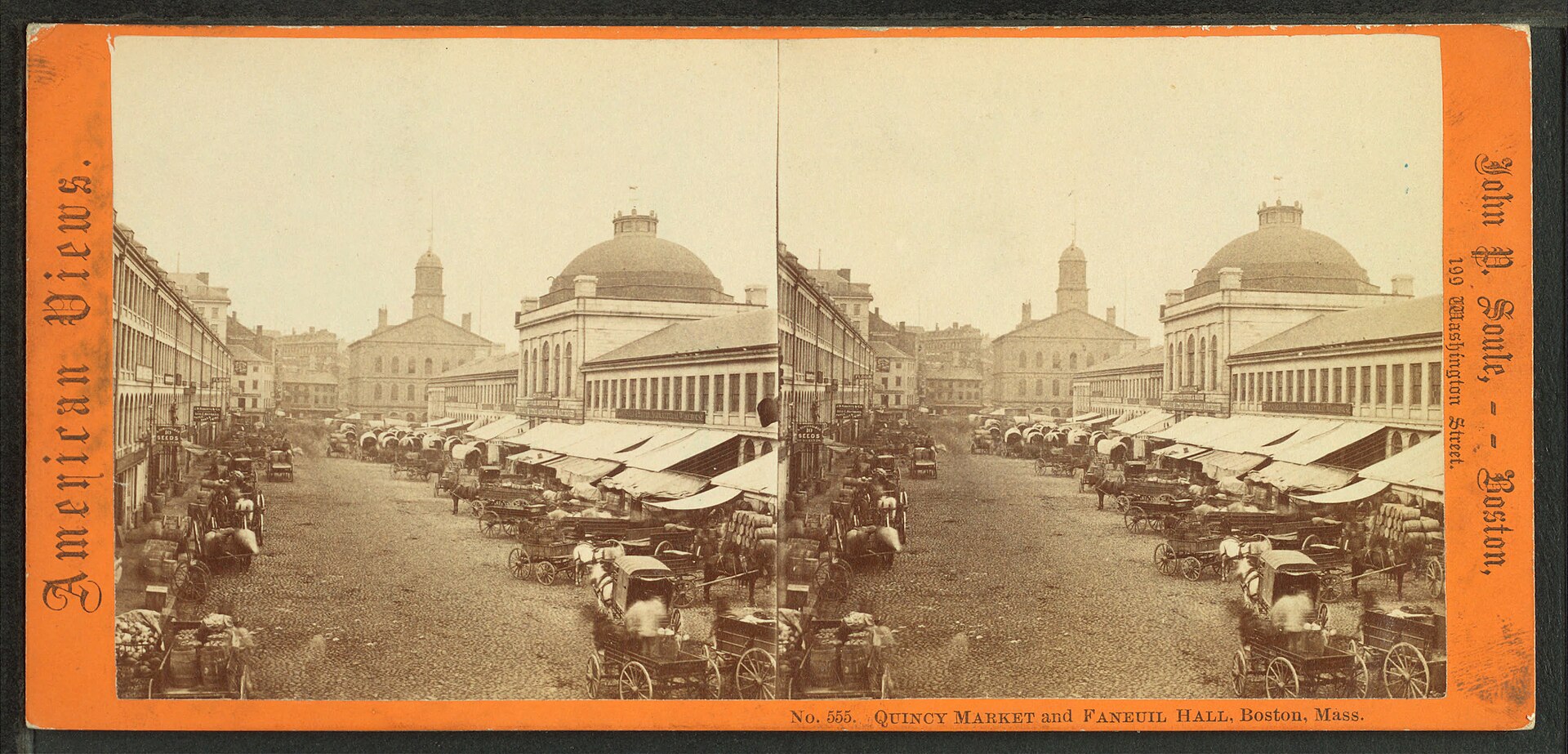
At Faneuil Hall, the Quincy Market food colonnade is the convenient, casual option mid-sightseeing — dozens of stalls serving chowder, lobster rolls, and New England staples alongside global choices. It's touristy but handy and varied, ideal for a quick, grazing lunch on the Freedom Trail.
Local classics
Beyond seafood, look for Boston cream pie (the state dessert, a custard-filled sponge cake with chocolate glaze, born at a historic local hotel), Boston baked beans (the dish behind the "Beantown" nickname), and, for the curious, a Fluffernutter (marshmallow-and-peanut-butter sandwich — a New England invention). Dunkin', born in nearby Quincy, is practically a regional institution.
How to plan
Restaurants change constantly, so rather than chase a single spot from an old list, aim for the experiences: a lobster roll and chowder by the water, a North End pasta dinner with cannoli, a casual Quincy Market lunch, and a slice of Boston cream pie. Book ahead for popular North End and seafood dinners, especially on weekends.