Bruges is one of the most perfectly preserved medieval cities in Europe, and it is small enough to walk end to end in half an hour. That is its charm and its trap: day-trippers crowd the same few streets between the station, the Markt and the Beguinage, then leave before the city empties out and the canals glow under the lamps. Stay at least one night and you see a different place. Here is how to shape a first visit.
How many days
One full day covers the Markt, the Belfry, the Burg, a canal boat in season and a museum at a brisk pace. Two days let you add the Groeningemuseum, Choco-Story, a brewery tour and an evening stroll through quiet Sint-Gillis. Three days are ideal, with a day trip to Ghent. If you visit in December, add time for the Christmas market and the city’s winter atmosphere.
What to book ahead
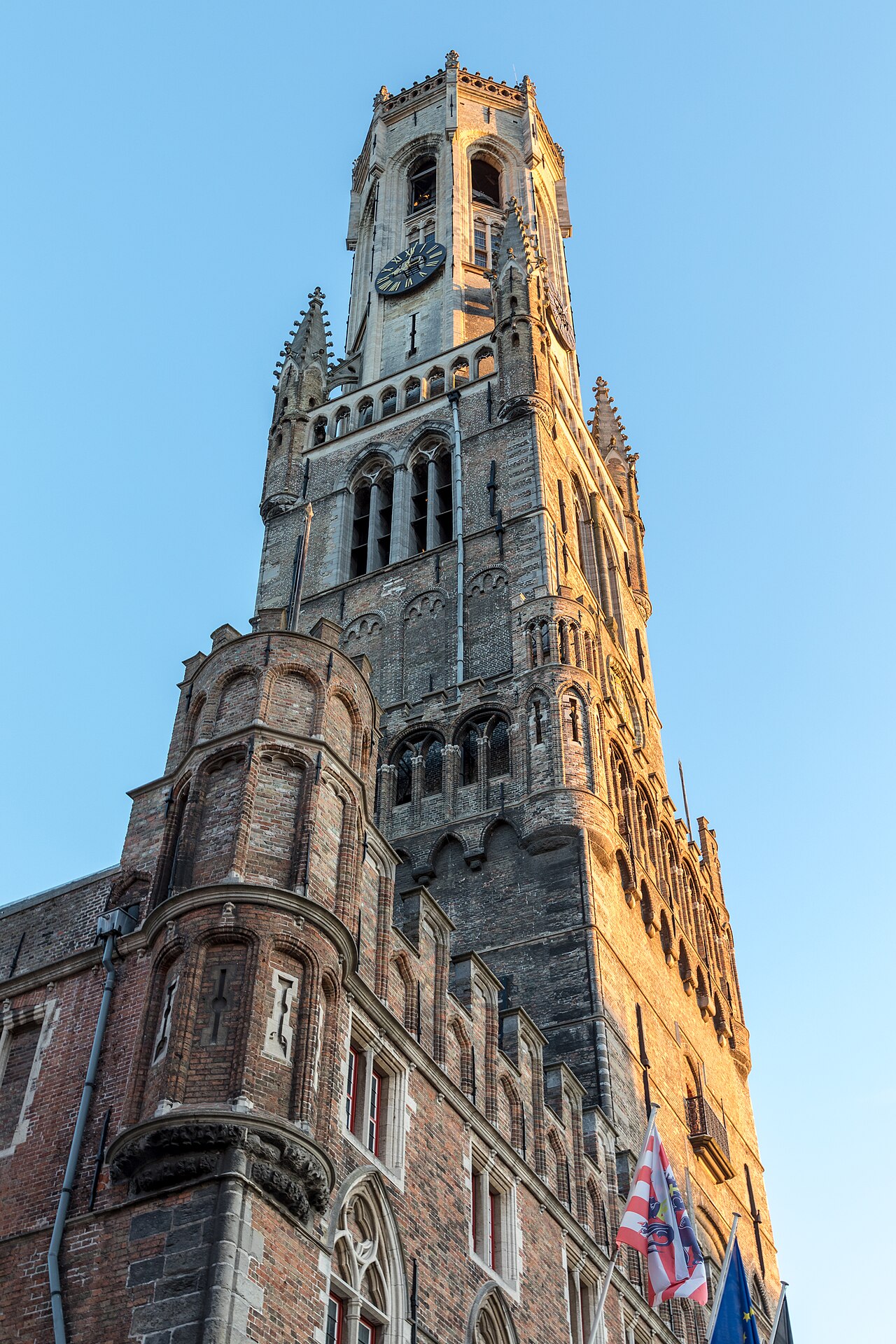
The Belfry is the one ticket that really matters: visitor numbers are capped per hour, so reserve a time slot and arrive on time. If you will see the Belfry and two or more city museums, the 72-hour Musea Brugge Card is usually better value, but you still reserve time slots. De Halve Maan brewery tours are limited to small groups, so book those too, especially at weekends. The Historium and Choco-Story rarely sell out, but booking ahead saves queuing. Canal boats cannot be reserved; you buy tickets at the landing stage.
Watch the closing days and seasons
Mondays are the trap: most Musea Brugge locations, including the Groeningemuseum, close on Mondays, while the Belfry stays open. The Groeningemuseum closes for a four-year refurbishment on 11 January 2027, with its highlights moving to the new BRUSK art centre, so see the Van Eycks before then if you can. The canal boats sail from early March to mid-November; in winter each operator decides whether to run. Museums close on 25 December and 1 January and close early on 24 and 31 December.
Getting in
Bruges station has frequent trains from Brussels, Ghent and the coast, and direct trains from Brussels Airport. The station sits just outside the old town, about twenty minutes on foot from the Markt, or a few minutes by the city buses that leave from the forecourt.
Getting around
Walk. The centre is compact, flat and largely car-free, though the cobbles are hard on the feet, so bring comfortable shoes. The City Tour minibus from the Markt is a good fifty-minute orientation, and the easiest option for anyone who finds walking difficult. Cycling is popular, but give way to pedestrians in the busiest streets.
Day one: the Markt and the Burg
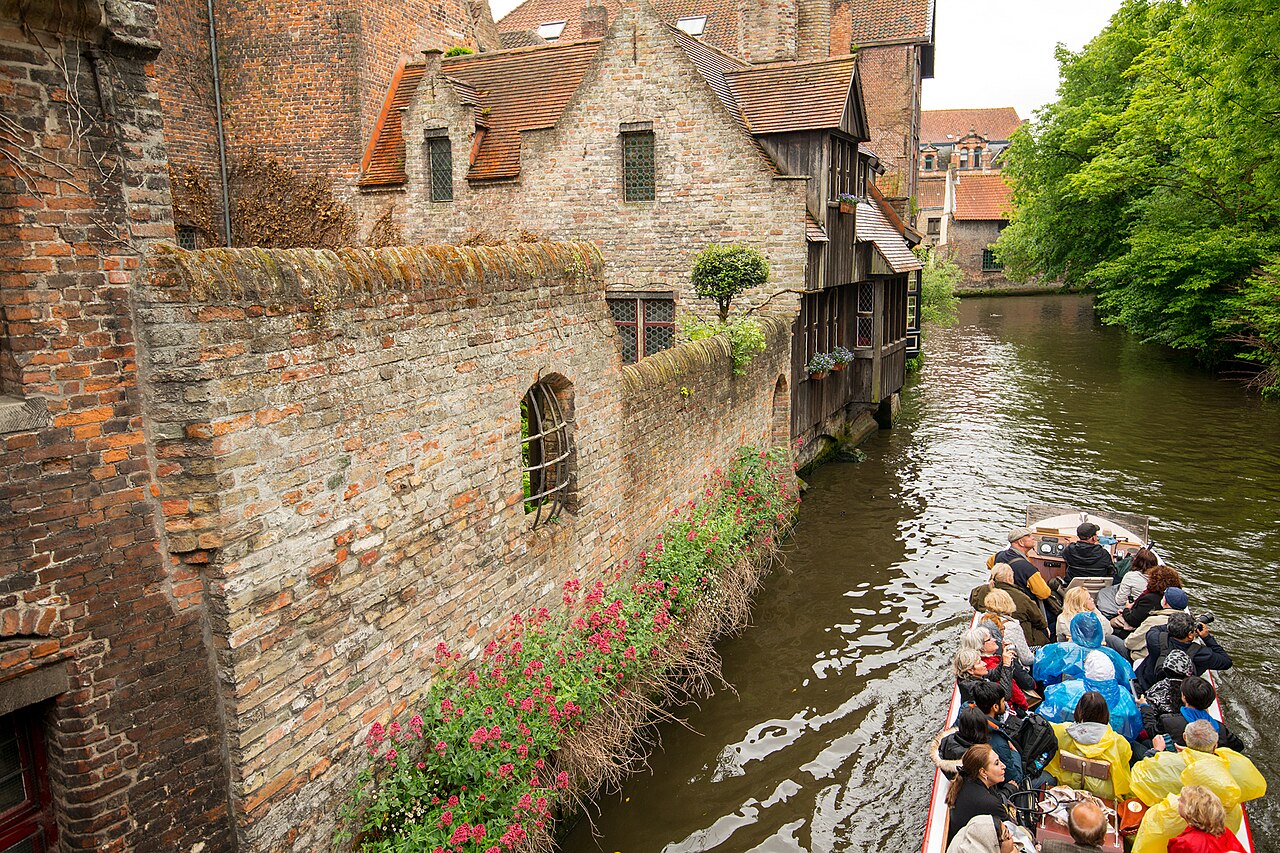
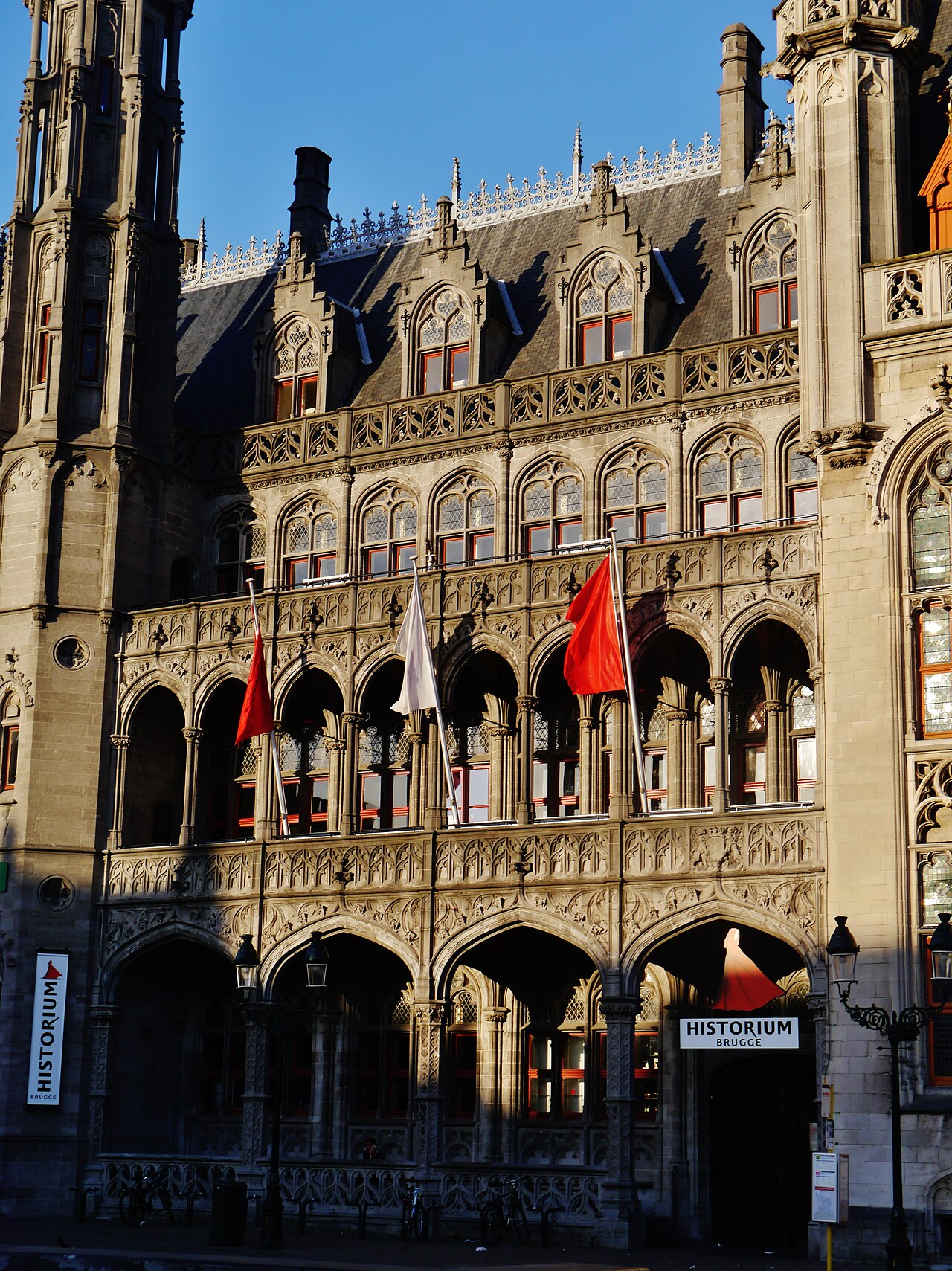
Start at the Historium for the story of Golden Age Bruges, then climb the Belfry on a booked slot. Walk to the Burg for the Basilica of the Holy Blood and the City Hall, then take a canal boat from the Rozenhoedkaai in season. Finish at the Bruges Beer Museum before dinner.
Day two: art, chocolate and beer
Spend the morning in the Groeningemuseum and the Church of Our Lady, then visit Choco-Story. In the afternoon, tour De Halve Maan brewery and walk to the Beguinage and the Minnewater as the light fades. In the evening, explore Sint-Gillis and the Langerei canal, the quietest and most romantic corner of town.
Day three: Ghent
Take the train to Ghent, ride a historic boat tour past the Graslei and the Gravensteen, see the Ghent Altarpiece in St Bavo’s Cathedral and stay for the evening lights. A Monday is the smartest day for this trip, because most Bruges museums are closed.
The Christmas market
From late November into early January, the Markt and Simon Stevinplein fill with wooden chalets, mulled wine and lights. It is magical but busy, so book hotels early and climb the Belfry first thing in the morning.
Money and manners
Belgium uses the euro and cards are accepted almost everywhere. Service is included in restaurant bills, but rounding up is appreciated. Dutch is the local language, and English is widely spoken. Belgian beers are often strong, so pace yourself.