Brussels was occupied by German forces from May 1940 until its liberation in September 1944, and the city still carries the marks of those years. This walking tour tells the story through the streets where it happened: buildings used by the occupiers, places where people hid or resisted, and corners where ordinary life carried on despite shortages and fear. It is a sober but absorbing tour, led by a guide who knows the archives and the human stories behind them. The route stays in the centre and moves at a gentle pace, with plenty of stops where the guide explains what happened and shows old photographs. You hear about rationing, the black market, the fate of the Jewish community, the work of resistance networks and the arrival of Allied troops. The tour suits visitors with an interest in twentieth-century history who want to see the city from a different angle than the Grand-Place and the museums.
What it is
A guided walking tour of central Brussels focused on the Second World War occupation. Check the meeting point, language and duration when you book.
Working the visit
The tour is mainly outdoors, so dress for the weather and wear comfortable shoes. The content is serious, and some stories are distressing, so it is best suited to teenagers and adults rather than young children. The guide will pause often to let you take in a place, and questions are welcome. A quiet cafe afterwards is a good way to talk it over.
Pairing
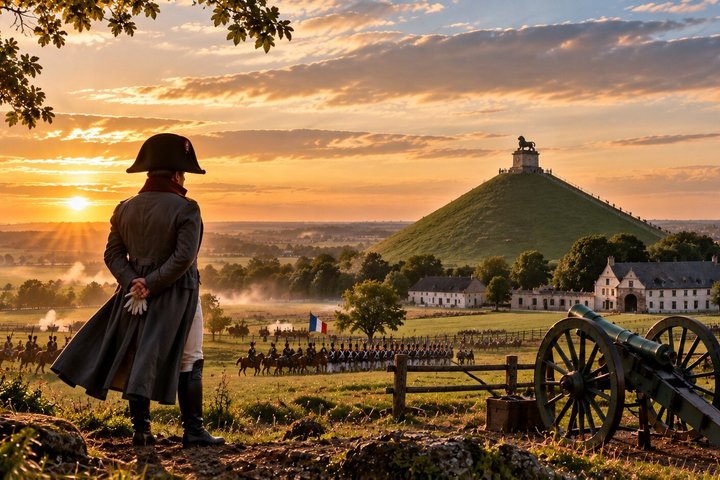
The tour complements a day trip to Waterloo battlefield, since the two cover very different wars, and it works well beside the museums and monuments that shape how the capital remembers the past. For a lighter balance, follow it with a beer or chocolate tasting, but allow a break between them. The tour also makes a good contrast with the festive atmosphere of the Grand-Place, where you may realise how much happened within a few streets of the tourist centre.
Good to know
Guides vary in their emphasis, with some focusing on the resistance and others on civilian life, so read the tour description before you book. The city has memorials and plaques that you will notice more after the tour, and you may find yourself spotting them on later walks. Bring a small notebook if you like to record names and dates. Many visitors say the tour changes how they see Brussels, which is why it is worth a place on a longer stay.
Practical notes
Group sizes are generally modest, and the guide may adjust the route to avoid crowds or roadworks. If you have mobility concerns, ask in advance about the distance and any steps. Photography is fine in public spaces, but be respectful at memorial sites. If you wish to go deeper afterwards, the city's museums and archives hold more material, and your guide can suggest where to look.
One more tip
Wear shoes that cope with wet cobbles, and bring a light layer, because standing still while the guide speaks can feel cooler than walking. Charge your phone so that you can photograph plaques and take notes.
What to expect
The experience
A guided walking tour of central Brussels about life under occupation in the Second World War.
Best time
Morning or afternoon in dry weather.
How long
About two and a half hours.
Tips
Dress for the weather and expect serious subject matter.
Quick picks
- Best for
- History fans and curious adults.
- Families
- Better for teenagers than young children.
- Couples
- A thought-provoking shared outing.
- Pair with
- A Waterloo day trip or a quiet cafe.
- Time needed
- About two and a half hours.
Good questions
What does the tour cover?+
Daily life under occupation, resistance, rationing and the liberation of Brussels.
Is it suitable for children?+
It is best for teenagers and adults because of the subject matter.
Where does it start?+
In central Brussels. Check the meeting point when you book.
How much walking is there?+
A gentle pace, mostly on flat streets in the centre.
Is the tour in English?+
Check the language when you book.