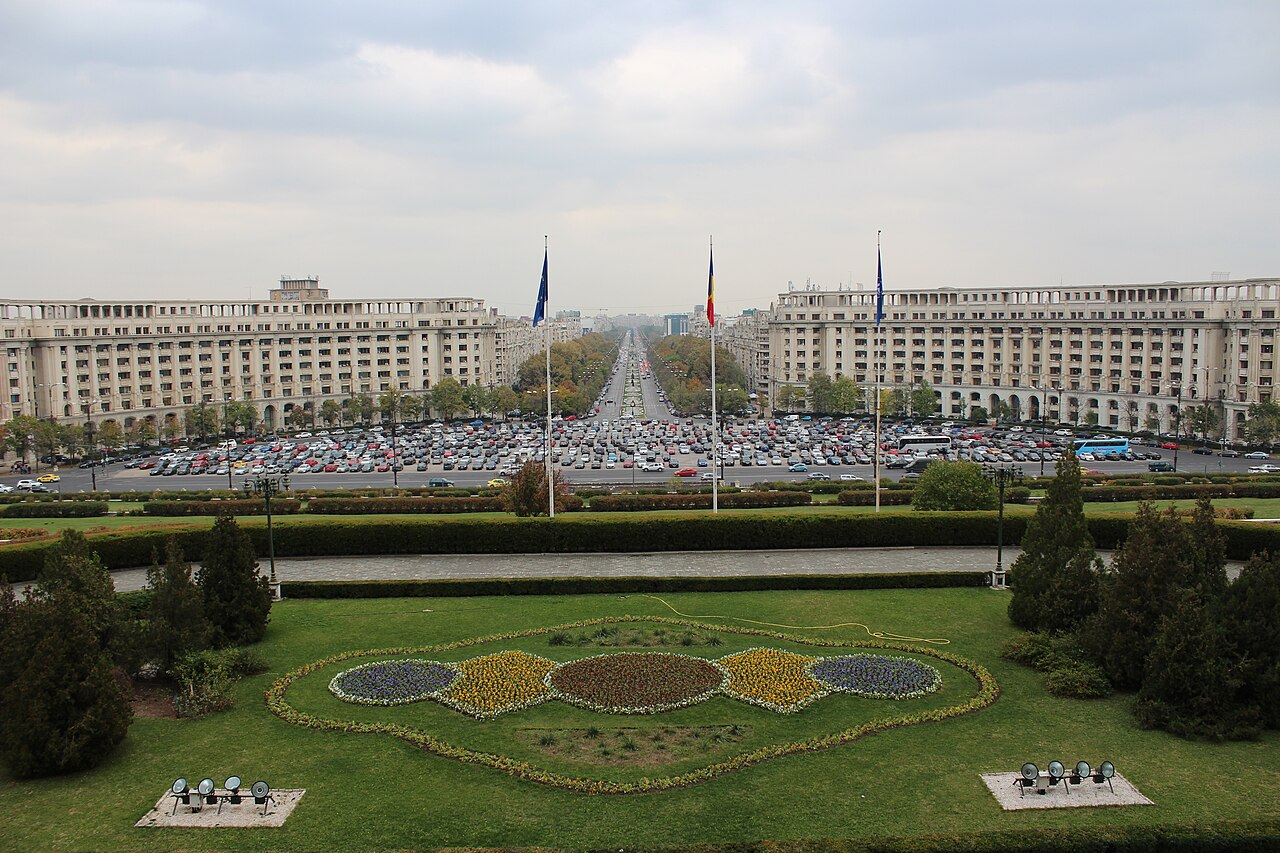
Bucharest surprises people. It has a reputation as a grey transit stop on the way to Transylvania, yet it rewards a few days with Belle Époque boulevards, gilded Orthodox churches, the most extraordinary communist architecture in Europe and a café and restaurant scene that is lively and good value. Here is how to plan a first visit.
How many days
Two full days cover the city’s essentials. Three let you add the Bran and Peleș castle day trip, which is the best reason to stay longer. Four or five give time for the museums at a slower pace and an evening concert at the Athenaeum.
What to book ahead
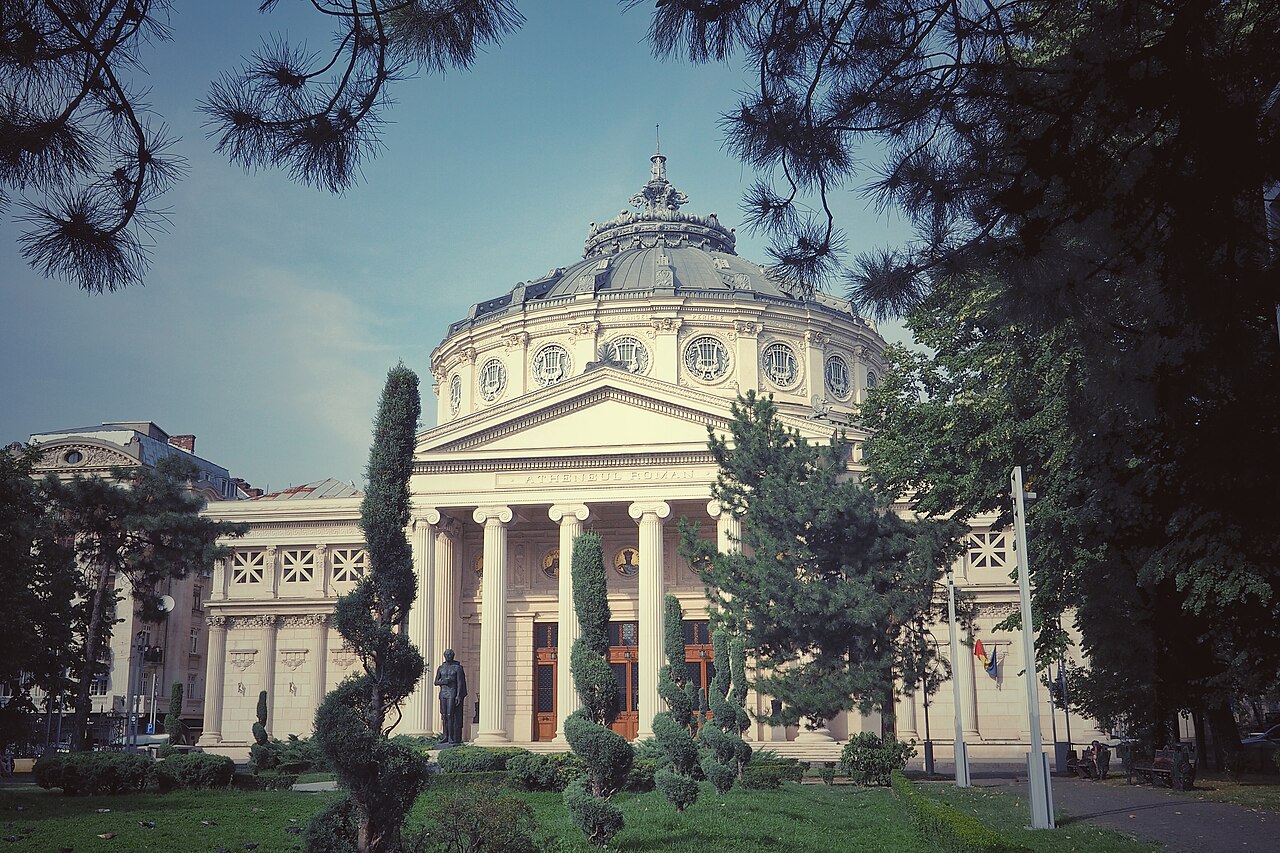
The Palace of the Parliament is the one essential booking: all visits are guided tours, and the Tiqets ticket bundles entry with a one-hour tour. The Ceaușescu Mansion and Cotroceni Palace are guided tours too, with limited group sizes, so book them a day or more ahead. The Bran and Peleș day trip has a fixed number of seats and is nonrefundable, so choose your date carefully. For a concert at the Romanian Athenaeum, check the George Enescu Philharmonic calendar and book early for big names.
Bring your passport
The Palace of the Parliament requires an original passport or national ID card for every adult, with no exceptions for driving licences or phone photos, and state buildings such as Cotroceni have security checks too. Keep it in your day bag.
Watch the closing days
Mondays and Tuesdays are the trap. The National Museum of Art is closed on both days, and Peleș Castle, the highlight of the day trip, is also closed on Mondays and Tuesdays; on those days the tour sees it from outside. Put the Palace of the Parliament, the Old Town, the Village Museum and the Museum of Senses on a Monday or Tuesday, and keep the art museum and the castle trip for Wednesday to Sunday.
Getting in
Henri Coandă International Airport, often called Otopeni, lies north of the city. An express bus and a train link run to the centre, and taxis and ride-hailing apps are inexpensive by western European standards; use an app or the official taxi desk rather than accepting offers in the arrivals hall. Trains from elsewhere in Romania arrive at Gara de Nord, a short metro ride from the centre.
Getting around
The centre is walkable, from the Old Town up Calea Victoriei to Revolution Square and the Athenaeum. For longer hops, the metro is cheap, clean and simple: it serves Izvor for the Palace of the Parliament, Piața Unirii for the Old Town and Piața Victoriei for the north. Ride-hailing apps cover the rest, including the Ceaușescu Mansion and the Village Museum. Traffic is heavy at rush hour, so allow extra time by road.
Day one: palaces and the Old Town
Start with the morning guided tour at the Palace of the Parliament. Walk north across the river to the Old Town for lunch, then visit Stavropoleos Monastery, wander Lipscani and climb to the top of Cărturești Carusel for the view down its white spiral. Spend the evening on the Old Town terraces, choosing your restaurant by reputation rather than street pitch.
Day two: Belle Époque Bucharest
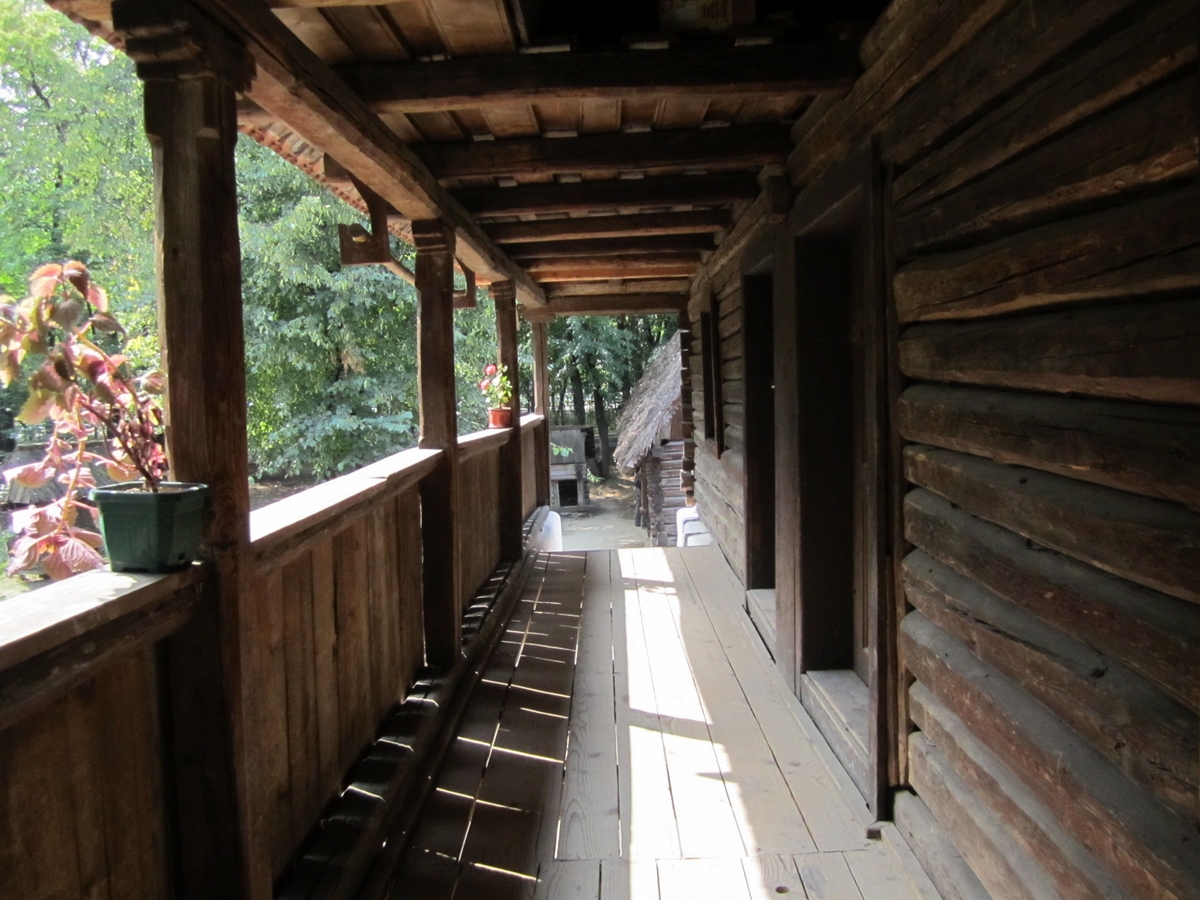
Walk up Calea Victoriei to the National Museum of Art in the former Royal Palace, then cross Revolution Square to the Athenaeum. After lunch, take a taxi north to the Ceaușescu Mansion for the afternoon tour, then continue to the Village Museum and Lake Herăstrău. If there is a concert, finish at the Athenaeum.
Day three: the castles
Take the Bran and Peleș day trip from the Grand Hotel Bucharest meeting point, with a stop in medieval Brașov. It is a long day of about twelve hours, so plan a simple dinner near your hotel afterwards.
With more time
Add Cotroceni Palace for royal history, the Museum of Senses for children or a rainy day, and a slow afternoon in Cișmigiu Gardens or Herăstrău Park.
Money and manners
Romania uses the leu, not the euro, and cards are accepted almost everywhere. A tip of around ten percent is normal in restaurants. Dress modestly in churches and monasteries, and keep an eye on your bag in crowded places. English is widely spoken, especially by younger people.
Seasons
Late spring and early autumn are ideal, with mild weather and terraces open. Summer is hot and dusty, while winter is cold and grey but brings Christmas markets and fewer visitors; the indoor museums and palaces carry a winter trip well.