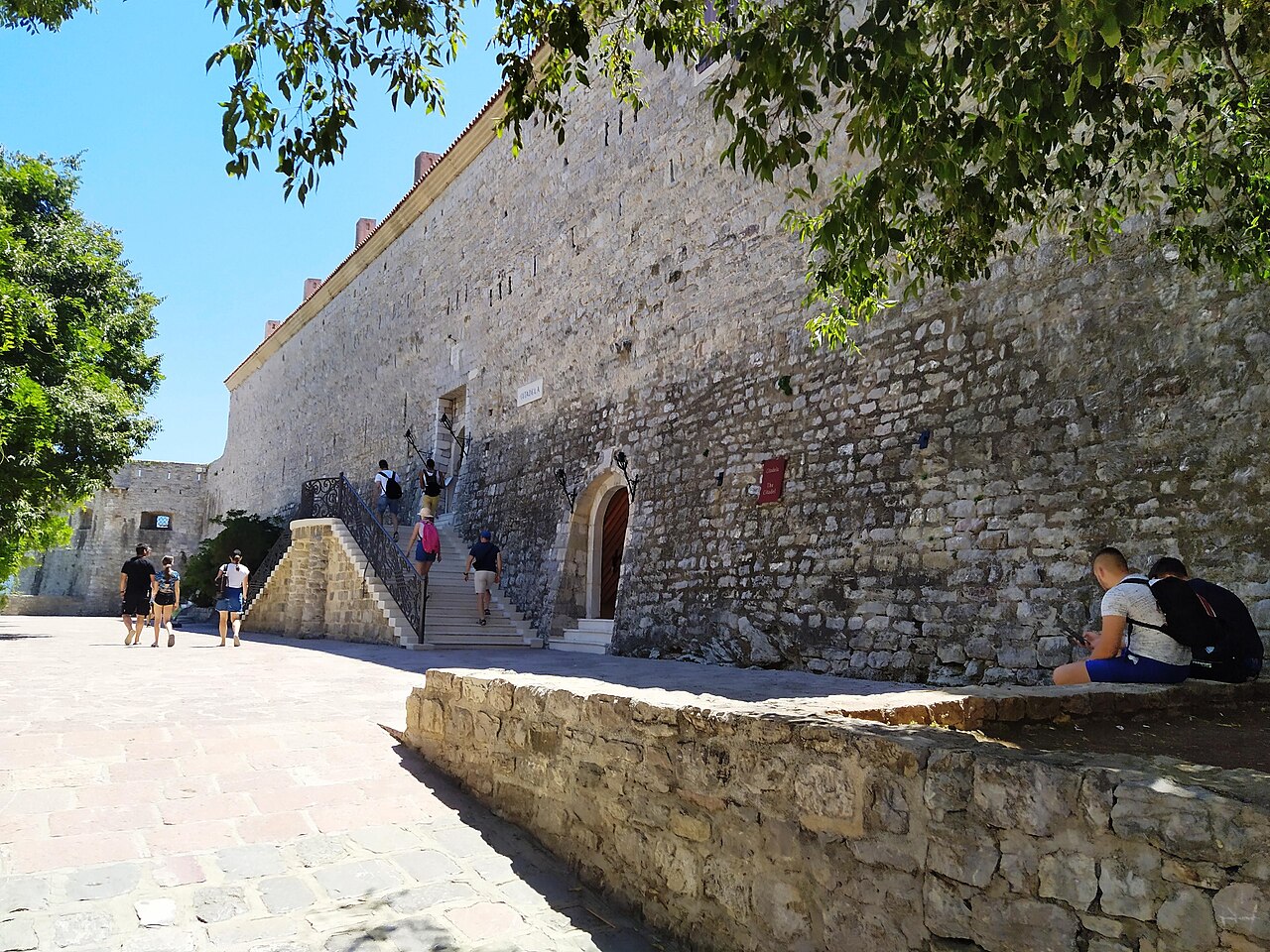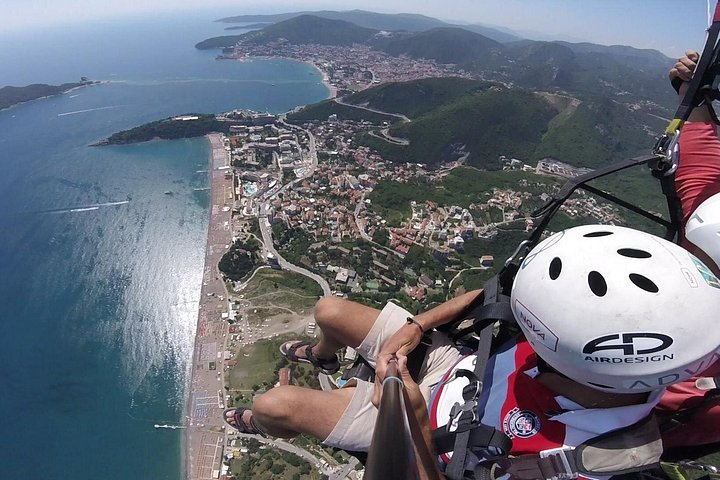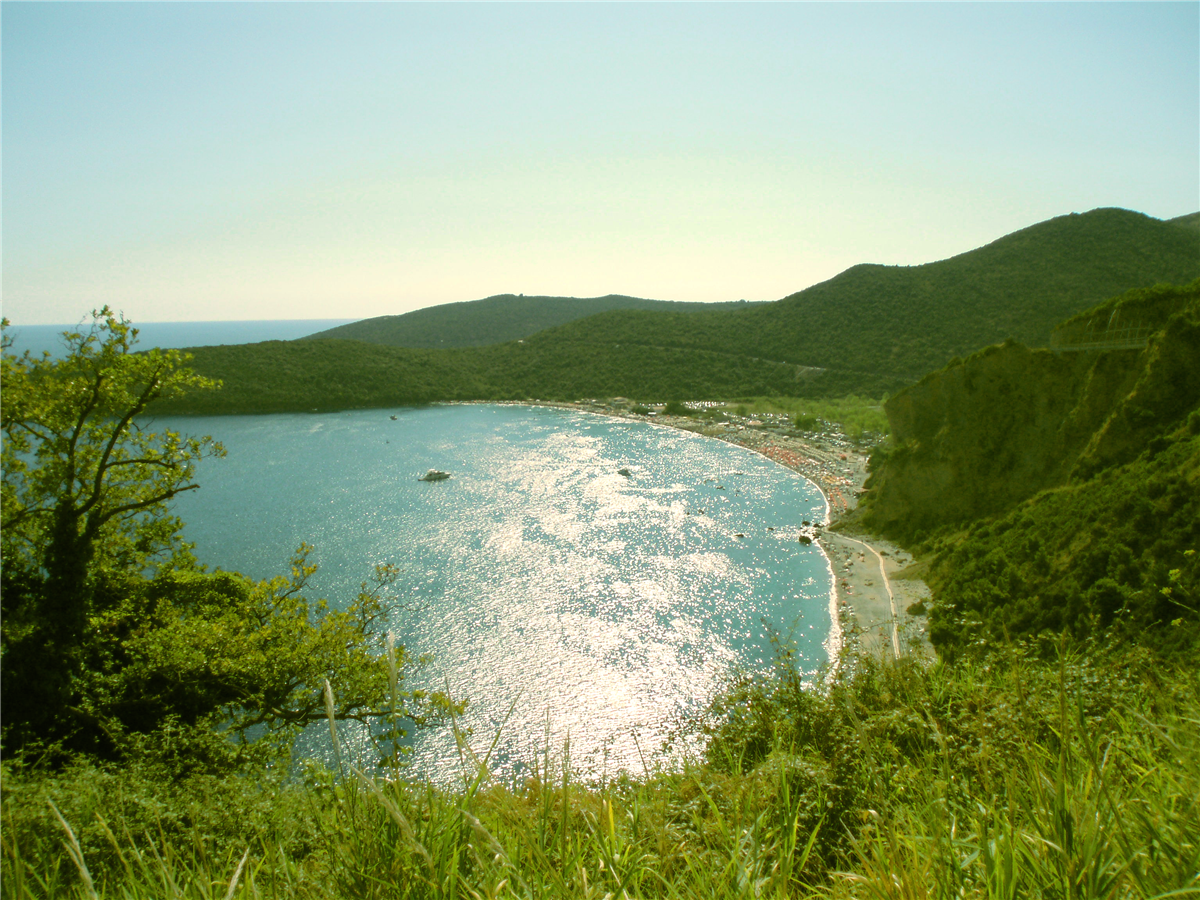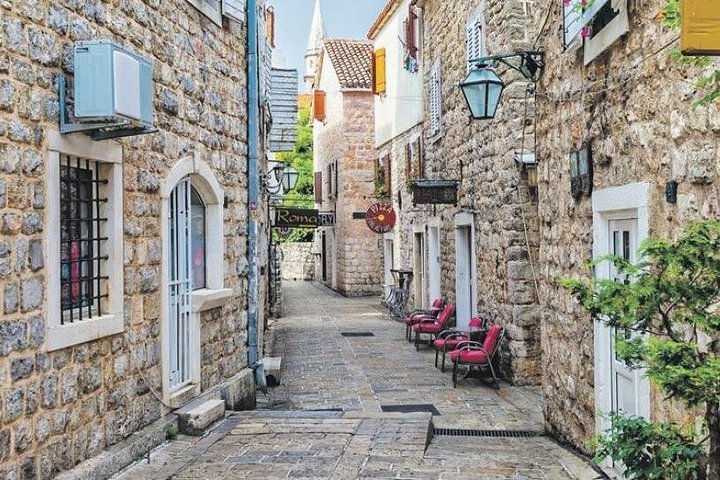
Budva’s Old Town (Stari Grad) is the reason most visitors come, and the reason many of them stay longer than planned. It sits on a small rocky peninsula that was once an island, ringed by walls that were rebuilt by the Venetians in the fifteenth and sixteenth centuries, and inside them is a tight grid of limestone lanes, little squares, cafes and chapels. Budva claims to be one of the oldest settlements on the Adriatic, and the layers show: Greek and Roman traces, Byzantine churches, Venetian gates and a citadel at the seaward tip. The town was badly damaged by the earthquake of 1979 and carefully rebuilt, so the stone you walk on is a mix of old and restored. A guided city tour is a good way in, because the lanes look alike and the stories behind the churches, gates and the old well are easy to miss on your own. Most people finish with a swim on the beach beside the walls or a coffee on one of the small squares.
How it works
The tour is a walking introduction to the Old Town and the surrounding streets, led by a local guide who explains the layers of history, points out the main churches and takes you to the best viewpoints along the walls. Group size and exact route vary by operator, so check the meeting point and language when you book. The Old Town is car-free, and the walk is mostly flat with some worn steps and uneven stone, so wear shoes with grip.
What you will see
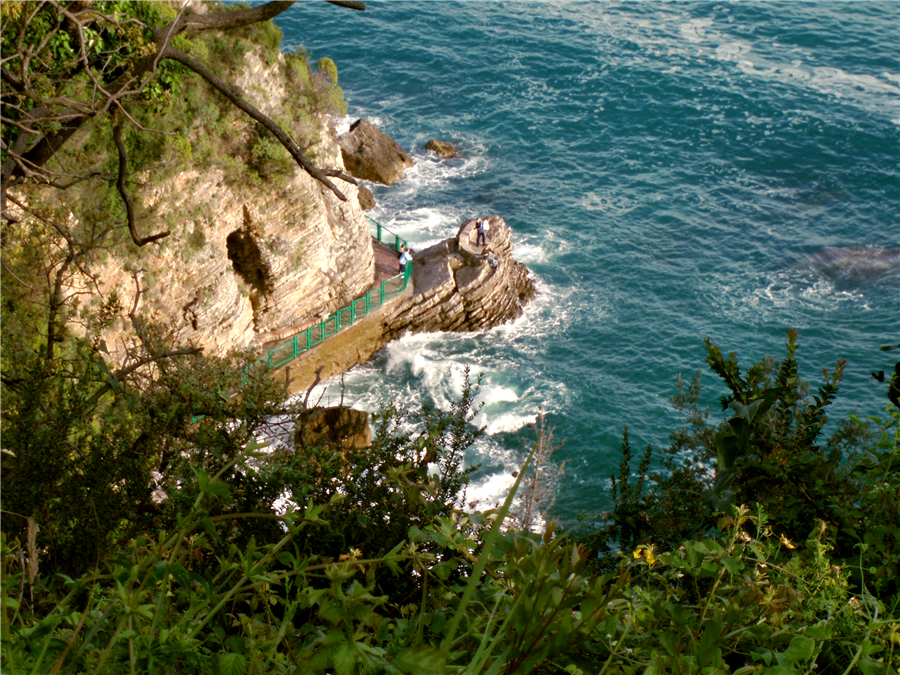
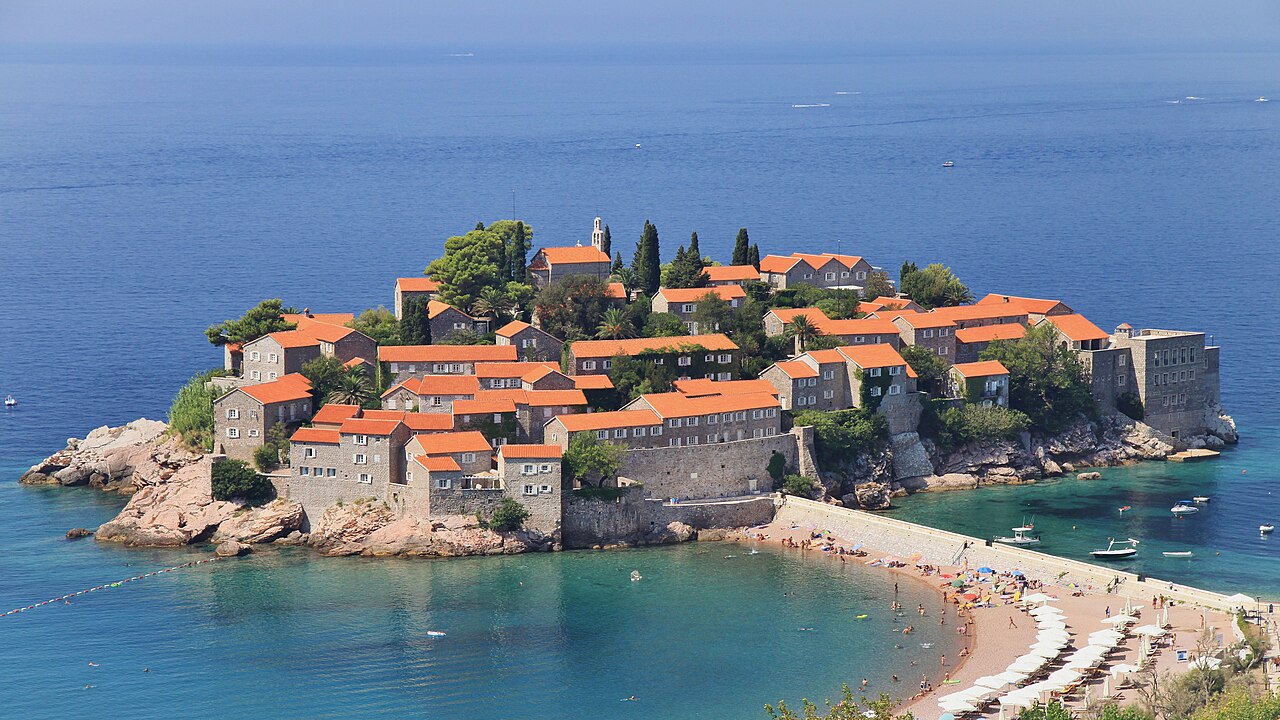
The Sea Gate and the Land Gate, the Church of St John with its icon, the Orthodox Church of the Holy Trinity, the small early-medieval Santa Maria in Punta and the Citadel at the tip of the peninsula. Between them are the small squares where locals sit, galleries and craft shops, and the old walls with views over Mogren beach and the islet of Sveti Nikola. Many guides also explain the earthquake rebuilding, which explains why the town feels so tidy.
Timing and crowds
Mornings are calm and cool, and summer evenings are lively with music and terraces. In July and August the lanes are busy by midday, so start early. In winter the Old Town is quiet and atmospheric, though some cafes and shops close. Allow around two hours for the tour and another hour for wandering by yourself, and pair it with the Citadel and a swim at Mogren beach for a full half day.
Eating and drinking
The lanes are packed with restaurants, and the quality varies, so look for places where locals sit and menus are short. Grilled fish, black risotto, octopus salad and Njeguši cheese are typical orders, and a glass of Montenegrin white wine suits a warm evening. Prices inside the walls are higher than in the streets just outside. If you want to stay inside the walls, book early in summer, because the handful of guesthouses and small hotels there fill fast.
Light sleepers should ask about noise, since terraces and bars stay lively late in the high season, and the quietest time for a stay is spring or autumn. If you have time, return after dark: the walls are lit, the squares fill with music and conversation, and the same lanes feel entirely different.
What to expect
The experience
A guided walk through the lanes, squares and gates of a small walled town.
Best time
Morning or early evening, when it is cool and quiet.
How long
Around two hours, plus time to wander.
Tips
Wear shoes with grip, since the old stone is smooth, and carry water in summer.
Quick picks
- Best for
- Understanding the history behind the lanes.
- Families
- Short, flat and full of small things to spot.
- Couples
- Evening light on the walls and a terrace drink.
- Pair with
- The Citadel and Mogren beach.
- Time needed
- Half a day.
Good questions
Is Budva Old Town car-free?+
Yes. Cars stay outside the walls and you explore on foot, so book a hotel with luggage help if you stay inside.
How long do I need in the Old Town?+
Two to three hours is enough for the main sights, and a relaxed half day lets you add the Citadel and a swim.
Is the Old Town original or rebuilt?+
Much of it was rebuilt after the 1979 earthquake, using the original stone and plan, so it feels historic while being carefully restored.
Is it crowded in summer?+
Yes. The lanes fill in July and August, especially around midday and in the evening, so mornings are best.
Can I visit in winter?+
Yes. The Old Town is open to walk all year, though some cafes and shops reduce their hours.