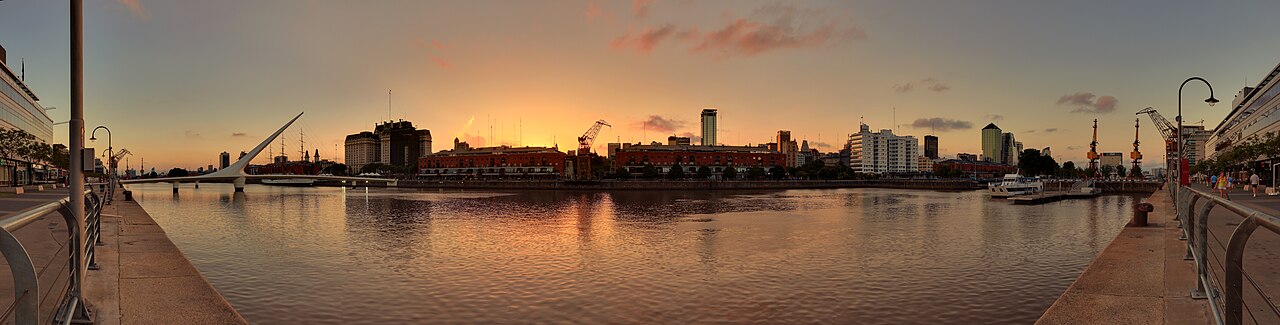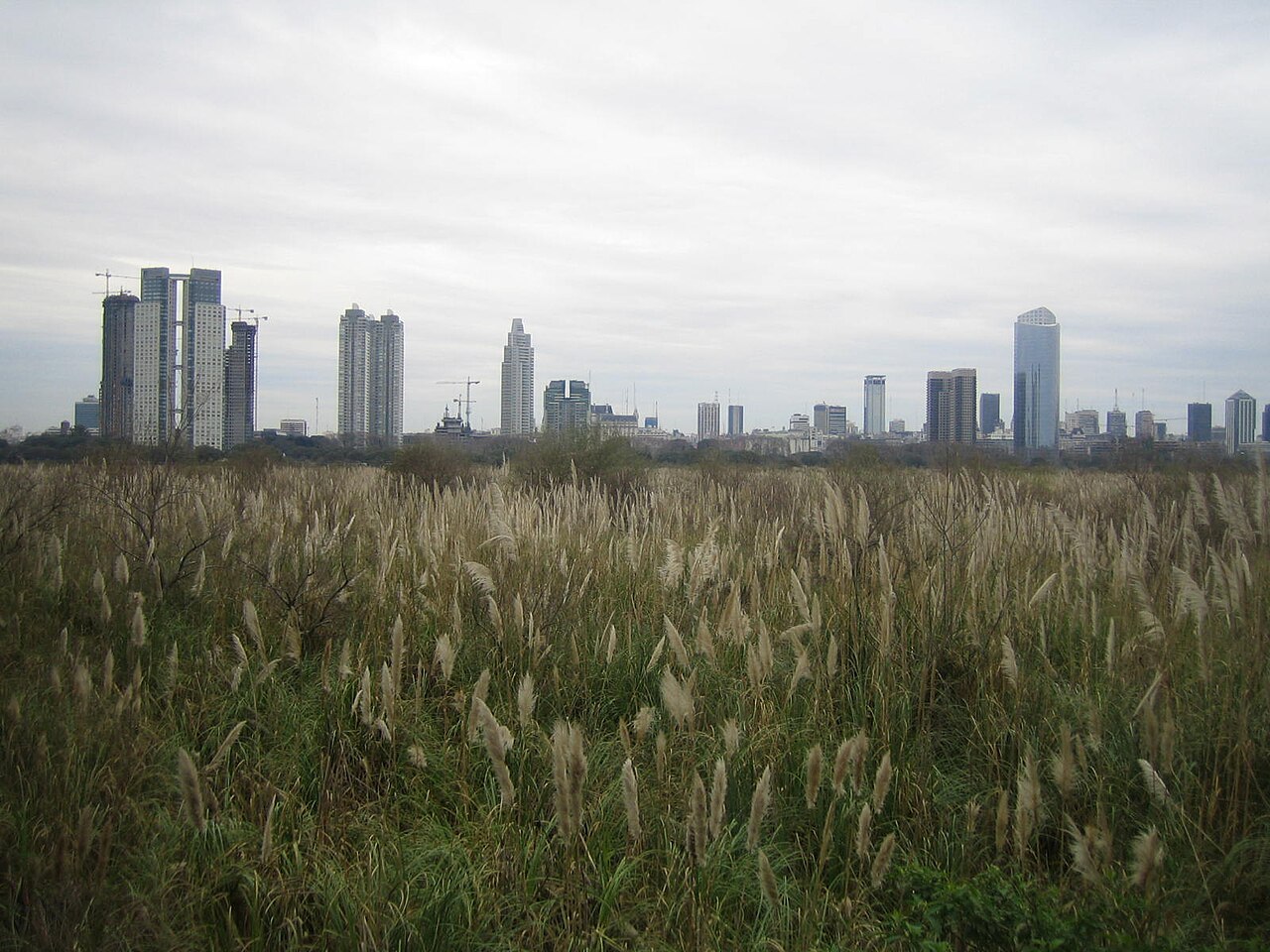
The Reserva Ecológica Costanera Sur is the wildest place in Buenos Aires and one of the most surprising city parks anywhere. It sits immediately east of the glass towers of Puerto Madero, between the docks and the Río de la Plata, and its origins are pure accident. In the 1970s the city began dumping rubble and landfill in the river here for a planned civic development that never happened. Within a few years, sediment, seeds and water had turned the abandoned fill into a mosaic of lagoons, marshes, grasslands and willow and alder woods, and wildlife moved in. The area was declared an ecological reserve in 1986, celebrated its fortieth anniversary in 2026, and is recognised as a wetland of international importance. Today it covers more than three hundred and fifty hectares crossed by wide, flat dirt trails, and it is home to hundreds of species of birds, from herons, egrets and spoonbills to coots, black-necked swans, kingfishers and parakeets, as well as turtles, lizards and coypu. Viewpoints along the riverside edge open onto the vast brown expanse of the Río de la Plata, so wide that it looks like the sea, with the skyline of Puerto Madero rising behind the reeds. The contrast between the towers and the wilderness is part of the magic. The reserve is free, and it is popular with walkers, runners, cyclists and birdwatchers, especially in the early morning. Along its western edge, the old Costanera Sur promenade, once the city's riverside bathing area, has a row of food stalls, or carritos, famous for choripán and bondiola sandwiches.
Practicalities: the reserve is open from Tuesday to Sunday from the morning to the early evening, with last entry in the late afternoon, and closed on Mondays unless the Monday is a holiday. It can close temporarily in heavy rain or strong wind, so check the city's updates in bad weather. Entry is free. The main entrance is on Avenida Tristán Achával Rodríguez, near the southern end of Puerto Madero, with a second entrance at the northern end near Viamonte. Bring water, sun protection and insect repellent in summer, as there is little shade on some trails and few facilities inside.
How to explore: the main loop to the riverside and back takes about two hours on foot at an easy pace, and cycling is a good way to cover more ground; bikes can be rented nearby, and the city bike-share system has stations close to the entrances. Free guided walks run on some days, and the reserve has offered free night-time visits around the full moon that book up quickly. Birdwatchers should come early in the morning, when activity is highest, and bring binoculars. Stick to the marked trails, and as in any large park, visit in daylight and keep valuables discreet.
How to combine it: the reserve is the natural continuation of a walk through Puerto Madero, and it is a short distance from the Plaza de Mayo and San Telmo. A good plan is a morning in the reserve, a choripán from the Costanera stalls for lunch, then an afternoon in San Telmo or a sunset drink on the Puerto Madero docks. For families, it is a free, open-air break that children love, with turtles in the lagoons and birds everywhere.
What to expect
The experience
A free wetland reserve with flat trails, lagoons, birdlife and river viewpoints beside Puerto Madero.
Best time
Early morning for birds and cooler air; closed on Mondays.
How long
About two hours for the main loop on foot.
Tips
Bring water, sunscreen and repellent. Rent a bike to cover more ground. May close in heavy rain or wind. Visit in daylight and stick to the marked trails.
Quick picks
- Best for
- Walkers, cyclists, birdwatchers and anyone who needs a green break.
- Families
- Free, open and full of turtles and birds; bikes make it even better.
- Couples
- A morning walk to the river, then a choripán on the Costanera.
- Pair with
- Puerto Madero, San Telmo and the Plaza de Mayo.
- Time needed
- Two to three hours.
Good questions
Is the Costanera Sur Ecological Reserve free?+
Yes. Entry is free, and the reserve is open from Tuesday to Sunday, closed on Mondays unless they are holidays.
How did the reserve form?+
On landfill dumped in the river in the 1970s for a project that was never built. Nature took over, and it was declared a reserve in 1986.
Can I cycle in the reserve?+
Yes. The wide, flat trails are ideal for cycling, and bikes can be rented nearby or picked up from the city bike-share system.
What birds can I see?+
Hundreds of species, including herons, egrets, spoonbills, black-necked swans, coots and kingfishers. Early morning is best.
Are there facilities inside?+
Few, so bring water and sun protection. Food stalls along the Costanera promenade outside the entrance serve choripán and drinks.