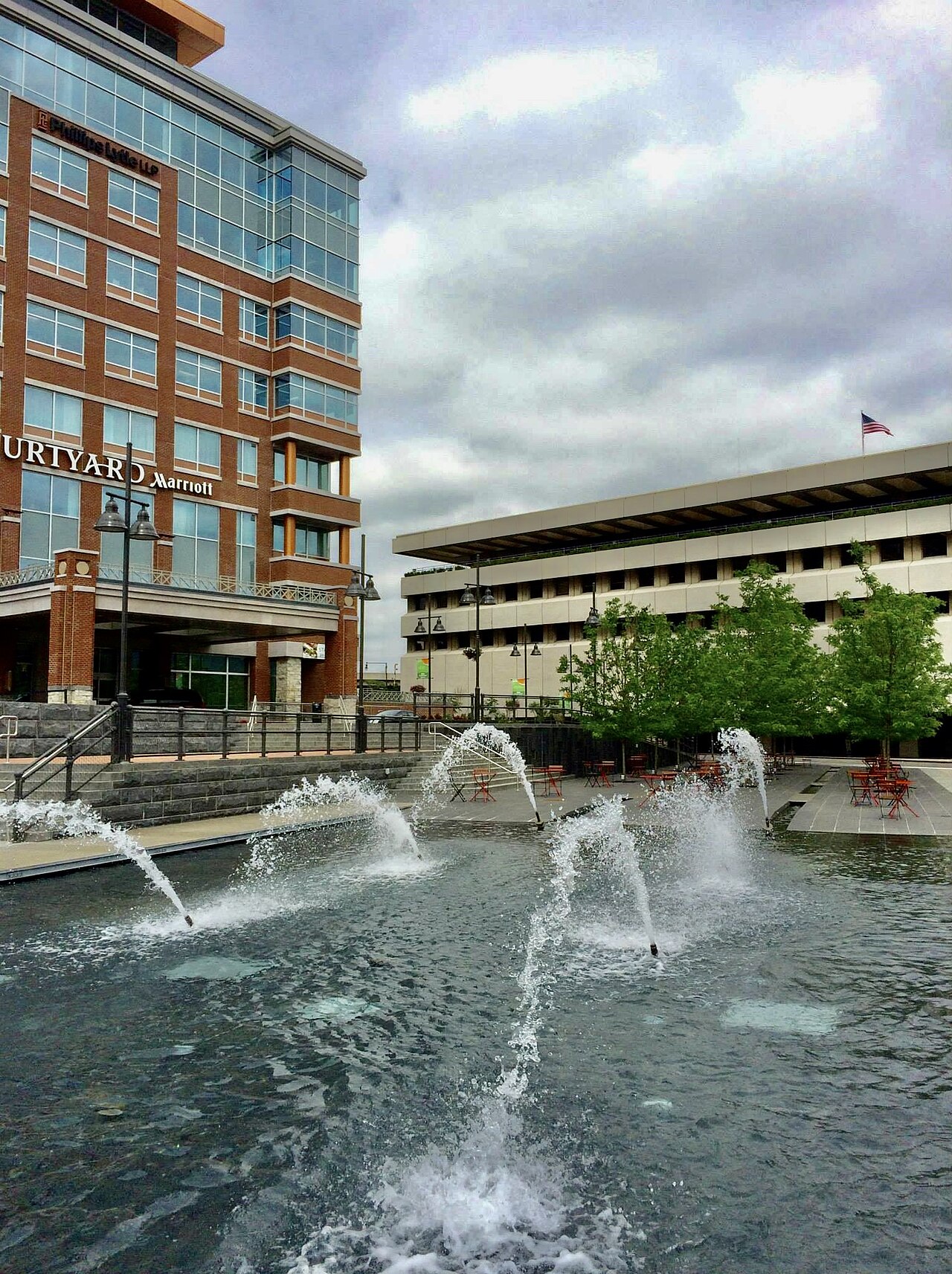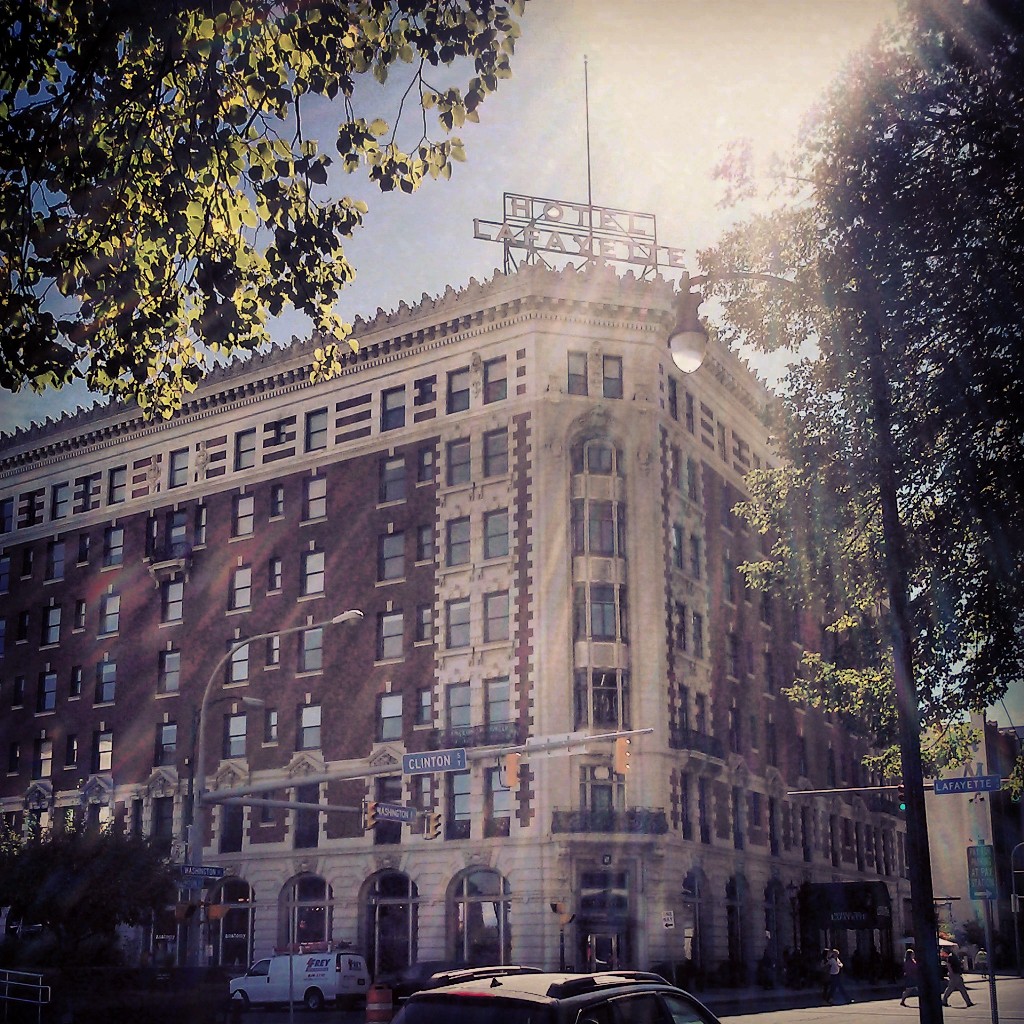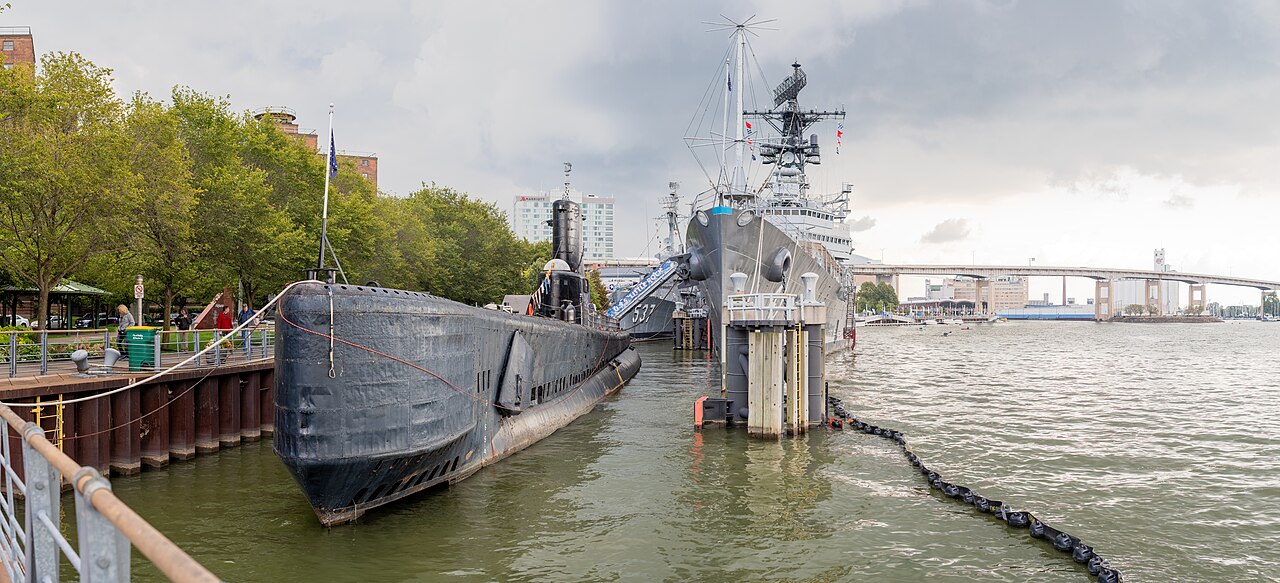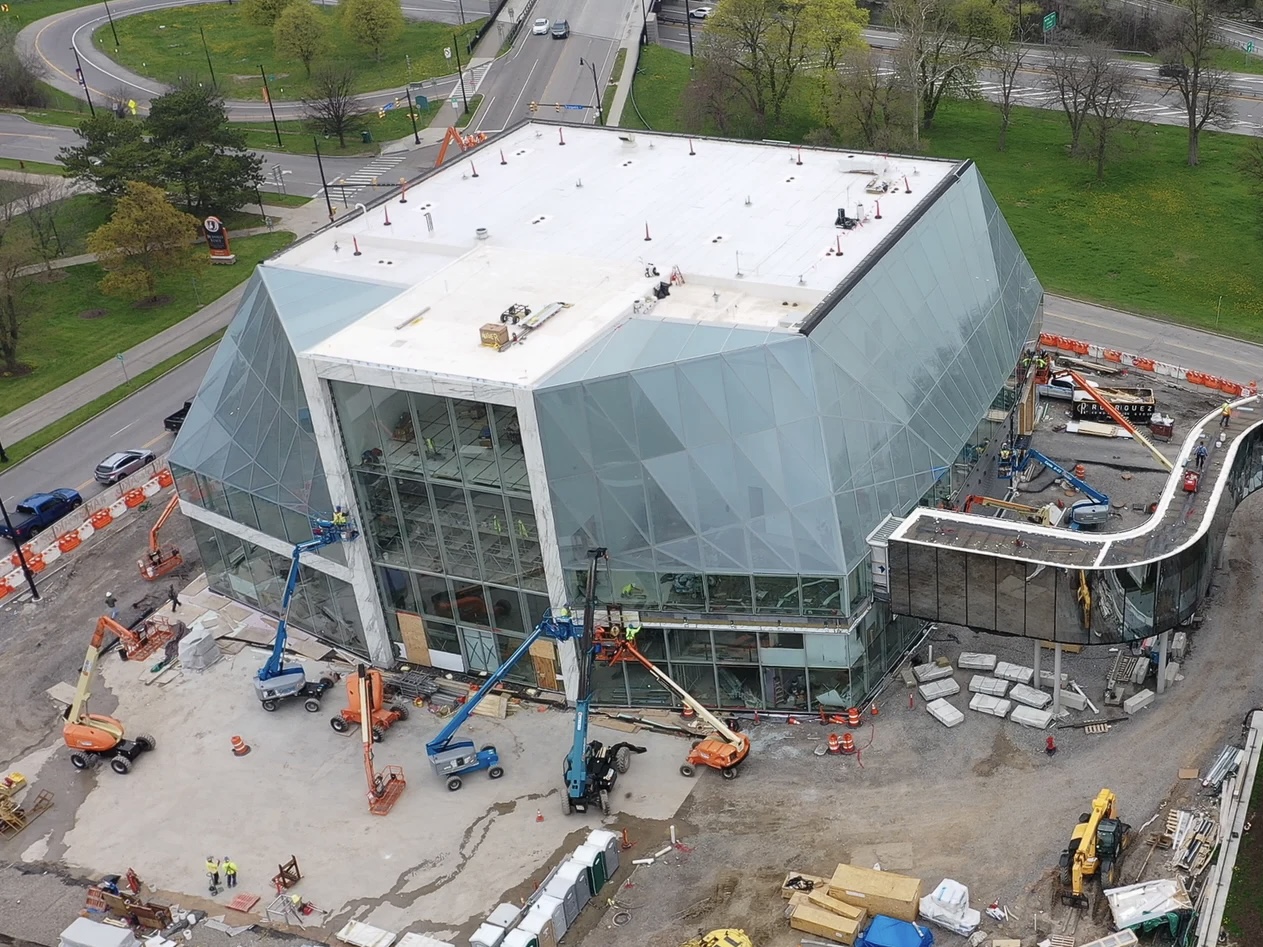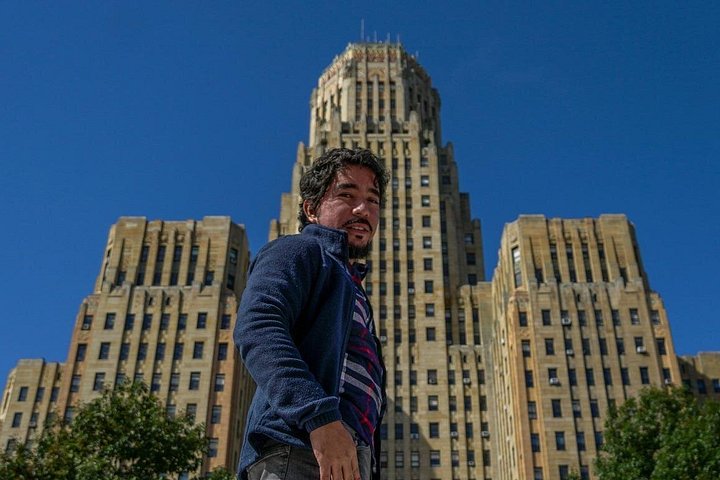
Buffalo is a city whose story is written in its buildings. It grew from a small lake port into one of the great cities of the nineteenth century when the Erie Canal ended here and connected the Great Lakes to the Atlantic seaboard. Grain, steel and manufacturing followed, and so did money for architects who built the skyscrapers, churches, mansions and civic landmarks that make downtown a showcase of American design. A private heritage walk is the most personal way to read that history. A guide takes only your group through the streets, explains why each building matters and fits the pace and topics to your interests. The route typically covers the downtown core, where early skyscrapers, an extraordinary City Hall and lavish banks and theaters stand within easy walking distance. Along the way a guide can speak about the Pan-American Exposition of 1901, the assassination of a president in the city and the long industrial boom and slow decline that followed. The recent revival, with restored warehouses, a rebuilt waterfront and new restaurants, makes the story hopeful as well as instructive. The exact route and stops depend on the operator and season, so confirm what is covered when you book. Why go private? A shared walk follows a fixed script and a set speed, while a private tour leaves room for questions and detours. Architecture fans can linger at a doorway or a lobby, families can add a break for hot chocolate and couples can ask the guide to focus on the most photogenic corners. If you prefer a lower-cost introduction, the bike tour and the museums also listed here tell a similar story at a more modest price.
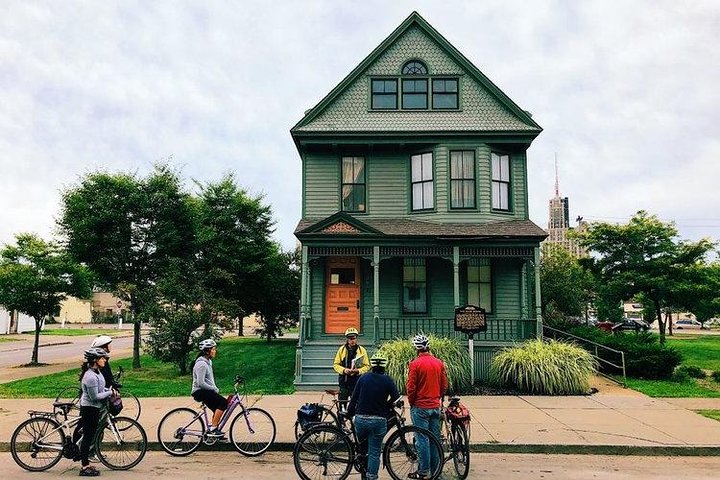
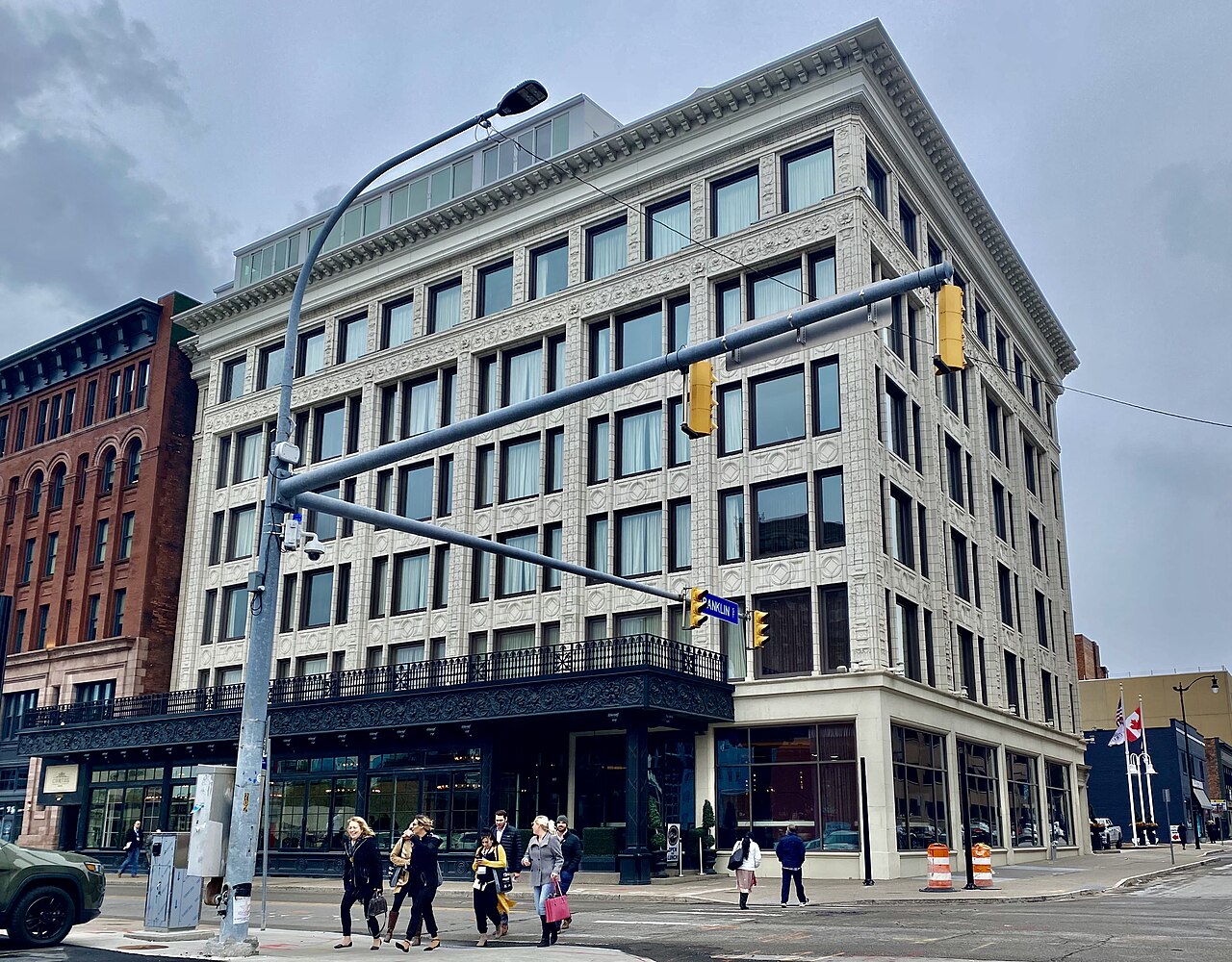
Buffalo rewards slow looking. Many of its finest details are above eye level: carved terracotta, ornate cornices, sculptured entrances and lantern-lit towers. A guide trained in local history makes you look up and notice what you would otherwise walk past, and explains how the buildings tie to the people who commissioned them. Expect to hear about industrial fortunes, architects whose names still define the skyline, and the grain elevators and canal slips that powered the city's first boom.
Weather shapes the experience. Buffalo has a reputation for snow, and winter walks can be crisp and quiet but cold, with wind from the lake. Summer is warm and lively, with outdoor cafes and events. Spring and autumn are probably the most comfortable seasons, with mild temperatures and good light for photographs.
Dress in layers, wear comfortable shoes and bring a small umbrella, as showers can come quickly. Many of the best interiors, such as lobbies and public buildings, have their own opening hours, so ask your guide whether they will be accessible on your day.
A private tour is a premium purchase, so it helps to think about who it suits. It is well matched to small groups who want a bespoke experience, to visitors with a particular interest in architecture or local history, to business travelers with a free afternoon and to anyone who finds large groups tiring. It is also a good way to orient yourself in a new city, since a guide can recommend places to eat, drink and visit later in your stay.
Get the most from the experience by telling the operator in advance what you care about. If you are drawn to the great architects who worked here, say so. If you would like to hear more about the canal, the Exposition, the waterfront revival or the neighborhoods beyond downtown, ask whether the route can be adapted. Good guides welcome the chance to shape the walk around your questions.
Practical points are simple. Confirm the meeting point, the start time and the length of the walk, which is usually a couple of hours, and check the cancellation policy in case of severe weather. Wear shoes suited to pavements and cobbles, bring water, and keep a camera handy. Accessibility varies, so tell the operator about mobility needs so the route can be planned with level paths and rest points.
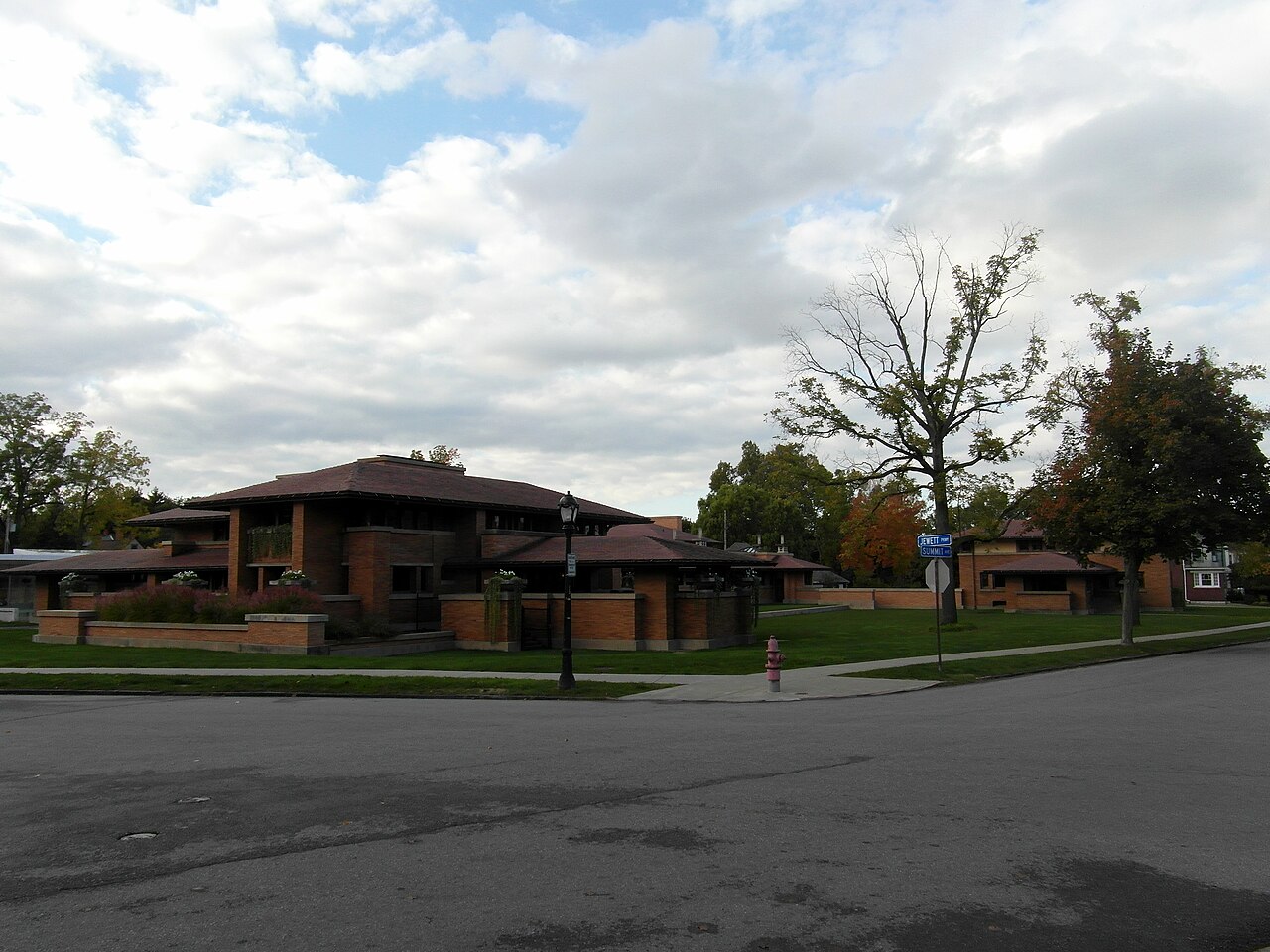
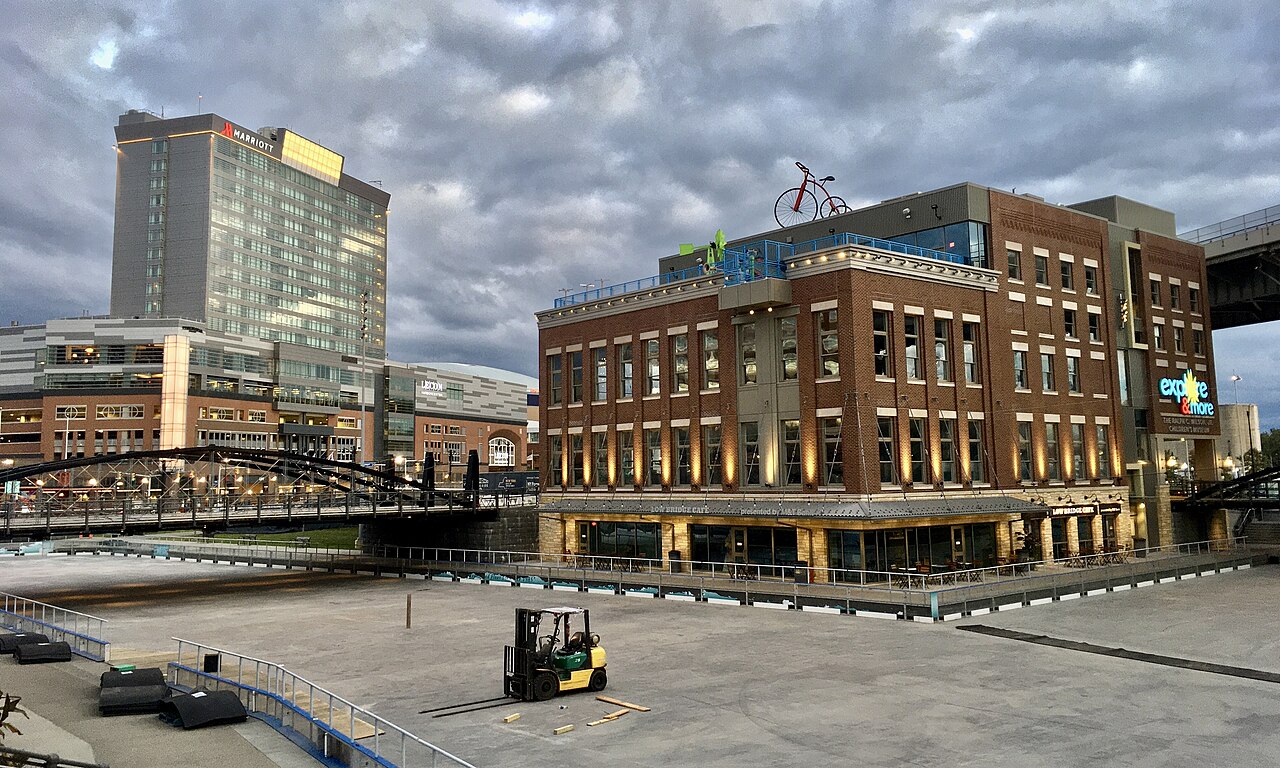
Pair the walk with other things to see. The Darwin D. Martin House and Graycliff cover the Frank Lloyd Wright story, Canalside gives context to the canal terminus, and the History Museum fills in the human detail. After the walk, a beer or a plate of wings is the natural reward, and your guide will likely have strong opinions about where to get both. Seen in this order, the city makes sense in a way it does not from a car window.
What to expect
The experience
A private guided walk through Buffalo's historic downtown, tailored to your group.
Best time
Spring and autumn for mild weather; summer for lively streets.
How long
Usually a couple of hours.
Tips
Wear comfortable shoes and layers, and tell the guide what you most want to see.
Quick picks
- Best for
- Architecture and history lovers and small groups.
- Families
- Fine for older children who enjoy stories.
- Couples
- A personal, unhurried introduction to the city.
- Pair with
- Canalside, the History Museum or a wing lunch.
- Time needed
- A couple of hours.
Good questions
What does the walk cover?+
Buffalo downtown history and architecture; confirm the route with the operator.
Is it private?+
Yes, the guide is for your group only.
How long is it?+
Usually a couple of hours; check when booking.
Does it run in winter?+
Usually yes, with warm clothing; ask about weather policies.
Is it accessible?+
Tell the operator about mobility needs so the route can be adapted.