Cairo is big, busy and at times overwhelming, and it is also one of the most rewarding cities on earth. A first visit goes much better with a little planning: which tickets to buy ahead, how to cross a city of heavy traffic, and how to split the days between Giza and the old city. Here is how to shape it.
How many days
Three full days is the sensible minimum: one for the Pyramids of Giza and the Grand Egyptian Museum, one for Islamic and Coptic Cairo, and one for Saqqara and Memphis or the old Egyptian Museum and the Citadel. Four or five days let you slow down, add a Nile evening and recover from the heat and the traffic.
What to book ahead
The Grand Egyptian Museum sells timed tickets online, and foreign visitors should book before they go, either through the museum’s official ticket site or a package that includes entry. If you want to go inside the Great Pyramid, book that separate, limited ticket in advance in the busy October to April season. Dinner cruises and guided day trips to Saqqara are worth reserving a day or two ahead. Other sights, such as the Citadel, the Egyptian Museum and Coptic Cairo, rarely need advance booking, but skip-the-line tickets save time.
The new Giza plateau
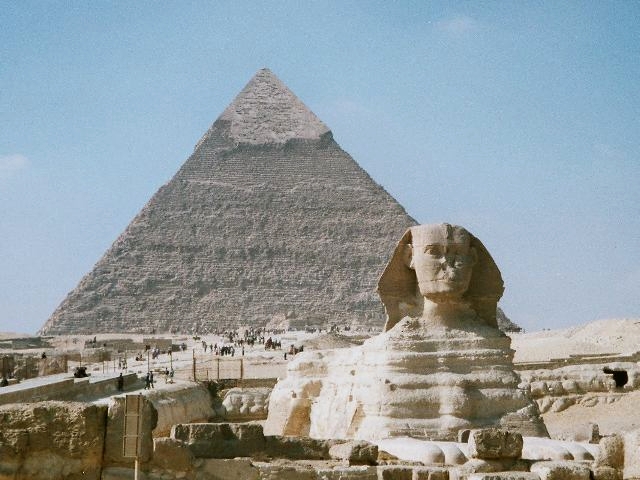
The pyramids site has been reorganised. The old entrance beside the Mena House is closed to visitors, and the main gate is now a visitor centre on the Cairo to Fayoum road. Private cars park there, and free electric shuttle buses run around the plateau, including to the panoramic viewpoint and the Sphinx. Tell your driver to go to the new entrance, as older map pins still point to the old one.
Getting in
Most visitors arrive at Cairo International Airport, east of the city; the smaller Sphinx International Airport lies west of Giza. Many nationalities can get a visa on arrival or an e-visa, so check the rules for your passport before you fly. Arrange a hotel transfer or use a ride-hailing app for the first trip in.
Getting around
Ride-hailing apps such as Uber and Careem are the easiest way to get about, with fixed fares and no haggling. Traffic is heavy at most hours, so group sights by area: Giza in one day, Islamic Cairo and the Citadel in another. The metro is cheap and fast for downtown and Coptic Cairo, with a station right beside the old quarter. For Saqqara and Dahshur, hire a driver for the day or join a tour.
Day one: Giza
Be at the pyramids for opening, ride the shuttle to the panorama and the Sphinx, then spend the afternoon at the Grand Egyptian Museum, a few minutes away. On Wednesdays and Saturdays it stays open into the evening.
Day two: medieval and Coptic Cairo
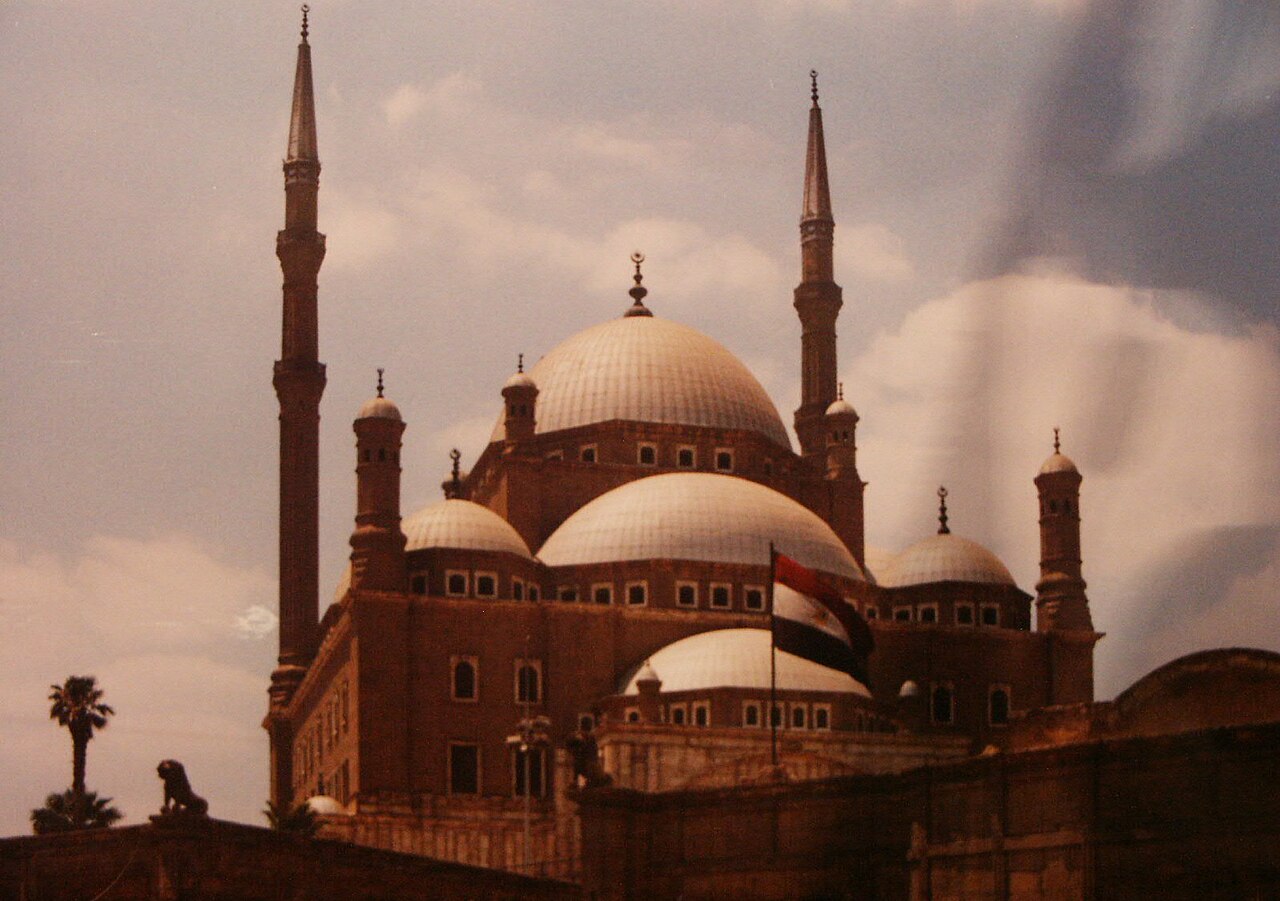
Start at the National Museum of Egyptian Civilization for the royal mummies, walk Coptic Cairo, then cross to the Citadel. In the late afternoon walk Al-Muizz Street from north to south, see Al-Azhar at sunset and finish with tea in Khan el-Khalili.
Day three: Saqqara or the city
Either head south to the Step Pyramid, Memphis and Dahshur, or spend the morning at the Egyptian Museum on Tahrir Square and the evening on a Nile dinner cruise.
Staying safe and comfortable
Check your government’s travel advice before you go. The main tourist sites are busy and well policed, with security checks at museums, hotels and some churches. The everyday challenges are touts, traffic and heat: agree prices before any camel ride or unofficial service, use apps for taxis, carry water and keep a polite, firm no ready. Dress modestly, covering shoulders and knees, especially in mosques and churches, where women will want a scarf.
Money and tipping
The Egyptian pound is the currency, and cards are accepted in hotels and larger restaurants, but carry small notes for tips, toilets, monument extras and bazaar shopping. Tipping, known as baksheesh, is part of daily life.
When to go
October to April is the most comfortable time, with warm days and cool evenings, and also the busiest. Summer is very hot, so plan sightseeing for early mornings and evenings. During Ramadan, opening hours shorten and evenings come alive after sunset.