Pyramids of Giza and the Great Sphinx
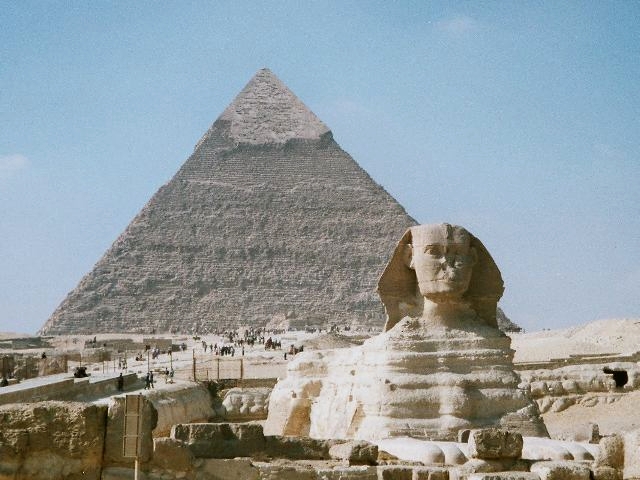
The last surviving Wonder of the Ancient World: the pyramids of Khufu, Khafre and Menkaure and the Great Sphinx on the desert plateau at Giza, now reached through a new visitor gate with electric shuttle buses.
Egypt
Cairo is the great, loud, irresistible capital of Egypt, a city of more than twenty million people spread along the Nile where five thousand years of history sit side by side.
On the western edge, in Giza, the three Pyramids and the Great Sphinx rise from the desert plateau, now reached through a new visitor gate with electric shuttle buses, and a short drive away the Grand Egyptian Museum, fully open since late 2025, shows the complete treasure of Tutankhamun for the first time under one roof. South of the city lie Saqqara, with the Step Pyramid of Djoser, and the ruins of ancient Memphis. Back in town, the old Egyptian Museum on Tahrir Square still holds masterpieces of the Old Kingdom, the royal mummies rest in the National Museum of Egyptian Civilization, Saladin’s Citadel crowns the skyline, and the medieval lanes of Al-Muizz Street and the Khan el-Khalili bazaar glow with lamps and copper. Coptic Cairo keeps the city’s oldest churches and a famous synagogue inside a Roman fortress. This guide shows you which tickets to book ahead, how to handle the plateau and the traffic, how many days you need, and which hotel suits your trip, from a palace with pyramid views to a tower on the Nile Corniche.
Pyramids of Giza and the Great Sphinx
The last surviving Wonder of the Ancient World: the pyramids of Khufu, Khafre and Menkaure and the Great Sphinx on the desert plateau at Giza, now reached through a new visitor gate with electric shuttle buses.
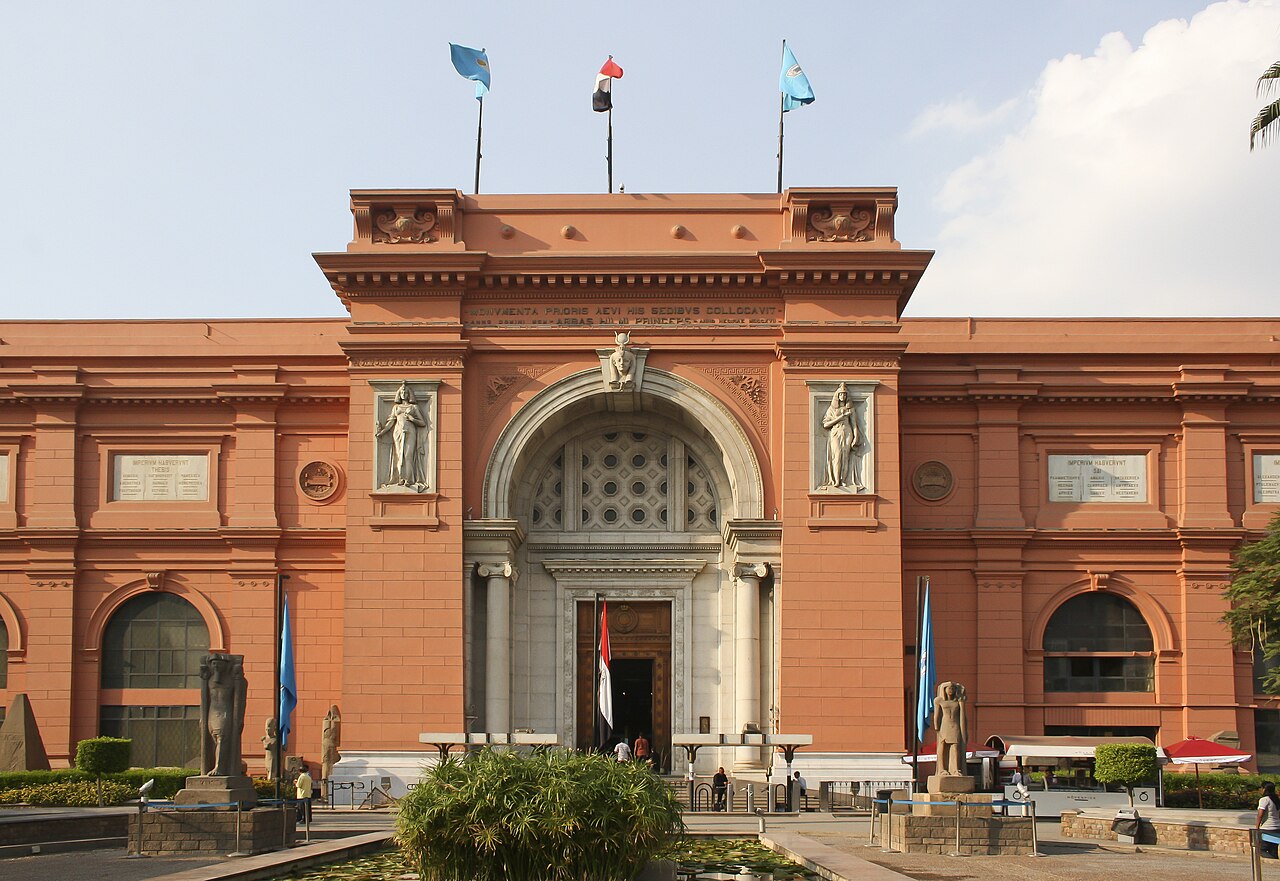
Egyptian Museum on Tahrir Square
The grand pink museum on Tahrir Square, open since 1902, still packed with masterpieces of ancient Egypt from the Narmer Palette to the statues of the Old Kingdom, and far calmer now the crowds follow Tutankhamun to Giza.
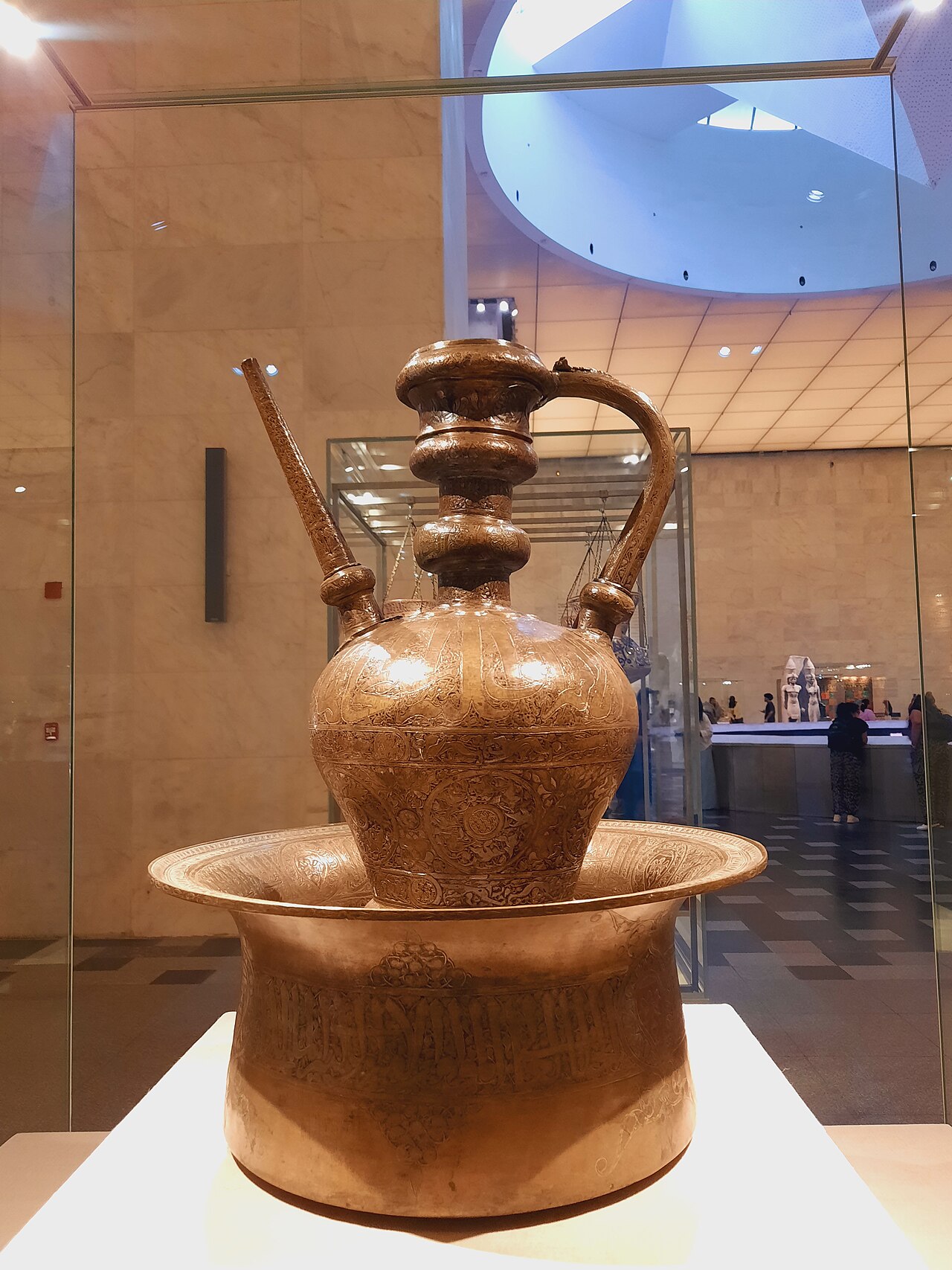
National Museum of Egyptian Civilization (NMEC)
The modern museum in Fustat that tells Egypt’s whole story from prehistory to today, and home since 2021 of the royal mummies, shown in a hushed, dimly lit hall beneath the main galleries.
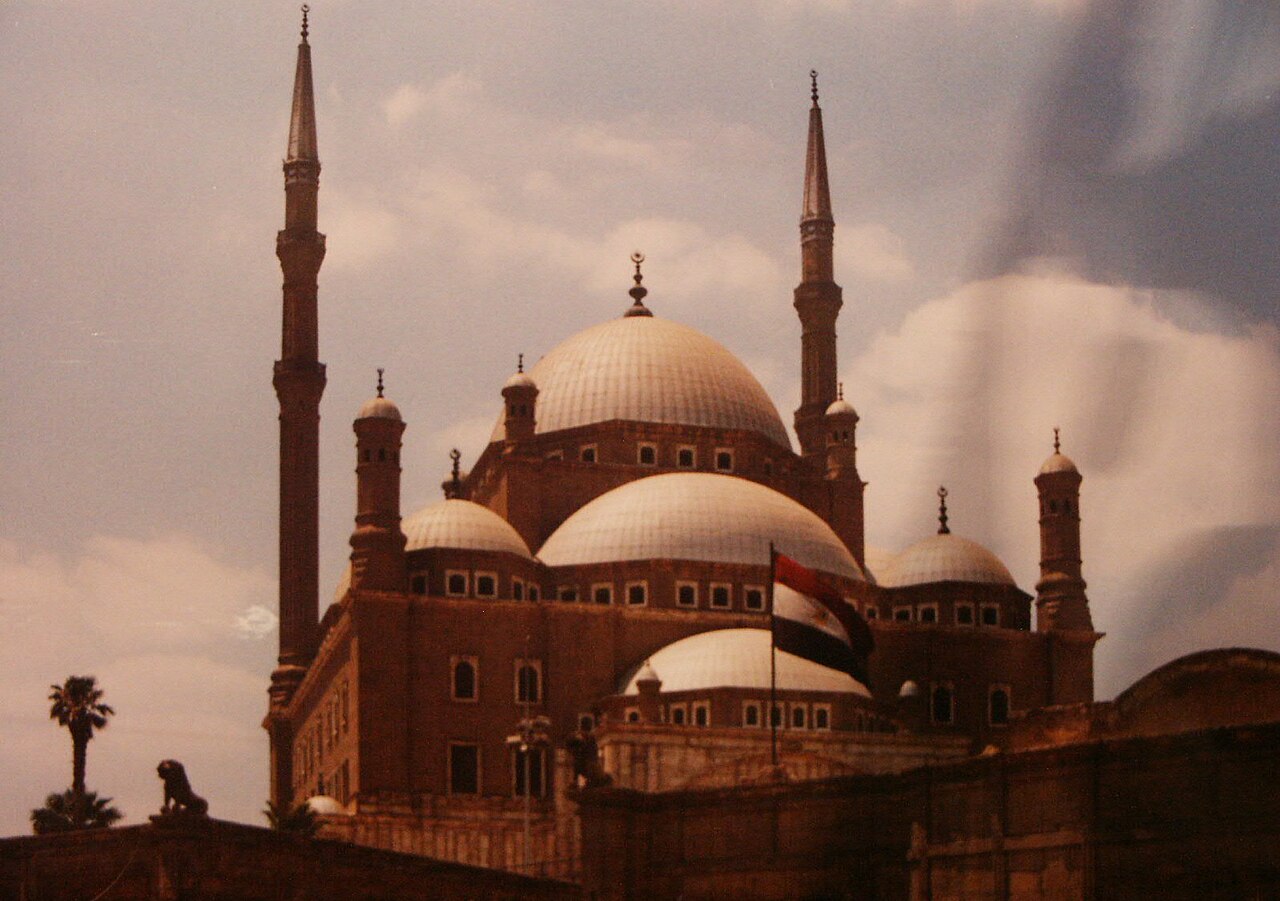
Saladin Citadel and the Mosque of Muhammad Ali
Saladin’s twelfth-century hilltop fortress, crowned by the domes and pencil minarets of the Mosque of Muhammad Ali, with sweeping views over the minarets of Islamic Cairo.
The last surviving Wonder of the Ancient World: the pyramids of Khufu, Khafre and Menkaure and the Great Sphinx on the desert plateau at Giza, now reached through a new visitor gate with electric shuttle buses.
The vast new museum beside the Giza plateau, fully open since late 2025, with the complete Tutankhamun collection, a Grand Staircase lined with colossal statues and the 4,600-year-old boat of Khufu.
The grand pink museum on Tahrir Square, open since 1902, still packed with masterpieces of ancient Egypt from the Narmer Palette to the statues of the Old Kingdom, and far calmer now the crowds follow Tutankhamun to Giza.
The modern museum in Fustat that tells Egypt’s whole story from prehistory to today, and home since 2021 of the royal mummies, shown in a hushed, dimly lit hall beneath the main galleries.
Saladin’s twelfth-century hilltop fortress, crowned by the domes and pencil minarets of the Mosque of Muhammad Ali, with sweeping views over the minarets of Islamic Cairo.
Cairo’s great medieval bazaar, a maze of lanes selling lamps, copper, spices, textiles and silver since the fourteenth century, with tea at El Fishawy café as the ritual stop.
An evening on the Nile through the heart of Cairo, with a buffet dinner, live music and the spinning skirts of a tanoura dancer, or a quieter hour under sail on a traditional felucca.
The vast royal cemetery south of Giza, with the Step Pyramid of Djoser, Egypt’s first great stone monument, painted tombs and the ruins of ancient Memphis, all part of the same UNESCO site as the Giza pyramids.
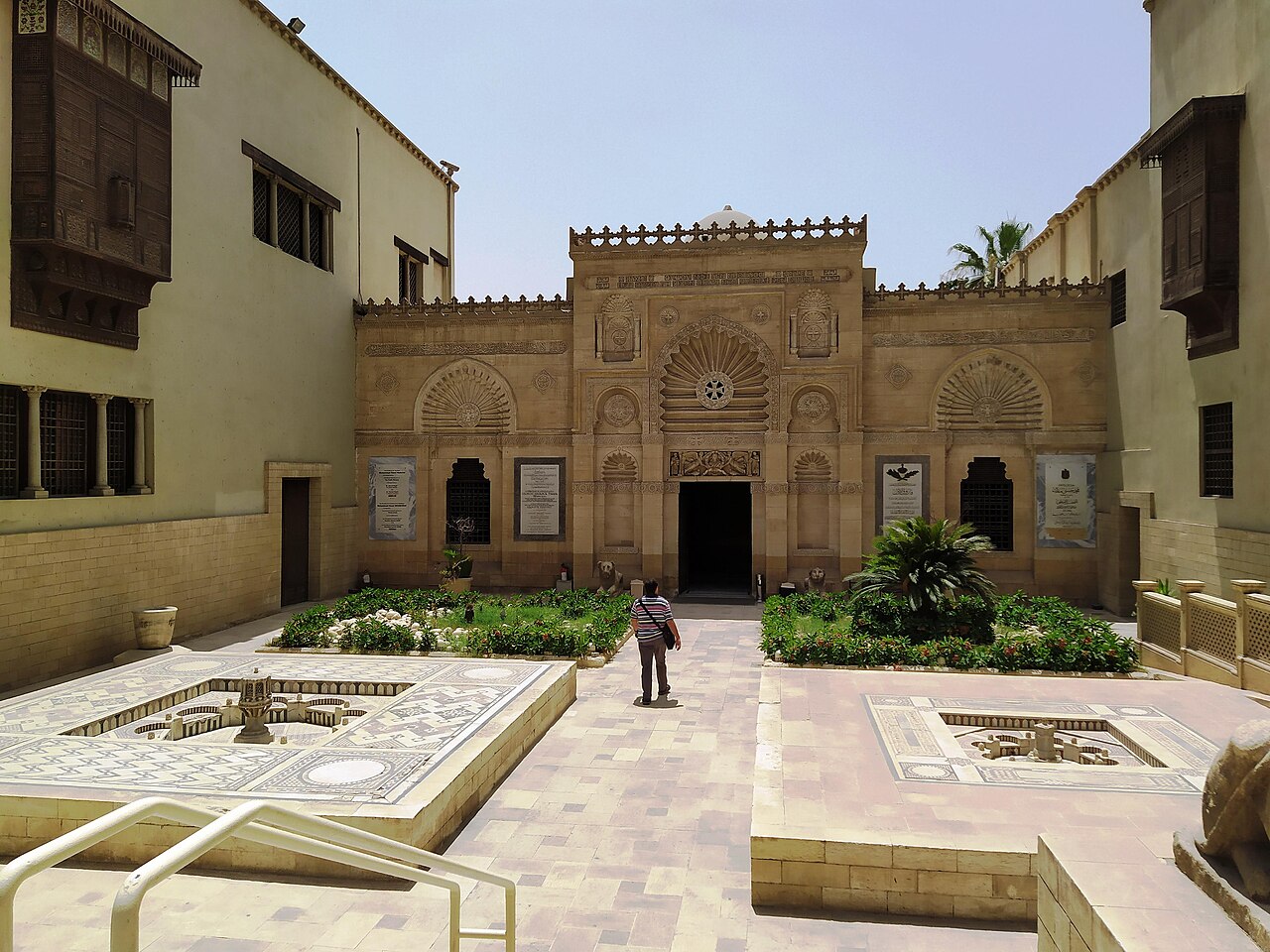
The walled heart of Christian and Jewish Cairo inside a Roman fortress, with the Hanging Church, ancient churches, the Ben Ezra Synagogue and the world’s largest collection of Coptic art.
 Free
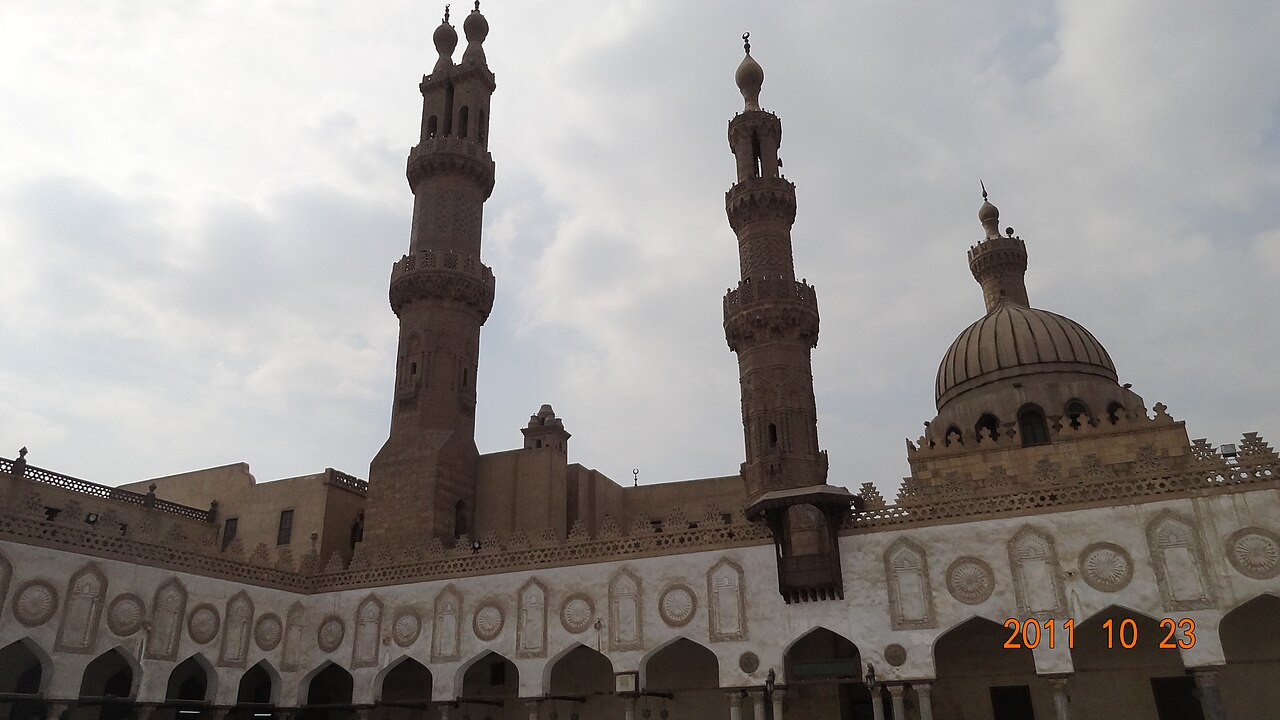
The spine of medieval Islamic Cairo, a mile of mosques, madrasas, fountains and merchants’ houses from the Fatimid to the Ottoman era, with the thousand-year-old Al-Azhar Mosque a few steps away.
Hotels we would book ourselves, from splurges to good-value bases.
 $$$$
Giza Pyramids
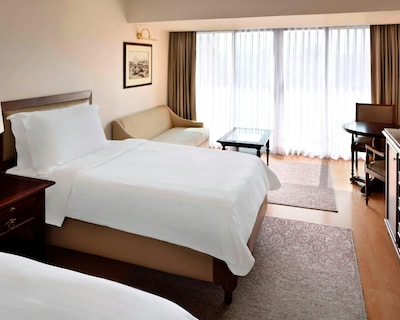
The legendary palace hotel at the foot of the Giza plateau, a former royal hunting lodge set in gardens, with rooms whose balconies look straight at the Great Pyramid.
Check rates →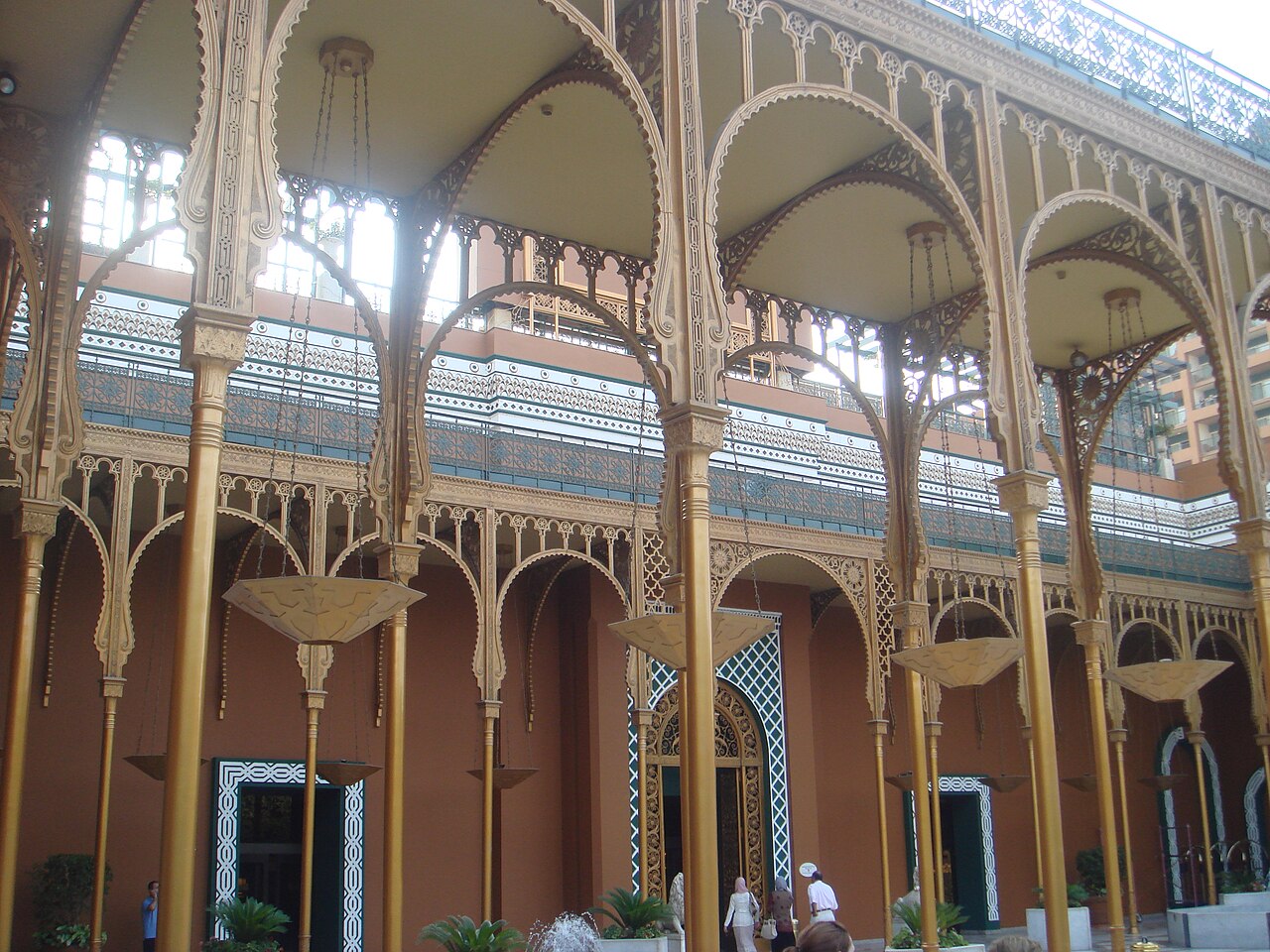 $$$
Zamalek
A Khedival palace on Gezira island with modern towers alongside, set in palm-filled gardens on the Nile in leafy Zamalek, with a huge choice of restaurants and a garden café scene of its own.
Check rates →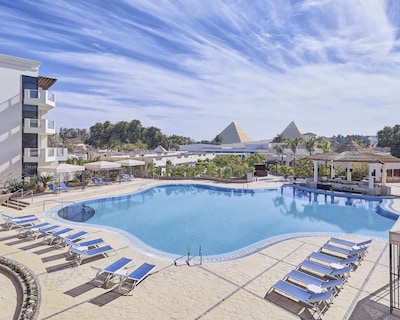 $$$
Giza, opposite the GEM
A comfortable resort-style hotel directly opposite the Grand Egyptian Museum and about 3 km from the pyramids, with a large outdoor pool and a calm base for Giza sightseeing.
Check rates →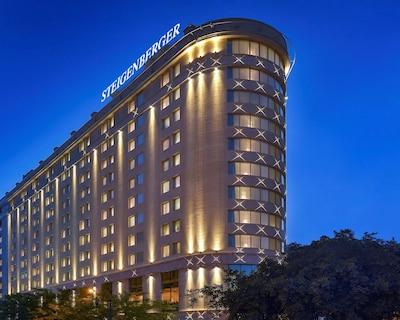 $$
Downtown, Tahrir Square
A modern 300-room hotel on Tahrir Square, a short walk from the Egyptian Museum and the Nile, with a pool, spa and gym at a sensible price for central Cairo.
Check rates →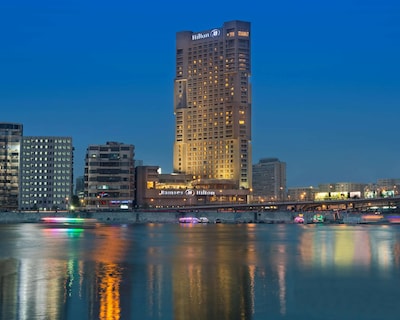 $$
Nile Corniche, Downtown
A landmark tower on the Nile Corniche at the edge of downtown, with river views from the upper floors and the Egyptian Museum within walking distance.
Check rates →The practical primer for a first visit to Cairo and Giza: which tickets to book ahead, the new pyramids entrance, getting around a city of traffic, and how many days to give the pyramids, the museums and old Cairo.
How to choose your base in Cairo, from a palace with pyramid views in Giza to a garden hotel in Zamalek or a central room on Tahrir Square, matched to the kind of trip you want.