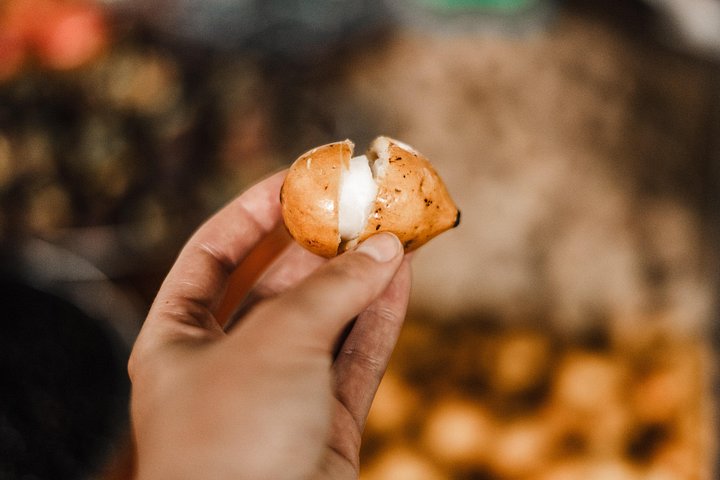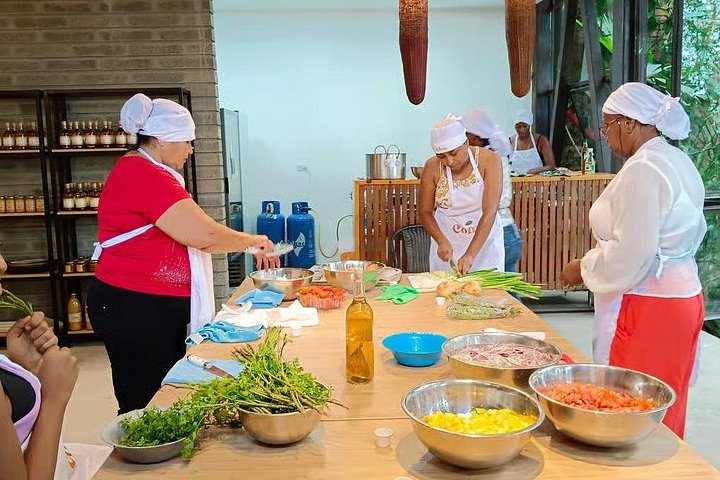
A cooking class is a fun way to bring Colombia home with you, and Cali is a good place to take one. The class we link teaches traditional Colombian cooking, with the menu built around dishes you will have met on the street and at the table. Valle del Cauca cuisine blends Andean, Afro-Colombian and Pacific influences, and classic recipes include arroz atollado (a rich, soupy rice), sancocho de gallina, empanadas, aborrajados, fried plantains, pandebono and desserts based on fruit and panela. Hosted by a local cook, the class usually starts with an introduction to the ingredients, perhaps including a look at unfamiliar fruits and vegetables, and moves on to chopping, seasoning and cooking. You work at your own station or share tasks with other guests, and the host explains techniques, family traditions and regional variations. At the end, everyone sits down to eat together, often with a drink. The setting is typically a home kitchen or a small cooking studio, which keeps the atmosphere warm and informal. Classes suit beginners as well as experienced cooks, because the emphasis is on enjoying the process and learning stories behind the food, not on perfect technique.
Before you book
Check the menu, length, group size and whether a market visit is included. Classes usually last three to four hours. Tell the host about allergies, vegetarian or vegan diets and other requirements well in advance, because many local dishes include meat, cheese and fried ingredients.
What to bring
An appetite, comfortable clothing that can handle a little splatter and a notebook if you like to record recipes. Many hosts share written recipes, and some send them by email afterward. Ask about local ingredient substitutes so that you can cook the dishes at home.
Pairing
Take the class after the market food tour so that you recognize the ingredients, or on a rainy afternoon when outdoor plans are difficult. It is also a good option for groups, couples and families with older children who like to cook. Remember to tip your host if you enjoyed the class, and ask about their favorite restaurants in Cali, which is often the most valuable part of the experience.
Colombian cooking rewards patience, and a class is a chance to learn the small details that make it work: sofrito-style bases of onion, tomato and spring onion, the use of cilantro and cumin, the balance of sweet and savory in fried plantains and the way rice is cooked in broth to absorb flavor. You may also learn about drinks, such as fresh fruit juices, hot chocolate with cheese, or the local aguardiente, an anise-flavored spirit often sipped in small shots. If you enjoy the class, ask the host about places to buy ingredients and about substitutes available at home, such as plantain, panela and white cheese.
A class makes a thoughtful gift or a lovely shared experience, and many travelers say it is the highlight of a food-focused trip. Hosts are usually happy to share stories about their own family recipes, and you may find that the best tip of the day is not technical at all but a small habit, such as tasting as you go.
What to expect
The experience
A participatory class with a local cook, ending in a shared meal of the dishes you prepared.
Best time
Afternoon or early evening, or a rainy day when outdoor plans are harder.
How long
Roughly three to four hours; confirm when you book.
Tips
Tell the host about dietary needs, wear comfortable clothes and ask for the recipes.
Quick picks
- Best for
- Food lovers and curious travelers who like learning by doing.
- Families
- A good choice for families with older children who like to help in the kitchen.
- Couples
- A relaxed shared activity that ends with a meal.
- Pair with
- The Alameda market tour for ingredients or a San Antonio dinner.
- Time needed
- A half day.
Good questions
Do I need cooking experience?+
No. Classes suit beginners, and hosts guide you step by step.
What will I cook?+
Typical dishes include traditional Colombian and Valle del Cauca recipes. Confirm the menu when you book.
Can vegetarians join?+
Often yes, if you tell the host in advance.
Do I eat what I cook?+
Yes, classes usually end with a shared meal.
Will I get the recipes?+
Many hosts share recipes. Ask when you book.