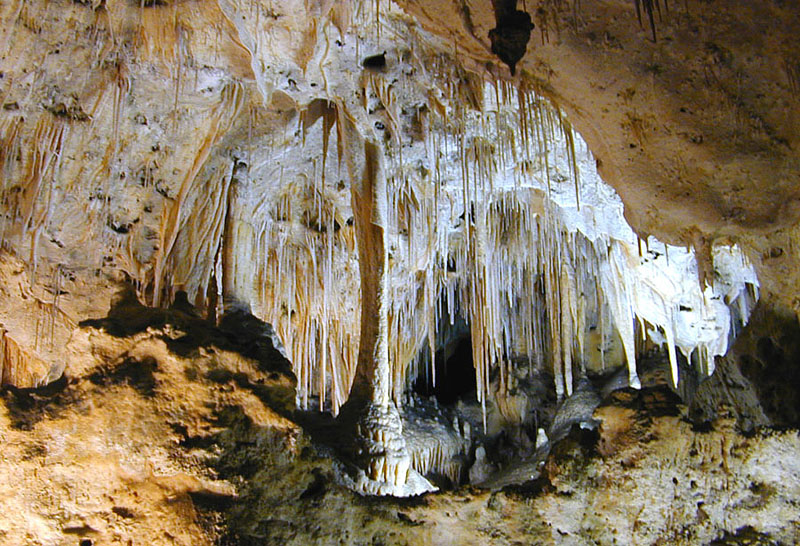
The Caverns of Sonora lie beneath the Edwards Plateau near the town of Sonora in west Texas, about halfway between San Antonio and the Big Bend country. The cave is renowned for helictites, the twisting crystalline formations that grow sideways and upward in defiance of gravity, and for a density of decoration that has earned it a National Natural Landmark designation. Unlike most show caves, it is warm and humid, which keeps many of the formations actively growing. For a cave lover driving across Texas, it is one of the great stops of the Southwest.
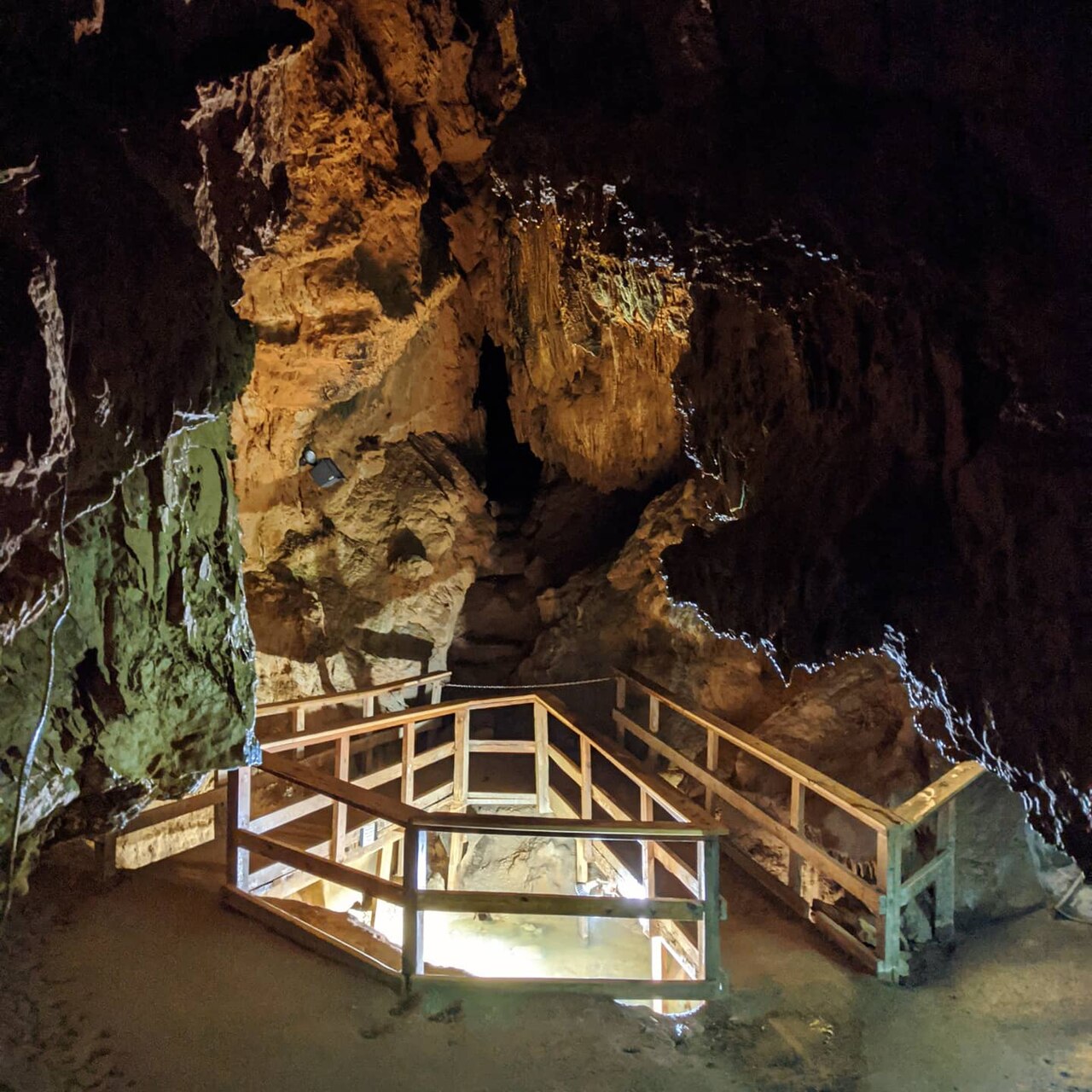
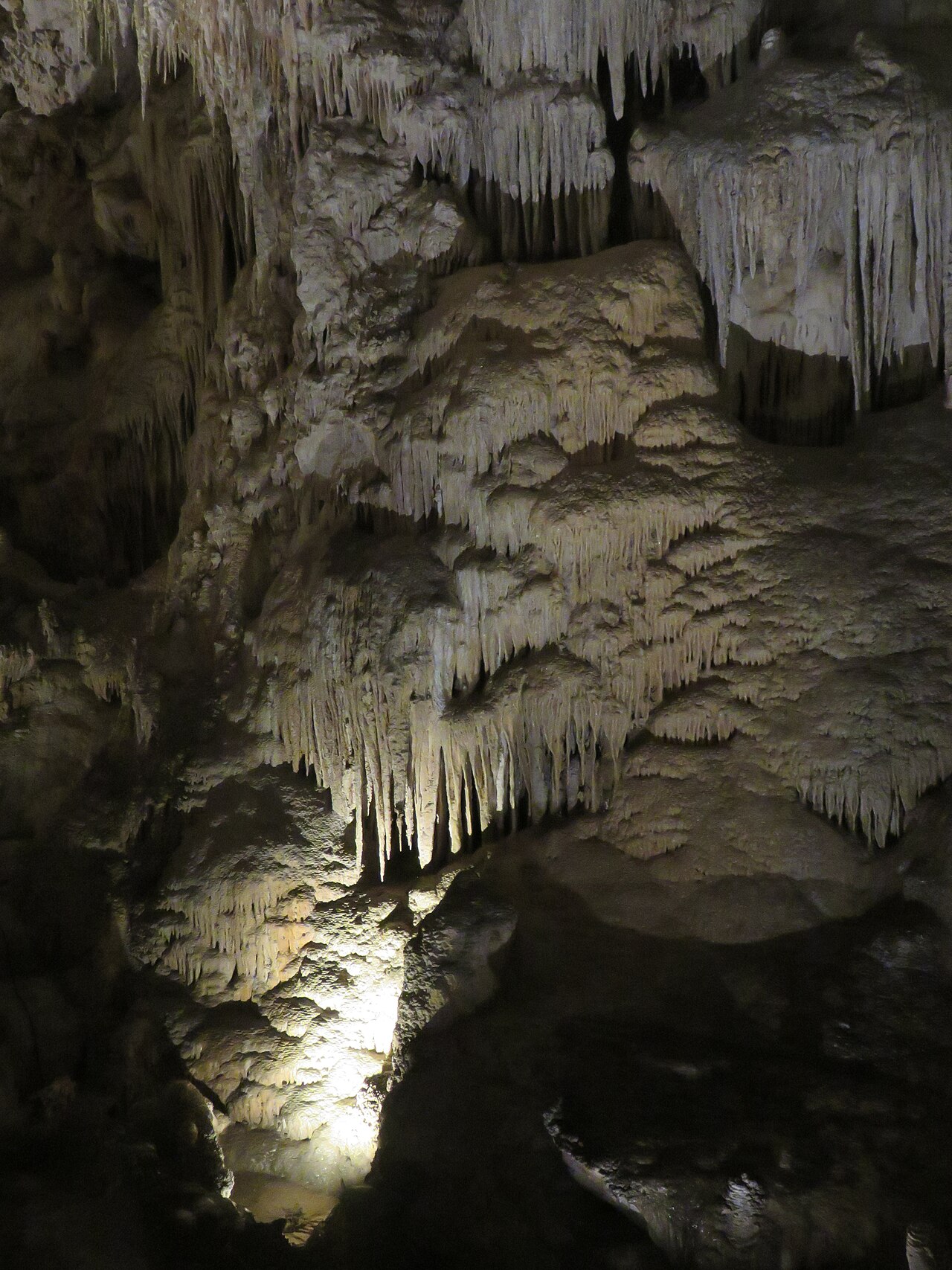
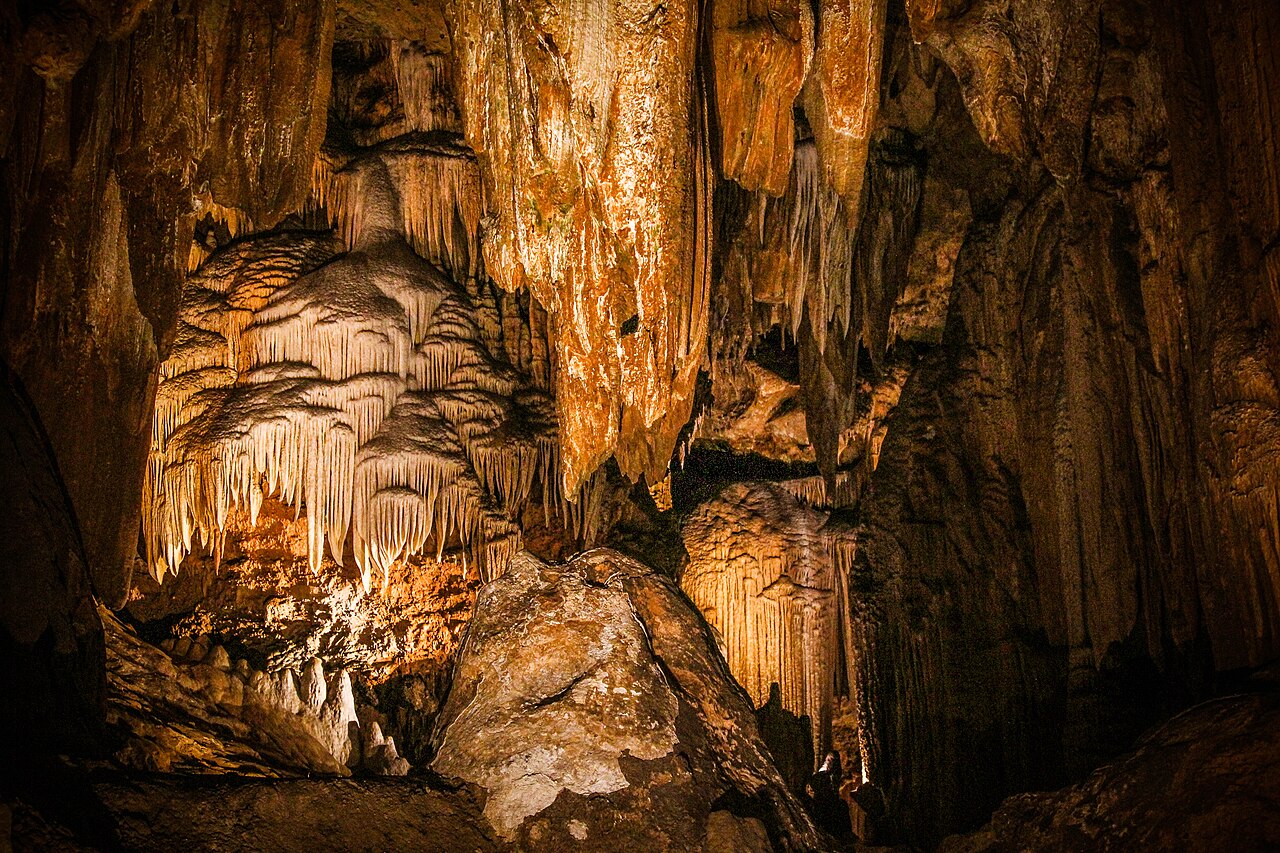
The guided tour walks a lit route through rooms packed with stalactites, stalagmites, columns, flowstone and delicate crystals. The standout is the helictite displays, which guides use to explain how mineral-rich water can build shapes that look more like coral than rock. One famous formation is a butterfly-like crystalline form that draws photographers.
Humidity is high and the temperature runs far warmer than in northern caves, closer to the low 70s Fahrenheit, so dress lightly and expect a damp feel on the walls. The warmth and moisture are signs of an active cave that is still growing.
The cavern is a long drive from major cities, so it works best as part of a larger Texas road trip. From San Antonio, expect a drive of a little over two hours west on Interstate 10; from the Big Bend region, it is a stop on the way east.
Sonora itself is a small ranching town, and the surrounding countryside gives a feel for the Hill Country's western edge. Most visitors schedule the tour for midday and combine it with lunch in town and a drive through the rolling plateau, with wildflowers in spring and warm light in autumn.
Plan for a tour of roughly an hour and a half, with stairs and some uneven footing. Closed shoes with grip are important because the walkways can be damp. Photographers should check the venue's rules on tripods and flash, since conservation matters in a living cave. Summer is hot outside but comfortable below, and the cave stays at its steady conditions in every season, so it works as a weather-proof break. Book ahead for holiday weekends and during spring break, when regional visitors fill the tours.
A few tips will help with this longer journey. Fuel and food are sparse along parts of Interstate 10 in west Texas, so plan your stops before and after the cave. The humidity inside can fog camera lenses and glasses, so let your gear adjust at the entrance and carry a soft cloth.
The living formations are highly sensitive to oils on skin, which is why guides are strict about touching, and visitors should stay on the paths and follow the rules on handrails. In summer, schedule the visit for the hottest part of the day, when the cave is a refuge, and keep water in the car for the drive home.
Travelers who love geology will appreciate the guides' explanations of how water, minerals and time shape the formations, and those who prefer visuals will find the cave remarkably photogenic. If you are crossing Texas by car, make it a deliberate stop rather than a quick detour, and give yourself time to browse the small gift shop and stretch your legs outside.
What to expect
The experience
A guided walk through a densely decorated, warm and humid cavern with lit formations and a focus on helictites. Get tickets for a set tour time.
Best time
Any season. Spring for wildflowers on the drive, summer for a cool break from the heat.
How long
The tour takes about an hour and a half; allow two hours with the drive in.
Tips
Dress lightly for the warm, humid air, wear closed shoes with grip and check the rules on cameras before you go.
Quick picks
- Best for
- Cave enthusiasts who want to see helictites at their best.
- Families
- Kids enjoy the sparkle and the odd shapes, though the stairs and humidity may tire the youngest.
- Couples
- A rich, photogenic cave on a long Texas drive.
- Pair with
- Interstate 10 stops, San Antonio's Natural Bridge Caverns and Hill Country towns.
- Time needed
- Half a day including the drive from town.
Good questions
What is special about this cave?+
It is known for its helictites and a dense display of formations, and it is a National Natural Landmark.
Is it cold inside?+
No. It is warm and humid, often in the low 70s Fahrenheit.
How far is it from San Antonio?+
A little over two hours west on Interstate 10.
Can I take photos?+
Rules vary, so check the venue's policy on flash and tripods before you go.
Is it a good stop on a Big Bend trip?+
Yes. It sits along the main route east to San Antonio and Austin.