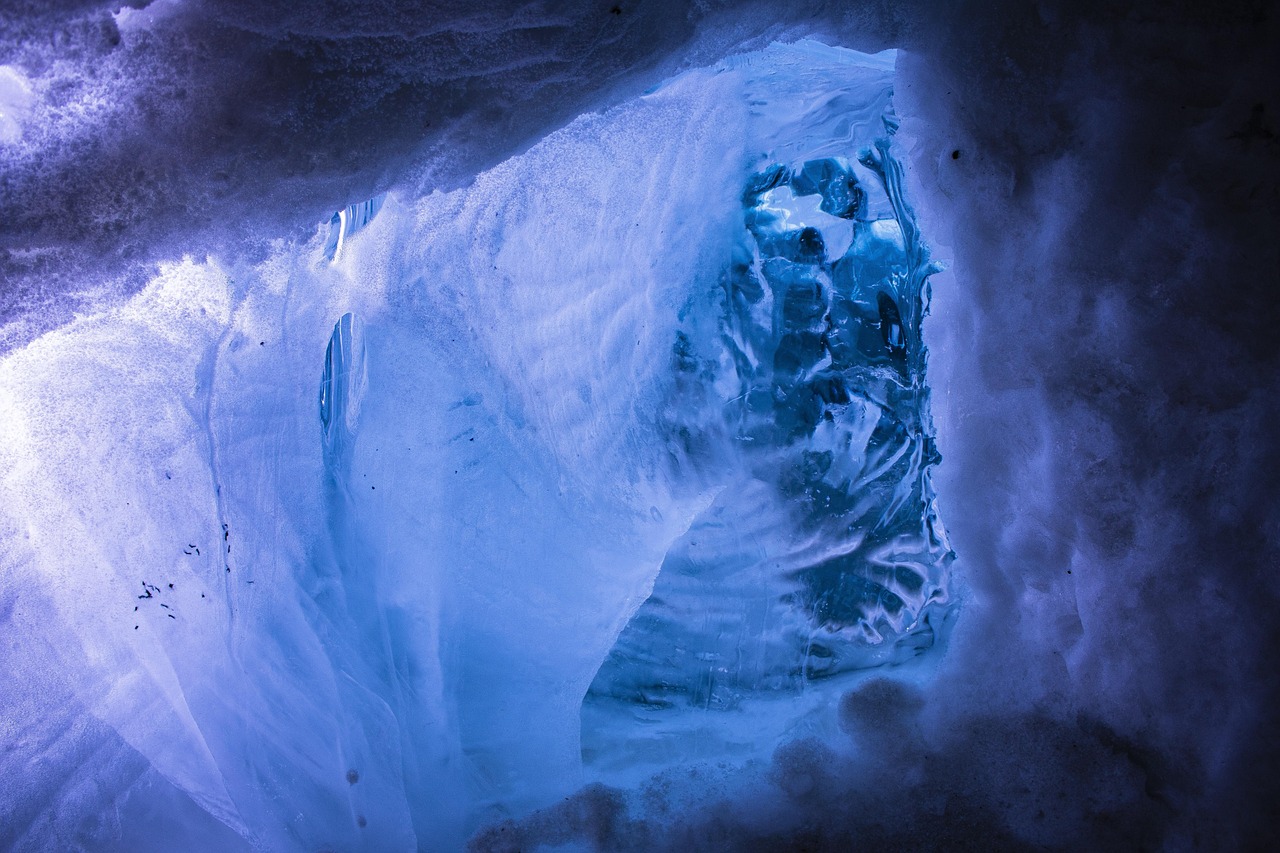
Lava River Cave is Arizona's wild-cave starter and the best-value underground adventure in the Southwest: a lava tube roughly a mile long in the Coconino National Forest, half an hour or so north of Flagstaff, formed when a river of molten basalt crusted over and drained out, leaving a tunnel big enough to walk most of its length. There is nothing developed about it. You climb down a jumble of boulders through a collapsed section of roof into total darkness, and from there it is you, your lights and the cave — a tube that varies from cathedral-high to stoop-low, with ripple-marked floors where the lava last flowed and, in cold months, ice on the rocks near the entrance. The air holds in the thirties and forties year-round, so even in July you want a warm layer. The Forest Service is clear on the essentials: bring two or three light sources per person, wear warm clothes and sturdy shoes, consider a helmet, and do not deface the walls. No pets are allowed, and the site is day-use only. A small per-vehicle day pass (interagency passes accepted) is the only cost. Access is the catch: the forest roads to the trailhead are typically closed in winter by mud and snow, which turns the visit into a long hike or ski in, so spring through fall is the practical season. Fit: adventurous families with kids old enough to scramble, Flagstaff-based road-trippers, and anyone who wants to know what true darkness feels like.
The cave is simple to describe and memorable to walk. After the boulder pile at the entrance, the tube settles into a long, mostly level corridor; partway along, the passage splits around a low section and rejoins, and near the far end the ceiling drops until you are bent double before the tube pinches out.
Turn off every light at some point — briefly, with everyone standing still — and the absolute dark and silence are the experience people remember. Look down, too: the floor preserves the flow marks of the last lava, and the walls carry glazed drips where hot gases once remelted the rock.
Doing it right
Check the Forest Service page and road conditions before driving, since the dirt roads close in winter and get rough after storms. Bring more light than you think (headlamps plus a strong handheld), gloves for the entrance boulders, warm layers for the cold air and closed-toe shoes with grip — the rock is uneven and can be slick near the entrance. Allow about two hours for the round trip underground at a relaxed pace. Weekends in summer bring crowds; weekday mornings are quieter.
The setting makes a classic northern Arizona day. Flagstaff sits at seven thousand feet among the ponderosa pines, with the Hotel Monte Vista downtown as the historic base; Sunset Crater and Wupatki national monuments are a short drive away for more volcanic landscape, and the Grand Canyon is about ninety minutes north. Fit: adventure-minded families, couples on a Route 66 or Grand Canyon road trip, and anyone who wants a real cave without a ticket booth.
What to expect
The experience
An undeveloped, unlit lava tube about a mile long, entered over a boulder pile — self-guided with your own lights. Small per-vehicle day-use fee; day use only; no pets.
Best time
Late spring through fall, when forest roads are open; winter road closures mean a long hike or ski in. Weekday mornings are quietest.
How long
About two hours underground at a relaxed pace; half a day from Flagstaff.
Tips
Two or three lights per person, warm layers for thirty- to forty-degree air, gloves and grippy shoes, helmet recommended. Check road status before driving. Turn all lights off once for the full darkness.
Quick picks
- Best for
- A real, unguided cave adventure for the cost of a parking pass.
- Families
- Great for kids who can scramble over boulders and handle the cold and dark.
- Couples
- A headlamp hike underground, then dinner in downtown Flagstaff.
- Pair with
- Sunset Crater, the Grand Canyon, and the Hotel Monte Vista in Flagstaff.
- Time needed
- A half day from Flagstaff.
Good questions
Is Lava River Cave open?+
The Forest Service lists the site as open year-round, but the forest roads to it are typically closed in winter by mud and snow, which means a long walk or ski in. Check the venue's page before you go.
How cold is it inside?+
Around thirty-five to forty-five degrees year-round, with ice near the entrance in colder months. Bring warm layers even in summer.
What should we bring?+
Two or three light sources per person, warm clothes, sturdy shoes, gloves for the entrance boulders, and ideally a helmet. There is no lighting or staff inside.
Is there a fee?+
Only a small per-vehicle day-use fee, paid at the on-site machine; interagency and Red Rock passes are accepted.
Can we bring our dog?+
No — pets are not allowed in the cave, and the site is day use only with no camping near the entrance.